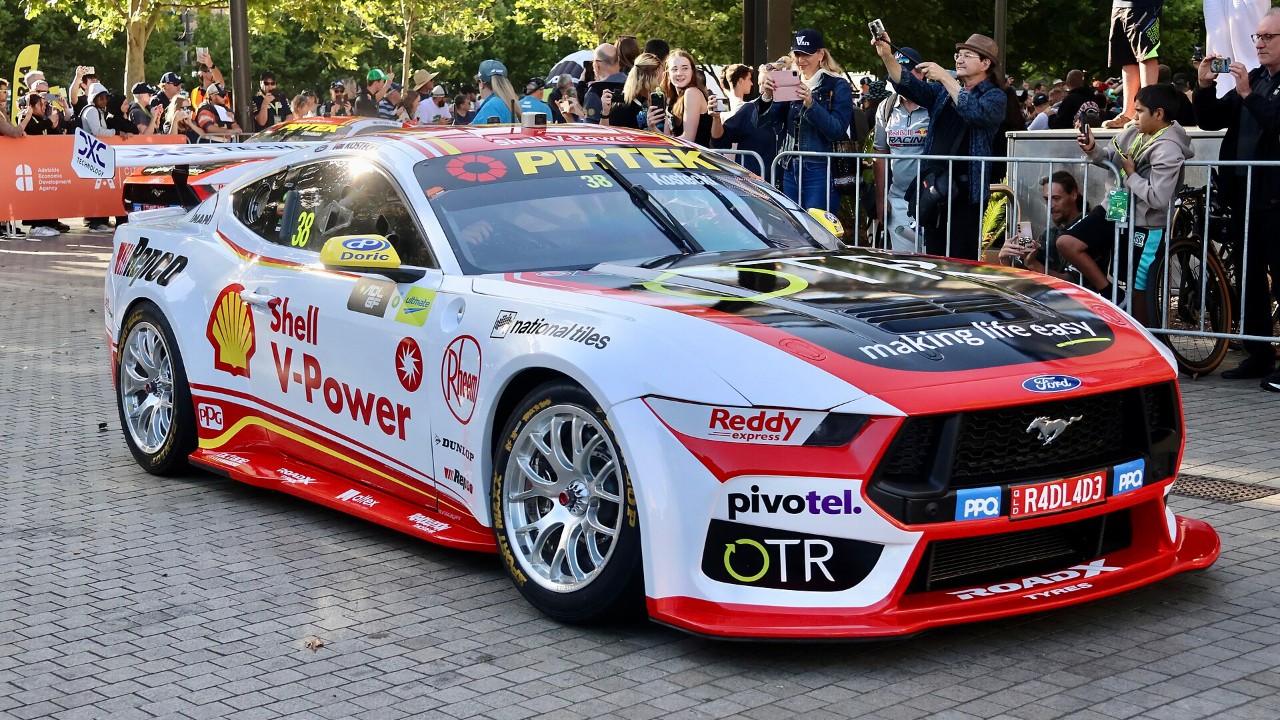
Over the years, several automakers have exited the U.S. market, leaving consumers with a narrower range of options. This phenomenon can be attributed to a complex mix of economic, strategic, and cultural factors. Understanding these reasons provides a clearer picture of how the automotive landscape in the United States has evolved over time.
Historical Context of the U.S. Auto Market

The U.S. automotive industry has undergone significant transformation since its inception in the late 19th century. Pioneers like Ford revolutionized manufacturing with the assembly line, making cars affordable to the average American. Over the decades, the industry saw the rise of the Big Three—General Motors, Ford, and Chrysler—dominating the market. However, globalization and advancements in technology brought new players into the field, increasing competition and offering more choices to consumers.
As the market matured, saturation became an inevitable challenge. By the late 20th century, the entry of foreign automakers like Toyota and Honda introduced a new level of competition, compelling existing brands to reassess their market strategies. The increased competition, while beneficial for consumers in terms of choice and innovation, led some automakers to conclude that their continued presence in the U.S. was unsustainable.
Consumer preferences have also evolved, influencing automaker strategies significantly. In recent years, there has been a noticeable shift towards SUVs, crossovers, and more recently, electric vehicles. Automakers that were unable to anticipate or adapt to these shifts found themselves losing relevance in a fast-changing market. For example, the decline in demand for sedans has pressured companies that relied heavily on such models.
Economic Factors Driving Exits

The cost of doing business in the U.S. can be prohibitively high for many foreign automakers. Factors such as labor costs, stringent safety regulations, and the need for substantial investment in infrastructure contribute to these high operational expenses. Companies like Suzuki, which exited the U.S. market in 2012, found that maintaining profitability amidst these costs was increasingly challenging.
Exchange rates and currency fluctuations have also played a critical role in the decision-making process for international automakers. A strong U.S. dollar can make foreign-made vehicles more expensive for American consumers, impacting sales figures and profitability. For instance, when the yen was strong compared to the dollar, Japanese automakers had to contend with tighter margins or higher prices, which affected their competitiveness in the U.S. market.
Moreover, financial crises and market downturns have historically influenced strategic decisions. The 2008 financial crisis, for example, caused a significant contraction in consumer spending, prompting automakers to reevaluate their market presence. Companies with less diversified portfolios or those heavily reliant on the U.S. market found themselves in precarious positions, leading some to withdraw from the market altogether.
Strategic Business Decisions

In response to the dynamic global environment, many automakers have chosen to focus on emerging markets where growth potential is higher. Countries like China and India offer expansive consumer bases with increasing purchasing power, presenting more lucrative opportunities compared to the saturated U.S. market. For instance, Mitsubishi Motors decided to concentrate its resources on Asian markets, where demand for its vehicles was more robust.
Industry consolidation and mergers have also led to strategic exits from the U.S. market. As companies merge or acquire other brands, they often streamline their operations to eliminate redundancies and focus on core strengths. This was evident when Fiat and Chrysler merged, leading to a reevaluation of product lines and market strategies that ultimately affected the presence of certain brands in the U.S.
Brand realignment and restructuring efforts can lead automakers to exit markets that do not align with their long-term strategic goals. By focusing on core markets where they have a competitive advantage, companies can optimize their resources and enhance brand value. This approach was seen with Ford’s decision to discontinue its passenger car lineup in the U.S., focusing instead on trucks and SUVs that align with consumer preferences.
Regulatory and Environmental Challenges

Automakers operating in the U.S. must navigate a complex web of environmental and safety regulations. The stringent standards set by agencies like the Environmental Protection Agency (EPA) and the National Highway Traffic Safety Administration (NHTSA) require significant investment in research and development to comply. For smaller automakers or those with limited resources, these compliance costs can be overwhelming.
In addition to regulatory compliance, technological investments are necessary to meet evolving standards. The push towards electric vehicles and reduced emissions has compelled automakers to invest heavily in new technologies. While companies like Tesla have thrived in this environment, others have struggled to keep pace, contributing to their decision to leave the U.S. market.
Trade policies and tariffs also play a crucial role in shaping business decisions. Shifts in trade agreements and the imposition of tariffs can dramatically alter the cost structure for foreign automakers. For example, the trade tensions between the U.S. and China have affected the pricing and availability of certain vehicles, influencing strategic decisions regarding market presence.
Cultural and Consumer Dynamics

Brand perception and consumer loyalty are vital components of sustaining a market presence. Automakers that fail to establish a strong brand image or adapt it to local tastes often struggle to maintain their foothold. For instance, brands like Peugeot and Renault, which exited the U.S. market decades ago, faced challenges in building a strong rapport with American consumers, despite success in their home markets.
Failure to adapt to local tastes can lead to declining sales and eventual market exit. Vehicles that resonate with consumers in one region may not have the same appeal in another, and understanding these nuances is crucial. The cultural misalignment was a factor in the decision of Daihatsu to withdraw from the U.S. market, as their compact car offerings did not align with the American preference for larger vehicles.
The rise of alternative mobility solutions, such as electric and autonomous vehicles, has further complicated the landscape. Automakers that cannot innovate or pivot quickly enough to meet these new demands risk obsolescence. As companies like Rivian and Lucid Motors gain traction with cutting-edge electric vehicle offerings, traditional automakers must adapt or face the possibility of being left behind.
Like Fast Lane Only’s content? Be sure to follow us.
Here’s more from us:
*Created with AI assistance and editor review.