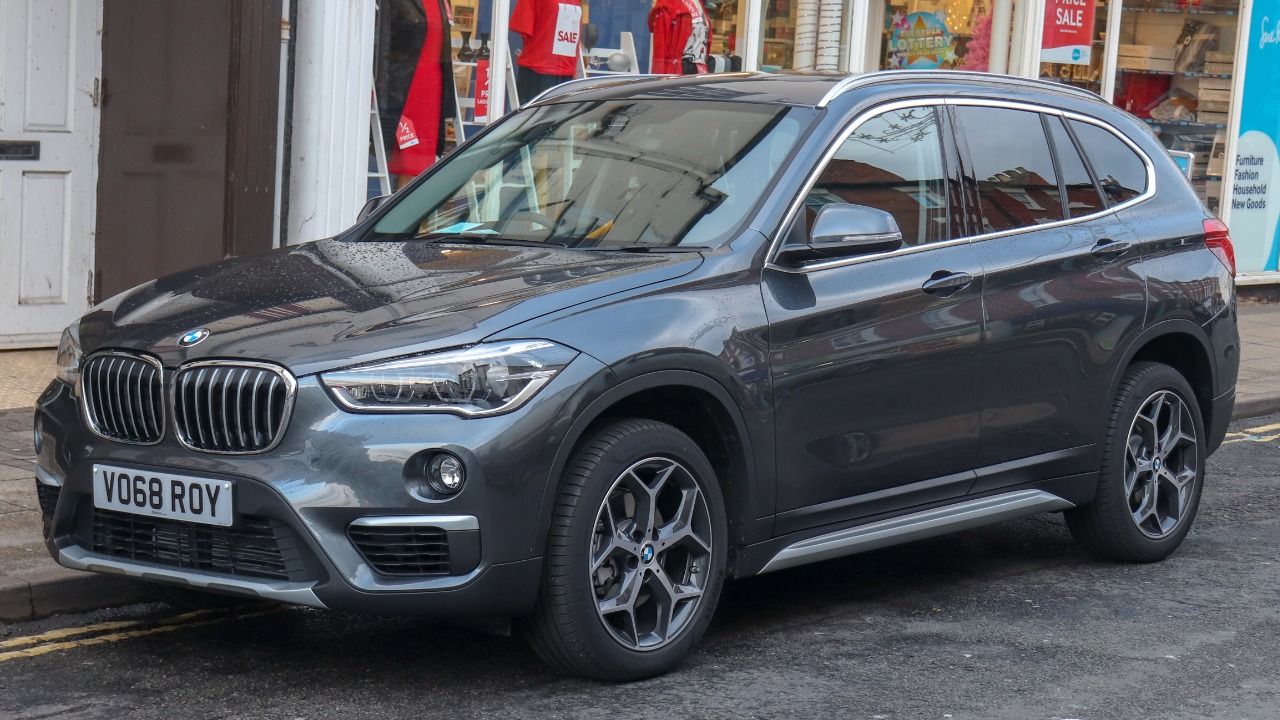
Sticker shock at the dealership is one thing. Sticker shock when you call for an insurance quote on a modest new crossover and learn it costs more to cover than a used Mercedes can feel downright upside down. Yet when you look under the hood of how insurers price risk, it starts to make sense that some newer, non‑luxury models are suddenly the expensive ones to insure.
Instead of focusing only on brand prestige, insurers are zeroing in on repair costs, safety tech, and how a specific model tends to be driven and damaged. That is why a tech‑heavy compact SUV can carry a higher premium than an older luxury sedan with fewer gadgets. Understanding those levers gives you real power to choose a car that fits both your lifestyle and your insurance budget.
Why make and model matter more than the badge
When you shop for coverage, your insurer is not judging whether your car feels fancy. It is running the exact make and model through loss data that tracks how often that vehicle is stolen, how badly it tends to be damaged, and what it costs to put back together. As Explore Progressive Answers explains, your car’s make and model are a major rating factor because some vehicles are involved in more severe crashes or rack up higher claim totals than others, even when they are not marketed as luxury cars, and that is why the make and model can move your premium more than you expect.
That is also why two cars that look similar on the lot can be priced very differently to insure. Explore Progressive Answers notes that some makes and models are simply more expensive to repair or more attractive to thieves, and that trims with higher performance or more complex equipment levels may be more expensive to cover than the base version of the same car, which is why some models end up at the top of insurers’ cost lists even without a luxury badge.
New cars, higher value and the replacement problem
Newer vehicles often cost more to insure for a simple reason: if you total them, your insurer has to pay more to replace them. A brand‑new compact SUV with a long options list can easily be worth more than an older luxury sedan that has already taken years of depreciation, and that higher replacement value is exactly what insurers are pricing in. Liberty Mutual points out that when a new car is written off, the company is on the hook for the full current value, which is why depreciation and replacement value are central to the premium you see.
That logic shows up again when you look at how insurers talk about new purchases more broadly. GoAuto explains that after you buy a new car, your premium usually rises because the company would have to pay significantly more if the vehicle is stolen or totaled, and that higher replacement cost is one of the main reasons new cars tend to be more expensive to insure than older ones, even when the older car once counted as a luxury model.
When “safety” tech quietly drives up your bill
On paper, advanced safety features should be your best friend at renewal time. Automatic emergency braking, lane keeping assistance, and blind‑spot monitoring are designed to help you avoid crashes or at least reduce their severity, and insurers do recognize that. Some carriers offer discounts for vehicles with certain driver assistance systems, and companies like Kneller Insurance highlight that features such as anti‑lock brakes, airbags, and electronic stability control can help lower risk and influence safety features related pricing.
The catch is that the same technology that protects you can be brutally expensive to fix. Associated Insurance Services notes that vehicles packed with sensors, cameras, and radar units often require specialized tools and training to repair, and that tech-heavy designs can push premiums higher because insurers know each claim will cost more. When a minor fender‑bender destroys a bumper‑mounted radar or a grille‑integrated camera, the bill can jump from a few hundred dollars to several thousand.
Complex repairs: why a modest SUV can outprice a luxury sedan
Repair complexity is where the insurance math really flips expectations. Associated Insurance Services spells out that complex repairs are a key reason tech‑heavy vehicles cost more to insure, since vehicles with advanced technology often need specialized diagnostics, recalibration, and parts that are tightly integrated into the bodywork, and that complex repairs can turn what used to be a simple fix into a multi‑day, high‑ticket job.
Broadcast reporting on repair costs underscores how dramatic that shift can be. Coverage of high‑tech vehicles notes that the cost of repairing a modern car loaded with sensors is usually higher than for a simpler model, and that damage to components like adaptive cruise control can triple repair costs, which is why Repairs for High tech vehicles such a concern for insurers. Put differently, a newer mainstream SUV with radar in every corner can be more expensive to fix than an older luxury sedan that relies on simpler, cheaper components.
How driver assistance and usage patterns shape risk
Insurers are also watching how driver assistance systems change real‑world behavior. SelectQuote explains that driver assistance, also known as advanced driver assistance systems, can support safer driving and potentially reduce certain types of crashes, but that the cost of these systems and their repairs still factors into what you pay, which is why How Driver Assistance is not as straightforward as “more tech equals cheaper insurance.”
At the same time, insurers are looking at how certain models tend to be used. LA Insurance notes that if you own one of the vehicles that are statistically involved in more severe crashes, or that are driven in ways that increase risk during accidents, your premium will reflect that pattern, which is why How Make and is closely tied to real‑world claim history. A sporty compact with advanced driver aids might still cost more to insure than a sedate older luxury sedan if the data shows it is driven harder and crashes more often.
More from Fast Lane Only