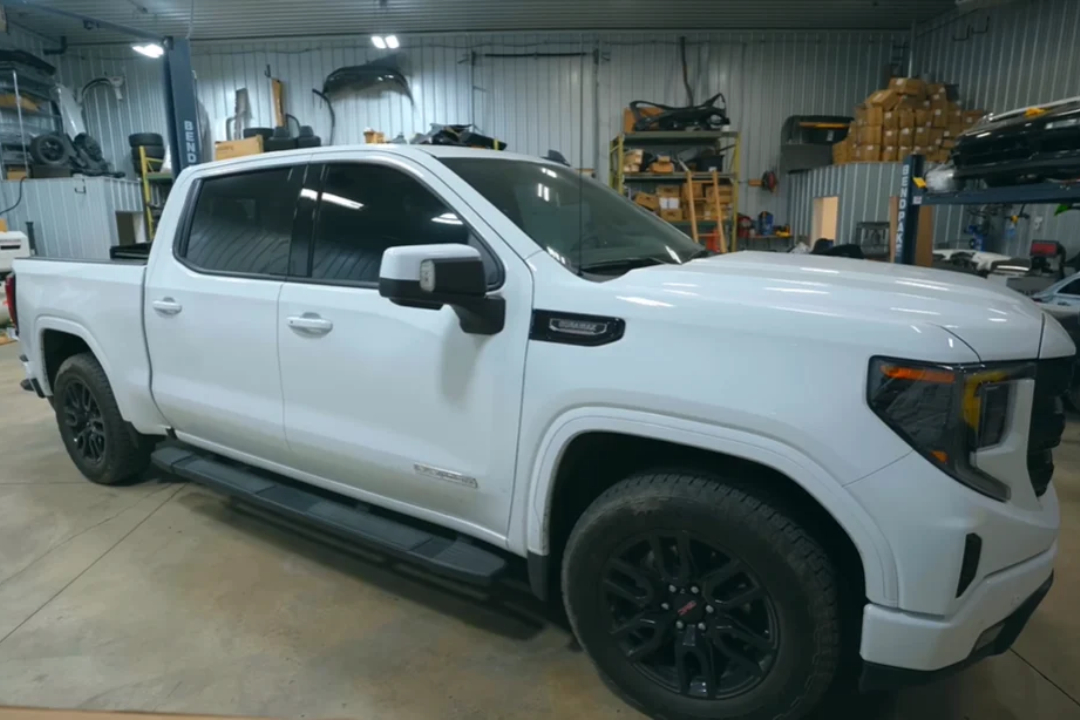
It was supposed to be a quick errand: walk into the DMV, hand over a stack of papers, pay a few fees, and walk out with a fresh registration. Instead, one driver says the moment turned into a slow-motion stomach drop—the kind that starts in your chest and ends somewhere near your shoes.
According to the driver, the dealer had been confident, almost breezy. The truck had a clean title, they said. No surprises, no drama, just a solid used pickup and the usual paperwork.
A “Clean Title,” Said With a Straight Face
The driver says the sales pitch wasn’t flashy—just reassuring. The dealer allegedly described the vehicle as straightforward: no salvage history, no major red flags, nothing that would complicate insurance or resale. The paperwork on hand seemed normal enough, and the truck looked great sitting on the lot.
It’s the kind of purchase a lot of people make when they need something dependable, especially if they’re hauling equipment, commuting long distances, or just tired of pouring money into repairs. A clean title matters because it’s shorthand for “this vehicle’s past won’t come back to bite you.” And when you hear it from a dealer, it’s easy to relax.
The DMV Moment That Changed the Whole Day
At the DMV counter, the driver says everything started off routine. The clerk took the documents, typed for a while, and didn’t say much. That silence can feel normal at a DMV—until it doesn’t.
Then came the moment the driver can’t stop thinking about. The clerk, according to the account, quietly slid a printed record across the counter. No big announcement. No dramatic pause. Just a sheet of paper that appeared to say the truck’s history wasn’t as clean as promised.
What the Driver Says the Record Showed
The driver claims the document indicated a different title status than what they’d been told at the dealership. In situations like this, that can mean a prior salvage designation, a rebuilt title, or another brand that changes how the vehicle is classified. The specifics vary by state, but the impact tends to be the same: it can affect value, financing, insurability, and peace of mind.
To be clear, a branded title doesn’t automatically mean a vehicle is unsafe or worthless. Some rebuilt vehicles are repaired properly and run for years. But the whole point is you’re supposed to know what you’re buying, because “clean title” pricing and “rebuilt title” reality don’t belong in the same sentence.
How This Kind of Mix-Up Happens (Sometimes Accidentally, Sometimes Not)
There are a few ways a buyer can end up hearing “clean title” while the DMV system tells a different story. One common scenario is paperwork lag: a vehicle’s history updates across databases at different times, especially if it moved through auctions, out-of-state transfers, or insurance processes. Another is simple miscommunication—someone repeats what they assume is true without verifying it.
Then there’s the version buyers worry about: that someone knew, or should’ve known, and the wording was chosen carefully. “Clean title in hand” can mean the document looks normal, even if the vehicle’s record is branded in a state database. And some listings rely on vague language that sounds comforting until you’re holding a printed record from a clerk who’s suddenly very quiet.
Why the DMV Clerk’s Paper Often Wins
DMV systems typically pull from state title records and linked data sources that track brands and prior events. If a vehicle was once labeled salvage or rebuilt in another state, that branding may follow the vehicle—though how it shows up can depend on reporting rules and how titles are reissued. That’s why the DMV counter can become the first place a buyer sees the “real” story.
It’s not that the DMV is always perfect, but it’s often the closest thing to an official scoreboard. A Carfax-style report is useful, but it’s not the final word. The title record is.
What Buyers Can Do Right After They Learn the Title Isn’t Clean
If you’re at the counter and this happens, the simplest move is also the hardest: pause the transaction. Ask the clerk what the record is showing and whether it’s a title brand, a prior state issue, or an administrative flag. If the clerk can print the record or point to the code used in the system, keep a copy and take notes while it’s fresh.
Next, contact the dealer immediately—ideally while you’re still at the DMV—so you can relay exactly what the clerk said. Keep the tone calm and factual, because you’re trying to solve a problem, not win a shouting match in a public building with numbered tickets. If the dealer insists it’s an error, ask what documentation they can provide to prove it and how quickly they can resolve it.
Receipts, Listings, and the Power of Exact Words
The driver says the most frustrating part was how confident the dealer sounded earlier. In disputes like this, what matters is what was promised and how it was represented. Written listings, buyer’s orders, window stickers, text messages, emails—anything that includes phrases like “clean title” can become important.
Even if the conversation was verbal, write down what was said, when it was said, and who said it. It’s not about being dramatic; it’s about having a timeline. If the situation escalates into a refund request or a complaint, details tend to beat vibes.
Title Brands Can Change the Value Overnight
A clean-title truck and a rebuilt-title truck can look identical on the outside, but the market doesn’t treat them the same. Many lenders won’t finance branded titles under the same terms, and some insurers either charge more or limit coverage options. Resale can be tougher, too, because buyers get cautious the second they hear the word “salvage,” even if the repairs were solid.
That’s why the driver says it felt like more than a paperwork issue. It felt like buying one product and being handed another. And no one wants that kind of surprise attached to something that costs as much as a small house used to.
How to Reduce the Odds of This Happening to You
If you’re shopping for a used vehicle, ask for the VIN early and run your own checks before you fall in love with the test drive. A vehicle history report can catch a lot, but you can also ask the seller to show the actual title document and point out whether it’s marked “salvage,” “rebuilt,” or anything similar. If the title is out-of-state, be extra cautious and ask how your state treats out-of-state brands.
It can also help to call your insurance company with the VIN before you buy. If there’s a title issue, sometimes the insurance side finds it quickly, or at least tells you what coverage would look like. And if a seller won’t provide a VIN or dodges questions about title status, that’s not mystery—it’s a clue.
What Happens Next for the Driver
The driver says they left the DMV with more questions than answers and a new appreciation for that quiet slide of paper across the counter. Whether it turns into a corrected record, a return, or a larger dispute depends on what the documents show and how the dealer responds. But the experience has already changed how they’ll approach any future purchase.
It’s a reminder that “clean title” isn’t a vibe—it’s a verifiable status. And sometimes, the most important person in the whole story isn’t the salesperson or the buyer. It’s the clerk, typing calmly, who knows the database doesn’t care what anyone promised.
More from Fast Lane Only