The allure of old luxury cars often lies in their unique engineering and design, which can feel like a relic from a different era. The combination of timeless aesthetics, innovative yet simplistic technology, and the driving experience they offer sets these vehicles apart in today’s automotive landscape. As I delve into the intricacies of what makes these classic cars feel so distinct and desirable, I find myself reflecting on their enduring charm and significance.
Design Aesthetics and Craftsmanship
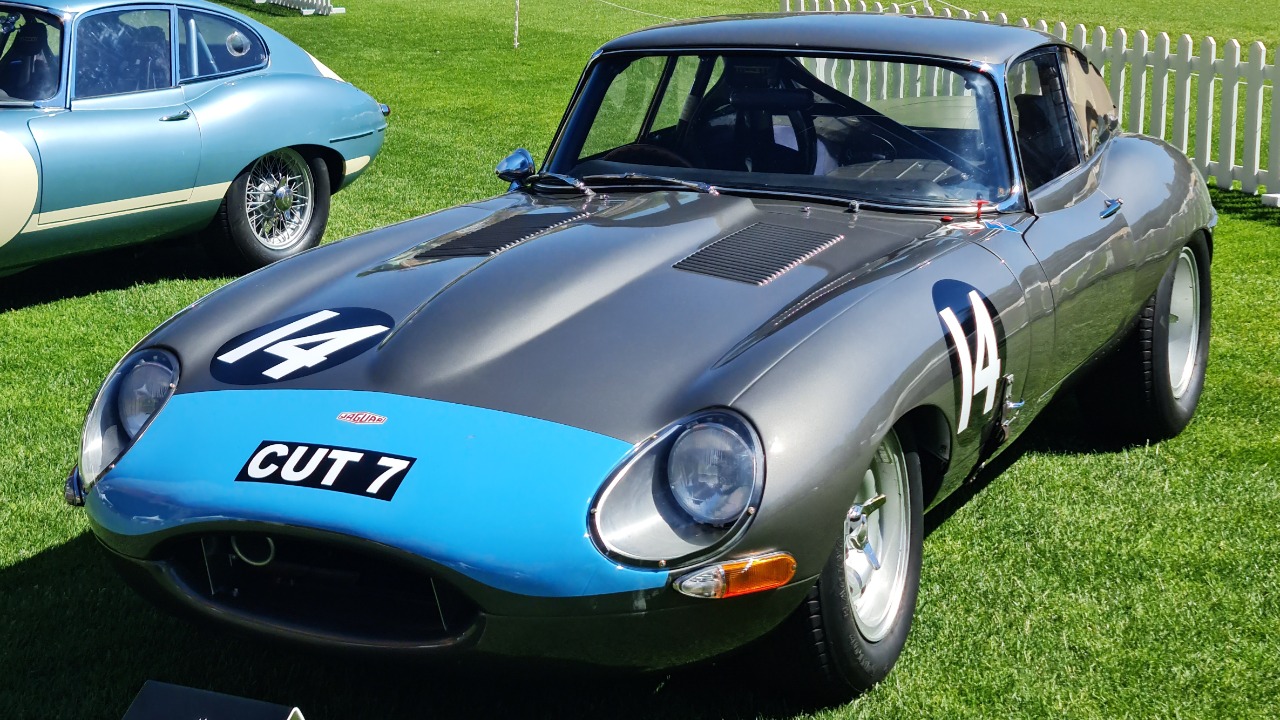
The design of vintage luxury cars often prioritizes elegance over the fleeting trends that dominate modern automotive styling. Cars like the 1961 Jaguar E-Type or the 1955 Mercedes-Benz 300SL are perfect examples of how timeless design can transcend decades. These vehicles exhibit flowing lines, distinctive silhouettes, and attention to detail that are hard to find in contemporary models, which often lean towards aggressive or overly complex designs. The emphasis on aesthetic beauty, rather than sheer functionality, allows these cars to evoke a sense of nostalgia and admiration.
Moreover, the use of premium materials such as leather, wood, and metal in their interiors showcases a level of craftsmanship that is increasingly rare in modern cars. Take, for instance, the hand-stitched leather interiors of the Rolls-Royce Phantom, which were crafted with meticulous care. The artisanal approach to manufacturing not only enhances the tactile experience but also reflects a commitment to quality that many modern luxury brands struggle to maintain. This dedication to high-quality materials and craftsmanship creates an aura of exclusivity and sophistication that resonates deeply with enthusiasts.
The influence of historical design movements, such as Art Deco or mid-century modernism, has also left a lasting imprint on these vehicles. These movements emphasized geometric shapes, bold colors, and intricate detailing, all of which can be seen in classic luxury cars. For example, the 1936 Bugatti Type 57SC Atlantic embodies the elegance of Art Deco with its sweeping curves and aerodynamic shape. The fusion of art and engineering in these cars creates a unique aesthetic that feels distinctly different from the utilitarian designs prevalent today.
Technological Features and Innovations
Vintage luxury cars often come equipped with unique mechanical systems that differ greatly from the digital dominance of modern vehicles. For instance, the 1967 Aston Martin DB6 features a straightforward mechanical setup that allows for easier repairs and maintenance. Unlike today’s complex electronic systems, these older cars rely on mechanical ingenuity, which can be appealing to enthusiasts who appreciate hands-on involvement with their vehicles.
The role of simplicity in engineering is another significant aspect that distinguishes vintage luxury cars. Many older models, such as the 1970s BMW 3.0 CSL, were designed with a focus on mechanical components rather than digital technology. This simplicity often leads to a more engaging driving experience, as the driver can feel the car’s mechanics working in harmony. Moreover, the engineering philosophies of the past frequently prioritized durability and longevity, resulting in vehicles that were built to last. This focus contrasts sharply with the throwaway culture of many modern cars, which can lead to a sense of disposability and dissatisfaction among consumers.
Driving Experience and Performance
The driving experience offered by older luxury cars is often characterized by a tactile feedback and connection between driver and machine that many modern cars fail to replicate. When I drive a classic car like the 1969 Ford Mustang, the sensation of the steering wheel and the roar of the engine creates a visceral connection that is hard to forget. This direct feedback fosters a sense of engagement that is often diluted in today’s electronically assisted vehicles.
Handling and ride comfort also differ significantly in older luxury cars. Models like the 1980s Mercedes-Benz S-Class are renowned for their smooth ride quality and road presence. The engineering that went into designing these vehicles allowed for a level of comfort and refinement that many modern cars, built with different priorities, may overlook. The nostalgia associated with the sound of a well-tuned engine, the purring of a vintage V8, or the satisfying click of a manual transmission can evoke powerful emotions for enthusiasts and collectors alike.
Brand Heritage and Identity
Legacy brands such as Rolls-Royce and Bentley have maintained their unique identities through decades of evolution. The storied history of these manufacturers, coupled with their commitment to luxury and craftsmanship, has created an enduring mystique. For example, the Rolls-Royce Silver Cloud, produced from 1955 to 1966, represents a peak in luxury and refinement that still resonates with car collectors today. The brand’s ability to blend tradition with innovation has kept it relevant while preserving its heritage.
The impact of historical events and cultural contexts on the evolution of luxury car brands cannot be understated. The post-war era, for instance, saw a surge in demand for luxury vehicles, with brands like Bentley introducing models such as the Continental GT that catered to newly affluent buyers. These models embody a sense of aspiration and exclusivity that continues to define luxury car ownership. The stories behind these vehicles often add layers of meaning, transforming them into status symbols that carry a narrative of success and prestige.
Market Perception and Value Retention
Understanding why luxury cars from previous decades often retain or even appreciate in value reveals much about the market dynamics at play. Classic cars like the 1964 Ferrari 250 GTO, which has sold for over $38 million at auction, exemplify the desirability of vintage luxury models. Their limited production runs and distinctive characteristics create a sense of exclusivity that modern cars simply cannot match. As a result, owning a vintage luxury vehicle becomes not just a matter of personal taste, but also a strategic investment.
In contrast, modern luxury vehicles tend to depreciate rapidly. Factors such as technological obsolescence and shifting consumer preferences often lead to quicker declines in value. According to a discussion on Quora, many buyers opt for used luxury vehicles instead of new models precisely because of this depreciation concern. The allure of owning a well-preserved classic car, with its potential for appreciation, can be far more appealing compared to the immediate depreciation faced by new luxury vehicles.
Environmental and Economic Factors
The contrast between fuel efficiency standards today and the power-driven engines of the past highlights a significant shift in automotive priorities. Older luxury cars, like the 1970 Dodge Charger, are celebrated for their raw power and performance, even if they are not the most environmentally friendly options. As the automotive industry pivots towards electrification and sustainability, classic cars often stand as symbols of a bygone era, appealing to enthusiasts who value the visceral experience of driving.
Interestingly, there is an increasing interest in classic cars as sustainable alternatives in the face of modern electric vehicles. Many enthusiasts argue that maintaining a classic car, especially one that is well-built and cared for, can be more environmentally sound than producing new vehicles that require extensive resources for manufacturing. This perspective is gaining traction, particularly among those who appreciate the craftsmanship and history embodied in vintage luxury cars. Additionally, economic considerations influence ownership and restoration of older luxury cars versus new models, as the costs associated with modern luxury vehicles can be prohibitively high.
As I reflect on the enduring appeal of classic luxury cars, it becomes clear that their unique engineering, design, and cultural significance continue to captivate enthusiasts and collectors alike. From the timeless craftsmanship to the engaging driving experiences they offer, these vehicles represent more than just modes of transportation; they embody a rich history and a passion for automotive excellence that feels engineered for a different era.
More from Fast Lane Only
- Unboxing the WWII Jeep in a Crate
- 15 rare Chevys collectors are quietly buying
- 10 underrated V8s still worth hunting down
- Police notice this before you even roll window down
*Research for this article included AI assistance, with all final content reviewed by human editors.