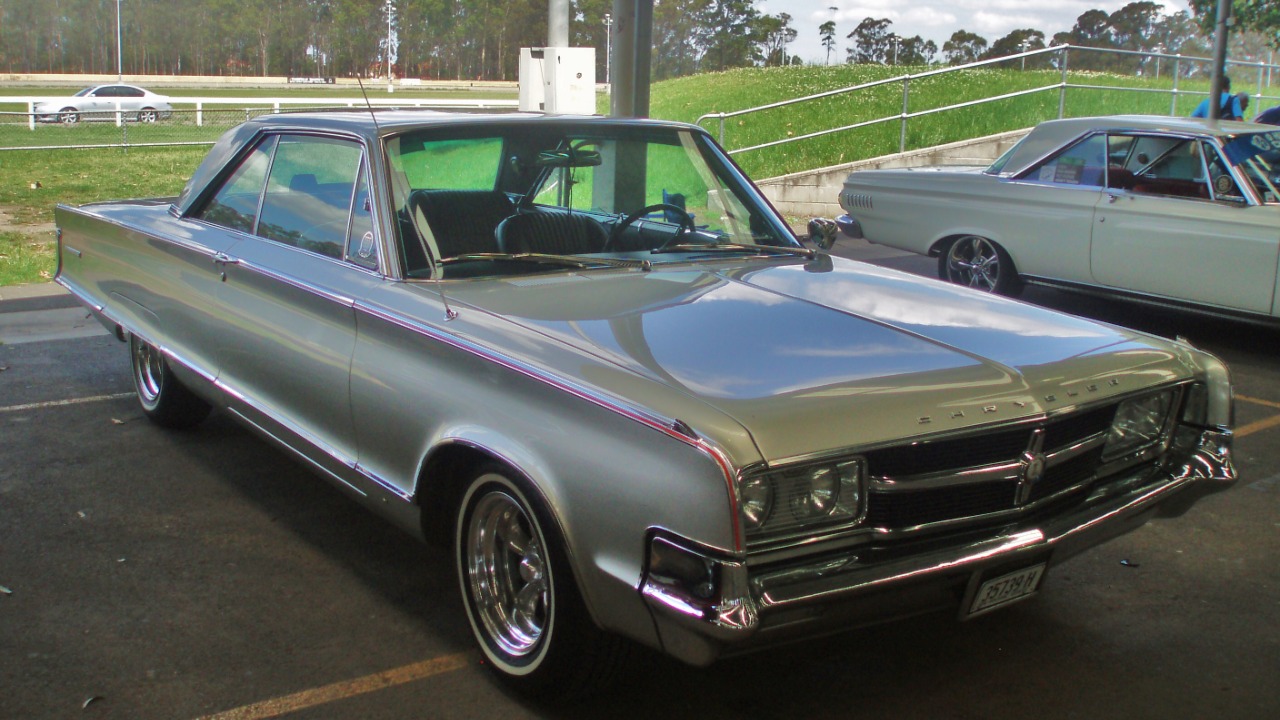
The 1965 Chrysler 300L stands as a significant marker in automotive history, representing the culmination of an era characterized by powerful engines, luxurious designs, and the American dream of open-road freedom. This vehicle encapsulates the peak of classic American luxury cars and signals the transition to a new automotive age.
The Chrysler 300 Series Legacy
The Chrysler 300 series debuted in 1955 and quickly earned a reputation for performance, style, and innovation. The original models were dubbed the “letter series,” and the 300 became a symbol of American automotive excellence. Throughout the 1950s and early 1960s, the series was known for its high-performance engines, luxurious interiors, and cutting-edge technology. Each new iteration introduced features that set the standard for what a luxury car should be.
Key elements that defined the 300 series included powerful Hemi V8 engines, spacious interiors, and elegant styling. The Chrysler 300C, for instance, introduced in 1957, was one of the first cars to feature tailfins and a stylish roofline, elements that became defining characteristics of American cars during the golden age. The cultural impact of the Chrysler 300 as a symbol of American luxury and performance can hardly be overstated; it represented not just a mode of transportation but a lifestyle aspiration for many Americans, embodying the freedom and status associated with car ownership.
Design and Engineering of the 1965 Chrysler 300L
The 1965 Chrysler 300L took the series’ legacy to new heights with its distinctive design elements. Its sleek lines and bold front grille provided a commanding presence on the road that was further accentuated by its long hood and short rear deck. The 300L featured a refined silhouette that blended elegance with aggression, making it a standout in the crowded luxury car market. The car’s overall aesthetics were a testament to Chrysler’s commitment to design innovation during this period.
Under the hood, the 300L offered powerful V8 engine options, including a 440 cubic inch engine that delivered impressive horsepower and torque. The engineering advancements in the 300L included a four-speed manual transmission, a rarity in luxury vehicles at the time, which allowed for a more engaging driving experience. Inside, the 300L boasted a luxurious interior with leather upholstery, wood trim, and advanced features for its time, such as power windows and air conditioning, making it a true haven for drivers and passengers alike.
Market Context and Competition
The automotive market in the mid-1960s was rapidly evolving, influenced by changing consumer preferences and economic factors. As the demand for luxury and performance grew, so did competition among automakers. The Chrysler 300L faced formidable rivals, including the Lincoln Continental and Cadillac Eldorado, both of which were also vying for the attention of affluent consumers looking for the ultimate driving experience. These models were not just cars; they were symbols of status and wealth.
However, the luxury car segment was not immune to external pressures. The rise of fuel prices, influenced by geopolitical events, began to shift consumer priorities. Buyers started to favor smaller, more economical vehicles, leading to a decline in the demand for large luxury coupes and convertibles. This shift in consumer behavior marked the beginning of a new era in automotive design, as manufacturers began to adapt their offerings to meet the changing market landscape.
The End of an Era: Shifting Trends in Automotive Design
The Chrysler 300L represented the pinnacle of traditional American car design before the industry began shifting towards smaller, more fuel-efficient vehicles. As the late 1960s approached, societal changes began to influence automotive design. The cultural revolution of the time, coupled with growing environmental awareness, prompted a reevaluation of what consumers wanted from their cars. The Chrysler 300L, with its large size and powerful engine, was increasingly seen as out of touch with the evolving values of society.
As automakers began to embrace compact and fuel-efficient models, the influence of the 1965 Chrysler 300L on future designs became evident. Cars started to prioritize efficiency over sheer power, leading to the introduction of models that offered a balance between performance and practicality. The societal changes of the late 1960s contributed to a decline in large luxury coupes and convertibles, and the 300L became a nostalgic reminder of an era that was quickly fading away.
Legacy and Collectibility of the Chrysler 300L
Today, the 1965 Chrysler 300L holds a special place in the hearts of collectors and automotive enthusiasts. Its unique features, such as the rare four-speed manual transmission, have made it a sought-after model in the classic car market. As a result, the 300L has seen a growing interest among collectors, with values steadily increasing, especially for well-preserved specimens. The rarity of specific models, including the four-speed version, adds to its allure and value in the eyes of collectors.
The Chrysler 300L’s status as a classic American icon is further solidified by its presence at car shows and classic car events. Enthusiasts often gather to celebrate vehicles like the 300L, showcasing their beauty and engineering excellence. For many, owning a 1965 Chrysler 300L is not just about having a car; it’s about owning a piece of American history that encapsulates a bygone era of automotive luxury and performance. More about its rarity can be found in discussions on platforms like AutoEvolution, where enthusiasts share their insights and experiences.
More from Fast Lane Only
- Unboxing the WWII Jeep in a Crate
- 15 rare Chevys collectors are quietly buying
- 10 underrated V8s still worth hunting down
- Police notice this before you even roll window down
*Research for this article included AI assistance, with all final content reviewed by human editors.