The allure of powerplants, particularly in car engines, transcends mere performance metrics; it encompasses a blend of engineering ingenuity, nostalgia, and raw sensory experience. The interplay of these elements contributes to the enduring admiration for these mechanical marvels, captivating enthusiasts and casual observers alike.
Engineering Marvels: The Heart of the Machine
When we delve into the world of car engines, it becomes immediately clear that the advances in engineering are nothing short of remarkable. Techniques such as turbocharging, which forces more air into the combustion chamber, have enabled engines to produce greater power without significantly increasing size or weight. Variable valve timing, another innovation, allows for better performance across a range of speeds, optimizing fuel efficiency while enhancing power delivery. The use of lightweight materials such as aluminum and carbon fiber not only improves performance metrics but also contributes to the overall efficiency of the vehicle.
These engineering breakthroughs are critical in creating engines that not only perform but also endure. Many automotive enthusiasts hold a deep respect for the durability and reliability of certain powerplants. Engines like the Toyota 2JZ-GTE, known for its robustness and tuning potential, have become legendary in car culture. The engineering behind these powerplants ensures that they can withstand the rigors of high performance while maintaining a reputation for longevity, often surpassing 500,000 miles with proper maintenance. Such durability elevates these engines to a revered status, further igniting the passion of car lovers.
Performance metrics like horsepower, torque, and acceleration serve as the benchmarks for exceptional engines. The 0-60 mph sprint time is often a point of pride among manufacturers and enthusiasts alike. Models such as the Bugatti Chiron, boasting a staggering 1,479 horsepower and a top speed of over 300 mph, showcase the pinnacle of engineering achievement. These figures not only capture the imagination but also fuel the competitive spirit that defines the automotive community.
Emotional Connection: Nostalgia and Passion
The connection between car enthusiasts and certain engines often transcends mere technical specifications; it encompasses nostalgia and passion. Iconic engines such as the Ford V8 and the Ferrari V12 have etched themselves into the annals of automotive history, evoking feelings of admiration and reverence. The Ford V8, introduced in 1932, revolutionized the American automotive landscape, symbolizing both power and accessibility. Meanwhile, the Ferrari V12 represents the epitome of Italian automotive excellence, with a lineage that inspires dreams of speed and luxury.
The auditory experience of a well-tuned engine plays a crucial role in forming this emotional bond. The unmistakable rumble of a V8 engine or the high-pitched wail of a Ferrari V12 creates a visceral connection for drivers and spectators alike. The sound of a revving engine can evoke memories of childhood, family road trips, or even legendary races, reinforcing the emotional connection we have with these machines. Events like the Goodwood Festival of Speed in the UK celebrate this sensory experience, drawing crowds eager to hear the symphony of engines in action.
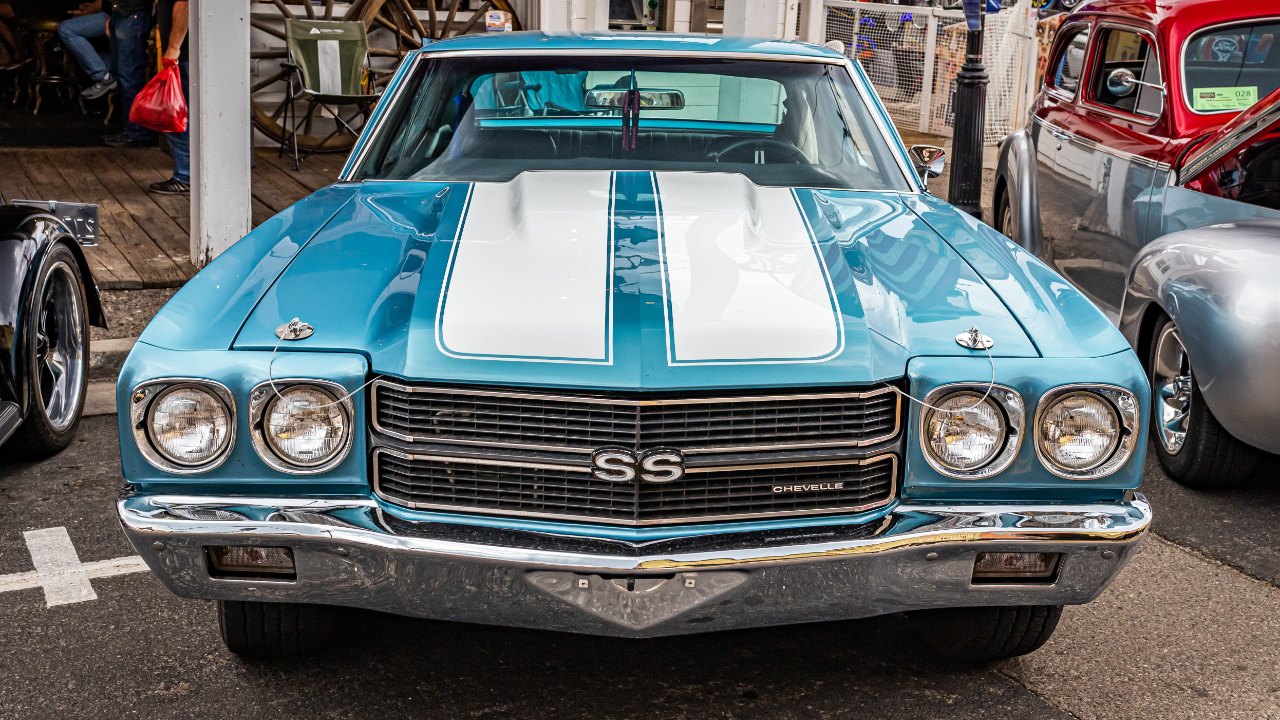
Moreover, certain cars and their engines have become cultural symbols, representing freedom, rebellion, and status. The muscle cars of the 1960s and 1970s, with their powerful V8 engines, epitomized American automotive culture, while European sports cars like the Porsche 911 have come to symbolize precision and luxury. These vehicles often feature prominently in films and media, further embedding their significance in popular culture.
Comparative Efficiency: Powerplants vs. Electric Alternatives
The debate surrounding traditional combustion engines versus electric vehicles (EVs) often centers on fuel efficiency and environmental impact. While electric vehicles are lauded for their zero-emission operation, traditional powerplants still command respect in certain scenarios. According to insights from Pallaghy, the overall fuel use in traditional combustion engines can sometimes be more efficient when considering the lifecycle and infrastructure required for EVs.
Environmental considerations also play a critical role in this discussion. While it is true that electric vehicles generate no tailpipe emissions, the cumulative impact of millions of individual gas-powered cars can be daunting. Powerplants, particularly larger-scale engines, can be more manageable for pollution control. With centralized management, emissions from powerplants can be effectively regulated, leading to better air quality in urban environments. This centralized approach can make it easier for governments and organizations to implement and enforce environmental standards, unlike the challenges posed by individual vehicle emissions.
As technology progresses, hybrid engines have emerged as a compelling solution that combines the benefits of both worlds. Vehicles like the Toyota Prius and the Honda Insight exemplify how hybrid technology can provide impressive fuel economy while still offering the power and performance that enthusiasts crave. These engines evoke awe through their engineering complexity, showcasing how automotive technology can evolve while maintaining performance standards.
Legacy of Performance: Supercars and Classics
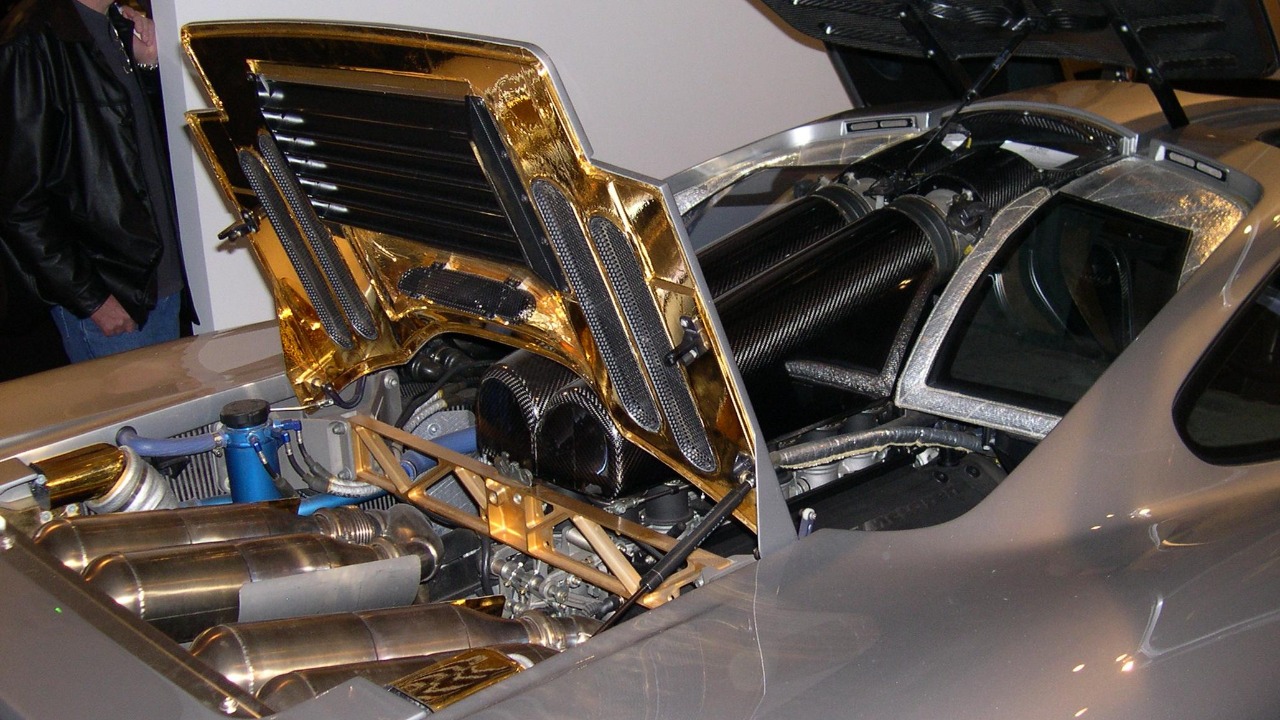
The golden age of supercars in the 1990s produced some of the most revered powerplants in automotive history. Models such as the McLaren F1, with its BMW-sourced V12 engine, and the Ferrari F50, known for its Formula One-derived V12, continue to captivate car enthusiasts even decades later. The engineering prowess that went into these machines is celebrated not just for their speed but for the innovative technology that paved the way for future developments. As discussed in autoevolution.com, the design and performance of these cars have left an indelible mark on the automotive landscape.
Classic car enthusiasts often cherish the engines of the past for their craftsmanship and mechanical simplicity. Cars like the Chevrolet Corvette C3 and the Jaguar E-Type are not just relics; they embody a period of automotive history where engineering was as much an art form as it was a science. The ability to appreciate these engines goes beyond mere performance; it is also about understanding the passion and dedication that went into their creation. Events like the Pebble Beach Concours d’Elegance celebrate these classic machines, drawing crowds of admirers who share a common appreciation for automotive heritage.
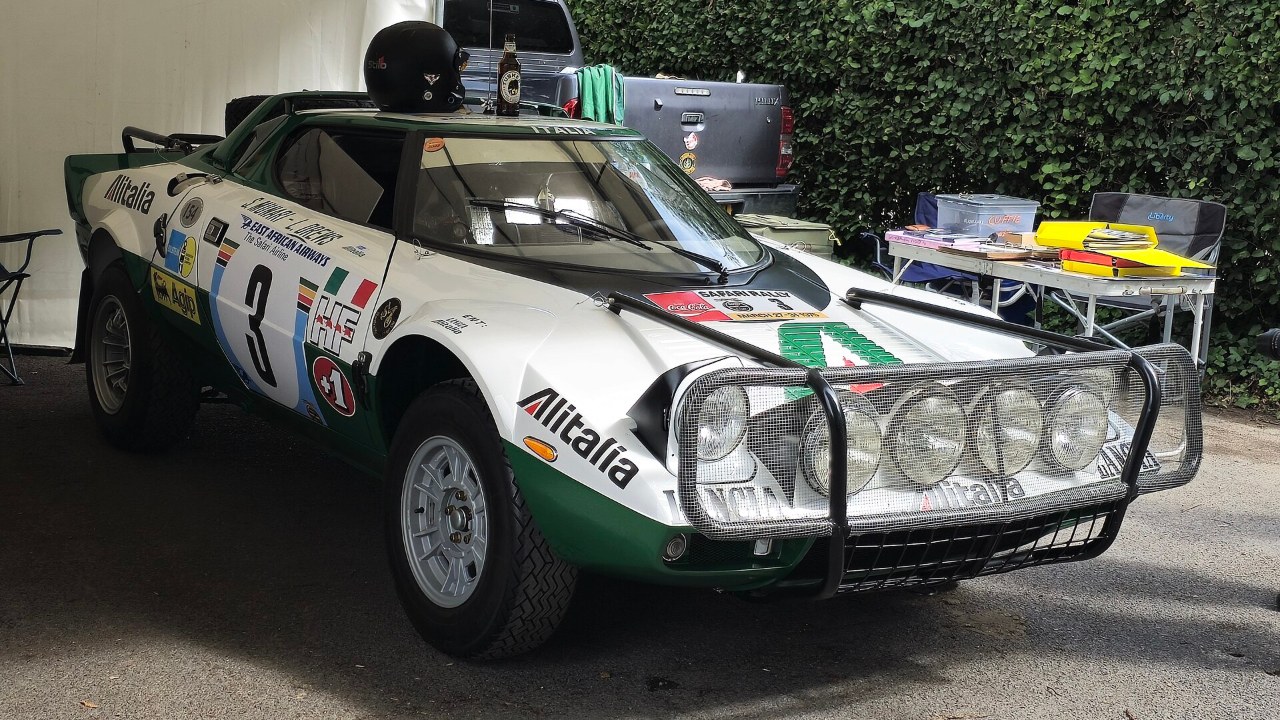
The culture surrounding car shows, races, and gatherings contributes significantly to the community of passionate fans. Events like the Le Mans 24 Hours and the Monaco Grand Prix provide platforms for showcasing these remarkable powerplants, where enthusiasts can experience first-hand the roar of engines that have become legendary. This sense of community fosters a shared appreciation for the engineering marvels that power our favorite vehicles.
Future of Powerplants: Evolution and Adaptation
As we look to the future, the evolution of powerplants continues to be driven by technological advancements. Innovations such as synthetic fuels, which can be produced from renewable sources, offer a promising avenue for maintaining internal combustion engines while reducing their environmental impact. These developments could allow traditional powerplants to evolve without sacrificing the performance and excitement that enthusiasts cherish.
In the pursuit of sustainability, the challenge lies in balancing high performance with environmental responsibility. The automotive industry is increasingly focusing on developing engines that meet stringent emissions regulations while still delivering exhilarating performance. Manufacturers are investing in research to create advanced internal combustion engines that not only adhere to environmental standards but also push the boundaries of speed and efficiency.
While the landscape of automotive technology is changing, the enduring appeal of powerplants remains steadfast. The excitement and admiration that these engines command will continue to resonate with enthusiasts for generations to come. The potential for evolution, coupled with a commitment to performance and sustainability, ensures that powerplants will still hold a place of reverence in the automotive world.
More from Fast Lane Only
- Unboxing the WWII Jeep in a Crate
- 15 rare Chevys collectors are quietly buying
- 10 underrated V8s still worth hunting down
- Police notice this before you even roll window down
*Research for this article included AI assistance, with all final content reviewed by human editors.