In an era dominated by digital interfaces and touchscreen technology, traditional car dashboard setups continue to capture the hearts of many drivers. I have often found myself reflecting on the myriad reasons behind their enduring appeal and the loyalty they inspire among a diverse range of consumers.
The Familiarity Factor
One of the primary reasons drivers gravitate toward traditional dashboards is the familiarity they offer. With physical buttons and dials, these setups provide a tactile experience that digital interfaces often lack. For many, the sensation of turning a knob to adjust the volume or pressing a button to change the radio station feels instinctive and reassuring. This familiarity minimizes the learning curve for new drivers and those who may not be as tech-savvy. A young driver getting behind the wheel of a 2020 Honda Civic, for example, can easily navigate its straightforward dashboard without feeling overwhelmed by complex features.
Moreover, long-term users of traditional setups often find comfort in the consistency of their design. Many drivers have fond memories of vehicles from their youth, sparking nostalgia whenever they encounter a similar layout. For instance, the classic analog speedometer in a 1965 Ford Mustang can evoke a sense of connection not just to the car itself but to the broader culture of driving that many cherish. This emotional bond with familiar designs is a powerful motivator in brand loyalty.
Reliability and Durability
When it comes to reliability, traditional dashboards have a strong track record. Unlike complex electronic systems that can suffer from software glitches or require frequent updates, physical controls generally require less maintenance and are less prone to malfunction. For example, a 2017 Toyota Corolla, with its user-friendly dials and buttons, showcases how straightforward mechanics can lead to fewer repairs over time, making it a favorite among those who prioritize dependability.
Additionally, traditional dashboard components, such as knobs and switches, tend to be more resilient to environmental factors. Touchscreens can struggle in extreme temperatures or high humidity, leading to performance issues that can frustrate drivers. In contrast, the mechanical components of a dashboard can often withstand these variables better, providing consistent performance regardless of the conditions. This durability translates to trust; many drivers feel reassured that their vehicle’s essential functions will operate smoothly without the risk of a digital malfunction.
Enhanced Safety and Focus
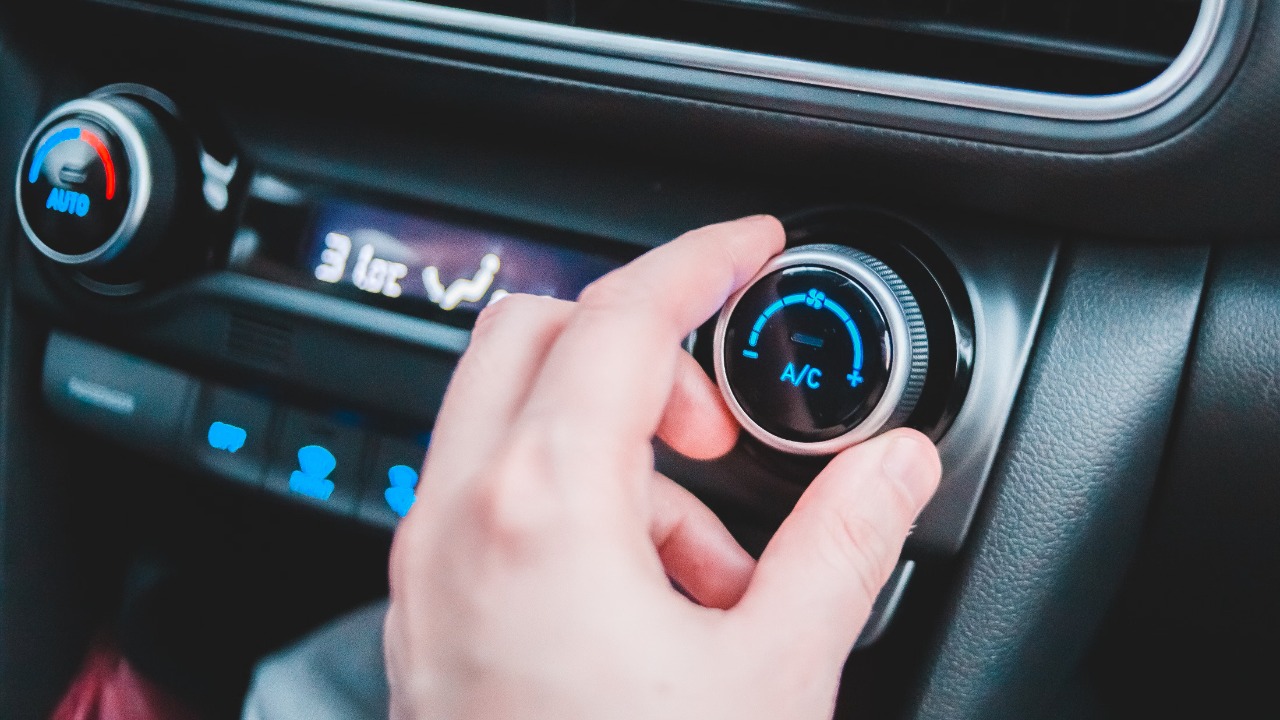
Safety is paramount for any driver, and traditional dashboards offer advantages that are hard to overlook. The ability to adjust settings without taking one’s eyes off the road is a significant factor in promoting safer driving practices. For instance, a driver in a 2021 Subaru Outback can easily increase the volume or adjust the climate controls using physical knobs, allowing them to maintain their focus on the road ahead.
Moreover, traditional dashboards often feature larger, more intuitive controls that are easier to operate while driving. These designs minimize distractions, helping drivers stay engaged with their primary task: driving. The tactile feedback of a button press can be more reassuring than a swipe on a touchscreen, which requires visual attention and can lead to momentary lapses in focus. By reducing the potential for digital distractions, traditional dashboards contribute to a more mindful driving experience.
Aesthetic Appeal and Personalization
Aesthetics play a crucial role in the appeal of traditional dashboards. Many drivers appreciate the classic look of analog gauges and well-placed buttons, which can enhance the overall feel of a vehicle. For instance, the interior of a 1969 Chevrolet Camaro, with its vintage dials and chrome accents, not only looks good but also resonates with car enthusiasts who value design and craftsmanship. The beauty of these classic setups can elevate the driving experience into something more emotionally satisfying.
Furthermore, traditional dashboards often provide more accessible customization options. Drivers can opt for different materials, colors, and finishes that resonate with their personal style. Brands like Mini Cooper offer extensive personalization choices, allowing customers to select everything from dashboard color to the materials used, making each vehicle feel unique. This level of customization can create a sense of ownership and pride, as drivers feel their car reflects their identity.
Emotional Connection and Brand Loyalty
The emotional connection many drivers have with their vehicles is often rooted in the design elements of traditional dashboards. Long-standing brands like Ford and Chevrolet have cultivated a loyal customer base that values the history and heritage embedded in their vehicles. For instance, the iconic dashboard of a 1957 Chevy Bel Air is not just a design choice; it represents decades of automotive evolution and nostalgia for many enthusiasts.
These emotional ties can significantly influence purchasing decisions. When a driver decides to buy a new car, they often recall the fond memories associated with previous vehicles. This connection can lead to repeat purchases within the same brand, as drivers seek to recapture the feelings of joy and comfort they experienced in their earlier models. Personal anecdotes shared by drivers frequently highlight positive experiences tied to traditional dashboard setups, reinforcing the notion that these designs play a crucial role in fostering loyalty.
The Balance of Technology and Tradition
Some manufacturers have recognized the need to balance traditional dashboard elements with modern technology, creating hybrid interfaces that appeal to a broader audience. The 2022 Ford Bronco, for example, combines classic analog gauges with a contemporary touchscreen interface, offering drivers the best of both worlds. This approach caters to those who appreciate the familiarity of physical controls while also wanting access to advanced features like navigation and smartphone integration.
As consumers increasingly seek a balance between innovation and tradition, vehicles that successfully merge these elements may see enhanced loyalty. The appeal of a dashboard that incorporates both physical buttons and digital displays allows drivers to choose what works best for them at any moment. For instance, a driver might prefer to use a touchscreen for navigation but appreciate the simplicity of a physical dial for adjusting the temperature. This flexibility can create a more enjoyable driving experience, ultimately leading to greater satisfaction and loyalty.
More from Fast Lane Only
- Unboxing the WWII Jeep in a Crate
- 15 rare Chevys collectors are quietly buying
- 10 underrated V8s still worth hunting down
- Police notice this before you even roll window down
*Research for this article included AI assistance, with all final content reviewed by human editors.