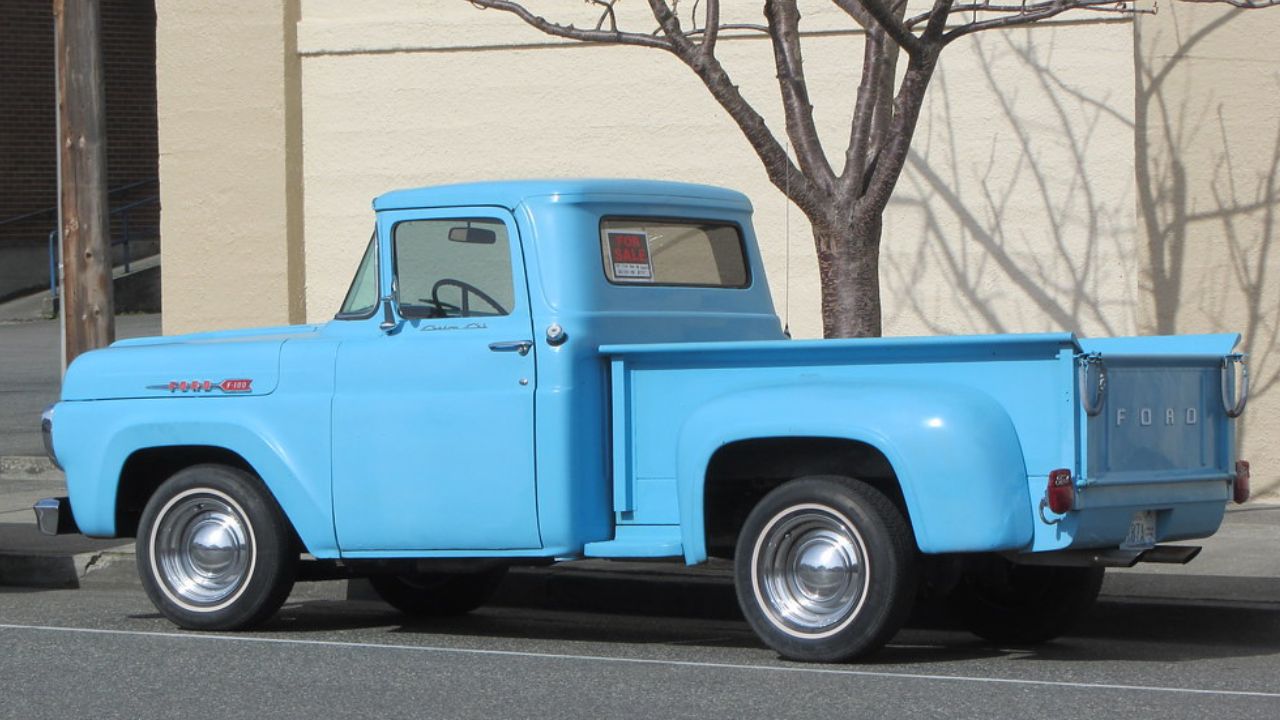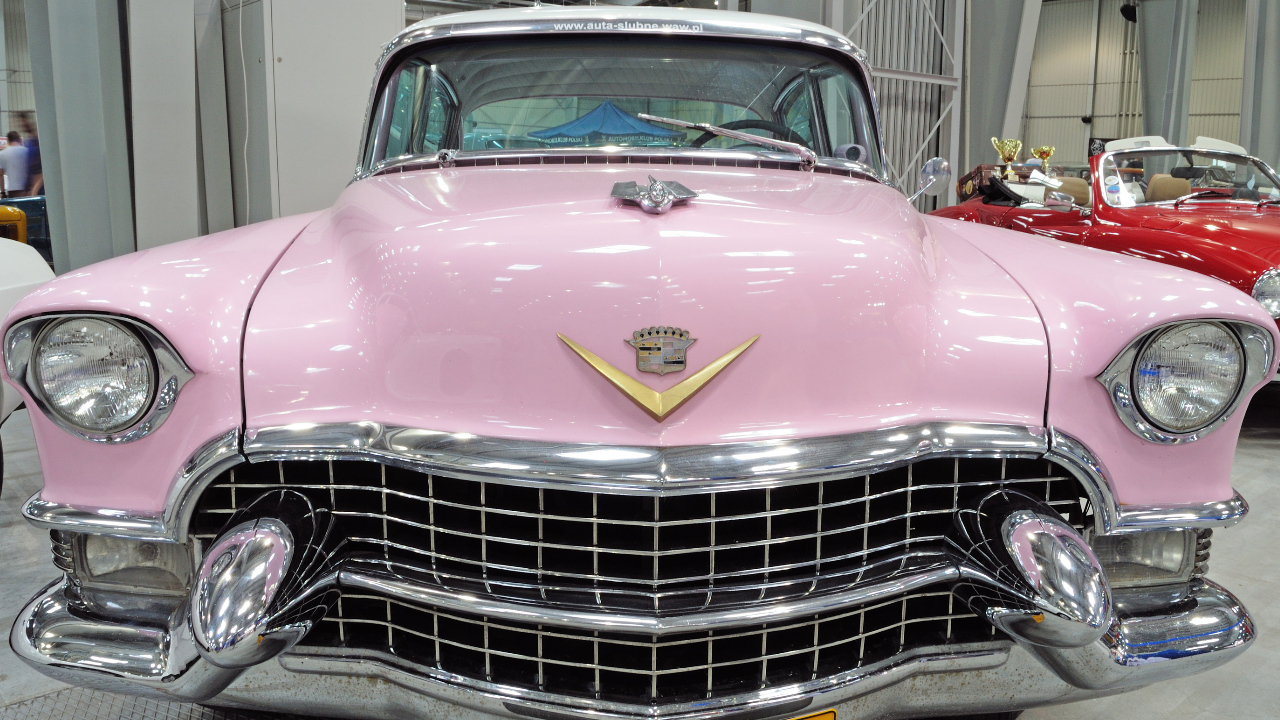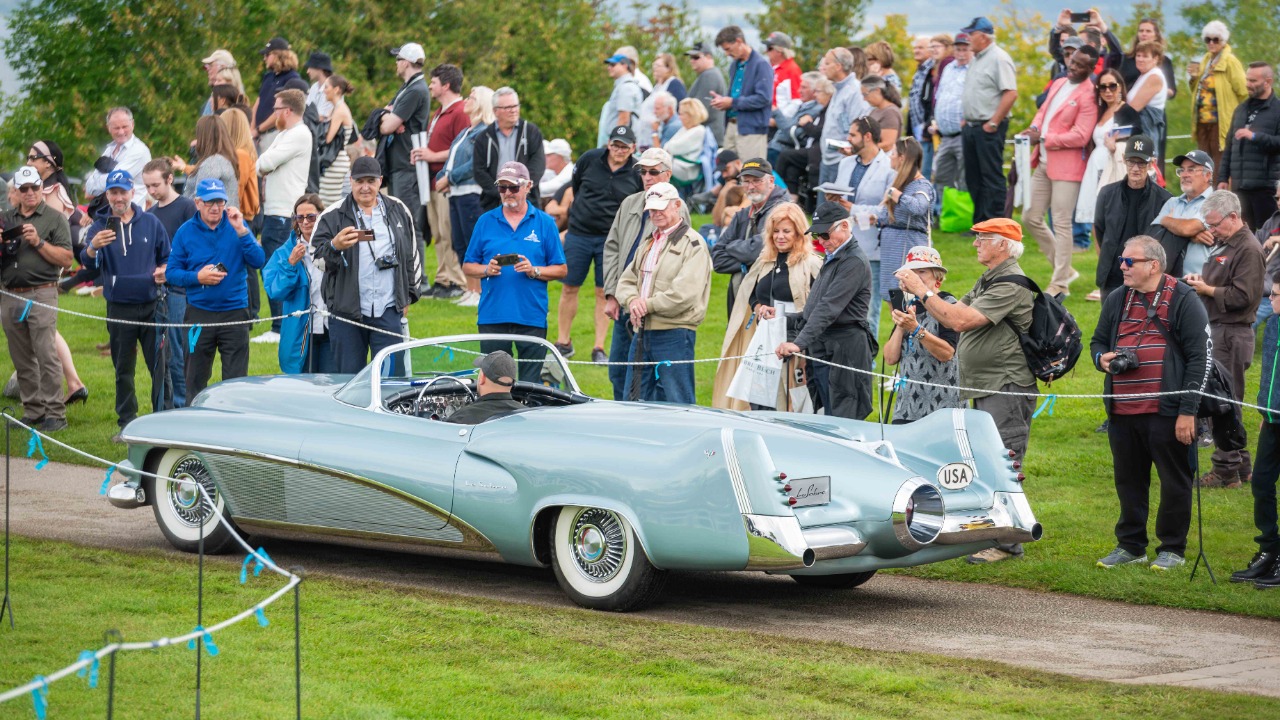
The 1950s turned Detroit into a kind of open-air gallery, with chrome, fins, and color rolling past on every street. The city’s studios treated the automobile as sculpture, and the decade’s mix of optimism, competition, and cultural change pushed designers toward the boldest shapes they would ever put into mass production. When I look back at that era, I see a brief window when risk was rewarded, restraint was optional, and the Motor City decided that everyday transportation could look like tomorrow.
Those years did not just produce pretty cars, they rewired how people in America thought about design, status, and technology. Detroit’s big studios chased speed and glamour, but they were also responding to a wider mid‑century mood that favored clean lines, new materials, and a belief that the future would be better than the past. To understand why the 1950s stand apart, I find it useful to trace how that optimism collided with corporate ambition, design leadership, and even living room aesthetics.
The studios that turned the street into a gallery
At the heart of Detroit’s bravado in the 1950s were the design studios at Ford GM and Chrysler, which treated the car body as a canvas rather than a mere shell. Former stylists have described how the amount of art on the streets that was created in those studios was “just unimaginable,” a reminder that every tailfin and wraparound windshield began as a sketch or clay model before it became part of daily traffic. When I picture Woodward Avenue in that period, I see it as the final exhibition space for thousands of hours of experimentation that started behind closed doors in Dearborn, Warren, and Highland Park, then rolled out into public view as production sedans and coupes.
Those studios were not working in isolation, they were locked in a fierce rivalry that rewarded spectacle. Each new model year became a referendum on who could push the form further without losing buyers, which is why the decade delivered such a rapid escalation in size, chrome, and theatrical details. Listening to veterans in projects like American Dreaming, I am struck by how seriously they took that mission to move ideas from the drawing board to the street, and how much corporate pride was tied to the visual drama of a grille or a roofline.
From industry to cultural movement
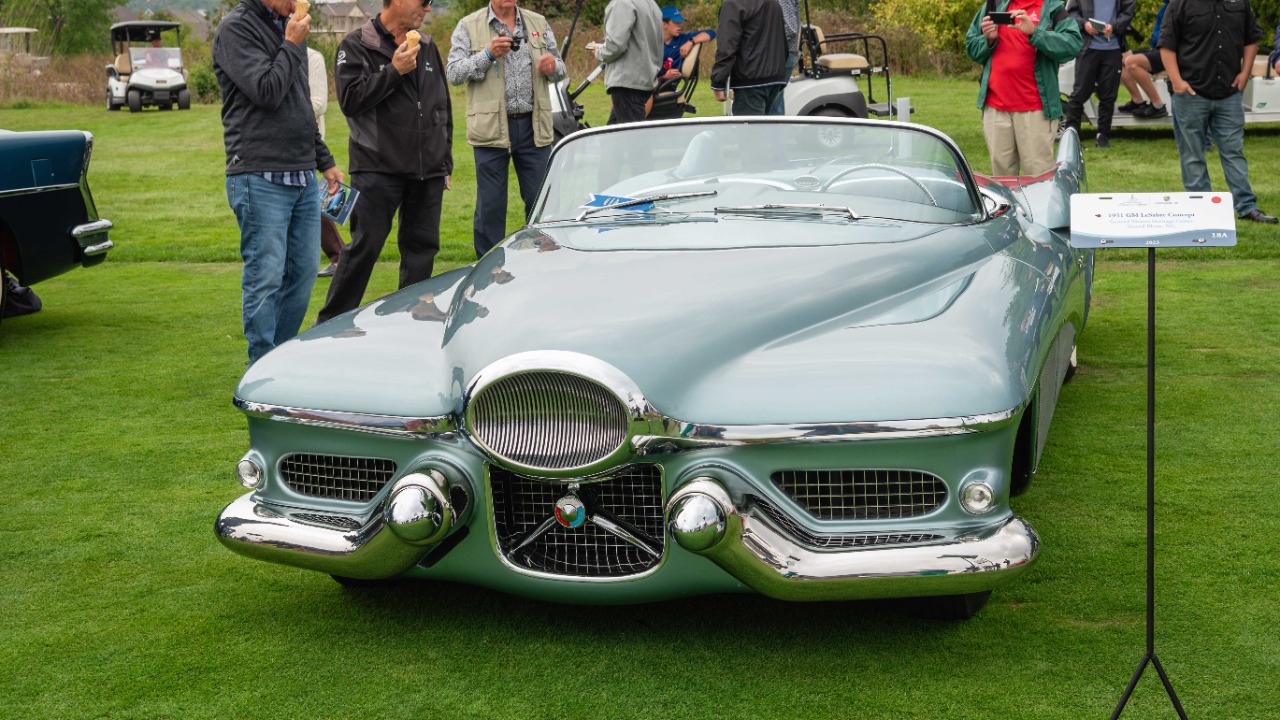
By the middle of the twentieth century, the car in America had outgrown its role as a simple machine and become a cultural movement in its own right. Fast forward 50 years from the earliest days of motoring and the automobile was no longer just an industry, it was a rolling expression of prosperity, youth, and freedom that Detroit was uniquely positioned to shape. When I look at the way families posed with their new cars in driveways, or how teenagers cruised boulevards just to be seen, it is clear that the design of those vehicles mattered as much as their mechanical specs.
That cultural shift gave Detroit license to be bolder, because buyers were not only shopping for transportation, they were buying into an image. Concept cars like the 1951 Buick Le Sabre, celebrated among the most incredible cars to come out of the 1950s, previewed exaggerated fins, jet‑inspired intakes, and dramatic two‑tone paint that would filter into showrooms a few years later. When I read that enthusiasts now look back at these machines as icons of American car culture, it reinforces how deeply those styling experiments shaped the national imagination.
Harley Earl and the age of the design star
Bold decades usually have bold personalities, and in Detroit’s case one of the most influential was Harley Earl. Often described as The Da Vinci of Detroit, he helped establish the idea that a car company needed a visionary stylist at the top, not just engineers and accountants. I see his legacy every time I notice a sweeping fender line or a carefully staged show car, because he treated the automobile as a piece of industrial art that had to stir emotion before it sold units.
Harley Earl did not work in a vacuum, he borrowed heavily from aircraft and custom coachbuilding to create shorter cars with high rooflines, panoramic glass, and dramatic tail treatments that signaled speed even at a standstill. That willingness to pull ideas from outside the traditional auto world is part of what made the 1950s so visually adventurous, and it set a template for later design chiefs who saw themselves as cultural figures as much as corporate executives. When I trace his influence through the fins and chrome of the era, I keep coming back to how The Da Vinci of Detroit turned styling into a strategic weapon.
Optimism in pastel and chrome
The 1950s did not just reshape cars, they transformed interiors and domestic design, and that broader aesthetic shift fed directly into what Detroit put on the road. In the 1950s, mid‑century modern design was brought into the limelight, with clean lines, simple forms, and a color palette that reflected the optimism of the postwar boom. When I look at period kitchens and living rooms, I see the same pastel hues stealing the spotlight that would later appear on two‑tone car bodies and dashboards, a visual echo between the driveway and the den.
That shared language of color and form helped make even the wildest automotive designs feel familiar rather than alien. A turquoise and white hardtop did not seem excessive when the refrigerator, dinette set, and bathroom tiles were speaking the same chromatic dialect. Design historians who explore interior styles of the 1950s, 1960s, and 1970s often highlight how this mid‑century confidence in new materials and shades set the stage for bolder consumer products, and I see Detroit’s paint charts and upholstery options as a direct extension of that trend toward optimistic pastel modernism.
Why the 1960s looked different, even at the apogee
It is tempting to say that the 1960s, often described as the apogee of American car design, simply continued the 1950s trajectory, but the character of the shapes changed. Although all hobbyists can admire elegant or racy automotive horseflesh from the 1920s‑40s, the real sea of change in auto styling came as the industry moved into the 1960s, when proportions tightened and surfaces became cleaner. When I compare a late‑fifties finned sedan to an early‑sixties muscle car, I see a shift from flamboyant ornament to a more athletic, purposeful stance.
That evolution does not diminish the 1950s, it clarifies what made them unique. The later decade refined and sometimes corrected the excesses of its predecessor, but it rarely matched the sheer theatricality of the earlier cars, which were hardly free from youthful indiscretions. Writers who call the 1960s the high point of American car design are often praising the balance and maturity of those shapes, yet their own accounts of the period acknowledge that the groundwork was laid by the exuberant experiments of the previous decade, a point that comes through clearly in reflections on the 1960s apogee.
Detroit’s 1950s legacy on today’s museum floor
One way I test the lasting impact of 1950s Detroit is by looking at what curators choose to display when they tell the story of car design. Exhibitions that survey the Motor City from 1950 to 2020 often give pride of place to the tailfinned coupes and chrome‑heavy sedans that defined the earlier decade, treating them as the starting point for everything that followed. Visitors are invited to trace how sketches and clay models became full‑scale show cars, then production vehicles, a process that underscores how much creative energy was concentrated in that postwar period.
A recent show organized by the Detroit Institute of Arts, described by attendees as a rare chance to see the evolution of Motor City styling in one place, made that lineage explicit by lining up concept cars, muscle machines, and contemporary designs in a single narrative. Walking through accounts of that exhibition, I am struck by how often the 1950s pieces stop people in their tracks, even when they are surrounded by later icons of power and performance. The fact that enthusiasts felt fortunate to visit a display that carried Detroit style from 1950 to 2020, and that they singled out the early years as a highlight, tells me that the boldness of that decade still sets the benchmark for what a car from the Motor City can be, a point underscored in reflections on Detroit style in the Motor City.