Four-cylinder engines used to be shorthand for “base model,” the sensible choice you bought when you could not stretch to a V8. Today, advanced turbocharging, clever electronics, and obsessive weight reduction mean some of these compact motors are delivering performance that would have sounded like fantasy in a muscle car era. In power, speed, and even character, a new generation of four-pots is making traditional eight-cylinder benchmarks look outdated.
From road-legal track specials to everyday performance sedans, engineers are proving that cylinder count is no longer a reliable measure of excitement. I see the most striking examples in cars that not only match classic V8 outputs, but do it with less weight, more efficiency, and often sharper responses.
The engineering shift that made giant-killing fours possible
The idea that a small engine can rival a big one is not new, but modern technology has turned it from a niche trick into a mainstream reality. Early performance icons like straight-eight Duesenbergs and Cadillacs needed huge displacement just to reach power levels that are now routine. As fuel injection, turbocharging, and computer control matured, engineers learned to push far more air and fuel through a smaller block, turning compact four-cylinders into serious performance tools.
That shift has changed how I interpret power figures. A discussion on car forums about whether 200 horsepower from a V8 feels different than 200 from an inline-four often lands on the same conclusion: the number on paper is identical, but the delivery and the car around it matter more. When a lighter four-cylinder sits in a lighter chassis, the whole package can accelerate harder and corner better than a heavier V8 car with similar output. That is the context in which modern four-cylinder performance needs to be judged.
BAC Mono R and the rise of ultra-high specific output
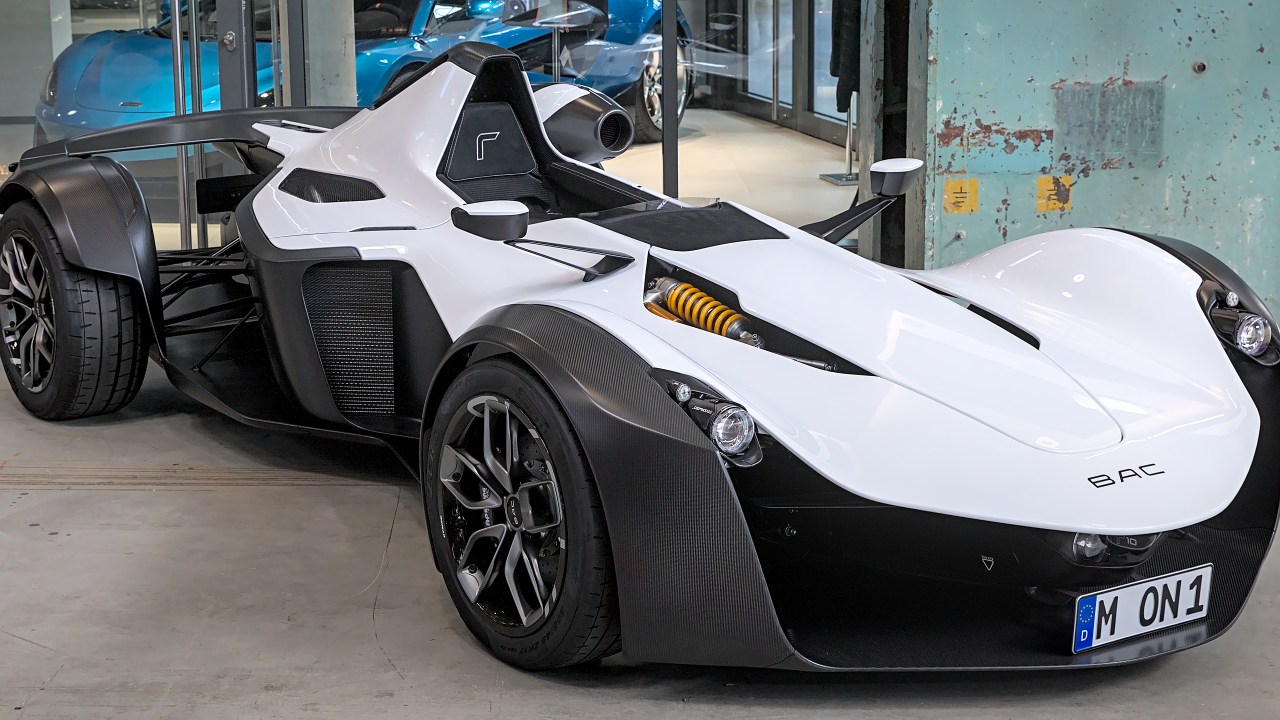
Nothing illustrates the new four-cylinder reality better than The BAC Mono R, a single-seat road-legal weapon that treats power-to-weight as a religion. At its heart is a Mountune-developed, dry-sump 2.5-liter engine that has been reworked specifically for this car. The unit delivers 343 bhp from 2.5 litres, an astonishing 137 bhp per litre that is described as the highest ever for a road-legal, naturally aspirated production car. That specific output would have sounded like race-engine territory not long ago, yet here it is in a car with license plates.
The result is a machine that leaves many V8s behind not by brute force, but by combining that wild specific output with extreme lightness and focus. Reporting on Why The BAC Mono R Is More Than Just An Exotic Toy underlines that the car is engineered as a complete package, not just a dyno number. The Mono R’s four-cylinder does not merely keep up with V8s, it reframes the conversation: if a naturally aspirated 2.5-litre four can deliver this kind of performance, the old assumption that more cylinders automatically mean more excitement starts to crumble.
Turbocharged fours that outrun muscle-car V8s
Forced induction has turned many everyday four-cylinder cars into genuine V8 hunters. Lists of the Most Powerful 4-Cylinder Cars You Can Buy are now dominated by turbocharged fours that comfortably clear 300 horsepower, a figure once reserved for serious eight-cylinder machinery. These engines rely on high boost pressures, efficient intercooling, and precise fuel and ignition control to cram more air into each cylinder, effectively mimicking the breathing capacity of a much larger engine without the weight penalty.
That approach pays off on the road and track. A survey of fastest turbocharged four-cylinder cars highlights models that can outrun traditional muscle cars in straight-line sprints while also offering better balance in corners. The reporting notes that, aside from literal racecars, there are few four-cylinder-powered vehicles with higher outputs than some of these turbocharged specials, which puts them squarely in territory once dominated by big American V8s. When a compact sedan or hatchback can match or beat a classic pony car to highway speeds, the old displacement hierarchy starts to look more like nostalgia than engineering reality.
AMG’s M 139 and the new benchmark for production fours
If there is a single production engine that captures how far four-cylinders have come, it is the Mercedes-AMG M 139. When it launched in 2019 it was described as the most powerful four-cylinder engine in the world for a road car, and that claim is backed up by its extraordinary output per litre. The engine powers compact performance models like the Mercedes-AMG CLA45 S and GLA45 S, delivering V8-grade acceleration from a relatively small displacement. A short video clip frames it bluntly: “this 4 cylinder got more power than my V8,” a sentiment that would have sounded like hyperbole before engines like the M 139 existed.
Technical commentary on the latest AMG four-pot notes that, regardless of one’s views on four-bangers, the specifications are impressive for a production engine designed for daily and long-term use. Yes, the unit is heavily boosted and highly stressed, but it is also engineered to survive warranty periods and commute duty, not just track days. That matters, because it shows that four-cylinder engines are not only capable of headline numbers in exotic specials, but they can also deliver V8-like performance in cars that people actually drive every day.
Real-world four-cylinder cars that embarrass V8s
Beyond the headline engines, there is a growing roster of real-world four-cylinder cars that can humble V8s in the metrics that matter to enthusiasts. A survey of four-cylinder engines highlights everything from the Chevrolet Cobalt SS to Alfa Romeo performance models, cars that use turbocharged fours to deliver acceleration and lap times that would have shamed older eight-cylinder sports cars. The Chevrolet Cobalt SS in particular became a cult favorite for its ability to punch far above its weight, proving that clever engineering and forced induction could turn an economy-car platform into a serious performance threat.
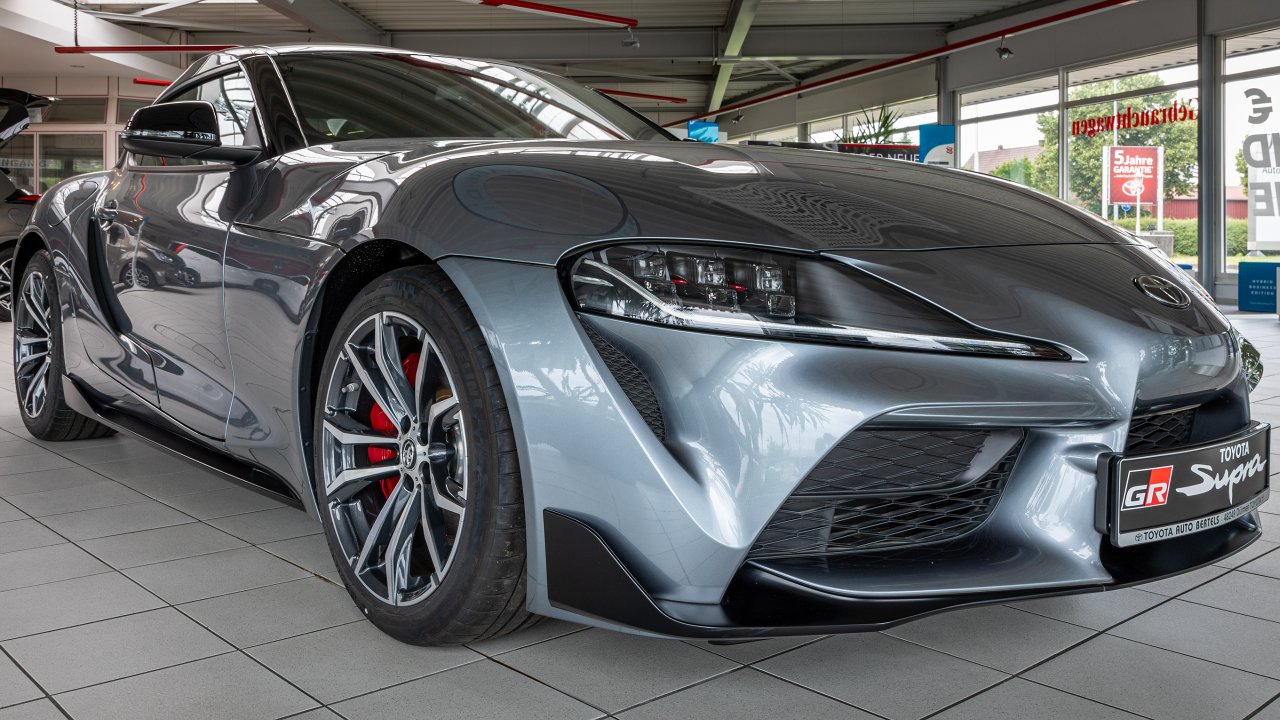
More recent lists of cars with 4-cylinder engines point to modern examples like the Blue Alfa Romeo Giulia Veloce, which pairs a potent turbo four with a sophisticated chassis. These cars do not just win on straight-line speed; they often brake shorter and corner harder than heavier V8 rivals. Even in the sports-car space, models like the Toyota GR Supra 2.0, show how a well-tuned four-cylinder can give a classic rear-drive coupe the agility and pace to challenge larger-engined competitors.
From sleepers to track toys, the four-cylinder future is already here
The four-cylinder story is not limited to obvious performance models. Some of the world’s best sleepers hide potent engines behind unassuming bodywork, and while a feature on underrated engines rightly celebrates the Chevrolet 6.2-Liter V8 in cars like the Marauder, the same logic applies to high-output fours. When a compact turbo engine delivers big power in a modest shell, the result is a car that can surprise much more expensive V8 machinery at the lights or on a back road. That sleeper appeal is part of why enthusiasts are increasingly open to four-cylinder performance, even if they grew up idolizing big-displacement eights.
On the more overt side of the spectrum, rankings showcase machines like the Porsche 718 Cayman S, listed with a top speed of 182 MPH, and the Alpine A110 R and Lotus Emira. The Porsche and Cayman names carry serious sports-car heritage, yet they now rely on four-cylinder power to reach speeds that once required a large V8. Whether in a stripped-out track toy, a refined coupe, or a stealthy sedan, the message is consistent: cylinder count is no longer a ceiling on performance.
That reality is reinforced by more accessible heroes like the Honda Civic Type R Ultimate Edition. Reporting on forced induction four-cylinder cars notes Power of 315 hp for the Honda Civic Type R Ultimate Edition, a figure that lets this front-drive hatchback keep up with or even outrun older V8 sports cars. When a Civic Type R, or Civic Type variants more broadly, can deliver that kind of punch while still offering daily usability, it becomes clear that four-cylinder engines are not just catching up to V8s. In many cases, they are redefining what performance looks like for the next generation of drivers.
More from Fast Lane Only: