The 1953 Cadillac Eldorado arrived as more than a glamorous convertible. It reset what buyers expected from an American luxury car, turning styling experiments into showroom reality and using technology, presence, and price to signal a new top tier. By turning a limited-production flagship into a rolling manifesto, Cadillac forced rivals and future Eldorados to measure up to a higher standard of comfort and spectacle.
From Motor show dream to street reality
When I look at the 1953 Cadillac Eldorado, I see a concept car that somehow escaped the show stand and landed in customers’ driveways. General Motors styling chief Harley Earl had been using the GM Motor shows to test radical ideas, and the Eldorado was the moment those ideas were pushed directly into production to keep Cadillac a clear styling leader. Reporting on the model notes that the Cadillac Eldorado was created explicitly to maintain Cadillac’s position at the front of the design race, with Harley Earl using the Motor exhibitions as a laboratory before committing the most dramatic cues to this halo convertible.
That origin story matters because it changed what “luxury” meant in the early 1950s. Instead of treating advanced styling as a tease for future mass-market cars, Cadillac sold it immediately to customers willing to pay for the latest look, turning the Eldorado into a kind of subscription to the cutting edge. Contemporary analysis of 1950s Cadillac models stresses that Cadillac did not simply follow the decade’s trends, it helped define them, and the Eldorado was the sharpest expression of that strategy. By putting Motor show drama into a roadgoing Cadillac, the company taught affluent buyers to expect concept-level design, not just extra chrome and leather.
Design theatrics that redefined presence
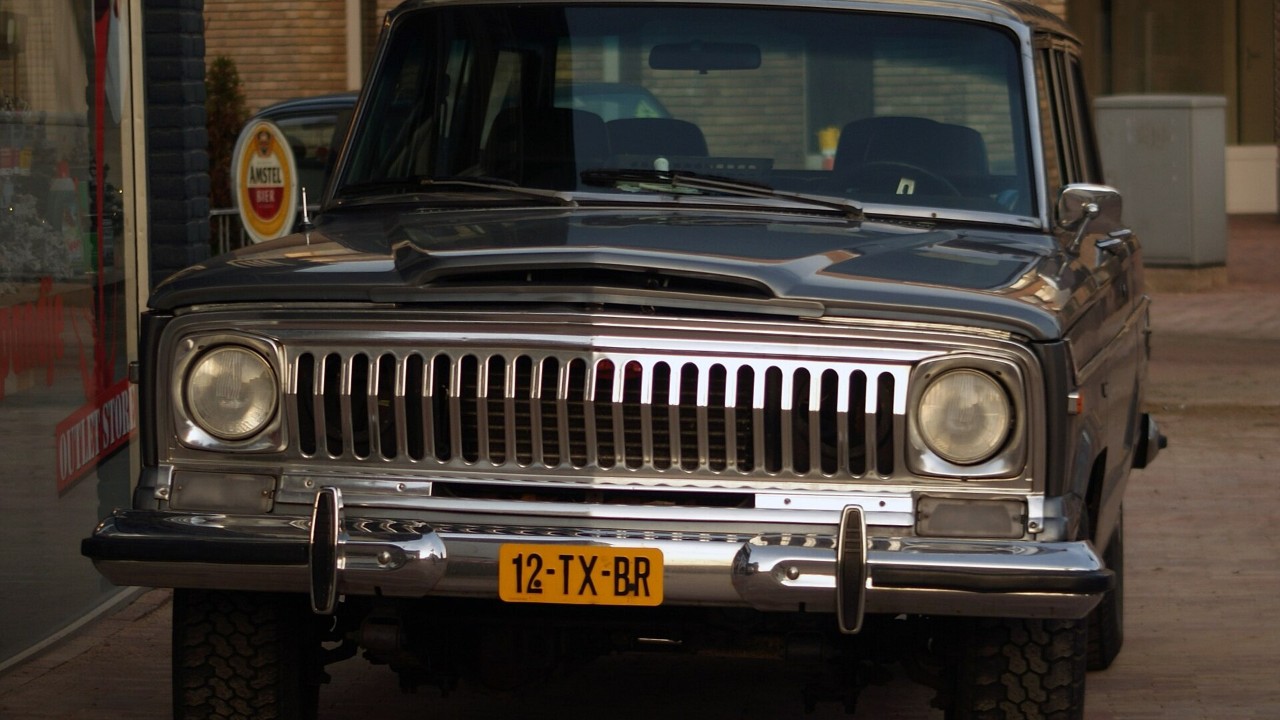
The Eldorado’s styling did not just look different, it announced a new level of visual aggression that other luxury cars soon had to match. The front grille was reworked with a heavier integral bumper and prominent bumper guards, the so-called “Dagmars” that grew to gigantic proportions on this model. Those Dagmars, paired with the wide, low stance, gave the Eldorado a confrontational face that turned the car into a moving piece of theater. Coverage of the 1953 Cadillac Eldorado emphasizes how these elements were not subtle embellishments but deliberate exaggerations, part of a more “on the street” approach to automotive marketing that treated every drive as a rolling advertisement.
That theatricality filtered into the broader Cadillac lineup and, by extension, the entire American luxury market. Later 1950s Cadillac cars leaned into the same bold language, with sources describing how Cadillac Cars So Special in that decade were defined by their willingness to push fins, chrome, and proportions further than rivals. The Eldorado set the template: a luxury car could be a spectacle without sacrificing status. Once Cadillac proved that customers would pay for a car that looked like nothing else on the road, other brands had to rethink their own flagship designs, making visual drama a core part of the luxury promise rather than an optional flourish.
Engineering comfort into a long-wheelbase cruiser

Under the show-car styling, the 1953 Eldorado also reset expectations for how a big luxury convertible should feel on the road. Test drive impressions of surviving cars highlight that the performance is excellent for a vehicle of its size, with the Eldorad riding on a 126 inch wheelbase that helps deliver a composed, almost gliding character. That long wheelbase, combined with Cadillac’s V8 power and automatic transmission, turned the Eldorado into a relaxed high-speed cruiser, the kind of Americana that could cross long distances without tiring its occupants. The point was not raw speed but effortless motion, and the engineering delivered that in a way that matched the car’s visual promise.
By pairing that smooth, confident performance with the Eldorado’s extravagant styling, Cadillac created a new benchmark for what a top-tier American luxury car should deliver. Later commentary on 1950s Cadillac models notes that Cadillac helped define the decade by integrating comfort, power, and design into a single package rather than treating them as separate checkboxes. The Eldorado’s 126 inch wheelbase and refined drivetrain showed that a luxury flagship could be both dramatic and genuinely relaxing to drive, pushing competitors to improve ride quality, powertrains, and noise isolation if they wanted to compete for the same high-end buyers.
Marketing a Cadillac that “needed no advertising”
The way Cadillac positioned the 1953 Eldorado also shifted luxury marketing expectations. Analysts of the period point out that the car’s real purpose was to keep Cadillac a styling leader, to the point that a Cadillac needed no advertising because the car itself did the talking. By building a limited, highly visible flagship that stood out instantly on the street, Cadillac treated every Eldorado as a moving billboard for the brand’s design and engineering prowess. The strategy relied on the assumption that affluent buyers would notice the car in traffic or at social events and then seek out the showroom, a form of aspirational marketing that leaned heavily on visibility rather than traditional campaigns.
This approach dovetailed with Cadillac’s broader 1950s philosophy, in which the brand did not simply keep up with the times but helped define them. Coverage of 1950s Cadillac Cars So Special underscores that Cadillac’s leadership came from making bold moves that others would later follow, and the Eldorado was the clearest expression of that confidence. By pricing and positioning the Eldorado as a rare, almost unattainable object, Cadillac taught the luxury market that exclusivity and public spectacle could work together. Rivals were pushed to create their own halo models, but few could match the way a single Eldorado on a city street could function as both status symbol and rolling advertisement.
A template for future luxury flagships
Looking back, I see the 1953 Eldorado as a blueprint that later luxury flagships, American and otherwise, quietly followed. The car combined Motor show styling, a long 126 inch wheelbase, and a marketing strategy built on visibility into one coherent package, and that formula has become standard practice for premium brands. Modern halo models still borrow from the Eldorado’s playbook: they debut bold design cues, showcase the latest comfort and performance technology, and serve as aspirational symbols that lift the entire lineup. The Eldorado proved that such a car could be built and sold successfully, not just displayed as a one-off concept.
The broader history of 1950s Cadillac models reinforces how pivotal that first Eldorado was in setting expectations. Sources describing What Made Cadillac Cars So Special in that era consistently return to the idea that Cadillac defined the decade’s luxury language, from the Dagmars and sweeping lines to the emphasis on smooth, powerful cruising. The 1953 Cadillac Eldorado concentrated those ideas into a single, unforgettable convertible, and in doing so, it raised the bar for what buyers demanded from a luxury car: not only comfort and quality, but also presence, innovation, and a sense that they were driving the future rather than the past.