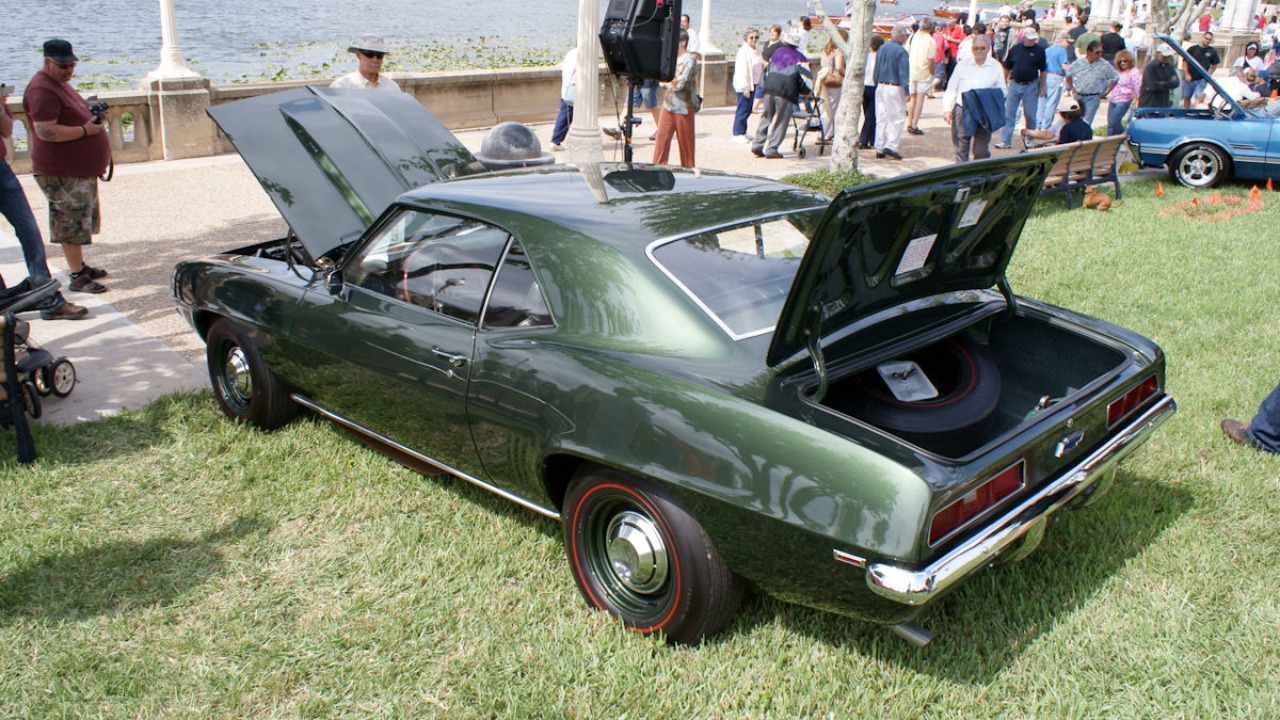
The 1969 Chevrolet COPO Camaro is a legendary muscle car that defied conventional ordering processes, garnering a unique place in automotive history. Designed for performance and racing, this vehicle’s existence outside normal ordering rules sparked a revolution in the American muscle car market.
The Birth of the COPO Program
The Central Office Production Order (COPO) program emerged from Chevrolet’s desire to meet the growing demand for high-performance vehicles. Launched in the late 1960s, COPO was designed to allow dealers to order vehicles with specific, non-standard features directly from the factory. This program was a response to the increasing popularity of muscle cars among racing enthusiasts and the need for Chevrolet to provide a more tailored approach to meet these demands.
Key figures in the development of the COPO Camaro included Chevrolet executive Vince Piggins and various dealership owners who recognized the potential for a special-order Camaro that could dominate the drag strip. The initial goals centered around allowing dealerships to cater to local racing markets by providing them with vehicles equipped with powerful engines and performance modifications, effectively bypassing the standard ordering system.
Unique Ordering Process
Ordering a COPO Camaro was a distinct process that set it apart from the typical muscle cars of the era. Instead of relying on the standard dealer inventory, customers could place special orders through specific dealership channels. This unconventional method allowed for greater flexibility, enabling buyers to request powerful engine options and factory-installed modifications that were not available through regular ordering procedures.
The modifications that came with the COPO Camaro significantly enhanced its performance capabilities. For instance, the infamous 427 cubic inch big-block V8 engine was a hallmark of the COPO program, providing a level of horsepower and torque that was unmatched by many competitors. The ability to customize vehicle specifications directly from the factory made the COPO Camaro a standout choice for serious racers and enthusiasts, creating a sense of exclusivity that other muscle cars couldn’t match.
Performance Features of the COPO Camaro
The performance features of the 1969 COPO Camaro are what truly solidified its status in the automotive world. The available engine options were designed for serious power, with the 427 cubic inch big-block V8 being the most iconic choice. This engine produced a staggering 425 horsepower, allowing the COPO Camaro to reach impressive quarter-mile times, often finishing in the mid-11 second range on the drag strip.
Beyond the engine, the COPO Camaro was equipped with performance-oriented suspension and drivetrain features that contributed to its racing capabilities. The vehicle was fitted with heavy-duty components, including a specific rear axle ratio designed for quick acceleration and improved traction. The combination of these aspects made the COPO Camaro not just a car for the street but a formidable contender on the racetrack. Its performance metrics continually placed it ahead of competitors like the Ford Mustang and Pontiac GTO.
The Impact on the Muscle Car Scene
The introduction of the COPO Camaro had a profound impact on the muscle car market and the broader racing community. By providing a way for dealerships to offer factory-modified vehicles, Chevrolet set a new standard for what a muscle car could be. The COPO program allowed car enthusiasts to access vehicles that were tailored to their specific needs, fostering a closer relationship between manufacturers and consumers.
The legacy of the COPO Camaro continues to resonate within car culture today. It is revered among collectors and enthusiasts, often commanding high prices at auctions and car shows. The significance of the COPO Camaro extends beyond its performance; it represents a shift in the automotive landscape where customer preferences began to drive production. The success of this program paved the way for future special-order vehicles, influencing how manufacturers respond to niche markets.
Challenges and Controversies
Despite its success, the COPO Camaro faced skepticism from both consumers and dealers when it was first introduced. Many potential buyers were unsure about the unconventional ordering system and the reliability of a factory-modified vehicle. This skepticism was compounded by concerns about warranty coverage and the perception of the COPO as a racing-only vehicle, which may have alienated some traditional buyers.
Legal and regulatory challenges also loomed over Chevrolet as they promoted the COPO Camaro. The rise of emissions regulations and safety standards in the early 1970s created a complex landscape for automotive manufacturers. As the muscle car era began to fade, Chevrolet had to navigate these changing regulations while trying to maintain the appeal of the COPO Camaro. The impact of these automotive regulations ultimately influenced the production numbers and legacy of the COPO Camaro.
Modern Legacy and Collectibility
Today, the 1969 COPO Camaro is a highly sought-after collectible among classic car enthusiasts. Its rarity and performance pedigree have driven prices to astonishing heights, with some models fetching six figures at auctions. The car’s unique history and the story behind its production continue to captivate collectors and historians alike, ensuring that the COPO Camaro remains a significant part of automotive history.
Automotive shows and exhibitions often feature the COPO Camaro, celebrating its contributions to the muscle car genre. Events such as the Muscle Car and Corvette Nationals showcase these vehicles, highlighting their engineering and performance achievements. The COPO legacy also influences modern muscle cars, inspiring manufacturers to consider special-order programs that cater to the desires of performance-oriented consumers.
The story of the 1969 Chevrolet COPO Camaro is one of innovation, performance, and a daring departure from conventional practices in the automotive industry. Its existence outside the normal ordering rules not only revolutionized the muscle car market but also set a precedent for future vehicles that would seek to capture the hearts of racing enthusiasts and collectors alike. For those interested in diving deeper, resources such as automotive history articles and books like Chevrolet COPO Camaro histories provide further insight into this extraordinary vehicle.
More from Fast Lane Only
- Unboxing the WWII Jeep in a Crate
- 15 rare Chevys collectors are quietly buying
- 10 underrated V8s still worth hunting down
- Police notice this before you even roll window down
*Research for this article included AI assistance, with all final content reviewed by human editors.