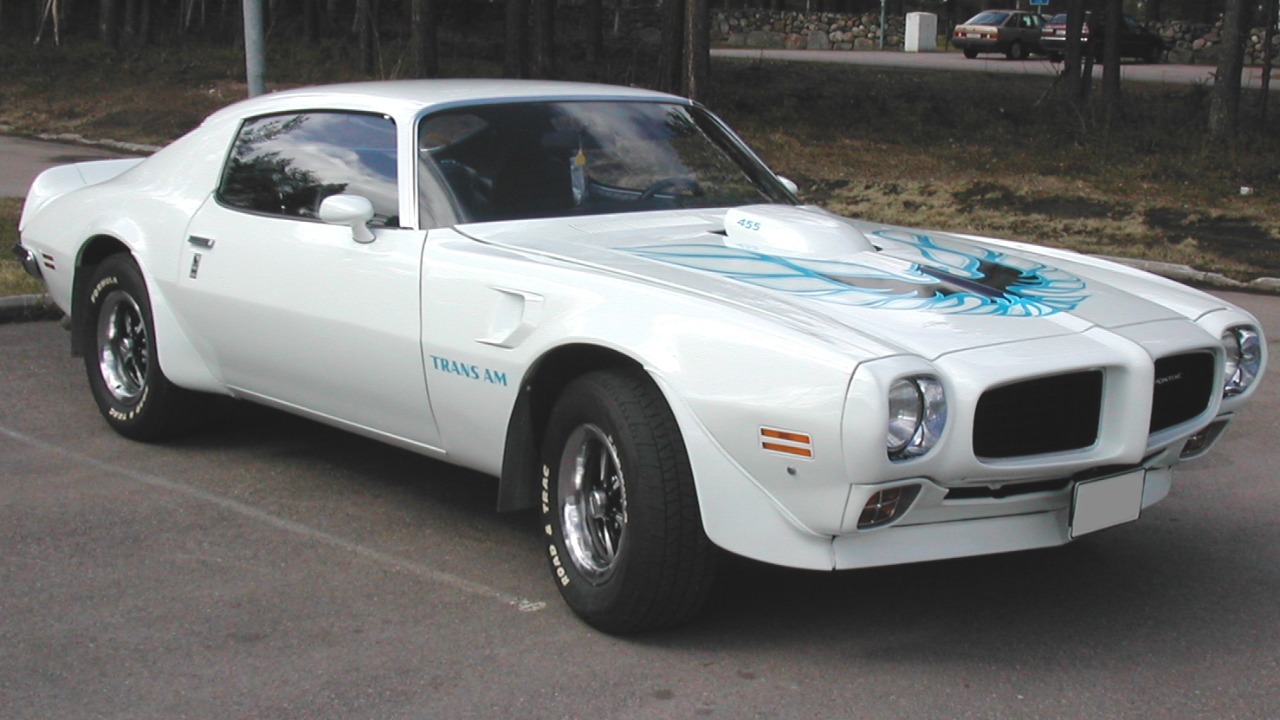
The 1973 Pontiac Trans Am is often hailed as a pivotal model in the evolution of performance car design, blending powerful engineering with striking aesthetics. Its innovations not only set new standards for muscle cars but also influenced the automotive industry for decades to come.
Historical Context of the 1973 Trans Am
The early 1970s were a tumultuous time for the automotive industry, marked by significant changes in consumer preferences and regulatory pressures. The introduction of stricter emissions regulations and the oil crisis of 1973 forced manufacturers to rethink their approach to performance vehicles. Traditional muscle cars faced scrutiny as fuel prices soared and environmental awareness began to take root. In this climate, the 1973 Pontiac Trans Am emerged as a model that balanced power and compliance, reflecting a broader shift in the automotive landscape.
The 1973 model was part of the second generation of the Pontiac Firebird lineup, which had been initially launched in 1967. The Trans Am variant was introduced in 1969, but the 1973 version represented a crucial intersection of legacy and innovation. While it maintained the aggressive styling and performance ethos of its predecessors, it also adapted to the changing market dynamics. The design continuity from earlier models ensured that the Trans Am retained its identity while evolving to meet new demands.
Culturally, muscle cars were emblematic of American identity, embodying freedom, power, and the spirit of the open road. This era saw muscle cars featured prominently in films, songs, and advertisements, capturing the imagination of the public. The Trans Am, with its bold aesthetics and performance capabilities, became a symbol of this cultural phenomenon, resonating with a generation that valued both speed and style.
Design Innovations
The 1973 Pontiac Trans Am introduced several design innovations that would leave a lasting impact on performance car aesthetics. One of the most recognizable features was the “screaming chicken” hood decal, a bold graphic that not only enhanced the car’s visual appeal but also contributed to its unique identity. This emblematic design element became synonymous with the Trans Am brand and set it apart from competitors. The decal’s prominence on the hood served as a statement of power and performance, establishing a visual language that resonated with enthusiasts.
Moreover, the streamlined body design of the 1973 Trans Am played a vital role in enhancing both aerodynamics and performance. The sleek lines and muscular stance of the vehicle were not merely for show; they contributed to improved airflow, reducing drag and increasing stability at higher speeds. Pontiac’s focus on both form and function showcased a commitment to engineering excellence, making the Trans Am a standout in the crowded muscle car market.
The introduction of bold color options and custom features further distinguished the Trans Am from its rivals. Buyers could choose from an array of vibrant hues, allowing for personalization that appealed to a diverse customer base. The combination of striking visuals and powerful performance created a package that was difficult to resist, ensuring the Trans Am’s place in automotive history.
Performance Upgrades
The performance capabilities of the 1973 Trans Am were significant, with several engine options available that catered to various driving preferences. Most notably, the introduction of the 455 cubic inch V8 engine marked a turning point in the model’s performance pedigree. This powerful engine offered impressive horsepower and torque, making the Trans Am a formidable competitor on the road. The addition of this engine option demonstrated Pontiac’s commitment to maintaining the muscle car’s performance legacy, even in the face of regulatory challenges.
In addition to engine upgrades, the 1973 Trans Am featured substantial improvements to its suspension system. These enhancements resulted in better handling and ride quality, allowing drivers to navigate corners with greater confidence. The modified suspension setup provided a more responsive driving experience, which was particularly appreciated by enthusiasts who valued precision and control behind the wheel.
Safety also became a priority with the introduction of innovations in braking systems. The incorporation of larger disc brakes, along with advancements in brake technology, contributed to improved stopping power and overall safety. These changes not only elevated the driving experience but also aligned with the increasing emphasis on safety in the automotive industry, ensuring that the Trans Am remained competitive in a changing landscape.
Influence on Subsequent Models
The legacy of the 1973 Trans Am extended far beyond its production years, setting the stage for future performance models within the Pontiac lineup. Its unique blend of style and performance established benchmarks that subsequent models would strive to meet. The innovations introduced in the 1973 version influenced the design ethos of future iterations, ensuring that the Trans Am remained relevant as automotive technology advanced.
Moreover, the impact of the Trans Am was not limited to its own brand; it played a significant role in shaping the design and performance characteristics of other American muscle cars that followed. Rivals like the Ford Mustang and Chevrolet Camaro took note of the Trans Am’s success, leading to an arms race of sorts in the muscle car market. This competitive environment fostered a culture of innovation, pushing manufacturers to continually raise the bar in terms of performance and design.
The lasting legacy of the 1973 Trans Am can also be seen in the resurgence of muscle cars in the 1980s and beyond. As nostalgia for classic American cars grew, the influence of the Trans Am was evident in the design of modern performance vehicles. Its blend of power, aesthetics, and cultural significance continues to resonate with enthusiasts, solidifying its place in automotive history.
Marketing and Pop Culture Impact
The marketing strategies employed for the 1973 Trans Am were pivotal in establishing its iconic status. Pontiac leveraged celebrity endorsements and film appearances to create a lasting impression on the public. One of the most notable examples is the car’s starring role in the film “Smokey and the Bandit,” where it was portrayed as a symbol of rebellion and freedom. This exposure not only elevated the Trans Am’s profile but also ingrained it into the fabric of American pop culture.
The car’s presence in movies and television during the 1970s and 1980s solidified its image as an aspirational vehicle. Advertisements often highlighted its performance capabilities and distinctive design, appealing to consumers’ desires for speed and style. The Trans Am’s association with a carefree lifestyle and high-octane adventures captured the imagination of a generation, making it a cultural icon that transcended the automotive realm.
Beyond film, the Trans Am also found its way into music and other media, further enhancing its cultural significance. Songs that referenced the car or celebrated its spirit contributed to its mythology, creating a lasting connection between the vehicle and the era’s youth culture. This multifaceted presence in pop culture ensured that the Trans Am was not just a car but a symbol of an entire lifestyle.
Collector’s Market and Restoration
In recent years, the 1973 Pontiac Trans Am has emerged as a sought-after collector’s item, with enthusiasts and investors alike recognizing its significance in automotive history. Its unique combination of performance, design, and cultural impact has made it a valuable asset in the classic car market. As a result, collectors are often willing to pay a premium for well-preserved models, further solidifying the Trans Am’s status in the automotive community.
Restoring a 1973 Trans Am can be both a rewarding and challenging endeavor. Enthusiasts often face difficulties in sourcing original parts, as many components are no longer in production. However, the growth of aftermarket support has made it easier for restorers to find quality replacements and enhancements. This vibrant community of enthusiasts plays a crucial role in preserving the legacy of the 1973 model, sharing knowledge and resources to ensure that these iconic vehicles continue to thrive.
The passion for the Trans Am extends beyond mere ownership; it fosters a sense of camaraderie among collectors and restorers. Car shows, clubs, and online forums allow enthusiasts to connect, share their experiences, and celebrate their love for this iconic vehicle. The collective effort to preserve the 1973 Pontiac Trans Am ensures that its legacy endures for future generations.
Environmental and Regulatory Considerations
The introduction of the 1973 Trans Am coincided with a growing awareness of environmental regulations that began to affect the automotive industry. The model was designed to adapt to the stringent emissions standards that were emerging during this era. Pontiac’s engineers worked to strike a balance between maintaining the performance characteristics that enthusiasts craved and ensuring compliance with regulatory requirements. This balancing act was critical to the Trans Am’s continued success in a changing landscape.
Despite the challenges posed by emissions regulations, the 1973 Trans Am managed to maintain its performance edge through innovative engineering solutions. The incorporation of technologies aimed at reducing emissions without sacrificing power illustrated Pontiac’s commitment to adapting to the evolving automotive landscape. This adaptability not only helped the Trans Am to stay relevant but also laid the groundwork for future designs that would prioritize both efficiency and performance.
Ultimately, the impact of the 1973 Trans Am on future designs around efficiency and performance cannot be overstated. It served as a catalyst for change within the industry, demonstrating that high-performance vehicles could also embrace environmentally responsible practices. The lessons learned from the 1973 model continue to influence automakers today as they navigate the complexities of modern regulations and consumer expectations.
Conclusion of the Legacy
The 1973 Pontiac Trans Am made significant contributions to performance car design, setting standards that would influence the automotive industry for years to come. Its innovations in design, performance, and marketing not only solidified its place in automotive history but also captured the spirit of an era. The Trans Am’s enduring allure among car enthusiasts and collectors today is a testament to its lasting impact on automotive culture.
Reflecting on the legacy of the 1973 model reveals its role as a pioneer in the performance car market. The blend of power, style, and cultural significance created a vehicle that continues to inspire passion and admiration. As automotive technology continues to evolve, the influence of the Trans Am will remain a touchstone for enthusiasts who appreciate the intersection of performance and design.
More from Fast Lane Only