Some cars become icons not simply because they sold well, but because they perfectly reflected the spirit of the time in which they were built. Whether celebrating performance, luxury, practicality, or bold styling, these vehicles embodied the priorities and aspirations of their generation. Long after production ended, they continue reminding enthusiasts why certain periods remain among the most celebrated chapters in automotive history.
Ford Model A

The Ford Model A represented a new chapter in American transportation by offering improved comfort, styling, and performance over its famous predecessor. It arrived at a time when more families were embracing personal mobility and exploring the growing road network. Owners appreciated its reliability and accessibility, while its attractive design made car ownership feel exciting. The Model A perfectly reflected an era defined by optimism, expanding opportunity, and rapidly evolving automotive technology.
Cadillac Eldorado Biarritz (1959)
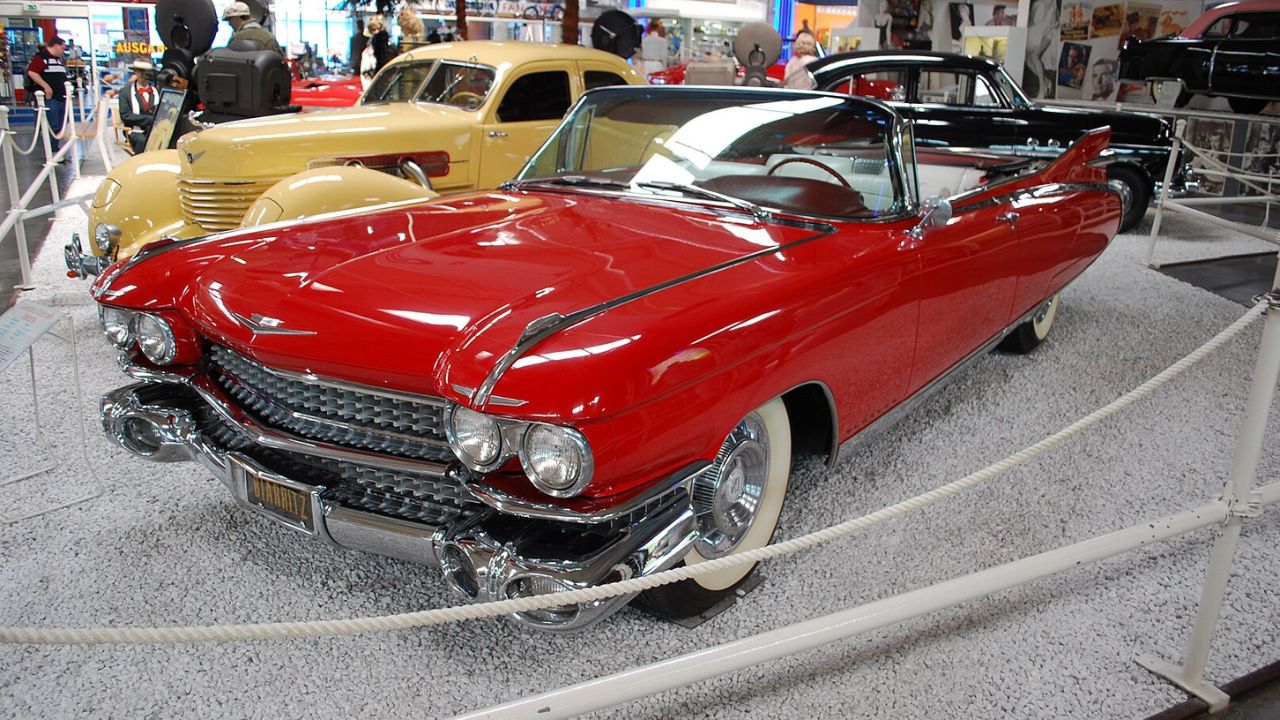
The 1959 Cadillac Eldorado Biarritz embodied America’s fascination with bold styling and postwar prosperity. Towering tailfins, abundant chrome, and luxurious appointments reflected a period when bigger and more dramatic often meant better. Owners enjoyed driving a car that made an unmistakable statement wherever it appeared. Even today, the Eldorado Biarritz remains one of the strongest visual symbols of the optimism and confidence that defined late-1950s American automotive design.
Volkswagen Beetle
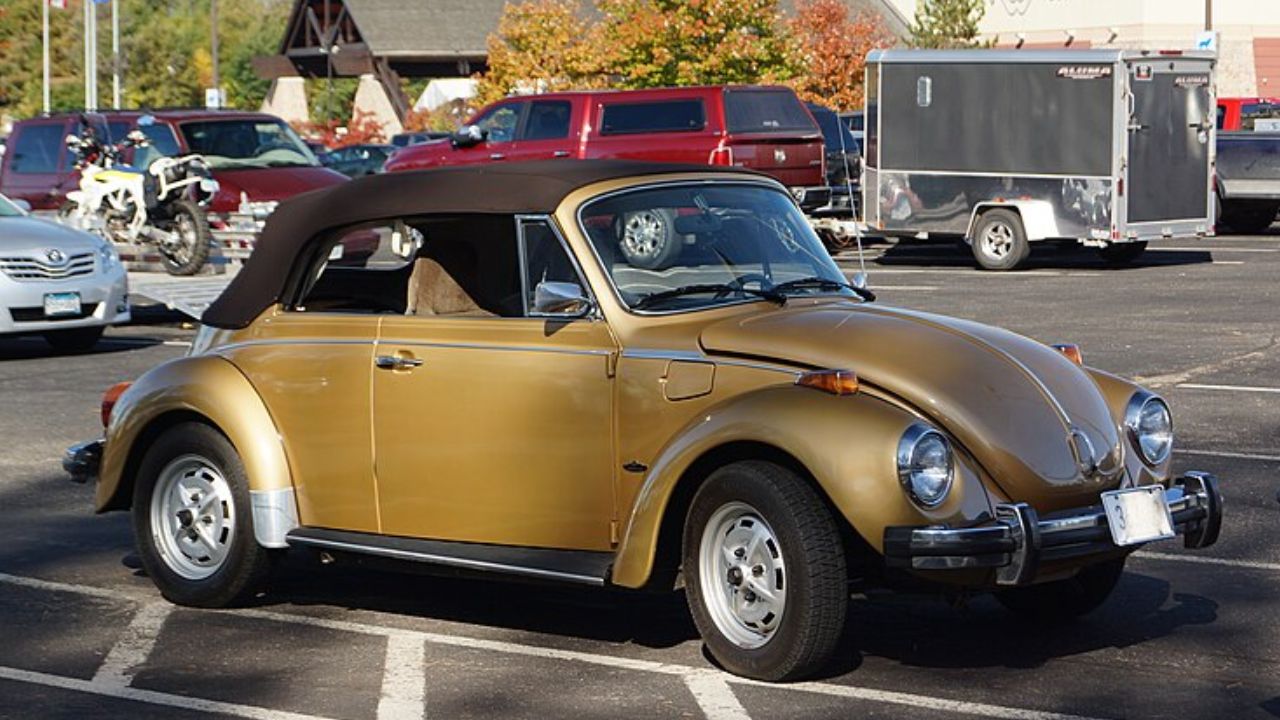
The Volkswagen Beetle captured the growing demand for affordable, dependable transportation during the decades following World War II. Its simple engineering, distinctive shape, and economical operation appealed to families around the world. Later, it also became associated with individuality and counterculture movements during the 1960s. Few automobiles adapted so naturally to changing generations while maintaining their original character, helping the Beetle become one of history’s most beloved and recognizable cars.
Chevrolet Bel Air (1957)
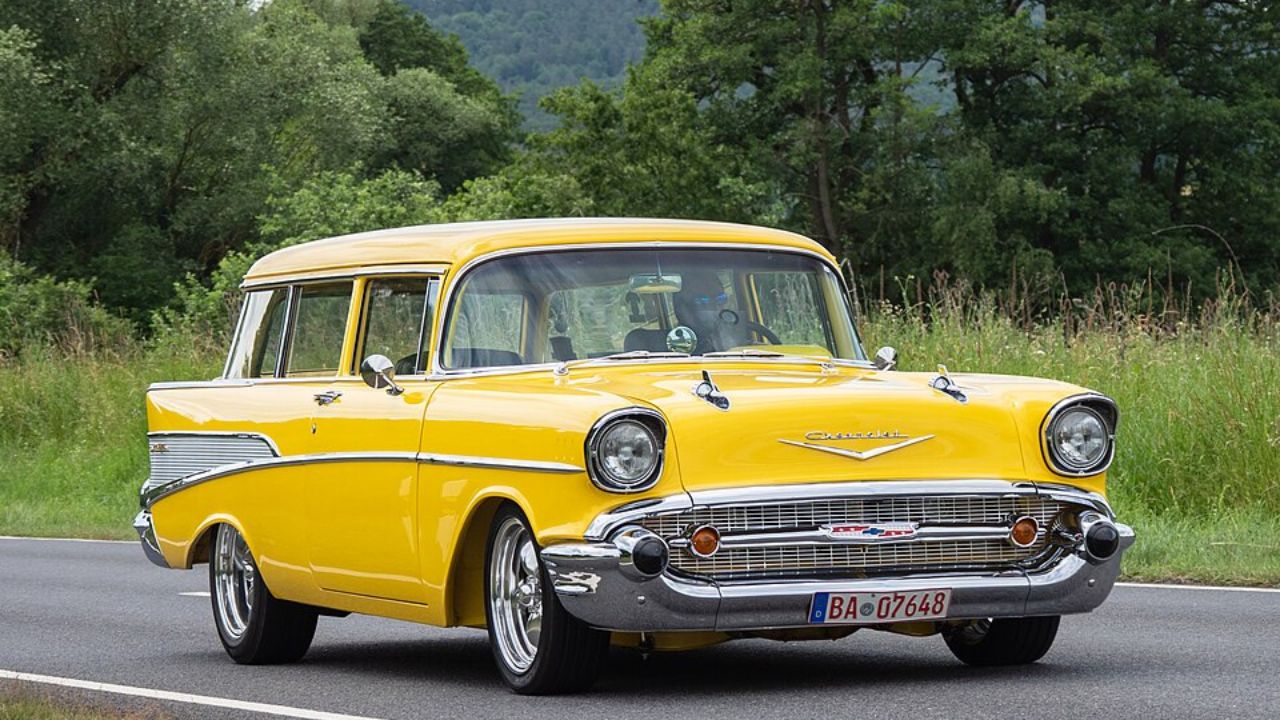
The 1957 Chevrolet Bel Air reflected the excitement of an era when styling and innovation captured buyers’ imaginations. Its sweeping chrome trim, dramatic tailfins, and available V8 engines made it one of the most desirable family cars of its time. Owners appreciated that it combined everyday practicality with unmistakable visual appeal. More than six decades later, the Bel Air continues representing the energy and optimism of 1950s American automotive culture.
Jaguar E-Type
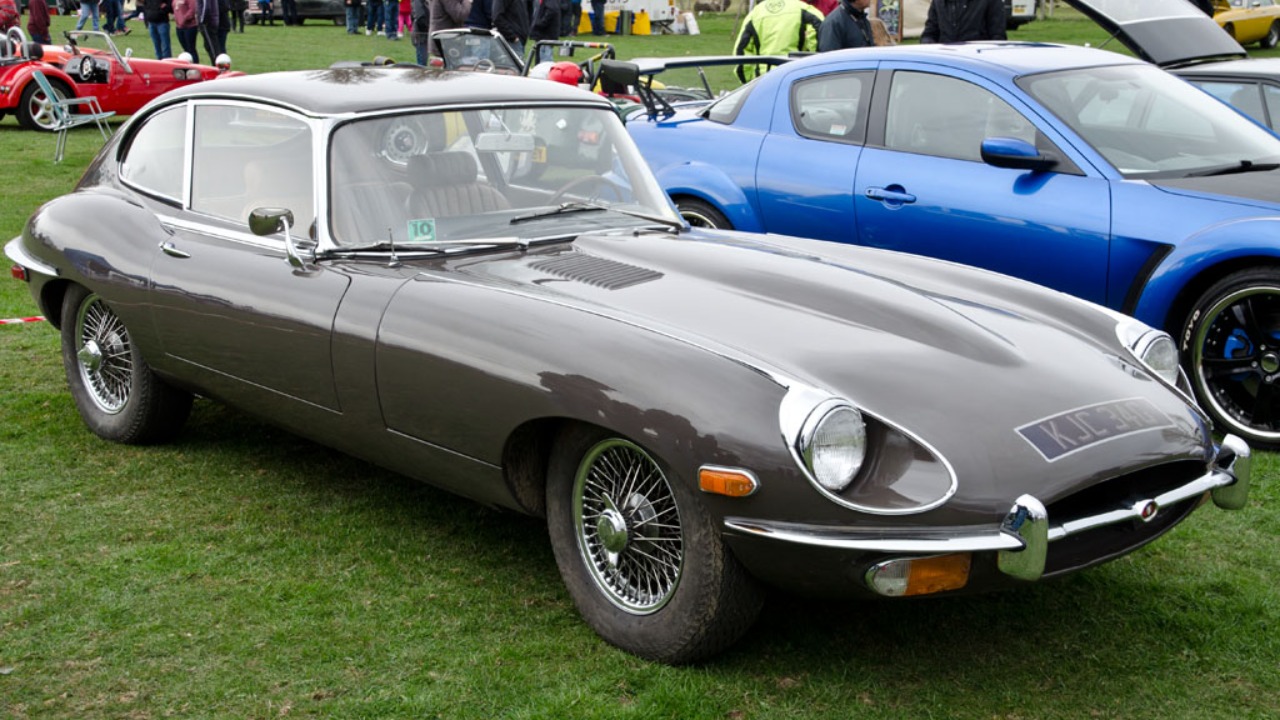
The Jaguar E-Type perfectly captured the excitement surrounding high-performance sports cars during the 1960s. Its breathtaking proportions, advanced engineering, and impressive speed made it an object of admiration around the world. Enthusiasts viewed it as proof that elegance and performance could exist together without compromise. The E-Type became a defining symbol of an era when automotive design reached extraordinary artistic and technical heights, ensuring its influence continues today.
Pontiac GTO (1966)
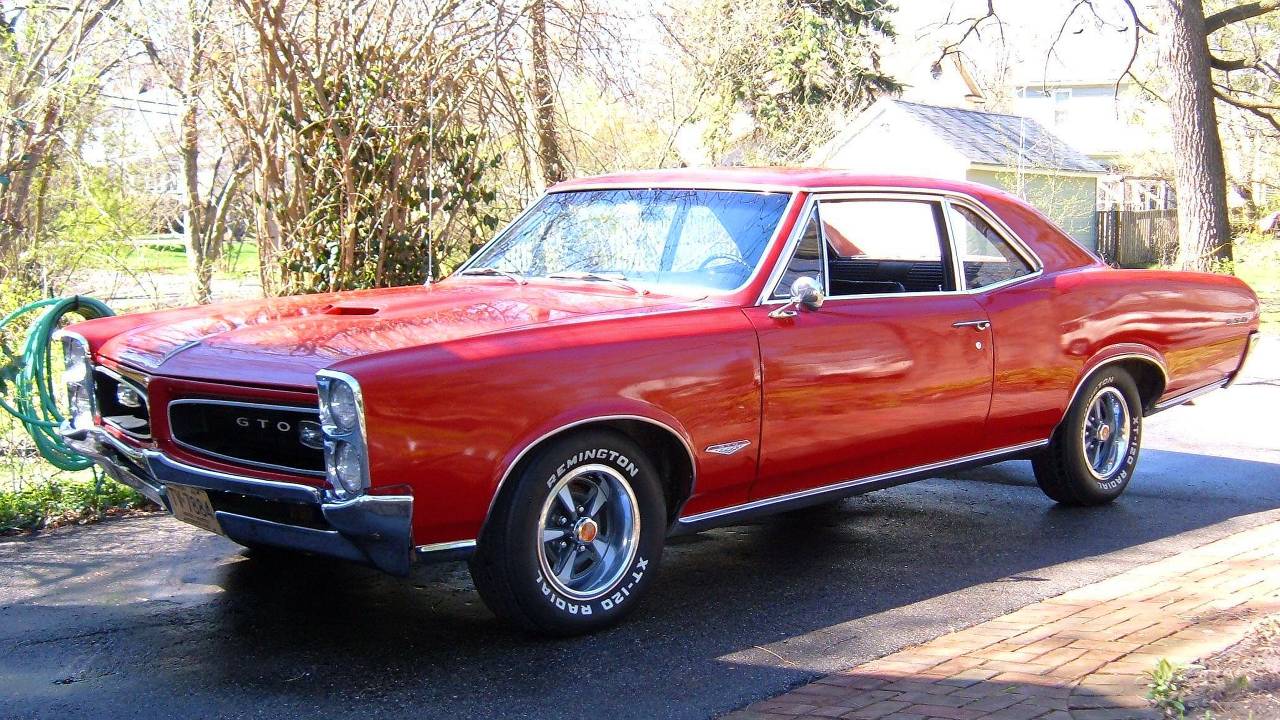
The 1966 Pontiac GTO embodied the muscle car boom that swept across America during the 1960s. Combining a powerful V8 with midsize practicality, it offered thrilling performance without requiring an exotic sports car budget. Owners embraced its straightforward formula and unmistakable personality. The GTO captured a generation’s enthusiasm for affordable speed, helping establish a movement that would permanently shape American automotive history and inspire countless performance models afterward.
Datsun 240Z
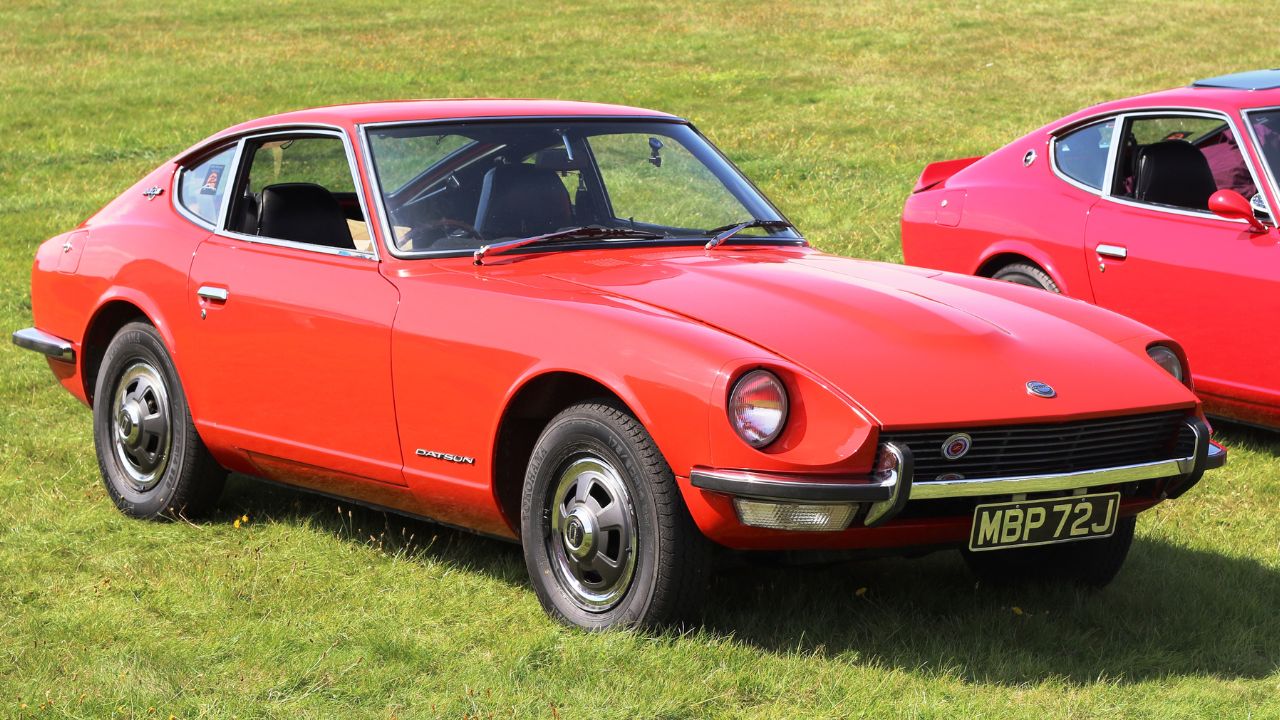
The Datsun 240Z reflected a changing sports car market by offering attractive styling, engaging performance, and dependable engineering at an attainable price. Buyers no longer had to sacrifice reliability to enjoy spirited driving. Owners appreciated its balanced handling and everyday usability, while enthusiasts admired its value. The 240Z captured a moment when Japanese manufacturers began reshaping global automotive expectations through quality, affordability, and thoughtful engineering.
Mercedes-Benz W126 S-Class
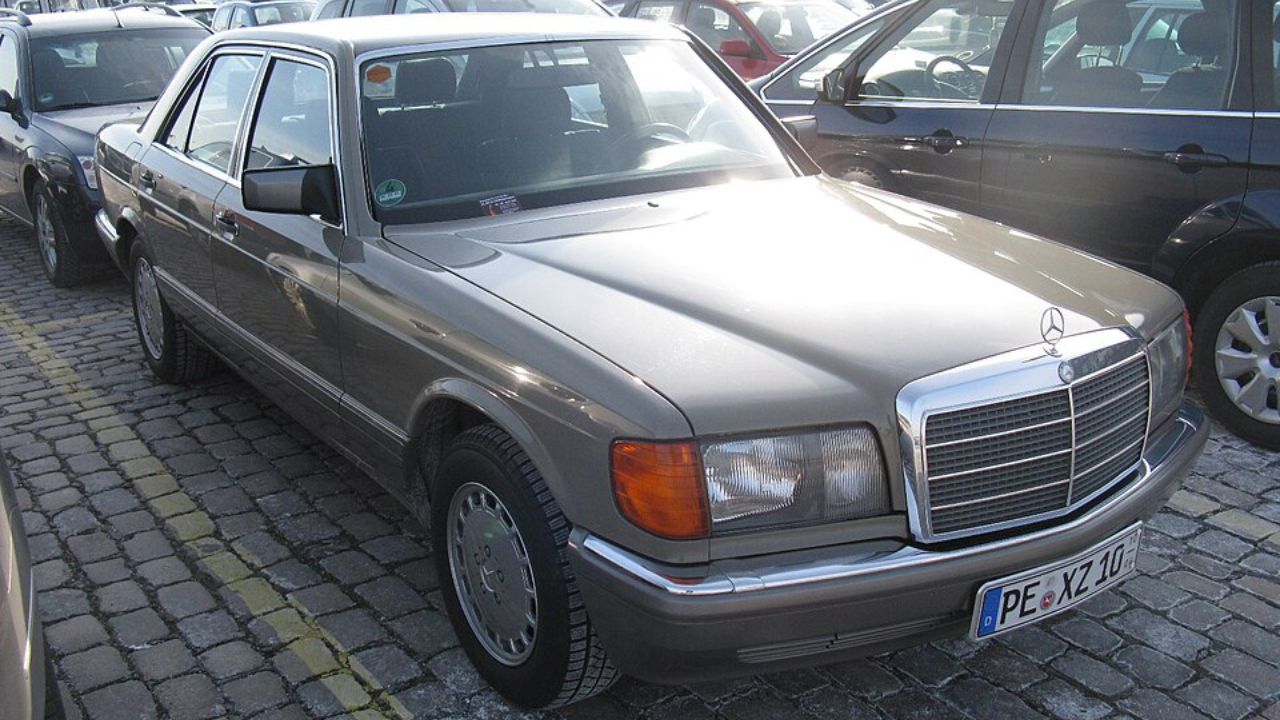
The Mercedes-Benz W126 S-Class represented an era when engineering excellence defined luxury. Rather than relying on extravagant displays, it emphasized comfort, safety, durability, and refinement. Owners appreciated the confidence that came from driving a sedan built with remarkable attention to detail. Its understated elegance reflected the priorities of executive buyers during the 1980s, helping establish the W126 as one of the most respected luxury cars ever produced.
Jeep Cherokee XJ
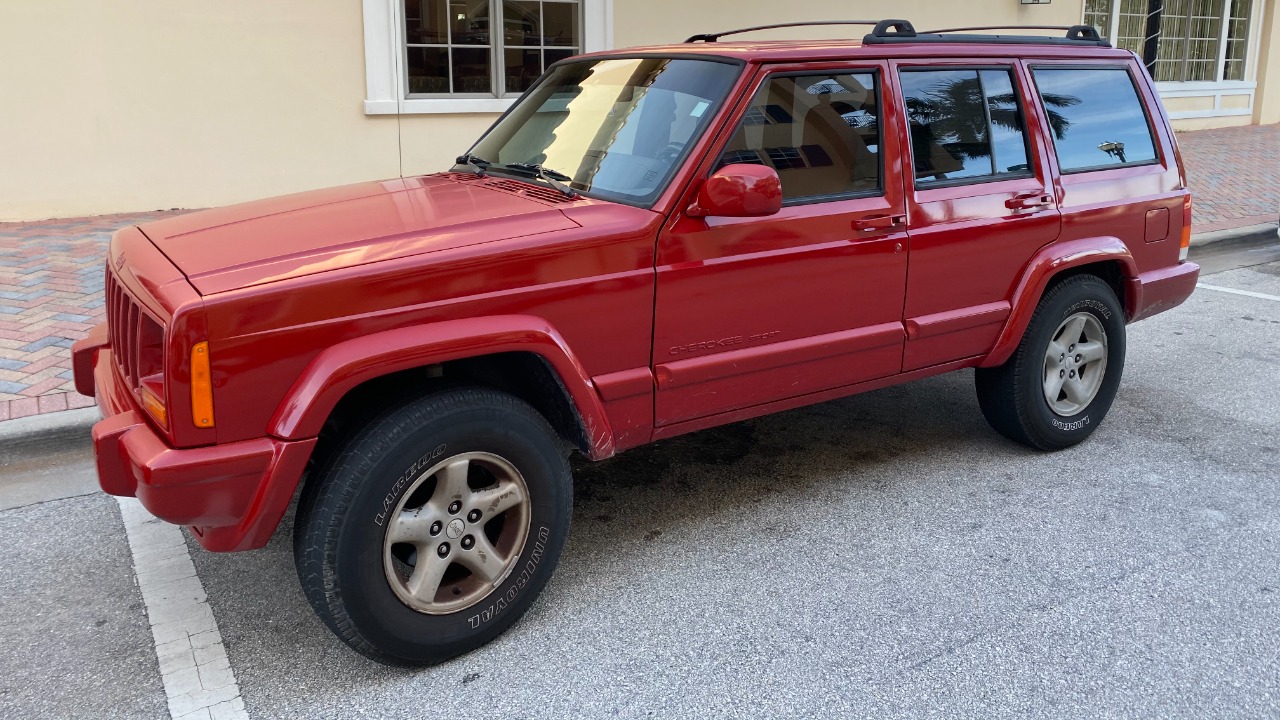
The Jeep Cherokee XJ arrived just as buyers began embracing vehicles that combined everyday practicality with genuine off-road capability. Its unibody construction, compact dimensions, and versatile interior made it suitable for commuting as well as outdoor adventures. Owners valued its adaptability, helping redefine expectations for sport utility vehicles. The Cherokee perfectly captured a growing desire for vehicles capable of handling both daily responsibilities and weekend exploration.
Mazda MX-5 Miata (NA)

The original Mazda MX-5 Miata celebrated the return of lightweight, driver-focused sports cars at a time when many believed the segment had disappeared. Owners immediately appreciated its balanced handling, open-air driving experience, and mechanical simplicity. Rather than chasing excessive horsepower, it focused on pure enjoyment behind the wheel. The Miata reflected a generation’s renewed appreciation for accessible sports cars that emphasized involvement over outright speed.
Ford Mustang GT (Fox Body)
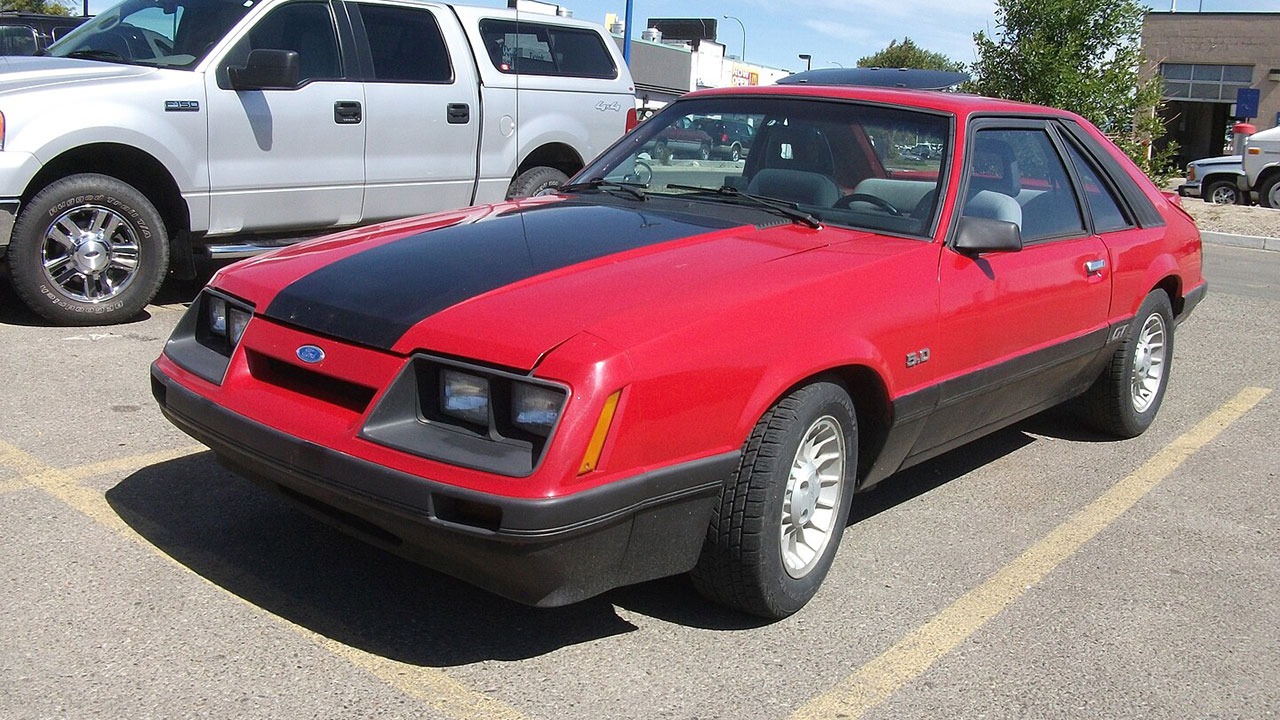
The Fox Body Ford Mustang GT represented affordable V8 performance during the 1980s and early 1990s. Lightweight construction, simple mechanicals, and impressive aftermarket support made it especially popular among younger enthusiasts. Owners enjoyed having a car that was equally capable of daily commuting and weekend performance upgrades. Its lasting popularity reflects an era when accessible American performance remained an important part of automotive culture.
Lexus LS400

The Lexus LS400 captured changing expectations for luxury automobiles by emphasizing refinement, reliability, and precision engineering above traditional prestige. Buyers quickly recognized that exceptional quality could come from a new competitor willing to challenge established brands. Owners appreciated its quiet ride, smooth V8, and remarkable dependability. The LS400 defined a new era in luxury motoring, proving that thoughtful engineering could reshape an entire segment almost overnight.
More from Fast Lane Only
- Unboxing the WWII Jeep in a Crate
- 15 rare Chevys collectors are quietly buying
- 10 underrated V8s still worth hunting down
- Police notice this before you even roll window down
*Research for this article included AI assistance, with all final content reviewed by human editors