The final years of the 1970s were not kind to performance cars, yet the 1979 Chevrolet Camaro managed to leave the decade as a sales powerhouse. While emissions rules, fuel fears, and changing tastes dulled the edge of many muscle nameplates, this Camaro turned constraint into momentum and closed the era at the top of its game. It did so not by chasing pure speed, but by blending style, image, and just enough performance to keep the dream alive for buyers who still wanted a sporty coupe.
By 1979, the Camaro was no longer a niche pony car, it was a mainstream fixture in American driveways. The model-year run topped 282,000 units, a figure that underscored how thoroughly it had adapted to the realities of the late decade. In a market that was supposedly turning its back on thirsty V8s, the Camaro’s mix of familiar proportions and updated flair proved that the right car could still thrive even as the original muscle era faded in the rearview mirror.
The sales peak that defied the malaise years
When I look at the 1979 Camaro’s numbers, the first thing that stands out is how decisively it bucked the narrative of decline. With model-year production reaching 282,000 units, the Camaro did not simply survive the so‑called malaise era, it flourished in it. That volume made the 1979 Chevrolet Camaro the best-selling Camaro of its time, a benchmark that reflected both pent‑up demand for sporty coupes and Chevrolet’s success in repositioning the car as an attainable, everyday performance statement rather than a raw street racer.
Those sales were not happening in a vacuum. By the end of the decade, buyers were juggling inflation, fuel costs, and insurance premiums, yet they still lined up for a Camaro that promised style and attitude even if outright horsepower had been trimmed. The car’s strong production total showed that the Camaro name still carried weight with shoppers who wanted something more expressive than a sedan but more practical than an exotic. In that context, the 1979 model’s dominance was less an anomaly and more a sign that the pony car formula had matured into a broader, more resilient segment anchored by the Chevrolet Camaro.
Design that captured late‑’70s tastes
Sales strength only tells part of the story; the 1979 Camaro also succeeded because it looked exactly like what late‑’70s buyers wanted to be seen in. The long hood, short deck proportions were familiar, but the details leaned into the era’s taste for bold graphics, bright colors, and assertive bodywork. Even critics who considered some hues the “least attractive” admitted that the car’s visual presence was impossible to ignore, and that presence helped turn the Camaro into a rolling billboard for personal style. The fact that such a heavily styled coupe could still move 282,000 units suggests Chevrolet read the room correctly.
Inside, the Camaro leaned into comfort and flair more than stripped‑down performance minimalism. Buyers could dress their cars with plush interiors and convenience features that made the coupe feel less like a weekend toy and more like a daily driver with attitude. That shift in emphasis, from raw speed to a blend of style and livability, helped the 1979 Camaro resonate with a broader audience. It was still a Chevrolet Camaro at heart, but one that acknowledged the decade’s priorities and wrapped them in sheet metal that fit right in with disco lights and mirrored sunglasses.
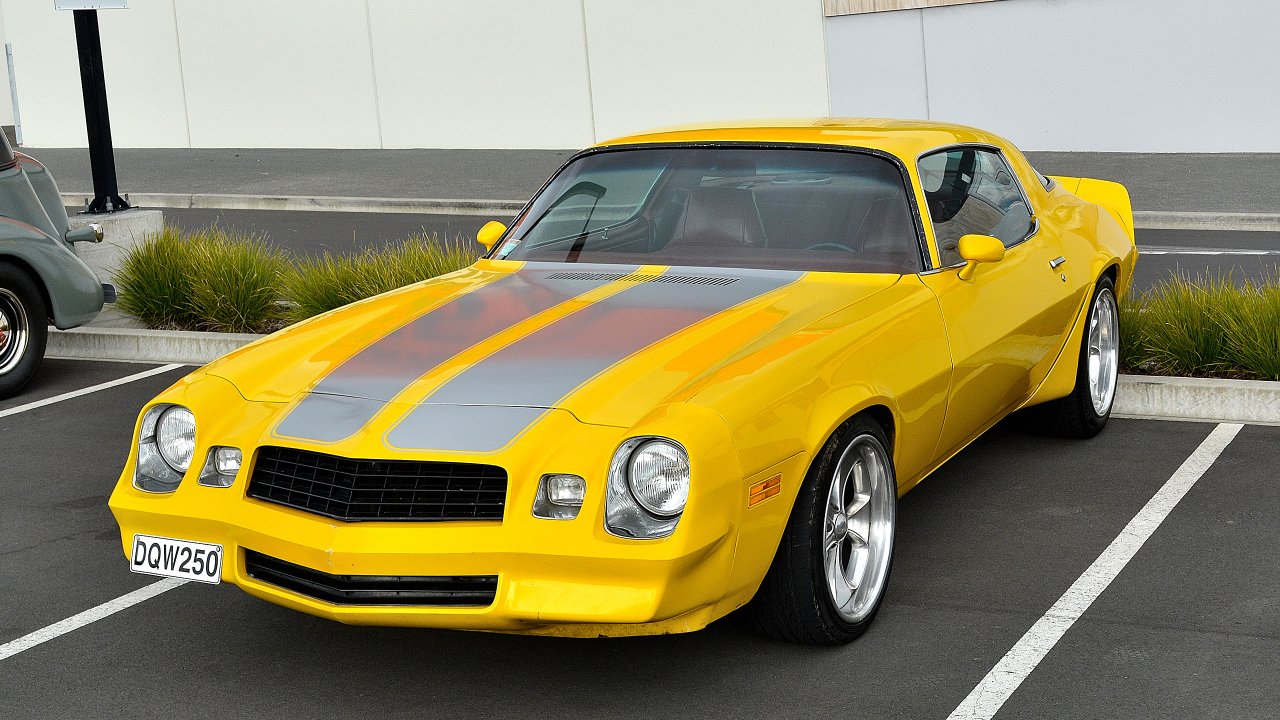
The Z28 and the “Paradise Express” image
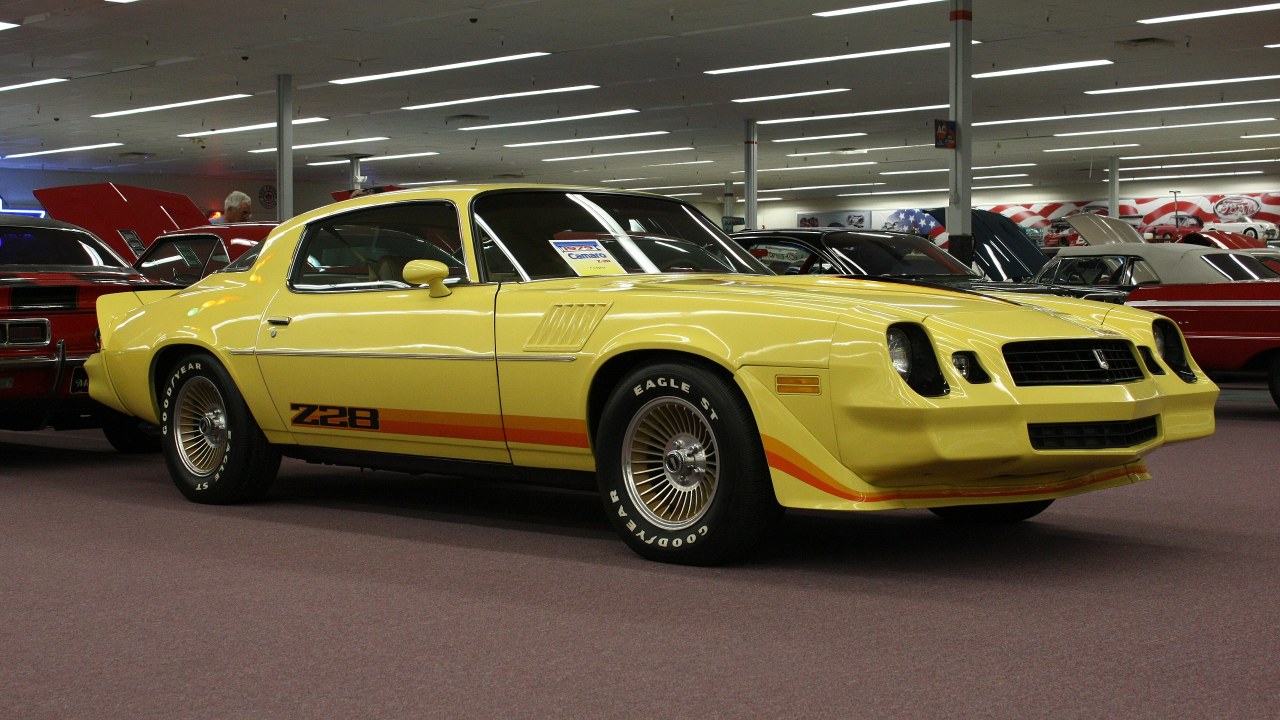
If the standard Camaro carried the sales banner, the Z28 carried the fantasy. In period, enthusiasts gravitated to the 1979 Chevrolet Camaro Z28 as the version that still felt closest to the original performance mission, even if the numbers no longer matched late‑’60s peaks. One memorable example, nicknamed the Paradise Express, captured how owners used graphics, wheels, and stance to push the Z28’s visual drama even further. With its distinctive striping and assertive presence, that car showed how the Z28 badge had evolved into a canvas for personal expression as much as a performance designation.
What struck me about the “Paradise Express” story is how it underlines the Z28’s role as an aspirational object at the end of the decade. Even as the broader Camaro lineup chased volume, the Z28 remained the halo that drew enthusiasts into showrooms and onto cruise nights. The car’s fairly comprehensive appearance package, highlighted in the Paradise Express example, turned every drive into a small performance theater, whether or not the driver ever pushed the car to its limits. That blend of image and capability helped keep the Chevrolet Camaro’s performance reputation alive when raw output alone could not carry the story.
Balancing performance, comfort, and regulation
By 1979, the Camaro had to navigate a thicket of emissions rules and fuel economy expectations that would have been unthinkable a decade earlier. Instead of chasing ever‑higher horsepower, Chevrolet recalibrated the Camaro’s mission toward a more balanced package that could satisfy regulators and buyers at the same time. The result was a car that might not have thrilled quarter‑mile purists, but still delivered enough V8 character to feel special on the road. The production figure of 282,000 units suggests that compromise resonated with a public that wanted both responsibility and fun.
Comfort and usability were just as important to that balance. The Camaro’s evolution into a more refined, better‑equipped coupe made it easier to justify as a primary car rather than a weekend indulgence. That shift did not erase the Chevrolet Camaro’s performance heritage, but it reframed it for a world where daily commuting and long highway trips were as central to ownership as Saturday night stoplight sprints. In that sense, the 1979 model marked a turning point, showing how a once single‑minded pony car could adapt to a more complex automotive landscape without losing its core identity.
How 1979 set the tone for Camaro’s future
Looking back, I see the 1979 Camaro as a bridge between the raw muscle of the late 1960s and the more sophisticated performance cars that would follow. Its success proved that the Camaro name could carry weight even when the spec sheet no longer led the class in brute force. The combination of strong sales, exemplified by those 282,000 units, and enduring enthusiast affection for variants like the Z28 gave Chevrolet a clear mandate to keep refining the formula rather than abandoning it.
The cultural footprint of cars like the Paradise Express also hinted at how important image and personalization would become in later performance eras. Owners were not just buying a Chevrolet Camaro, they were buying a platform for identity, something they could tune visually and mechanically to match their own idea of what a late‑’70s performance car should be. That mindset carried forward into later generations, where special editions, appearance packages, and enthusiast‑driven modifications became central to the Camaro story. In that way, the 1979 model did more than close out a decade, it quietly set the stage for how the nameplate would survive and evolve in the decades to come.
More from Fast Lane Only: