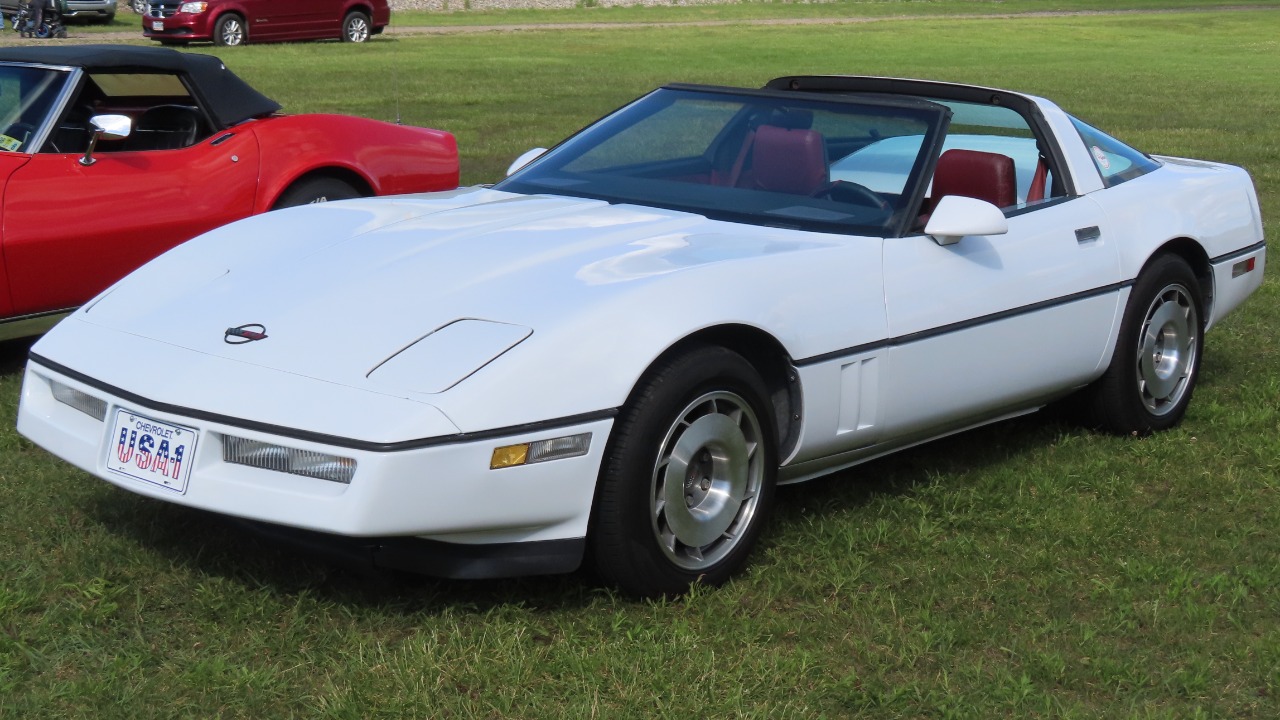
The 1984 Chevrolet Corvette marked a significant turning point in automotive history, representing not just a new model but a comprehensive reimagining of the Corvette brand. Beyond its sleek design and performance specs, this iteration introduced groundbreaking technologies and innovations that reshaped consumer expectations.
Design and Aesthetics
The 1984 Corvette is often celebrated for its remarkable aerodynamic design, which was a substantial departure from the angular lines of its predecessors. With a drag coefficient of just 0.33, it was one of the most aerodynamically efficient cars of its time. The sleek shape not only enhanced the vehicle’s performance but also made a bold statement about what a sports car could look like. The design team, led by chief designer Dave McLellan, focused on creating a car that looked as fast as it could perform, and the result was a modern aesthetic that appealed to both enthusiasts and casual buyers alike.
Inside the cabin, the 1984 Corvette featured significant upgrades that prioritized comfort and driver engagement. The use of higher-quality materials, such as leather and soft-touch plastics, elevated the overall feel of the interior. Additionally, the cockpit was designed with the driver in mind, featuring a layout that provided easy access to controls and a driver-focused dashboard. The integration of advanced audio systems, including cassette players and premium speaker options, further enhanced the driving experience, making it not just a vehicle but a lifestyle statement.
Color and customization options also played a vital role in the 1984 model’s appeal. Buyers could choose from a variety of vibrant colors, including the bold “Bright Red” and “Silver Beige,” which allowed for a degree of personalization that was previously uncommon in sports cars. This emphasis on customization helped the Corvette stand out in a crowded market, catering to a diverse range of tastes and preferences.
Technological Advancements
One of the most groundbreaking features of the 1984 Corvette was the introduction of digital instrumentation. The digital dashboard replaced traditional analog gauges with a high-tech display that provided real-time information about speed, fuel level, and engine performance. This innovation not only revolutionized the way drivers interacted with their vehicles but also set a new standard for driver information systems in the industry. The clarity and precision of the digital readouts were a hit, and they reinforced the Corvette’s image as a forward-thinking sports car.
Under the hood, the Corvette was powered by the new L83 engine, a 5.7-liter V8 that delivered 205 horsepower. This engine was a significant improvement over previous models, offering better performance, fuel efficiency, and compliance with emerging emissions standards. The L83 not only provided a thrilling driving experience but also introduced technologies like electronic fuel injection, which improved throttle response and contributed to better fuel economy—a crucial consideration in the early 1980s when rising gas prices were a major concern for consumers.
Furthermore, advancements in the suspension system played a vital role in enhancing the overall driving experience. The 1984 Corvette featured a sophisticated independent suspension system that improved handling and ride quality. The combination of a lightweight chassis and a well-tuned suspension provided drivers with a sense of control and confidence, making it a joy to navigate both winding roads and straightaways. These improvements helped redefine what performance meant for sports cars of that era.
Market Context and Consumer Reception
The early 1980s were a challenging time for the automotive industry, marked by economic downturns and changing consumer preferences. The Corvette, however, emerged as a beacon of hope within this landscape, offering a blend of style and performance that appealed to a generation looking for excitement. The introduction of the 1984 model came at a time when buyers were increasingly interested in technology and performance, and the Corvette was poised to meet these expectations.
Consumer expectations were shifting dramatically, with buyers becoming more discerning about the features and technologies in their vehicles. They were no longer satisfied with merely good looks; they wanted cutting-edge technology and superior performance. The 1984 Corvette addressed these needs with its digital instrumentation and advanced engine technology, positioning itself as a leader in the sports car market. However, despite these advancements, there was initial skepticism among some buyers who were unsure if the new technologies would deliver on their promises.
Sales performance in the first year of production reflected a mixed reception. The Corvette sold approximately 51,000 units in 1984, which was a solid figure but not as high as anticipated. Some critics pointed to the higher price tag and the radical design changes as reasons for the cautious consumer response. However, as more people experienced the car firsthand, the tide began to turn, and the 1984 model started to gain recognition for its innovations and performance.
Legacy and Impact on the Corvette Brand
The innovations introduced in the 1984 Corvette laid a robust foundation for future models. The emphasis on technology and performance that characterized this model would resonate throughout subsequent generations of the Corvette. For instance, the digital instrumentation system would evolve but remain a hallmark of the brand’s commitment to driver-centric technology. The L83 engine’s advancements paved the way for the development of even more powerful and efficient engines in later models, solidifying the Corvette’s reputation as a performance leader in the automotive world.
The cultural significance of the Corvette as an American icon was further cemented by the 1984 model. It represented a turning point not just for Chevrolet but for the entire automotive industry, showcasing American ingenuity and the ability to adapt to changing consumer demands. As a result, the Corvette transcended its role as a mere sports car and became a symbol of freedom, adventure, and the American spirit. Its influence can still be seen in how modern performance cars are designed and marketed today.
Additionally, the innovations introduced with the 1984 Corvette had a ripple effect on competitors. Other manufacturers began to recognize the importance of incorporating advanced technology and design into their sports cars to remain competitive. This shift in focus contributed to an overall elevation of the sports car segment, pushing all manufacturers to innovate and enhance their offerings.
Understanding the Leap
It’s essential to reevaluate the 1984 Corvette, as its advancements were not fully appreciated at the time of release. Many buyers were focused on the familiar traits of past models, and the leap into new technology and design was met with skepticism. However, over time, the significance of these innovations became clear, illustrating how ahead of its time the 1984 model truly was.
The enduring influence of the 1984 Corvette continues to resonate in today’s automotive landscape. The principles of performance, technology, and design that were established with this model are now standard in modern sports cars. As we reflect on the history of the Corvette, it’s crucial to recognize the pivotal role that the 1984 model played in shaping the trajectory of the brand and the industry at large.
Ultimately, the 1984 Chevrolet Corvette is more than just a car; it is a testament to innovation and a reminder of how far automotive technology has come. Its legacy endures through every modern performance car on the market, encouraging us to appreciate the past while looking forward to the future.
More from Fast Lane Only
- Unboxing the WWII Jeep in a Crate
- 15 rare Chevys collectors are quietly buying
- 10 underrated V8s still worth hunting down
- Police notice this before you even roll window down
*Research for this article included AI assistance, with all final content reviewed by human editors.