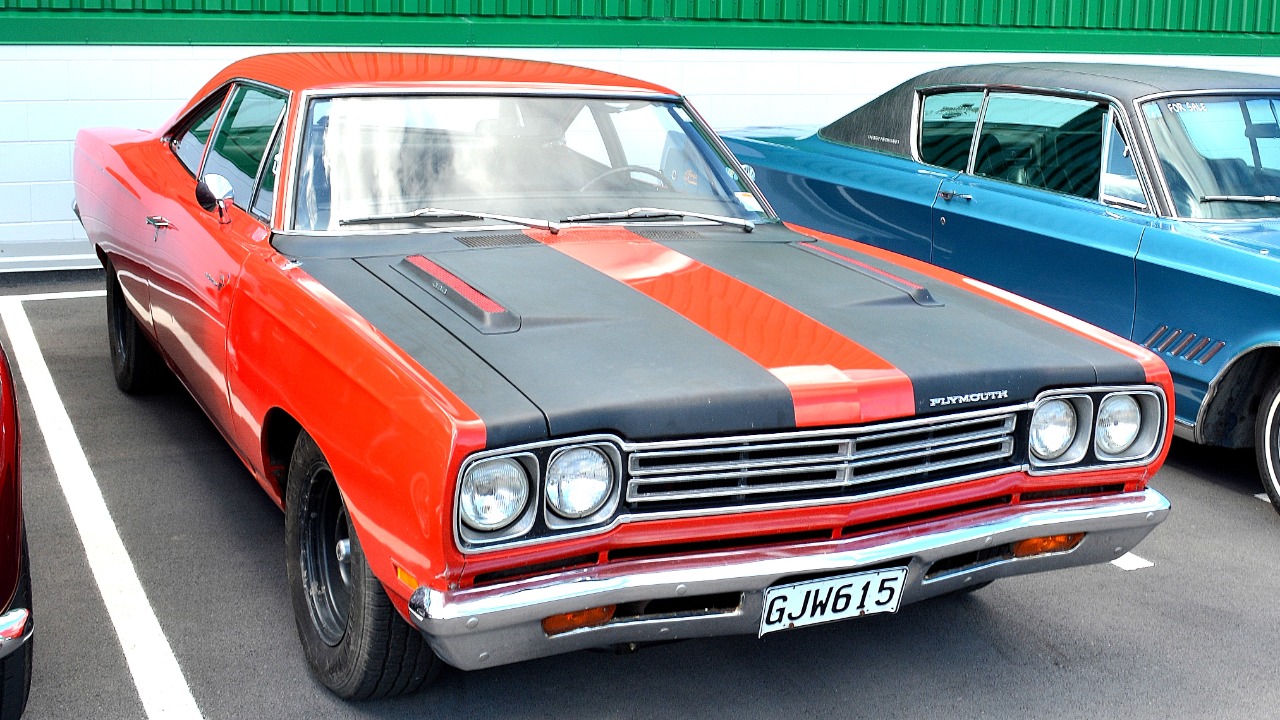
The 1969 Plymouth Road Runner emerged as a game-changer in the muscle car era, making high-performance vehicles more attainable for the average American. With its combination of power, affordability, and iconic design, the Road Runner not only revolutionized the muscle car market but also captured the imagination of enthusiasts and casual drivers alike.
The Birth of the Road Runner
The Road Runner was born out of a desire to create a budget-friendly muscle car that appealed to younger drivers looking for performance without breaking the bank. Plymouth identified a gap in the market, targeting the burgeoning youth demographic that craved speed and style but had limited financial resources. The development process was strategic, focusing on delivering a powerful vehicle at a price point that was accessible compared to its competitors.
Plymouth’s marketing strategy was equally innovative, featuring a playful partnership with Warner Bros. The Road Runner’s connection to the beloved Looney Tunes character not only made it memorable but also positioned it as a fun and youthful choice for potential buyers. The catchy advertising slogan, “The Road Runner is a real blast,” resonated with consumers and helped solidify its place in the muscle car pantheon. By associating the vehicle with the cartoon character’s speed and agility, Plymouth effectively captured the spirit of the times.
Affordability was a cornerstone of the Road Runner’s appeal. Priced significantly lower than many of its contemporaries—often starting around $2,500—this muscle car offered high performance without the exorbitant price tag. The Road Runner’s cost-effective performance, powered by a robust V8 engine, made it possible for more Americans to experience the thrill of driving a muscle car.
Design and Features
The 1969 Road Runner was designed with a distinctive style that set it apart from the crowd. Bold colors like “Plum Crazy” and “Moulin Rouge” made the car visually striking, while its simple lines and unique badging contributed to its appeal. The design was not just about looks; it was also about functionality, emphasizing a sleek and aerodynamic profile that enhanced performance.
Moreover, the Road Runner prioritized functional simplicity over luxury features. The interior was minimalist, focusing on the essentials to reduce weight and improve speed. This approach resonated with car enthusiasts who valued performance over frills. The vehicle was built to be driven hard, with lightweight construction that contributed to its agile handling and impressive acceleration.
Under the hood, the Road Runner offered iconic engine options that catered to a range of driving preferences. The base model featured a 383 cubic inch V8, delivering substantial power, while the high-performance 426 Hemi engine was available for those seeking an adrenaline rush. This diverse engine lineup ensured that both casual drivers and serious speed enthusiasts found a version of the Road Runner that suited their needs.
Cultural Impact and Legacy
The Road Runner quickly became a cultural icon, making appearances in various movies, television shows, and songs throughout the late 1960s. Its inclusion in pop culture solidified its status as more than just a car; it became a symbol of freedom and rebellion. Films like “The Fast and the Furious” series often pay homage to classic muscle cars, and the Road Runner is frequently referenced as an exemplar of that exhilarating era.
A thriving community of enthusiasts also emerged around the Road Runner, leading to the formation of car clubs and events celebrating this iconic vehicle. Car shows across the country often feature a dedicated category for Road Runners, drawing fans and collectors alike. This communal aspect not only helped to preserve the legacy of the Road Runner but also fostered a shared passion among muscle car enthusiasts.
Today, certain models of the Road Runner are considered rare collectibles, with factors like limited production runs and specific configurations significantly impacting their market value. As noted in various collector circles, including discussions on Reddit, pristine examples of the 1969 Road Runner are highly sought after, often fetching impressive prices at auctions.
The Road Runner in Motorsports
The Road Runner’s performance on the track was a testament to its engineering prowess. It found success in various motorsport events, including drag racing, where its powerful engines and lightweight design made it a formidable competitor. The car’s racing pedigree helped to enhance its reputation, demonstrating that it was not just a vehicle for the streets but also a serious contender on the racetrack.
Moreover, the Road Runner influenced future models from Plymouth and other manufacturers in the muscle car segment. The design and specifications set a benchmark for performance vehicles that followed, making it a reference point for automotive innovation. Its competitive edge was evident, as it consistently outperformed several rival muscle cars, solidifying its place in automotive history.
The success of the Road Runner in motorsports also led to a series of special editions and performance upgrades that would define the muscle car landscape for years to come. The combination of speed, style, and affordability continued to resonate with car buyers, inspiring future generations of muscle cars.
Owning a 1969 Plymouth Road Runner Today
For those interested in owning a piece of automotive history, restoring and preserving a classic Road Runner can be a rewarding journey. The current trends in restoration emphasize authenticity, with enthusiasts often seeking to return these vehicles to their original glory. However, the process can come with challenges, such as sourcing rare parts and balancing modern upgrades with classic features.
The market value of the 1969 Road Runner varies significantly based on condition, with restored models often commanding much higher prices than unrestored ones. Factors affecting pricing include engine type, color, and historical significance. As noted in various sources, including Motorious, prices for well-maintained examples can reach the six-figure range, making it essential for potential buyers to do thorough research before making a purchase.
Engaging with the community is an invaluable resource for potential buyers and enthusiasts. Online forums, clubs, and social media groups dedicated to the Road Runner provide a wealth of information, from restoration tips to event announcements. Platforms like Instagram also showcase stunning restorations and modifications, offering inspiration and connection within the Road Runner enthusiast community.
More from Fast Lane Only
- Unboxing the WWII Jeep in a Crate
- 15 rare Chevys collectors are quietly buying
- 10 underrated V8s still worth hunting down
- Police notice this before you even roll window down
*Research for this article included AI assistance, with all final content reviewed by human editors.