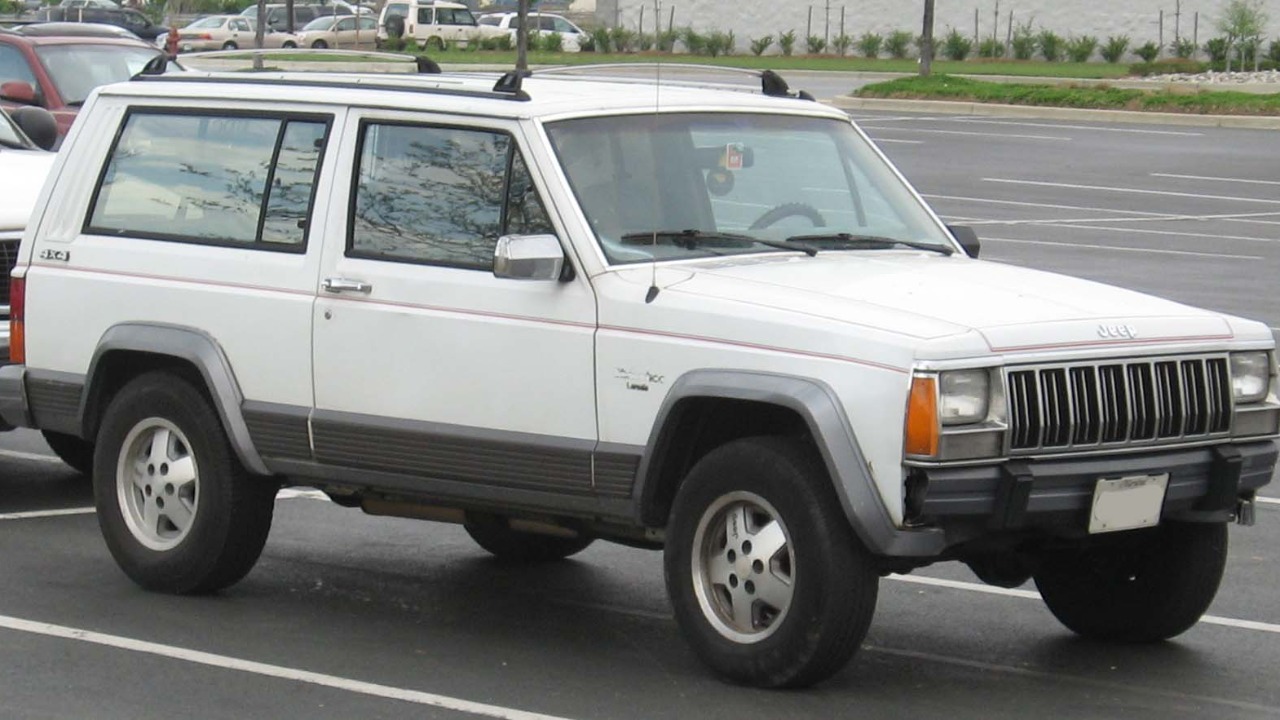
When the 1984 Jeep Cherokee arrived, it was intended to replace an aging model with something more modern and efficient. Few expected it to reshape the entire sport utility vehicle market. By combining compact dimensions, genuine off-road capability, and everyday practicality, the Cherokee introduced a formula that countless manufacturers would later adopt, forever changing how people viewed SUVs.
Jeep Built It for Everyday Drivers
Before the 1984 Cherokee, many sport utility vehicles were essentially pickup trucks with enclosed bodies. They were rugged and capable but often heavy, inefficient, and less comfortable for daily transportation. Jeep wanted to create something different without sacrificing the brand’s legendary off-road reputation.
The new Cherokee featured a unitized body instead of traditional body-on-frame construction, reducing weight while improving ride quality and structural rigidity. Its compact size made it easier to maneuver through cities and suburban neighborhoods, yet it still offered four-wheel drive and impressive trail capability.
Families, commuters, and outdoor enthusiasts quickly realized they could own one vehicle that handled weekday errands as confidently as weekend adventures.
That versatility became the Cherokee’s greatest strength.
Its Practical Design Reached New Buyers
The Cherokee succeeded because it appealed to customers who had never previously considered owning a sport utility vehicle. Four doors made access easier for families, while the roomy cargo area accommodated luggage, sports equipment, and home improvement supplies with ease.
Inside, the cabin felt more refined than many traditional off-road vehicles of the era. Comfortable seating, improved heating and air conditioning, and available convenience features made long trips far more enjoyable than buyers expected from a capable four-wheel-drive vehicle.
Fuel-efficient four-cylinder and six-cylinder engine options also broadened its appeal. Buyers who wanted SUV capability without the operating costs of a full-size truck found the Cherokee especially attractive.
It proved that practicality could coexist with genuine off-road performance.
Other Manufacturers Quickly Took Notice
The Cherokee’s commercial success demonstrated that there was enormous demand for smaller, more versatile SUVs. Automakers that had focused primarily on large truck-based utility vehicles began developing competitors aimed at the growing market.
Over the following years, compact and midsize SUVs became one of the fastest-growing segments in the automotive industry. Manufacturers increasingly emphasized a balance of comfort, fuel efficiency, cargo space, and everyday drivability while retaining enough capability for recreational use.
Many of today’s crossover SUVs also reflect principles first popularized by the Cherokee, including efficient packaging, family-friendly interiors, and vehicles designed primarily for daily life rather than commercial work.
Although competitors introduced their own interpretations, the Cherokee had already shown the industry where consumer demand was headed.
Its Influence Is Still Visible Today
Production of the original XJ Cherokee continued for nearly two decades, an unusually long lifespan that reflected both its popularity and thoughtful engineering. Throughout those years, it remained a favorite among commuters, outdoor enthusiasts, emergency services, and off-road adventurers alike.
Even today, well-maintained Cherokees continue to serve as dependable daily drivers and capable trail vehicles. Their durability, extensive aftermarket support, and timeless design have earned them a loyal following among collectors and off-road enthusiasts.
Perhaps the Cherokee’s greatest achievement was how naturally it fit into everyday life. It never tried to redefine the automotive industry or invent a new category. Instead, it simply offered a practical solution that millions of buyers found irresistible.
Looking back, the 1984 Jeep Cherokee transformed SUVs without trying to because it combined capability, comfort, efficiency, and versatility in a package that arrived at exactly the right moment. Its success established a blueprint that continues to shape modern SUVs more than four decades later.
More from Fast Lane Only
- Unboxing the WWII Jeep in a Crate
- 15 rare Chevys collectors are quietly buying
- 10 underrated V8s still worth hunting down
- Police notice this before you even roll window down
*Research for this article included AI assistance, with all final content reviewed by human editors