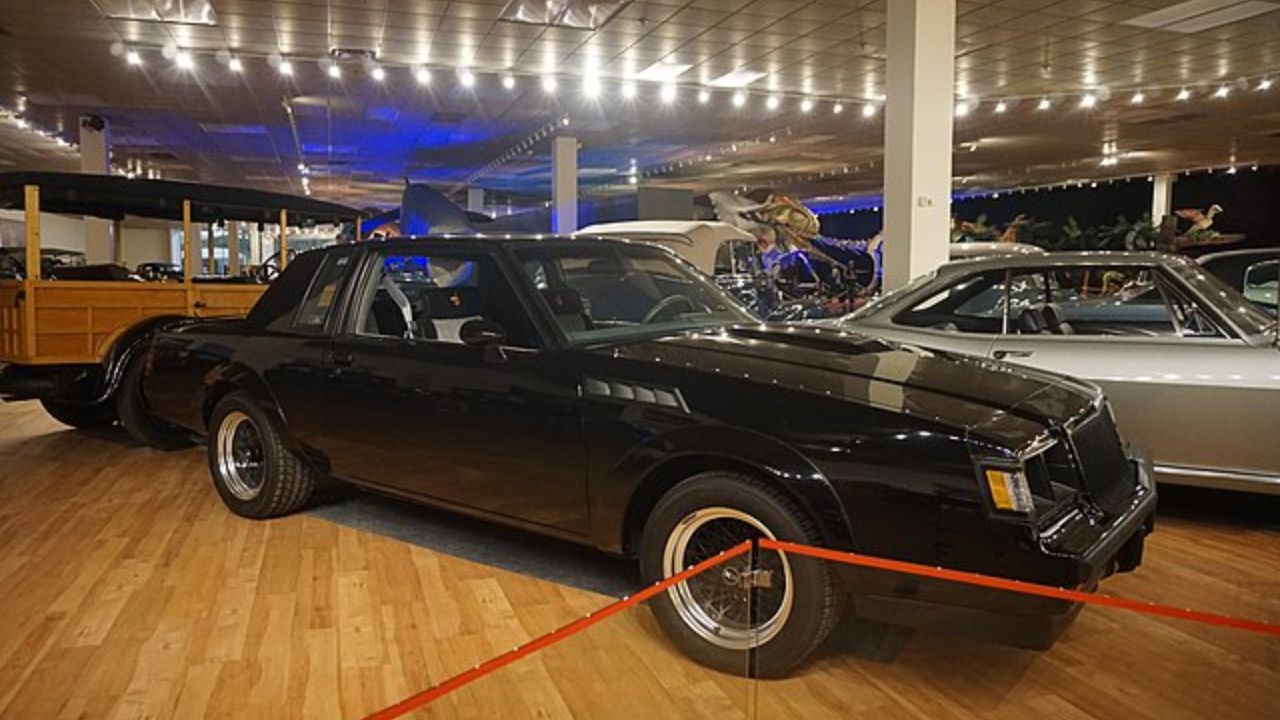
When the 1987 Buick GNX arrived, General Motors intended it to be a limited-production farewell to the rear-wheel-drive Buick Regal. Instead, it became one of the most legendary American performance cars of the 1980s. Its combination of turbocharged power, understated styling, and surprisingly strong performance created a reputation that quickly exceeded GM’s expectations.
It Was Created as a Grand Finale
By the mid-1980s, the Buick Regal platform was nearing the end of its production life. Rather than quietly ending the model, Buick decided to produce a special high-performance version that would celebrate the success of the turbocharged Grand National.
Working with ASC/McLaren, Buick developed the GNX as the ultimate evolution of the Regal. Engineers upgraded the turbocharger, intercooler, suspension, and drivetrain while making careful refinements to improve both acceleration and handling.
Production was intentionally limited to just 547 examples, giving the car an exclusivity that immediately attracted enthusiasts and collectors. At the time, however, few expected the GNX to become one of the most sought-after American performance cars ever built.
It was intended as a memorable send-off, not a future legend.
Performance Shocked the Automotive World
The GNX quickly earned attention because it performed far beyond what many people expected from a luxury-oriented Buick. Official horsepower figures appeared modest, but independent testing suggested the engine produced considerably more power than advertised.
Powered by a turbocharged 3.8-liter V6, the GNX delivered tremendous low-end torque that allowed it to accelerate with astonishing speed. Contemporary road tests recorded quarter-mile times that rivaled or surpassed many exotic sports cars and traditional V8 muscle cars.
Its acceleration surprised journalists who were accustomed to associating Buick with comfort rather than outright performance. The GNX demonstrated that advanced turbocharging could compete directly with larger displacement engines during an era when many performance cars were still recovering from stricter emissions regulations.
The car’s unexpected speed became one of its defining characteristics.
Its Subtle Appearance Added to the Legend
Unlike many high-performance cars that relied on dramatic wings and colorful graphics, the GNX maintained a relatively understated appearance. Finished exclusively in black, it featured modest exterior upgrades that hinted at its capabilities without drawing excessive attention.
This understated design became part of the car’s appeal. Enthusiasts appreciated that the GNX could surprise far more expensive sports cars while appearing almost ordinary to casual observers. Its discreet personality earned it a reputation as one of the ultimate “sleeper” performance cars.
The combination of quiet styling and explosive acceleration helped distinguish the GNX from competitors that emphasized visual drama as much as performance.
Its restrained design only enhanced the stories surrounding its remarkable capabilities.
Limited Production Turned It Into an Icon
Because only 547 GNXs were produced, demand quickly exceeded supply. Collectors recognized almost immediately that the car represented the pinnacle of Buick’s turbocharged performance program and the end of an important chapter in the company’s history.
As years passed, the GNX’s reputation continued growing. Auction values climbed steadily, automotive magazines revisited its achievements, and enthusiasts increasingly viewed it as one of the defining American performance cars of the 1980s.
The car also gained recognition for proving that innovation could come from unexpected places. At a time when Buick was primarily associated with comfortable family sedans, the GNX demonstrated that the brand could build a world-class performance machine capable of challenging far more prestigious rivals.
Looking back, the 1987 Buick GNX became more famous than GM expected because it combined rarity, remarkable performance, and understated style in a way few automobiles ever have. What began as a limited-production farewell model ultimately became one of the most celebrated turbocharged American cars in automotive history.
More from Fast Lane Only
- Unboxing the WWII Jeep in a Crate
- 15 rare Chevys collectors are quietly buying
- 10 underrated V8s still worth hunting down
- Police notice this before you even roll window down
*Research for this article included AI assistance, with all final content reviewed by human editors