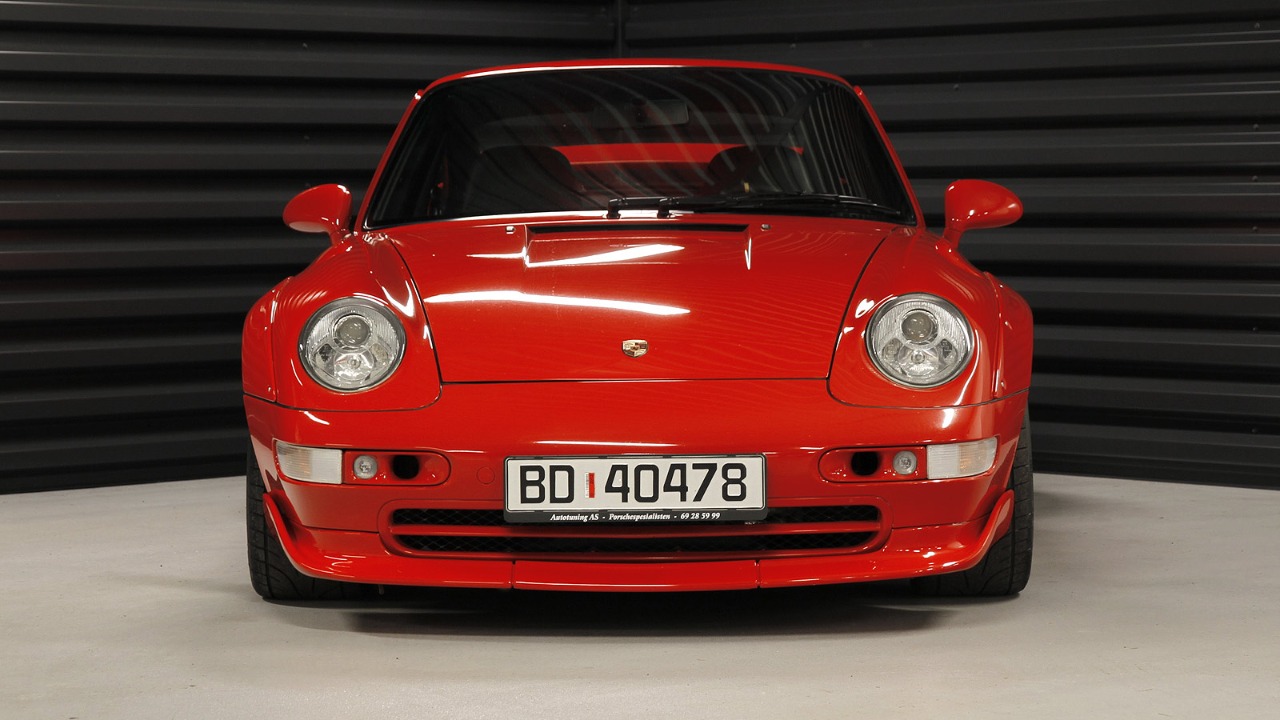
The 1996 Porsche 993 marked a turning point where tradition, technology, and regulation collided in a single model year. You are looking at the moment when the classic air‑cooled 911 formula reached its most refined form just before the company pivoted to a very different future. To understand why that car became the last of its kind, you need to see how its engineering, design, and timing all lined up at the end of a fifty‑year story.
By the mid‑1990s, Porsche had spent decades perfecting the air‑cooled flat‑six, yet the world around it was changing faster than any engine update could keep up with. The 993 generation, and especially the 1996 cars, show you a company squeezing every drop of performance and character from a beloved layout while quietly preparing to walk away from it.
The final air‑cooled chapter
When you mention the type 993 to enthusiasts, you are really talking about the last Porsche 911 to rely on air for cooling its flat‑six. Porsche had used this approach in its sports cars for roughly Fifty years, from 1948 through the late 1990s, and by the time the 993 arrived the concept was as polished as it would ever be. The 1996 model year sits in the sweet spot of that run, with mature mechanicals and a fully evolved chassis that still carried the unmistakable sound and feel of an air‑cooled engine.
It is common knowledge among brand loyalists that the 993 was the last of the air‑cooled Porsches, and that status is a big part of why you see such intense demand for clean examples today. Earlier 911 generations had already introduced power steering, ABS, and more comfort, but the 993 wrapped those updates in a package that still felt analog and mechanical. For many drivers, it is the point where the classic recipe reached its peak without losing the raw edge that defined the early cars.
How the air‑cooled heart worked
To understand why the 993 era had to end, you first need to appreciate how its engine actually worked. The flat‑six in these cars is a classic boxer layout, with opposing pistons punching away from each other, which is why terms like What Is a boxer engine matter when you talk about Porsche heritage. Instead of coolant circulating through a radiator, the 993 relied on finned cylinders and a powerful fan to shed heat, a solution that kept weight down and packaging tight over decades of development.
That same simplicity, however, made it harder for Porsche to keep up with stricter emissions standards and noise regulations that were tightening through the 1990s. As one technical explainer on Porsche Air systems notes, air‑cooled engines face real challenges when you try to control combustion temperatures and exhaust after‑treatment as precisely as lawmakers now expect. The very traits that made the 993 charismatic, from its mechanical clatter to its distinctive exhaust note, were the same ones regulators were targeting.
Why Porsche had to change course
Inside Porsche, the decision to move away from air cooling was not about abandoning history so much as surviving into the next era of performance cars. Engineers were wrestling with cold start and restart emissions on the 993, and the limits of what they could do with oil and air were becoming obvious. Water‑cooled engines offered tighter thermal control, which meant cleaner exhaust, better fuel efficiency, and more freedom to chase higher specific outputs without cooking the hardware.
One detailed look at the shift from air to water cooling points out that One of the most hotly debated aspects was noise, since water‑cooled engines are inherently quieter than air‑cooled ones. That might sound like a loss to you as an enthusiast, but it was a win for regulators and everyday buyers who wanted refinement. By the mid‑1990s, Porsche was also under pressure to modernize its image and broaden its customer base, and the 993 was caught at the crossroads between that commercial reality and the expectations of purists.
The 1996 sweet spot in the 993 lineup
Within the broader production run of the 993 between 1993 and 1998, the 1996 cars occupy a particularly interesting place. By then, Porsche had rolled out a wide range of body styles and drivetrains, including the all‑wheel‑drive Carrera 4S that added Turbo‑style width without the forced induction. The naturally aspirated Carrera coupe that year benefited from incremental refinements in suspension tuning and build quality, giving you a car that felt more solid and composed than the early 993s while still being relatively light.
Enthusiasts often single out the 1996 Porsche 911 Turbo Coupe as a halo for the range, a car that sat at the top of the generation of Porsche 911 produced from late 1993 through early 1998. That Turbo Coupe The flagship showed just how far the air‑cooled platform could be pushed, while the more accessible Carrera models let you experience the same core character without the drama of boost. If you are shopping today, 1996 cars often strike a balance between early‑run quirks and the higher prices that later, limited‑production variants command.
Design that bridged eras
Visually, the 993 generation is where the classic 911 silhouette was smoothed and modernized without losing its identity, and the 1996 cars capture that balance perfectly. The front end sat lower and sleeker than the 964, with integrated bumpers and more fluid lines that still read instantly as a 911. Factory retrospectives on the Carrera of this generation emphasize how the designers managed to improve aerodynamics and stability while preserving the familiar proportions that fans expected.
Inside, you got a cabin that still felt analog, with clear gauges and a straightforward driving position, but the materials and ergonomics were a step up from earlier cars. A detailed portrait of the model notes that the 2+2 seating layout remained, yet the overall impression was more refined and usable day to day. For you as a driver, that meant you could enjoy the old‑school mechanical feel without giving up basic comfort, a combination that helped the 993 appeal to both long‑time owners and newcomers in the mid‑1990s.More from Fast Lane Only