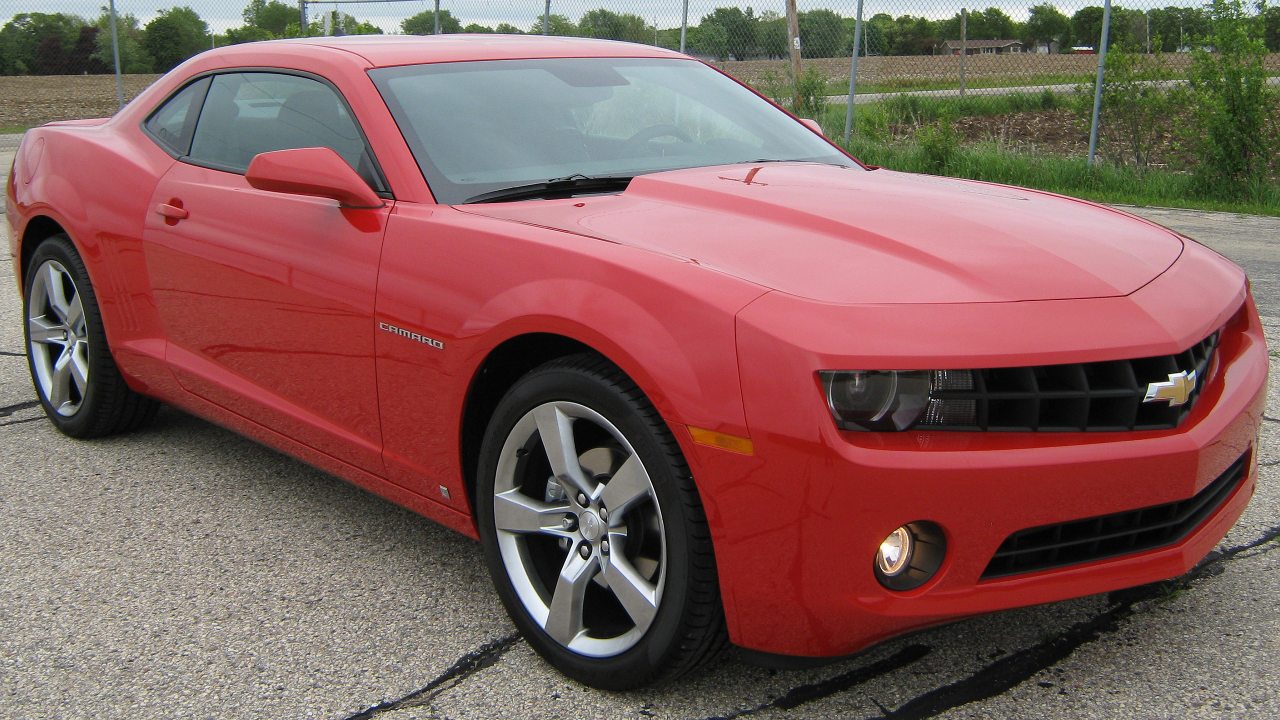
The 2009 return of the Chevrolet Camaro was not a nostalgic accident. It arrived at a moment when American carmakers needed a halo product that could reconnect them with enthusiasts, prove they still understood performance, and bridge the gap between old-school muscle and a more global, efficiency-conscious future. The fifth-generation car, sold as a 2010 model but rolling into showrooms in 2009, landed precisely when the market, the culture, and General Motors itself were desperate for a comeback story.
By reviving a nameplate that had been dormant since 2002, Chevrolet tapped into decades of brand equity while using modern engineering and design to reset what a pony car could be. The timing, as I see it, was critical: any earlier and the car might have been dismissed as retro cosplay, any later and the window for gasoline performance icons would have narrowed even further.
From hiatus to high stakes: why Camaro’s gap years mattered
When the Camaro left production in 2002, it closed the book on four distinct generations of the car and left Chevrolet without a direct rival to the Ford Mustang. According to historical overviews of the four earlier generations, the nameplate had been central to Chevrolet’s performance image since the late 1960s, yet shifting tastes and tightening regulations eventually made the aging fourth-gen package hard to justify. The hiatus that followed was not just a production pause, it was a gap in Chevrolet’s emotional connection with enthusiasts who had long seen the Camaro as the brand’s most accessible performance statement.
That absence grew more glaring as the Mustang continued to evolve and as retro-inspired performance cars began to gain traction. Reports on the fifth-generation Camaro note that the new car would eventually be assembled in Canada, a sign that General Motors was willing to reconfigure its manufacturing footprint to bring the icon back. By the time the concept appeared and the production program was greenlit, the Camaro’s absence had turned into pent-up demand, giving Chevrolet a rare chance to relaunch a familiar badge as if it were an all-new brand.
The retro wave and GM’s need for a hero car
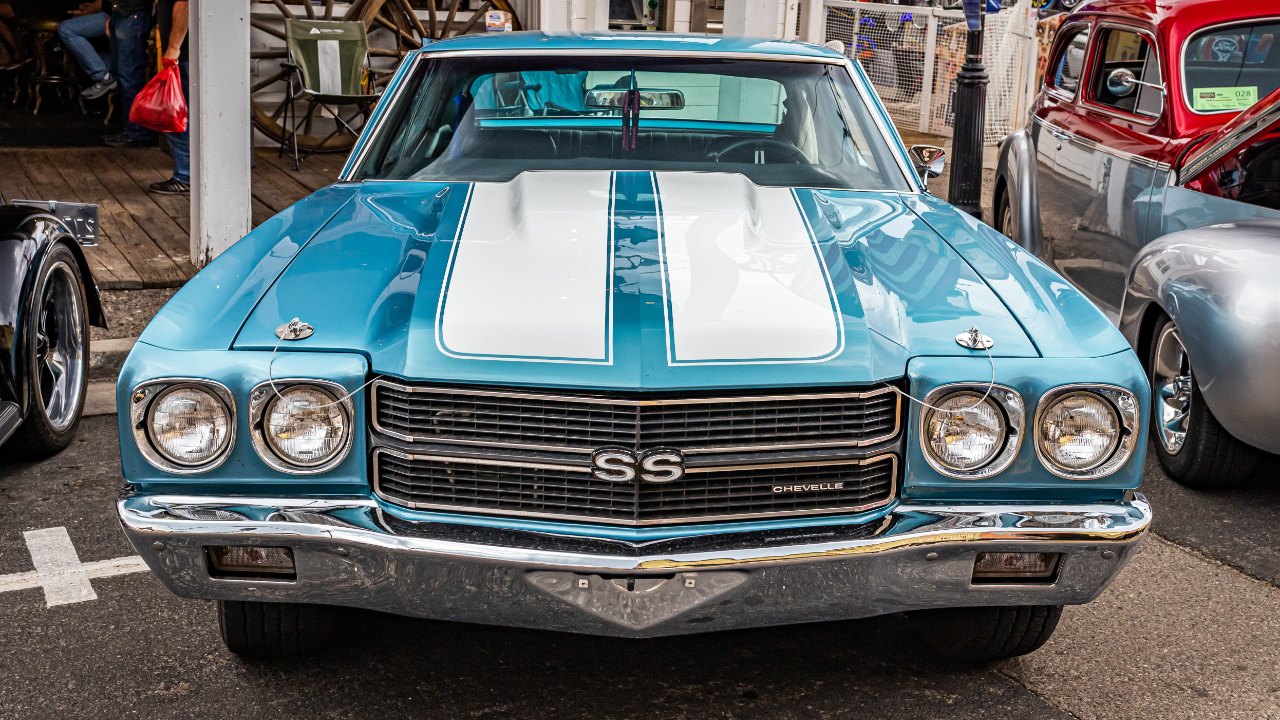
General Motors did not decide overnight to revive the Camaro. Coverage of the 2009 Chevrolet Camaro program describes how, after eight months of deliberation, General Motors publicly committed to a retro-influenced coupe that would echo the car’s early 1970s glory years. That decision slotted neatly into a broader retro wave that had already seen competitors lean on heritage styling to reignite interest in coupes and muscle cars. For GM, the Camaro was the most credible canvas for that strategy, a name that could carry aggressive proportions and nostalgic cues without feeling contrived.
At the same time, GM needed a hero car that could distract from financial strain and product missteps, and that could signal to younger buyers that the company still knew how to build something aspirational. When the production-ready Chevrolet Camaro was announced for a spring 2009 rollout, the message was clear: this was not a museum piece, but a modern car that happened to wear a familiar badge. The styling nodded to first-generation lines, yet the underlying platform, safety standards, and performance targets were aligned with contemporary expectations, which helped the car feel timely rather than purely nostalgic.
How the 2009 relaunch bridged muscle and modern sports car
The fifth-generation Camaro’s timing also mattered because it arrived just as the definition of a performance car was shifting. Analysts looking back on the model’s evolution have identified 2010 as the year the Camaro began to be framed internally as a sports car rather than a pure muscle car, a subtle but important repositioning. The 2009 relaunch gave Chevrolet a clean slate to engineer a chassis, powertrain mix, and interior that could compete not only with traditional pony cars but also with more refined performance coupes. That shift would have been harder to execute if the car had simply evolved incrementally from the fourth generation without a break.
Production details underscore how deliberate that reset was. The fifth-generation Camaro moved assembly to Canada, and volume did not start until April 2009, which aligned the launch with a new model-year narrative and allowed GM to market the car as a fresh start. By combining retro styling with a more globally competitive platform, Chevrolet used the relaunch to reposition the Camaro as a bridge between old-school V8 theatrics and the sharper, more balanced dynamics that buyers were beginning to expect from performance cars in the 2010s.
Fan culture, Z28 rumors, and the momentum of a comeback
When the Camaro returned to showrooms in 2009, it did so into a fan ecosystem that had kept the name alive through clubs, restorations, and track days. Reporting on the car’s broader history notes that Fans like Mercado helped sustain interest in the Camaro from its original rivalry with the Ford Mustang in 196 up through its modern iterations, ensuring that a ready-made audience was waiting when the badge returned. That kind of grassroots loyalty is difficult to manufacture, and it meant the 2009 car could count on early adopters who would evangelize it to a wider world beyond die-hard fans.
The relaunch also created space for higher performance variants that would keep the story fresh. Reports from late 2009 described how a Z28 model was back on the production path, with distinguishing features such as a unique bodykit, a slightly raised hood to clear a supercharger, and chassis upgrades aimed at track-focused drivers. Those rumors and subsequent special editions helped sustain momentum, turning the fifth-generation Camaro into a platform for continuous excitement rather than a one-time nostalgia hit.
The long shadow of 2009 on Camaro’s final chapter
The significance of the 2009 return becomes even clearer when viewed against the Camaro’s eventual discontinuation. Analysts who have examined why The Chevrolet Camaro is ending note that the car has endured nearly 56 years on the market, minus its earlier production gap, as one of the country’s most renowned muscle cars. More recent dealership guidance on whether the Chevrolet Camaro is discontinued points to slowing sales, a shift in GM’s electric vehicle strategy, and tightening regulations as key reasons for the latest sunset. Without the sales and cultural impact generated by the 2009 relaunch, it is hard to imagine the Camaro lasting long enough to face this modern EV-era crossroads.
As the sixth-generation Camaro bowed out, Chevrolet marked the occasion with a Collector Edition package across the range, from V6-powered coupes to the Camaro LT and beyond, a final nod to the breadth of the car’s appeal. Commentators have described the outgoing model as a famous underperformer in sales terms, with its general competence proving less appealing to buyers than raw power and anti-establishment image, yet they also note that GM is observing the segment closely, hinting that the story may not be over. In that context, the 2009 comeback looks like the pivotal middle chapter, the moment when the Camaro proved it could be reborn, carry the brand’s performance flag for another decade-plus, and set the stage for whatever form its name might take in an electric future.
More from Fast Lane Only: