The 2020 Corvette C8 did more than move its engine, it upended 60 years of front‑engined tradition and forced America’s sports car faithful to rethink what a Corvette could be. By jumping to a mid‑engine layout and targeting European exotics on performance and price, Chevrolet triggered a rare moment when engineering necessity collided with cultural shock.
I saw that reaction unfold in real time, from skeptical forum posts to breathless first drives, and the pattern was clear: the C8 felt like a betrayal to some traditionalists precisely because it was the logical next step for the car’s survival. The tension between heritage and progress is what made this Corvette such a jolt.
From front‑engine icon to mid‑engine gamble
For decades, the Corvette’s identity was welded to a long hood, a rumbling V8 ahead of the driver, and a layout that seemed non‑negotiable. By the end of the C7 generation, however, engineers had run into hard limits on how much more performance they could extract from a front‑engine chassis without compromising usability. One detailed look at the transition noted that the C7 effectively “outran its underpinnings,” a concise way of saying the platform could not keep pace with the power and grip the team wanted to unlock for the next car, which pushed Chevrolet toward a clean‑sheet rethink of the Corvette formula.
Inside the company, the choice was framed less as a stylistic whim and more as a survival move. Executives warned that without a radical change, the Corvette would be “treading water,” unable to move meaningfully closer to the mid‑engine benchmarks from Europe that had redefined expectations for balance and track performance. That context matters when judging the C8’s layout switch: it was not a gratuitous attempt to shock loyalists, it was a response to physics and to a competitive set that had long since embraced mid‑engine packaging for serious performance cars.
Engineering shock: the first mid‑engine Corvette reality
Once the wraps came off, the technical story behind the C8 explained why the move felt so disruptive. Shifting the V8 to a rear midship position transformed weight distribution and gave the car the kind of traction and rotation that front‑engine Corvettes had always had to fight to match. One track‑focused evaluation described the C8 as undergoing the “biggest transformation in its history” with the engine relocation, and that is not hyperbole when you consider how much of the car’s character, from cabin layout to cooling, had to be reimagined around the new architecture.
On the road and track, early drives reinforced that this was not a cosmetic change. A first‑drive review of the 2020 Chevy Corvette Stingray called it the “Most radical Vette yet,” and highlighted how the new layout delivered grip and composure that finally aligned the Corvette with the mid‑engine elite it had chased for generations. That same review pointed out that enthusiasts had endured well over 50 years of mid‑engine Corvette teasing before this car arrived, which only amplified the sense of disbelief when the production C8 finally materialized with the engine behind the driver and performance numbers to match the long‑running rumors.
Value play: a bargain aimed at Ferrari and friends
What really rattled the sports‑car establishment was not just where the engine sat, but how little Chevrolet charged for the privilege. The 2020 C8 arrived with performance and a mid‑engine layout that had traditionally been the domain of far more expensive exotics, yet it was priced to undercut many front‑engine rivals. One in‑depth video review framed the car as a “bargain mid‑engine” machine, noting that the C8 delivered power and capability that left the last‑generation C7 “hitting a brick wall” in terms of further development, while still landing in a price bracket that made it accessible to long‑time Corvette buyers.
Chevrolet’s own positioning made the intent explicit: the new Stingray was aimed squarely at the kind of European sports cars that had long been aspirational for Corvette owners. Reporting on the launch emphasized that the company was “gunning for Ferrari” with its first mid‑engine design, a bold statement that would have sounded fanciful if the car’s spec sheet and track behavior had not backed it up. By pairing exotic‑style packaging with a relatively attainable sticker, the C8 forced both traditionalists and rival brands to confront a new reality in which an American mid‑engine V8 could be cross‑shopped with cars that once seemed safely out of reach.
Traditionalists react: from betrayal to reluctant respect
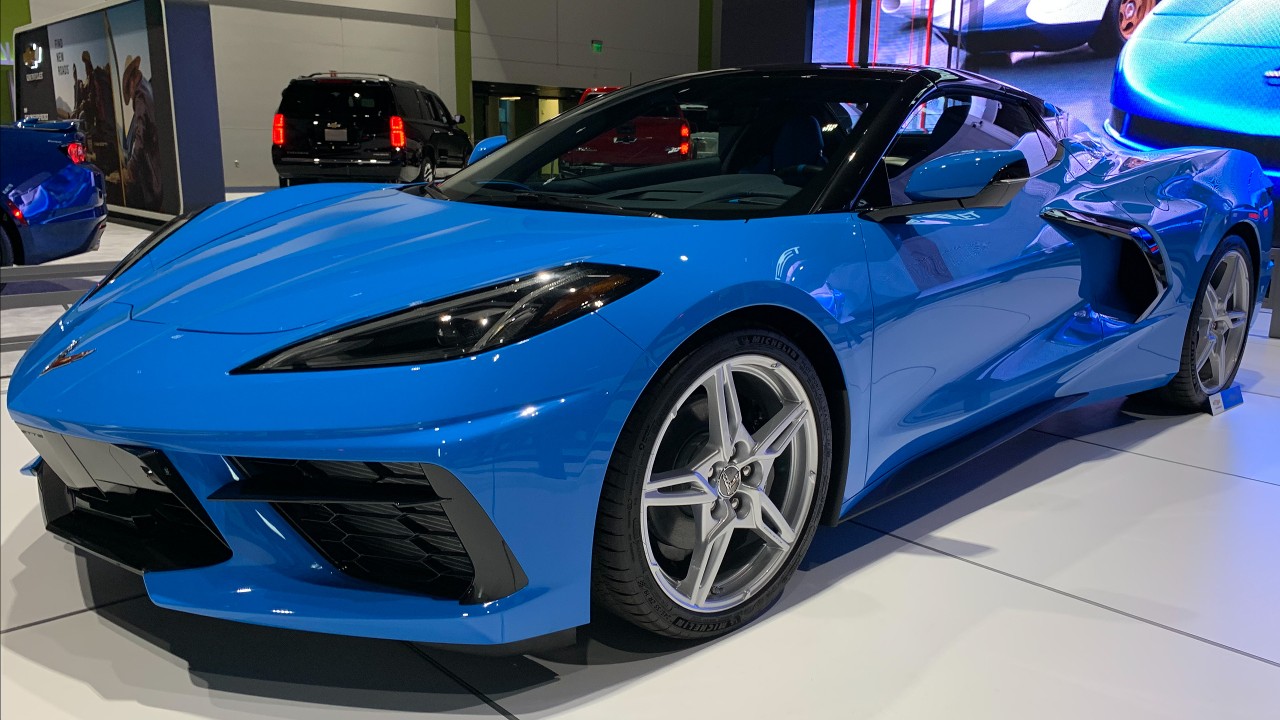
Among long‑time fans, the emotional response to the C8’s reveal was immediate and divided. For some, the Corvette story was “right up there with baseball and barbecue,” a shorthand for Americana that did not seem compatible with a layout associated with Italian and German supercars. One enthusiast‑oriented breakdown of the 2020 car acknowledged that recent Corvettes had been excellent, yet framed the C8 as a fundamental break from the lineage that had defined the model for generations, which helps explain why a portion of the fan base initially saw the mid‑engine move as a betrayal of the car’s roots.
At the same time, other voices within the community quickly embraced the C8 as the “mid‑engine flagship” that Chevrolet had been trying to build for decades. A widely discussed review on a car enthusiast forum described the Corvette C8 in exactly those terms, capturing the sense that the future “is gonna be okay” because the car finally delivered on the long‑promised concept of an American mid‑engine performance hero. That split reaction, nostalgia on one side and excitement on the other, is precisely what made the C8’s debut feel so jarring: it forced fans to choose between clinging to a front‑engine past and accepting a new definition of what a Corvette could be.
Sales, production, and the proof in the order books
Whatever the message‑board debates, the market’s verdict on the C8’s radical turn was swift. Early on, a General Motors executive indicated that first‑year production was “nearly sold out,” a claim that gains context when compared with the C7’s initial performance. Judging by the C7’s first‑year production figures, which totaled just over 37,000 cars according to the National Corvette Museum, the suggestion that C8 orders could allude to upwards of 40,000 cars signaled that demand was not just healthy, it was outpacing the previous generation despite the controversial layout change.
That appetite did not come out of nowhere. The C8’s combination of mid‑engine dynamics, everyday usability, and aggressive pricing created a package that appealed both to loyal Corvette owners and to buyers who might previously have shopped only European badges. Later evaluations of tuned variants, such as a Callaway‑modified C8, reinforced that the underlying platform was not just a one‑off experiment but a robust foundation, with testers noting that the shift in engine placement made the car a joy to drive on a road course. In other words, the same decision that unsettled traditionalists also unlocked a new era of performance and commercial success.
How the C8 reset expectations for American performance
Looking back, the 2020 C8 did not simply shock traditionalists, it reset the benchmark for what an American sports car could deliver. By embracing a mid‑engine layout after more than 50 years of hints and prototypes, Chevrolet finally aligned the Corvette’s engineering with the performance ambitions that had been building inside the program for decades. A detailed technical feature on the 2020 C8 underscored that the car’s structure, suspension, and packaging were all reworked to support higher limits, with stiffness and responsiveness gains that would have been difficult, if not impossible, to achieve within the constraints of the old front‑engine architecture.
In the process, the C8 also reframed the Corvette’s cultural role. Instead of being defined primarily as a value alternative to European sports cars, it became a direct challenger that could credibly share track days and garage space with far more expensive machinery. Enthusiast videos that labeled it the “hottest car” of its year captured that shift, pointing out that the story of the Corvette had evolved from a nostalgic symbol of American motoring to a forward‑looking performance platform. Traditionalists may have been stunned when the 2020 C8 arrived, but the car’s engineering logic, sales momentum, and on‑track credibility suggest that the shock was a necessary step in keeping the Corvette relevant in a world where standing still would have meant falling behind.
More from Fast Lane Only: