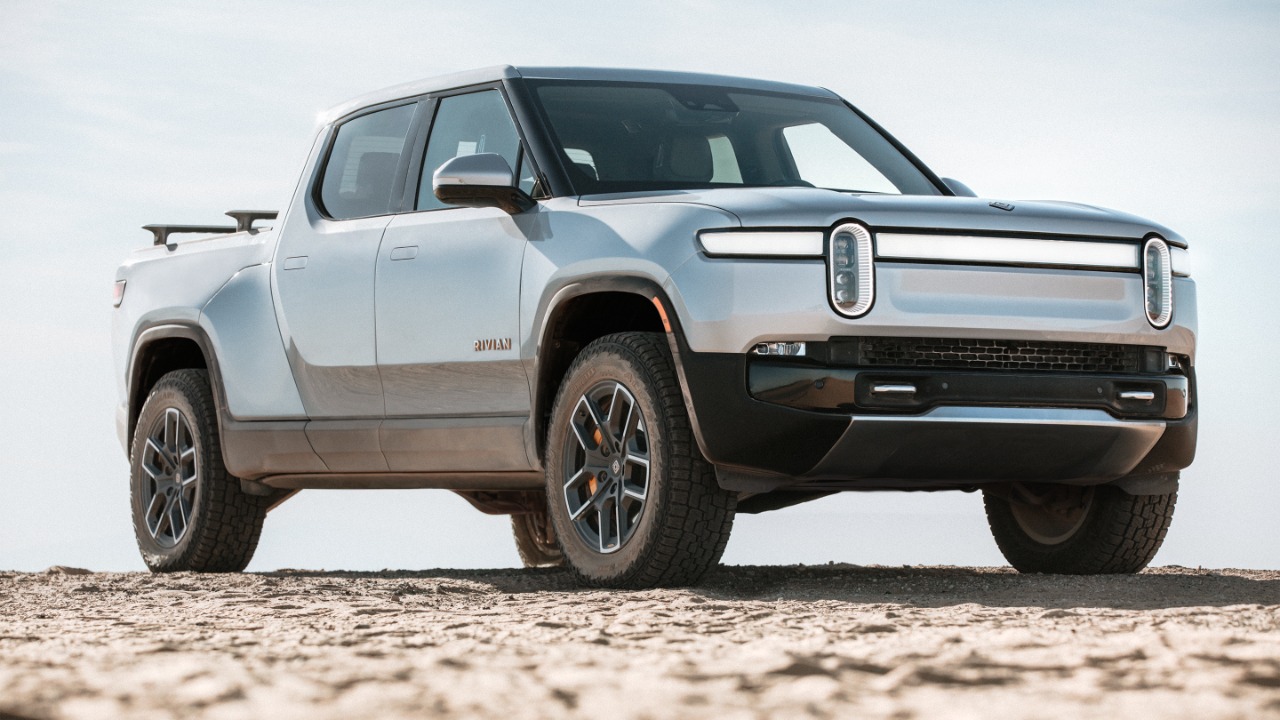
The 2021 Rivian R1T has set a new benchmark in the electric truck segment, combining innovative technology with rugged capability. As more consumers and manufacturers pivot toward electric vehicles, the R1T showcases what the future of electric trucks can look like, fundamentally shifting expectations in the market.
The Rise of Electric Trucks
The electric vehicle (EV) market has seen exponential growth in recent years, with more consumers embracing the idea of going electric. According to industry reports, sales of electric vehicles surged by over 40% in 2021 alone, indicating a strong shift in consumer sentiment. The rise of electric trucks, in particular, has gained momentum as manufacturers and consumers alike recognize the potential benefits of these vehicles. Key factors driving this demand include increased awareness of sustainability issues, government incentives promoting EV adoption, and advancements in battery technology that have made electric trucks more viable.
Traditional automakers are not sitting idly by; they are pivoting towards electric pickups to remain competitive. Established brands like Ford and General Motors are investing heavily in electric truck development. For instance, Ford’s announcement of the all-electric F-150 Lightning has generated significant buzz, showcasing that the market is responding to the electric truck trend. This competitive landscape is pushing expectations higher as consumers look for features that combine the traditional utility of trucks with the benefits of electric mobility.
Rivian’s Unique Positioning
Rivian has carved out a unique niche in the electric vehicle market, positioning itself as a brand that emphasizes adventure and the outdoor lifestyle. This focus resonates with a growing demographic of consumers who prioritize experiences over mere ownership. Rivian’s marketing strategy highlights the rugged capabilities of its vehicles, appealing to outdoor enthusiasts who require a truck that can handle rough terrains while offering eco-friendly advantages.
In comparison to other electric vehicle manufacturers, Rivian’s mission stands out. Unlike companies that focus solely on urban commuting or luxury features, Rivian’s vision encompasses a lifestyle that integrates sustainability with adventure. This differentiation is crucial in a crowded market where many brands are vying for attention. Additionally, Rivian’s direct-to-consumer sales model eliminates the traditional dealership experience, allowing for a more streamlined purchasing process. This approach not only enhances customer engagement but also enables Rivian to maintain control over its brand narrative and customer experience.
Innovative Design Features
The design of the Rivian R1T is a blend of functionality and aesthetics that sets it apart from traditional pickups. The exterior features a bold, modern look with a distinctive front fascia that includes unique lighting elements. The interior is equally impressive, showcasing a minimalist design that prioritizes user experience and comfort. Rivian has incorporated high-quality materials and thoughtful touches, such as a large touchscreen interface that controls various vehicle functions.
One of the standout features of the R1T is the Gear Tunnel, a versatile storage space that runs horizontally through the vehicle. This design allows for the easy transportation of gear, tools, or recreational equipment, making it perfect for adventure seekers. Additionally, the adjustable air suspension enhances the truck’s functionality, allowing drivers to customize ride height based on terrain or cargo needs. Such innovative design elements not only enhance utility but also contribute to a positive consumer perception, positioning the R1T as a serious contender in the electric truck market.
Performance Capabilities
Performance is a critical aspect that can make or break a truck’s reputation. The Rivian R1T boasts impressive metrics, including a 0-60 mph acceleration time of just 3 seconds, rivaling some sports cars. Its quad-motor system provides each wheel with independent control, significantly enhancing driving dynamics and allowing for superior traction and stability, especially in off-road conditions. This performance capability sets the R1T apart from traditional gas-powered trucks, which may not offer the same level of responsiveness.
In terms of towing capacity, the R1T can handle up to 11,000 pounds, making it competitive with established players like the Ford F-150 and Chevrolet Silverado. The combination of high torque and advanced battery technology ensures that the R1T can perform demanding tasks while maintaining efficiency. This alignment of performance and utility addresses the concerns of traditional truck owners who might be skeptical about switching to electric options, thereby broadening the appeal of electric trucks in general.
Cutting-Edge Technology Integration
The Rivian R1T’s technology features are another highlight, integrating advanced systems that enhance the driving experience. The infotainment system is intuitive, featuring a large touchscreen interface that offers seamless access to navigation, entertainment, and vehicle settings. Moreover, the R1T is equipped with a suite of driver-assist features, including adaptive cruise control and lane-keeping assistance, reinforcing its commitment to safety and convenience.
Rivian’s focus on technology extends beyond hardware; the company is dedicated to regular software updates that improve functionality and user experience over time. This commitment to innovation ensures that owners will benefit from new features and enhancements long after their purchase. As consumer expectations for technology in vehicles continue to rise, the R1T sets a precedent for what future electric trucks should offer, blending cutting-edge technology with practical usability.
Sustainability and Environmental Impact
Sustainability is at the heart of Rivian’s mission. The company actively seeks to reduce its environmental footprint through various initiatives, including the use of recycled materials in vehicle production. For example, the R1T features sustainable interior materials like vegan leather and recycled plastics, showcasing Rivian’s commitment to eco-friendly practices. This focus on sustainability resonates with consumers who are increasingly making purchasing decisions based on environmental impact.
Transitioning from gas-powered trucks to electric alternatives like the R1T has significant potential for reducing carbon emissions. Studies indicate that electric trucks can help lower greenhouse gas emissions, especially when powered by renewable energy sources. The R1T’s role in promoting the use of clean energy aligns with global efforts to combat climate change, making it not just a vehicle but a step towards a more sustainable future. As electric trucks gain traction in the market, they will play an essential role in shifting public perception about the viability of eco-friendly transportation.
Market Reception and Pre-Orders
The market reception for the Rivian R1T has been overwhelmingly positive, with initial pre-order numbers indicating strong consumer interest. Reports suggest that the R1T garnered over 100,000 reservations before its official launch, reflecting a robust demand for electric trucks among consumers. This enthusiasm can be attributed to various factors, including the R1T’s innovative features, performance capabilities, and the growing acceptance of electric vehicles.
Demographics for electric truck buyers are evolving, with younger consumers showing particular interest in sustainability and advanced technology. The R1T appeals to this demographic not only through its eco-friendly features but also by aligning with an adventurous lifestyle. Media coverage and reviews have further bolstered public perception, often praising the R1T for its performance and design. Such positive endorsement from reviewers and influencers helps establish credibility and encourages potential buyers to consider the R1T as a legitimate option in the electric truck segment.
Rivian’s Strategic Partnerships
Rivian’s strategic partnerships have played a significant role in enhancing its market position. One of the most notable collaborations is with Amazon, which has ordered 100,000 electric delivery vans from Rivian. This partnership not only provides Rivian with a substantial order but also aligns the brand with a major player in logistics that is actively pursuing sustainability goals. Amazon’s investment in Rivian serves as a vote of confidence in the company’s capabilities and future potential.
Such strategic alliances have the potential to influence industry standards and practices, as collaboration often leads to shared knowledge and innovation. Rivian’s partnerships can help set benchmarks for electric vehicle performance and sustainability, encouraging other manufacturers to follow suit. As the electric vehicle landscape continues to evolve, Rivian’s collaborations will be crucial for its growth and the overall advancement of the electric truck market.
Future of Electric Trucks Post-R1T
The impact of the Rivian R1T on the electric truck market is likely to be profound. As more manufacturers enter the electric pickup space, they will inevitably look to Rivian as a benchmark for design, performance, and sustainability. The success of the R1T may inspire competitors to adopt similar features or technologies, pushing the entire industry towards innovation. Upcoming electric trucks from established brands will likely incorporate insights gained from the R1T’s development, creating a ripple effect that elevates consumer expectations across the board.
As the market evolves, new competitors are emerging, ready to respond to Rivian’s entry. Brands like Ford and GM are already ramping up their electric truck offerings, and other startups are also joining the fray. This competitive atmosphere will foster innovation as each company strives to differentiate its product. The broader implications for the automotive industry are significant, as the transition towards electric mobility becomes increasingly prevalent. The R1T’s influence will extend beyond mere trucks, shaping the future of sustainable transportation.
More from Fast Lane Only