The 2021 Tesla Model S Plaid did not just make electric sedans quicker, it forced the entire performance world to redraw the charts. By pairing brutal straight line speed with everyday usability, it turned the family four door into a car that could embarrass established supercars and even purpose built drag machines. I want to unpack how it pulled that off, and why its acceleration numbers still shape every new benchmark that follows.
The numbers that rewrote the record book
Any claim that the Plaid reset expectations has to start with its raw figures, because they are the kind that make seasoned drivers double check the timing gear. Independent instrumented testing of the Testing the Tesla Model showed a launch so violent that it pushed production car data into territory usually reserved for drag specials. When I look at those runs, what stands out is not just the headline 0 to 60 sprint, but how consistently the car delivers that shock over multiple passes, something that matters far more than a single hero run.
Under the skin, the Plaid backs those numbers with a powertrain that reads like a spec sheet from the future. A Tri Motor Setup Delivers Up To 1,020 Horsepower, and that output is available without the drama of turbos spooling or gearboxes hunting for the right ratio. The battery and motor package is rated at 1020 HP and 1424 Nm of Torque, which helps explain why the car feels like it is bending time from a standstill all the way through highway speeds.
Engineering the launch: tri motors, battery, and traction
On paper, plenty of cars boast big power, but the Plaid’s trick is how it converts stored energy into forward motion with almost no waste. The official Specifications list a 100 k Wh Lithium Ion Battery feeding 3 Motors, with Horsepower at 1020 and Torque at 1050 ft./lbs., a combination that gives the control software enormous flexibility in how it meters torque to each axle. In practice, that means the car can pre load the driveline, manage wheel slip at each corner, and deliver a launch that feels more like a catapult than a traditional standing start.
The motors themselves are not off the shelf units, and that matters for repeatable acceleration. The Plaid uses electric motors with carbon sleeves, a design Tesla says improves efficiency while also allowing higher rotor speeds, which in turn supports that towering top end rush. When I think about why the car can blast through a quarter mile and still feel composed at the traps, those carbon sleeved units and the way they are integrated into the all wheel drive layout are a big part of the answer.
From 0–60 to the quarter mile: redefining “quickest”
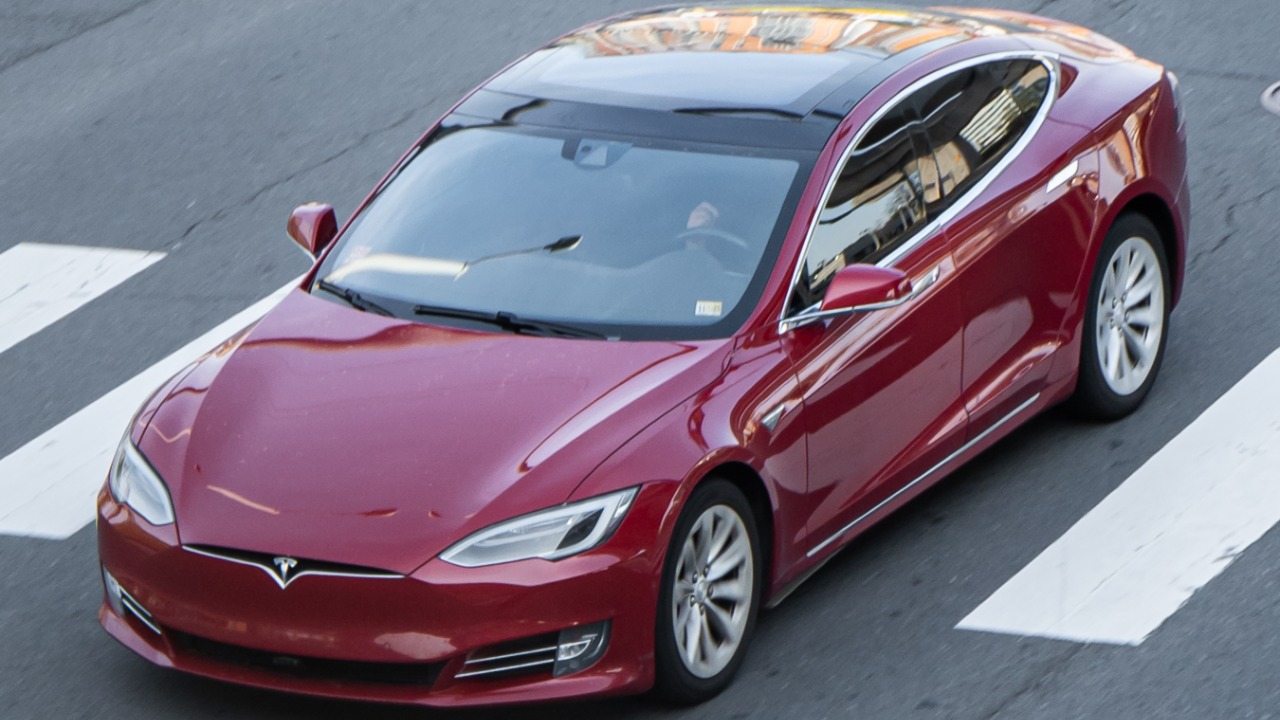
Acceleration bragging rights often start and end with the 0 to 60 figure, and the Plaid forced everyone to add context to that simple number. Detailed analysis of Testing the Tesla Model shows how sensitive the stopwatch is to rollout assumptions, with one set of data putting the 0 to 60 time at 2.45 seconds when measured without the traditional drag strip rollout. When I look at that nuance, it is clear the Plaid did not just chase a headline, it exposed how fuzzy some of the industry’s favorite metrics had become.
Beyond the first 60 m, the car’s quarter mile performance is where it truly reset expectations for a full size luxury sedan. In a verified run, Tesla’s Model S Plaid Breaks the Quarter Mile Record at 152 M P H, a trap speed that used to belong to stripped out track specials rather than leather lined four doors. Watching that kind of pass, I am struck by how the car just keeps pulling, with no gear changes to interrupt the surge and no sense that it is running out of breath before the lights.
Real world testing: track, street, and the “asterisk” debate
Numbers on a spec sheet are one thing, but seeing the Plaid hustled by experienced testers gives a better sense of how it behaves when pushed. In a detailed road test, Car and Driver host Carlos walks through launch control, braking, and high speed stability, and what stands out to me is how drama free the car looks even as it demolishes traditional benchmarks. The way it rockets out of the hole, settles, and then just keeps gathering speed makes it feel less like a temperamental supercar and more like a very fast appliance, in the best possible sense.
That composure carries over to higher speed track work, where the Plaid’s acceleration still dominates the experience. In a dedicated session with the track package, an onboard video shows the car storming past 170, then 180, then one 90 as the driver calls out the rising numbers, and the 170 mph mark arrives with startling ease. From my perspective, that kind of effortless climb into speeds that used to be exotic territory is exactly why the car forced a rethink of what a road legal sedan should be capable of.
Of course, the Plaid’s headline 0 to 60 m time also sparked a debate about how those figures are measured and marketed. An early independent test that found the Tesla Model Plaid breaks all the records also noted that the quoted 0 to 60 mph figure needs an asterisk because of rollout conventions. I see that caveat not as a knock on the car, but as a reminder that the Plaid arrived so far ahead of the old yardsticks that the industry had to clarify exactly how it was keeping score.
Why it still matters: context, rivals, and the feel from the driver’s seat
What makes the Plaid’s acceleration revolution stick, even as new rivals emerge, is how it blends outrageous speed with everyday practicality. The car’s Why Tesla triple motor layout is often described as a symphony of speed, and from behind the wheel that translates into instant response whether you are merging onto a freeway or lining up at a drag strip. I find it telling that commentary around the car talks about how it does not just move, it electrifies, because that captures the way its acceleration changes your sense of what a daily driver can do.
Even as newer electric flagships chase or surpass some of its figures, the Plaid’s role as the car that broke the dam is hard to dispute. When MotorTrend tested the When Model Plaid and started talking openly about rollout, traction limits, and the physics of that first 60 feet, it signaled that the benchmark had shifted from simple bragging to serious analysis. From my vantage point, that is the Plaid’s lasting legacy: it did not just go quicker, it forced everyone, from engineers to enthusiasts, to think more deeply about what acceleration really means in the electric age.
There is also a cultural dimension to how the Plaid reset expectations, one that reaches beyond the drag strip. A vivid comparison from a long form review invites readers to Picture themselves in a Lamborghini Countach blasting through Sant Agata, Italy, then fast forward to a world where a quiet sedan can deliver similar thrills, a contrast captured in a piece on Picture the 2021 Tesla Model S Plaid beyond ludicrous. When I line up those images in my mind, the message is clear: the car did not just nudge the bar, it moved the entire conversation about performance into a new era, one where silence and instant torque define what “quickest” really feels like.
More from Fast Lane Only: