By 1981, most muscle cars had faded into the background or disappeared altogether. But the Trans Am held on. Even with tightening emissions rules, shrinking horsepower numbers, and corporate downsizing, Pontiac managed to send off the second-gen Firebird with style—and just enough bite.
The ’81 Trans Am wasn’t the fastest or loudest, but it didn’t need to be. It still looked the part, handled better than most expected, and carried the spirit of the era into its final model year. Here’s why it still earns respect more than four decades later.
It Closed Out the Second Generation
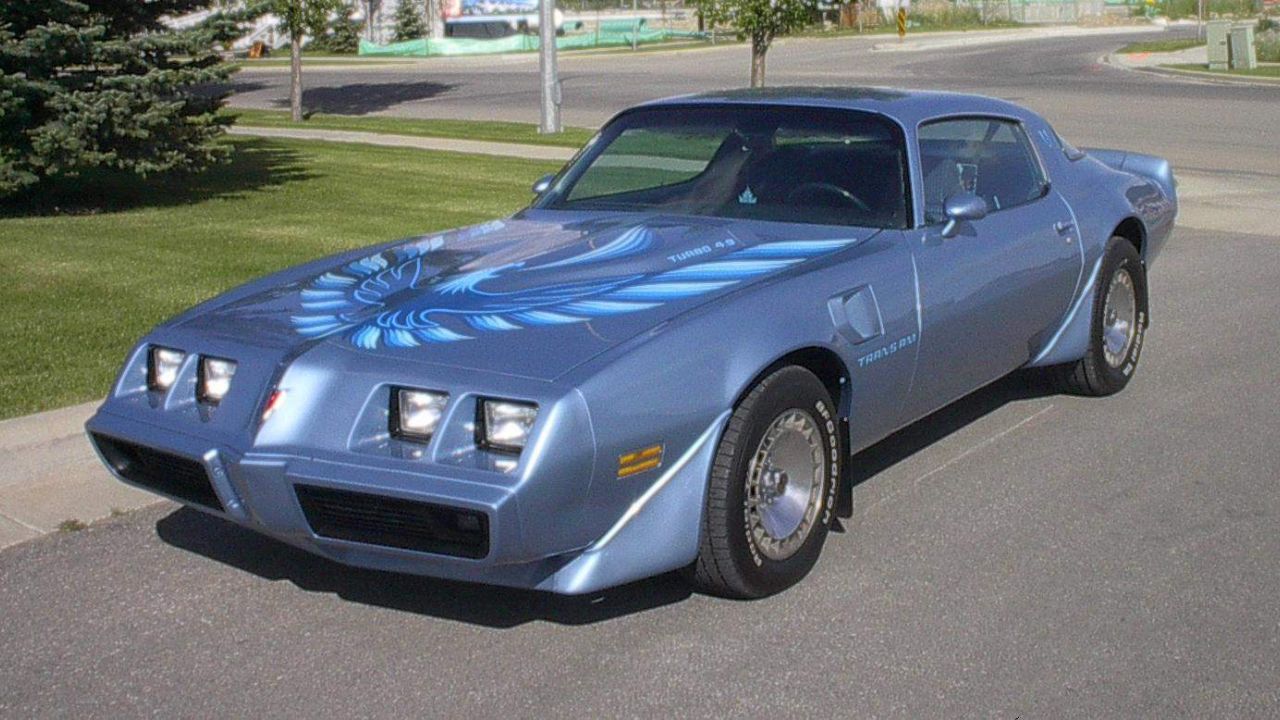
The 1981 model marked the final year of the second-gen Firebird. By then, Pontiac had refined the design and features into something instantly recognizable. It wasn’t the fastest, but it had presence—and plenty of style.
The bodywork was still aggressive, with flared fenders, a shaker hood, and that signature front-end look. Even with tightening emissions and corporate pressure, Pontiac sent the second-gen out with a proper sendoff.
Turbo V8 Was Still on the Menu
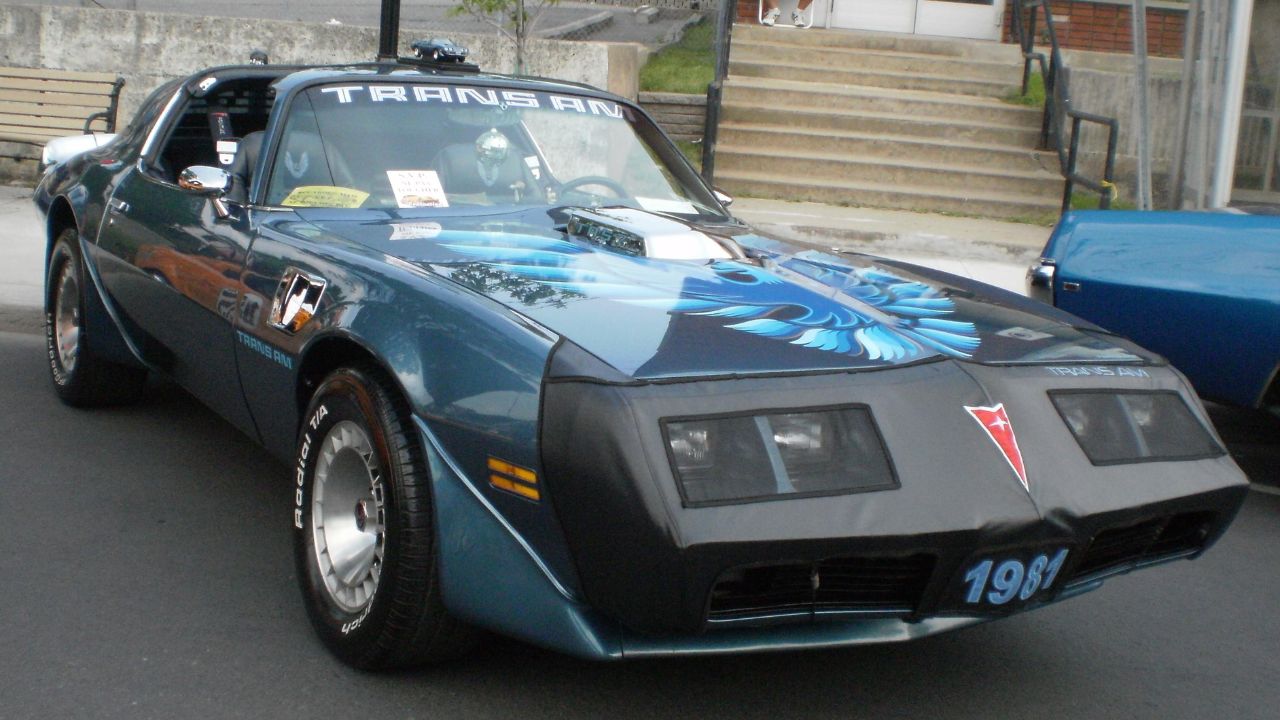
While horsepower was shrinking across the board in 1981, the optional 4.9L turbocharged V8 was still available. Rated at 200 horsepower, it was modest by earlier standards but impressive for the early ’80s.
The boost came from a single Garrett turbo, paired with electronic controls and a functional hood scoop. It gave the Trans Am a bit of a technological edge and showed Pontiac wasn’t ready to give up performance completely.
Computer Command Control Debuted
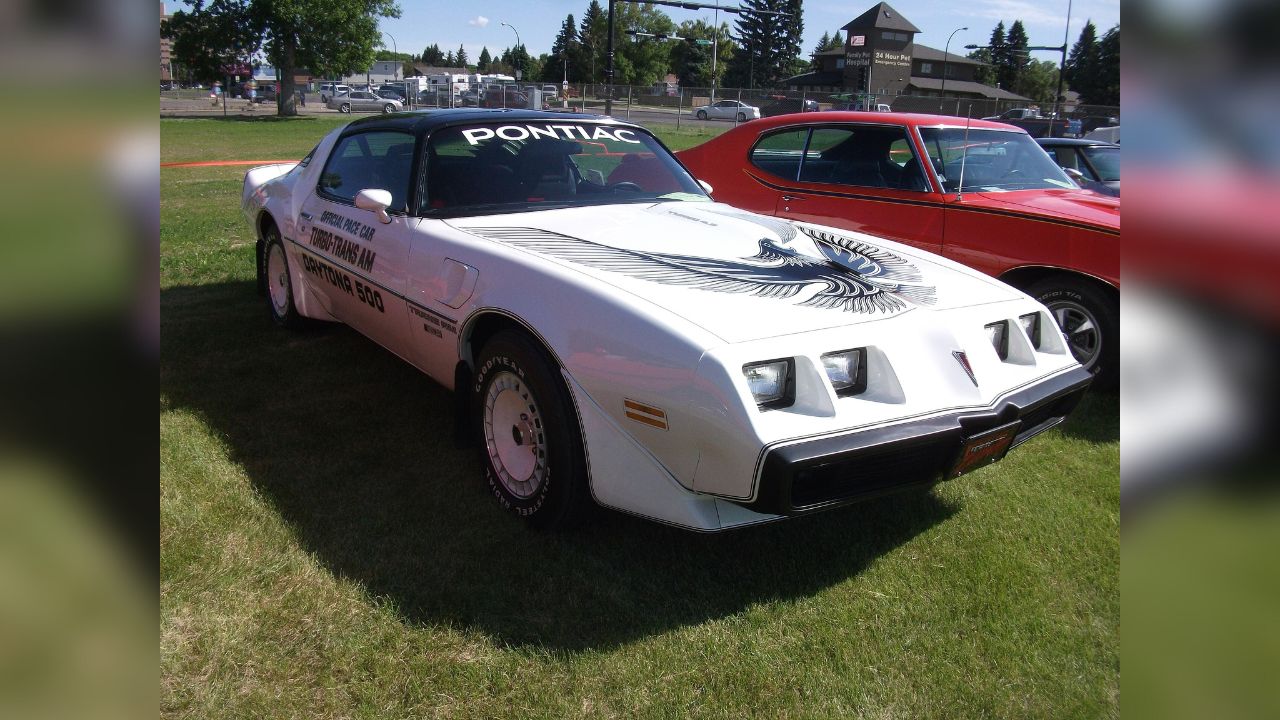
The 1981 Trans Am introduced GM’s Computer Command Control system, one of the first onboard engine management systems designed to meet federal emissions standards. It monitored timing, fuel mixture, and emissions systems.
While primitive by today’s standards, CCC was a leap toward modern drivability and tunability. It also marked the beginning of the end for fully mechanical carb setups. For a muscle-era holdout, it was remarkably forward-looking.
It Still Looked the Part
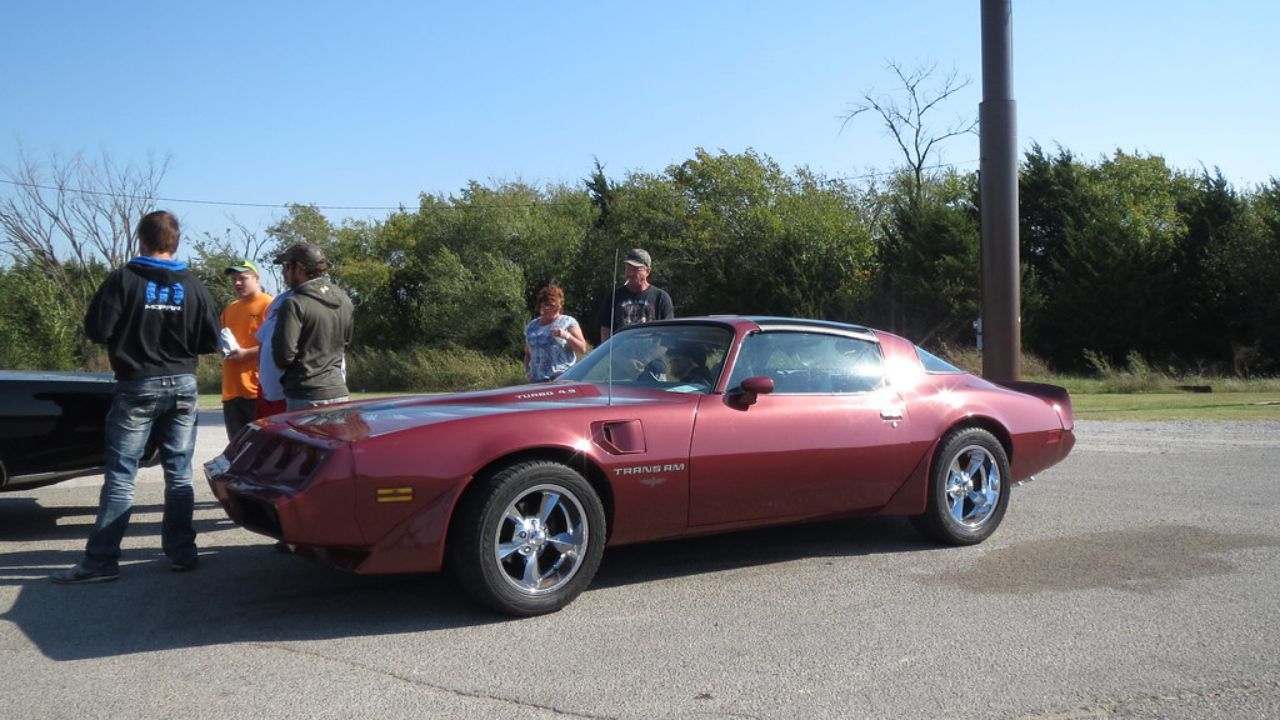
Despite shrinking power numbers, the ’81 Trans Am kept the attitude alive. Between the T-top roof, snowflake wheels, and sprawling hood bird, it didn’t need high horsepower to turn heads.
The proportions were just right—long hood, short rear deck, and a squat stance. The optional Turbo hood bulge with integrated boost lights gave it even more visual weight. You didn’t have to hear it to know what it was.
WS6 Package Made a Real Difference

Even if straight-line speed wasn’t headline material, the WS6 handling package brought real upgrades: stiffer suspension, better steering response, larger sway bars, and four-wheel disc brakes.
The ’81 Trans Am could actually corner with confidence, something many early ’70s muscle cars couldn’t claim. The WS6 setup gave it a more modern driving feel, and it set the tone for how Pontiac would shape performance through the ’80s.
The Interior Aged Surprisingly Well

The cockpit-style dash with machine-turned trim still feels special. Everything from the angled gauges to the deeply contoured bucket seats gave the cabin a focused, sporty feel that separated it from its GM siblings.
In 1981, you could also get power windows, cruise control, and air conditioning—rare luxuries on early muscle cars. It was a comfortable car for long highway pulls, and the fit and finish were ahead of what most expect from a GM product of that era.
T-Tops Were More Than Just Flash
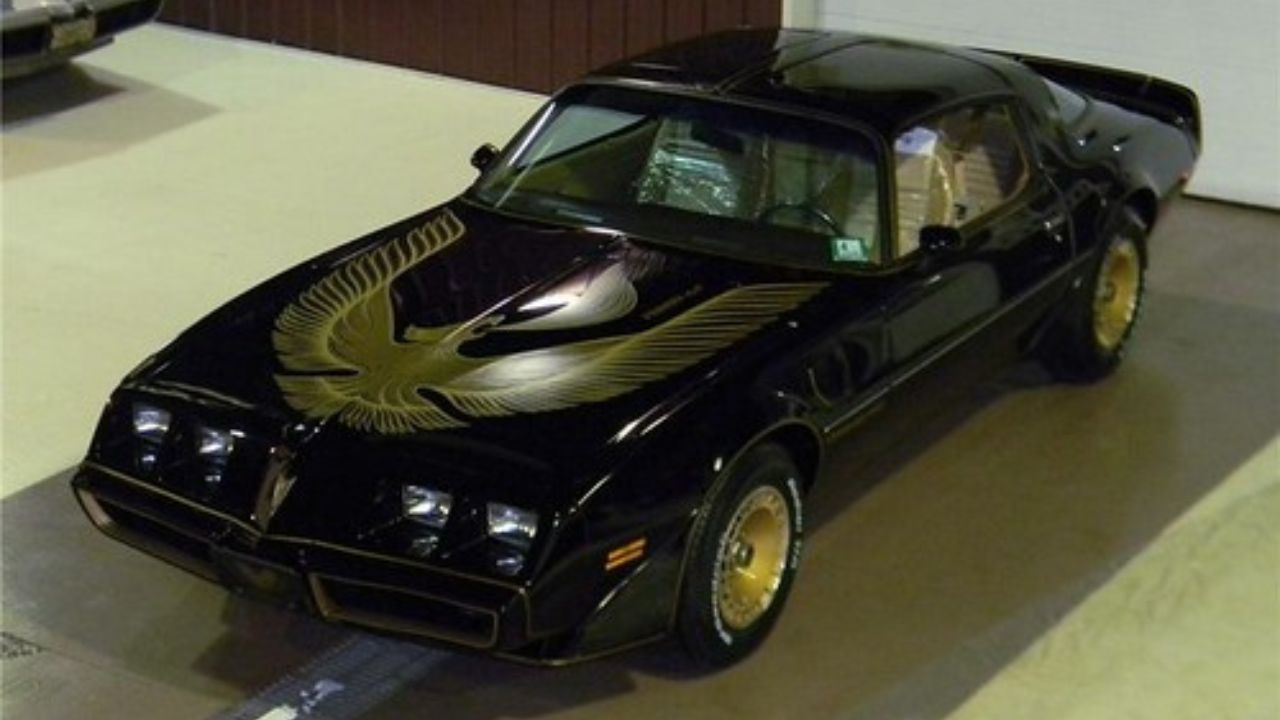
T-tops were more than a styling gimmick—they helped define the Trans Am experience. Removable glass panels gave you open-air cruising without losing the coupe’s shape, and most ’81 cars came with them.
They leaked if neglected and added weight, but at the time, nothing else on the market looked like it. Combined with the wide dash and long hood view, the T-top setup gave the Trans Am a unique sense of occasion.
It Outlived Most Rivals
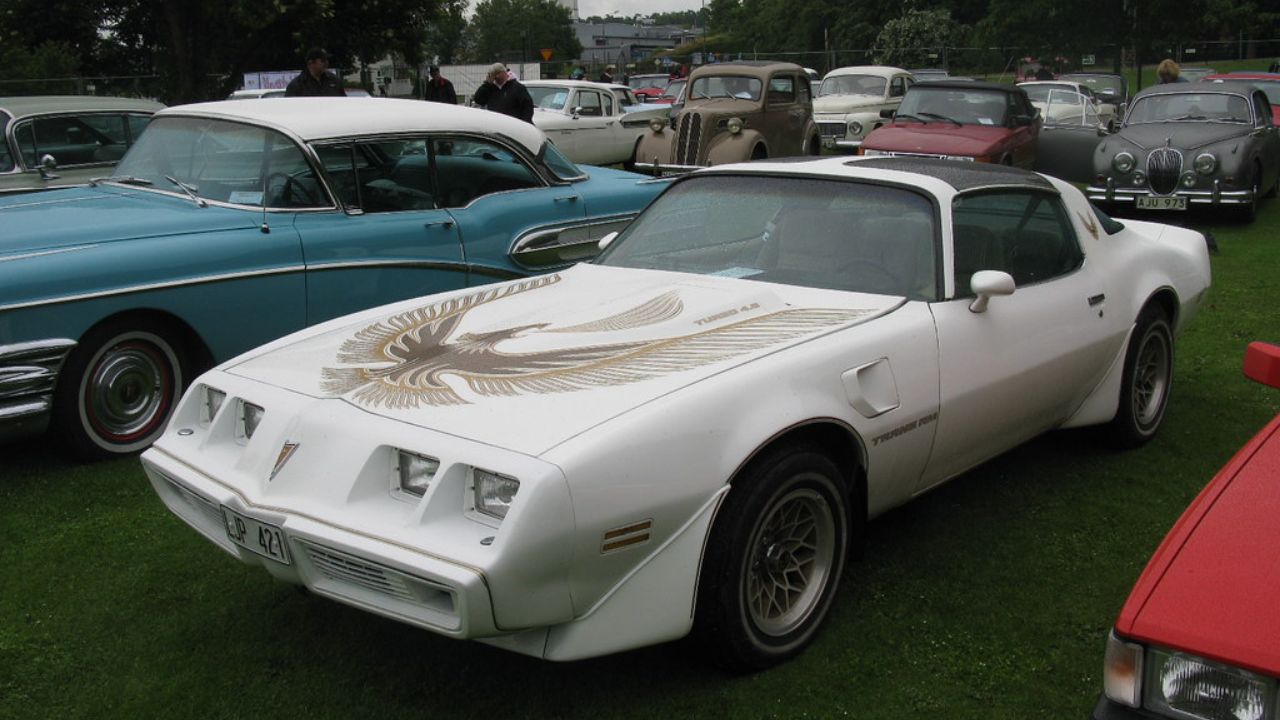
By 1981, the Mustang had gone full compact, the Camaro was aging fast, and most muscle cars had already been put out to pasture. The Trans Am kept going strong, outselling many competitors and staying culturally relevant.
Thanks to movies, TV, and its own styling, the ’81 Trans Am maintained its image even as the power wars faded. It was one of the last American V8 coupes still clinging to its identity—and doing it convincingly.
It’s Becoming a Collector Sweet Spot

Prices for ’81 Trans Ams are still manageable compared to early second-gens and Bandit-era cars, but that’s changing. Turbo cars and WS6-equipped examples are climbing, especially with factory documentation.
They’re also easier to maintain than many exotics from the same era. Parts are out there, and the community is strong. If you want a vintage car with charisma and a bit of practical usability, the ’81 is still in reach—for now.
It Represents the End of an Era
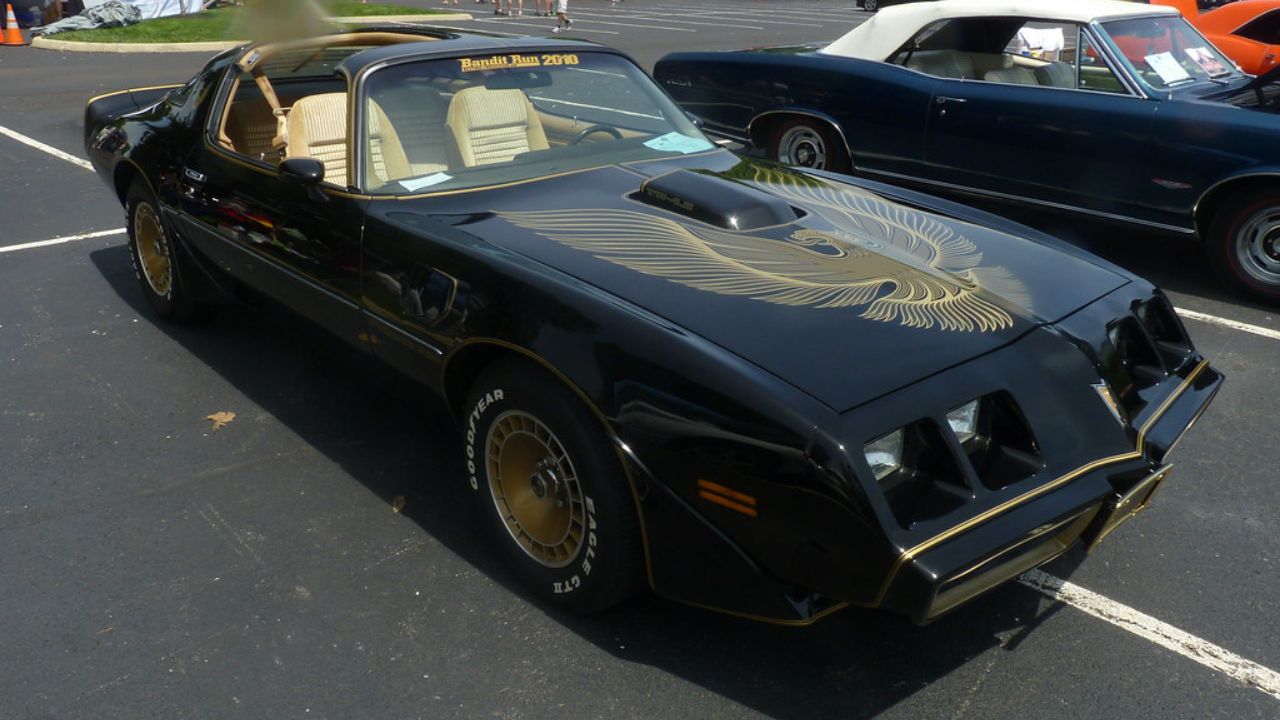
The ’81 Trans Am wasn’t just the last of its generation—it was the last Trans Am before the third-gen redesign took the car in a very different direction. That makes it a closing chapter in the muscle car story.
It may not have had the brute force of earlier models, but it carried the spirit into a new decade. For that reason alone, it earns its place. It was the last time a factory Trans Am really felt like it was built to make a statement.
Like Fast Lane Only’s content? Be sure to follow us.
Here’s more from us:
*Created with AI assistance and editor review.