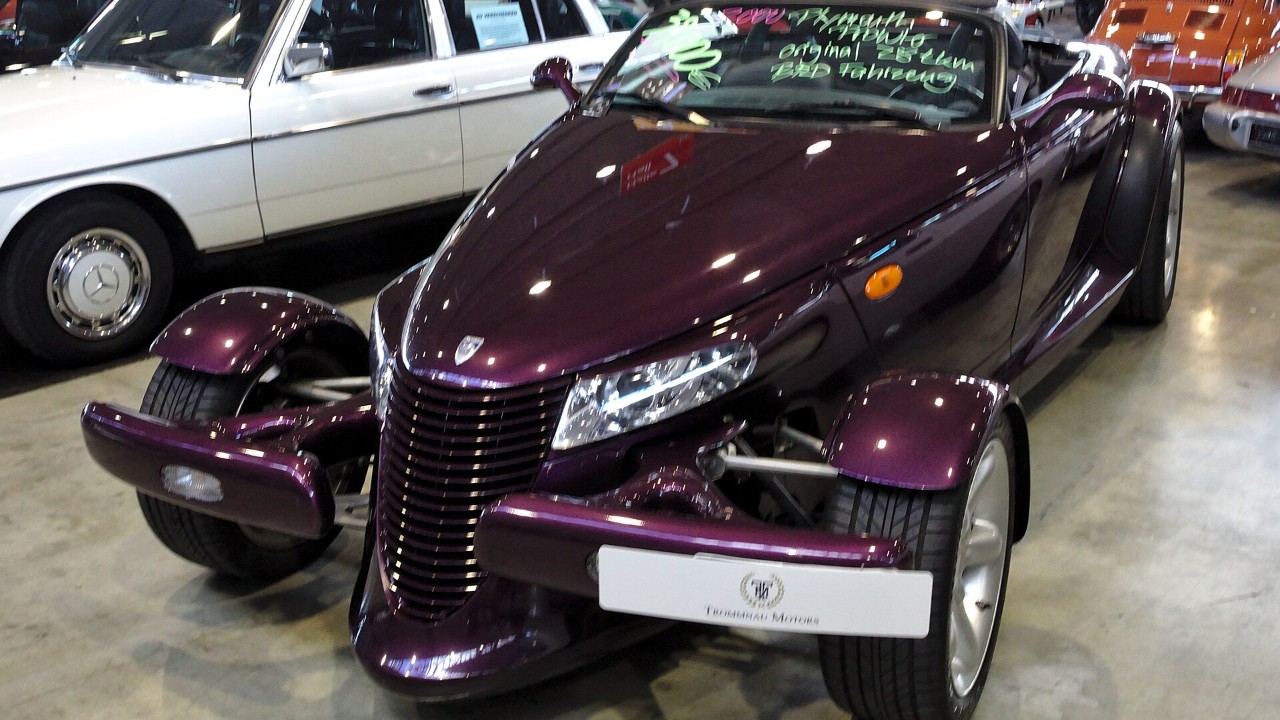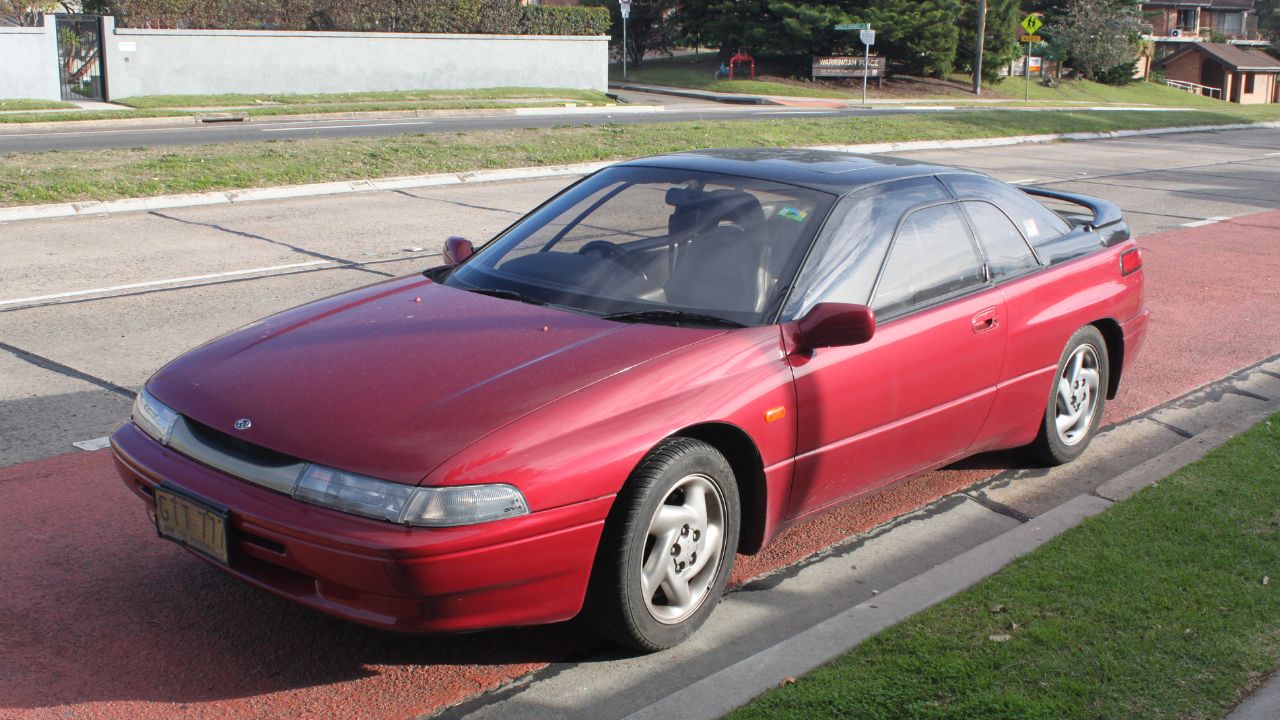
American muscle cars owned the spotlight, but some imports showed up with less flash and more balance. These were the quiet contenders—turbocharged sedans, agile coupes, and sleeper wagons that could surprise a V8 in the right conditions. Here are ten import sleepers that earned respect where it counted: on the street.
1991 Nissan Sentra SE-R
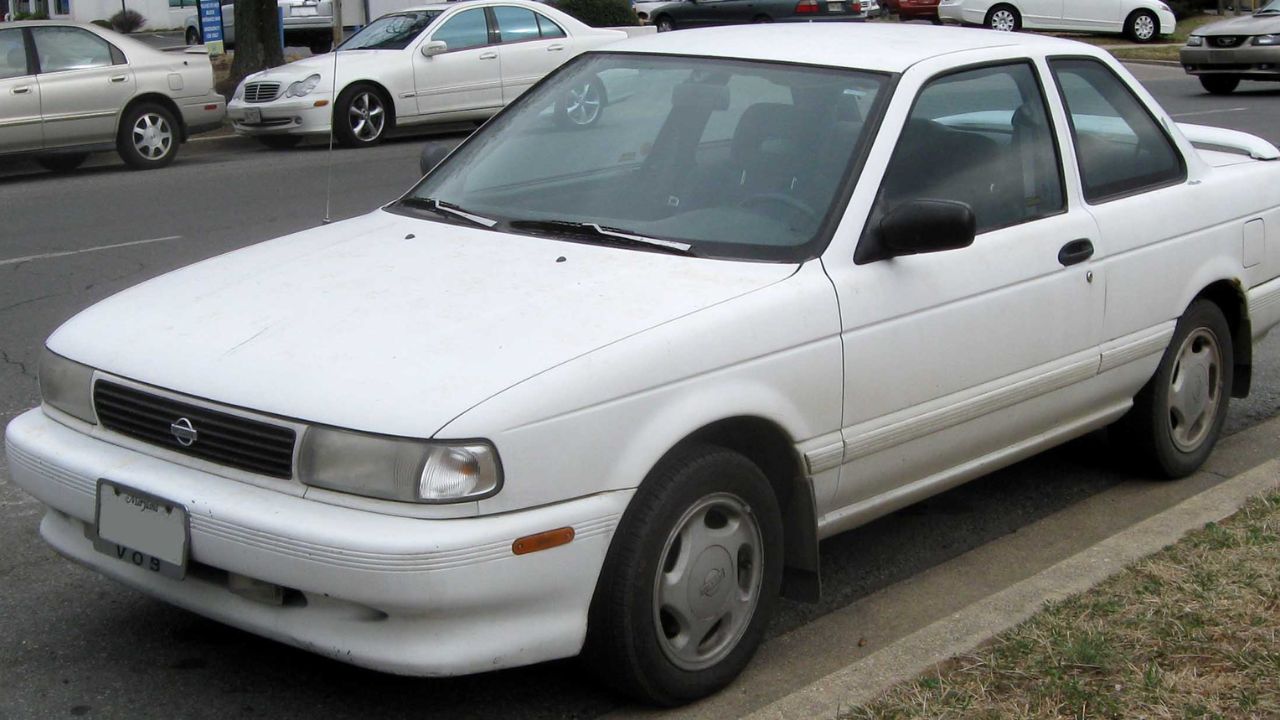
On paper, it was just a compact sedan. But the SE-R came with a 2.0L SR20DE four-cylinder making 140 hp, paired to a 5-speed manual and independent rear suspension. It weighed under 2,500 pounds and had serious balance.
0–60 came in around 7.5 seconds, but on a twisty road or autocross course, it embarrassed plenty of V8s. The cloth seats, basic interior, and sleeper styling made it easy to underestimate. But for the price, it was one of the sharpest-handling imports of its time.
1986 Toyota Cressida

The Cressida looked like a sedan for retired accountants, but it hid a 2.8L DOHC inline-six and rear-wheel drive layout. With some tweaking, it could match early Supras in performance—and many shared their engine parts directly.
The four-speed automatic dulled it a bit from the factory, but swap in a manual, and it woke right up. It rode on MacPherson struts up front and had a fully independent rear—unusual for a luxury import in the ’80s. The understated styling made it an excellent sleeper.
1989 Mitsubishi Galant VR-4
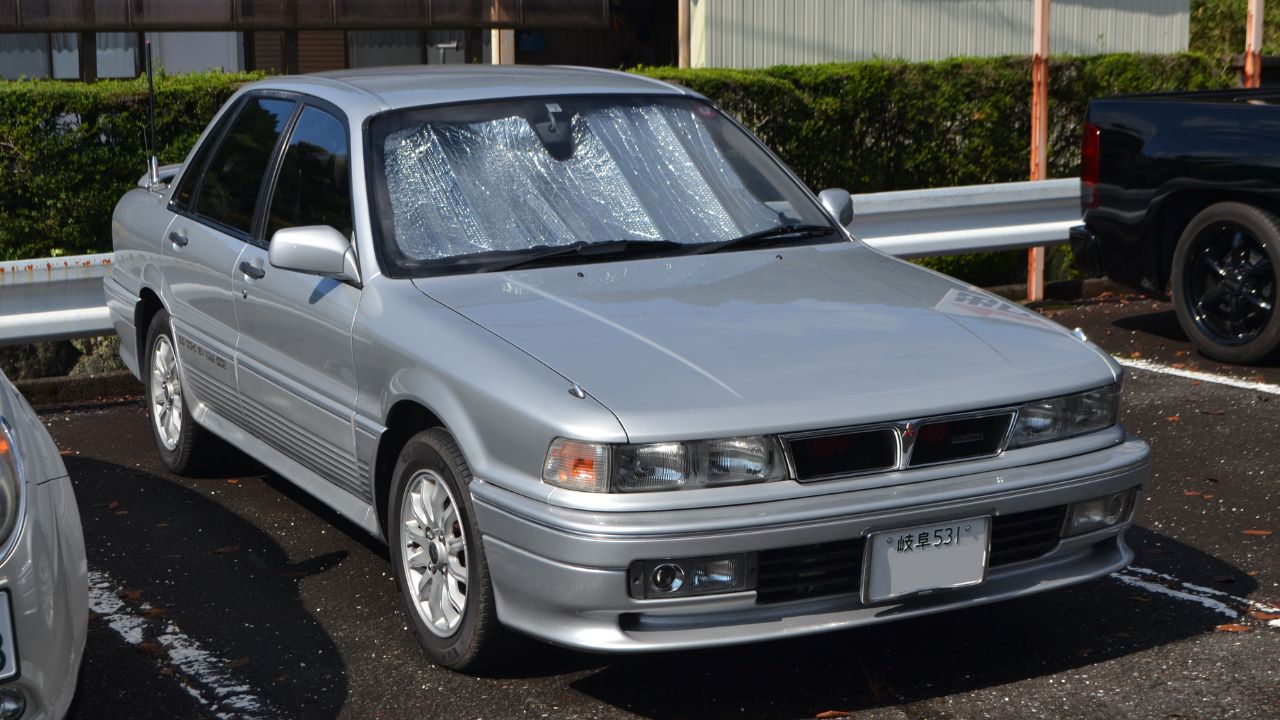
Before the Evo came stateside, the Galant VR-4 was Mitsubishi’s turbo AWD flagship. The 2.0L 4G63 made 195 hp, and the drivetrain split torque 50/50 through a viscous center diff. It also had four-wheel steering.
It ran mid-14s in the quarter and cornered like a sport sedan twice the price. Only a few thousand were imported, mostly in muted colors. Cloth seats, a low-profile wing, and fog lights were all that hinted at what it could do. Muscle cars had torque—but this had grip.
1973 Datsun 610 Wagon
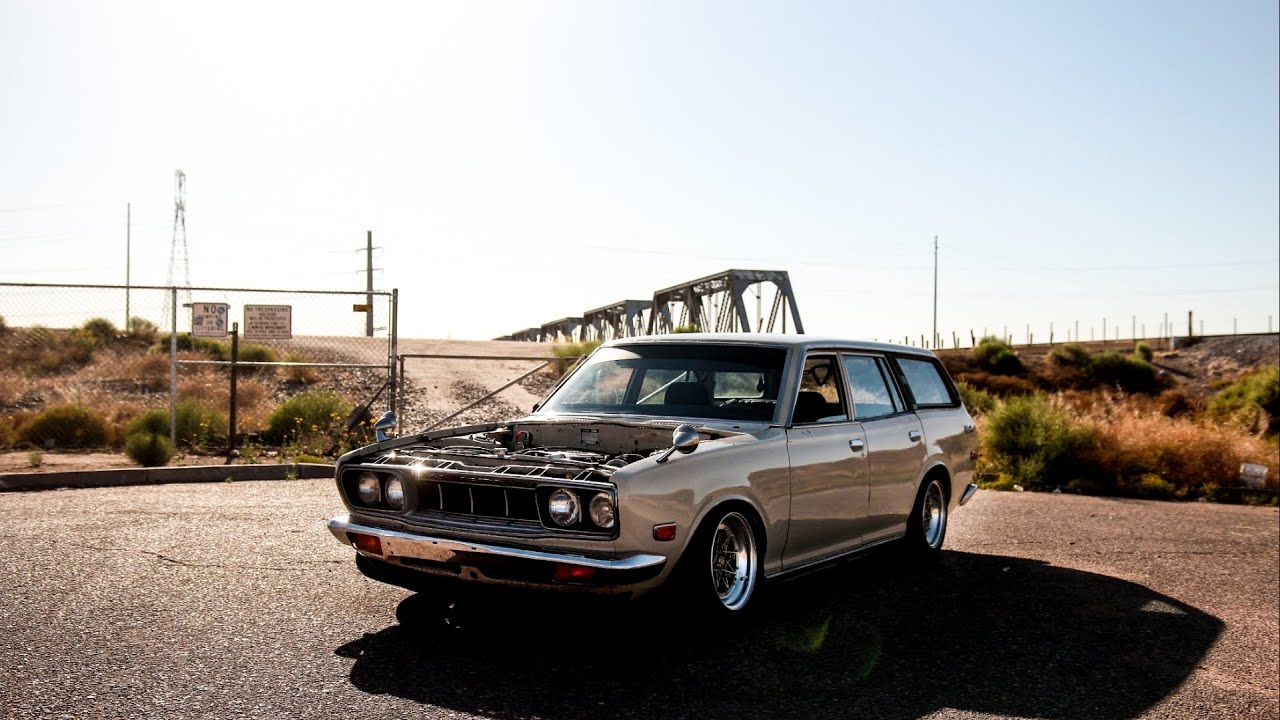
Datsun’s 610 wagon with the optional L20B 2.0L engine wasn’t fast off the lot—but it had potential. With dual carbs, a 5-speed from a 280Z, and suspension tuning, it became a track-day favorite among import builders.
Rear-wheel drive and a light chassis gave it better agility than most ’70s domestic wagons. Inside, it was basic—vinyl benches and a spartan dash—but the engine bay could fit bigger inline-sixes or even small-block swaps. On the strip or street, it earned its respect the hard way.
1993 Mazda MX-6 GT
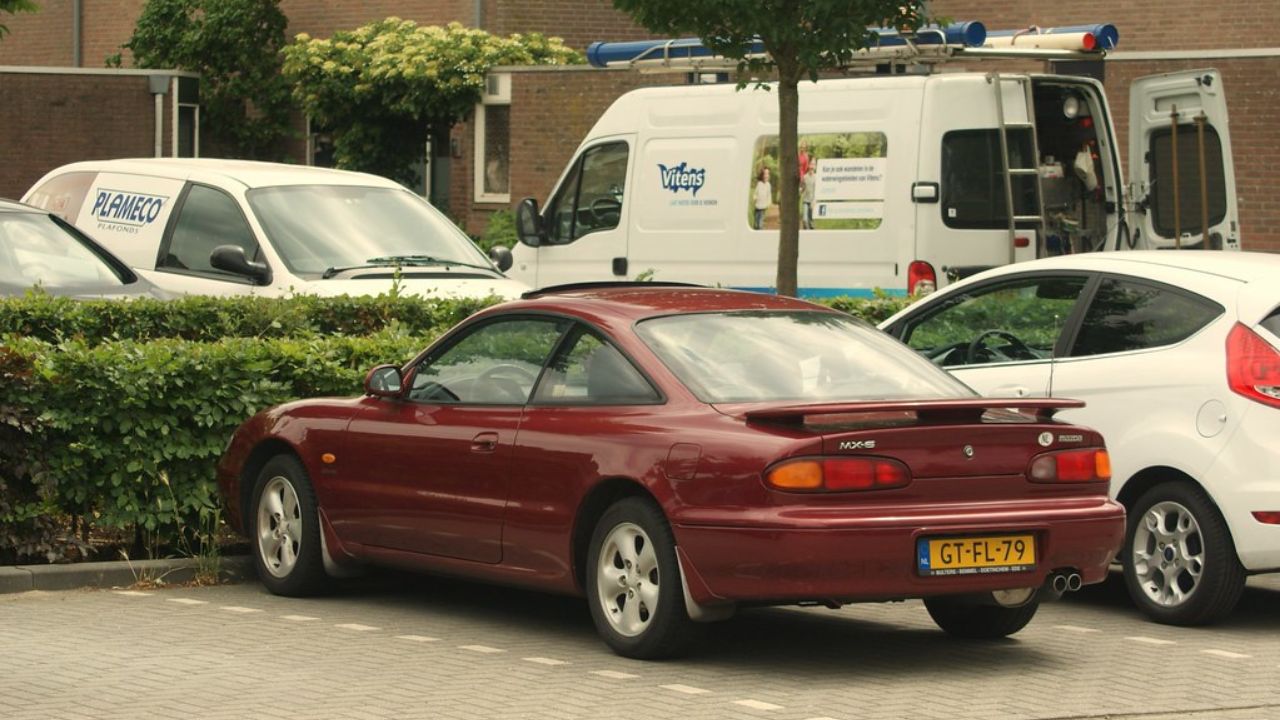
The MX-6 GT flew under the radar in the early ’90s. With a turbocharged 2.2L inline-four and 5-speed manual, it made 145 hp and a stump-pulling 190 lb-ft of torque. It was front-wheel drive, but torque steer was manageable.
Its simple coupe design made it look more like a commuter than a contender. But it could run neck-and-neck with 5.0 Mustangs of the same era, especially from a roll. The interior was tight but driver-focused, with supportive cloth buckets and a clear gauge layout.
1972 BMW 2002tii
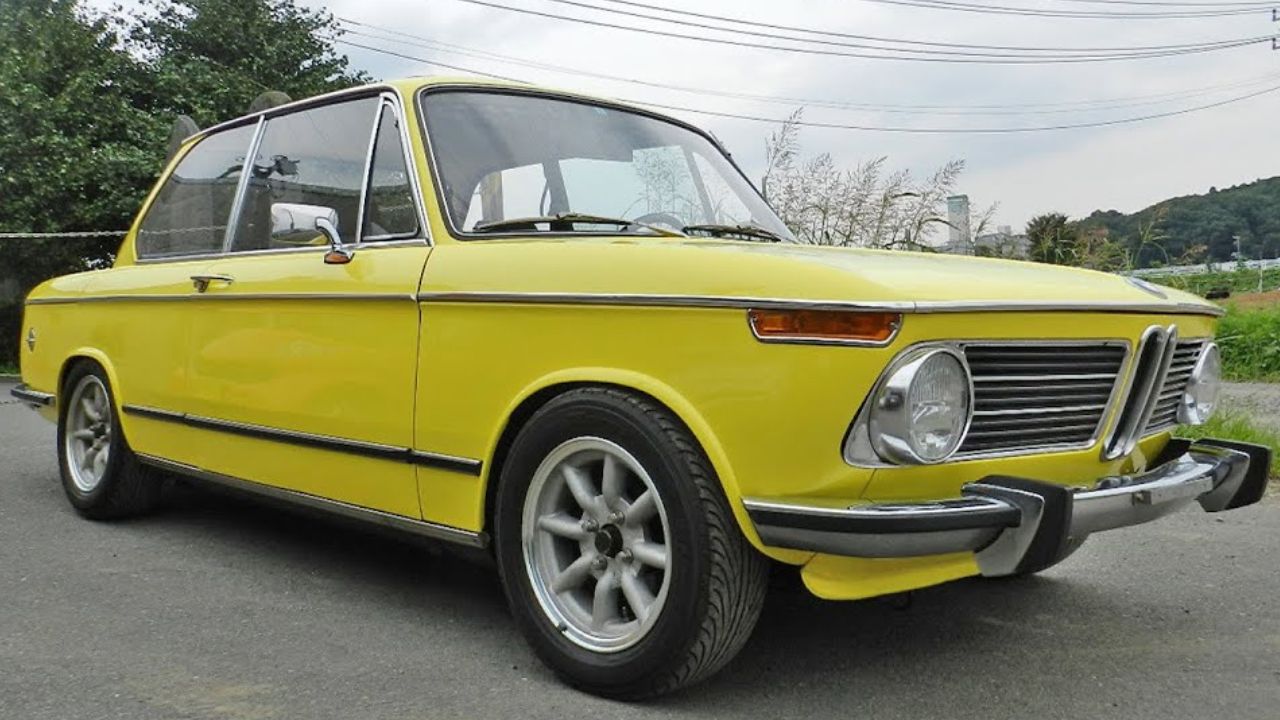
The 2002tii didn’t have big horsepower, but its 2.0L mechanical fuel-injected four made 130 hp and handled better than most American muscle from the same period. It weighed just over 2,300 lbs and had a tight, responsive chassis.
On backroads, it was surgical. The thin pillars, upright driving position, and analog gauges gave it a direct feel. It wasn’t built to win drag races, but in road course or rally settings, it absolutely could outpace a big V8 that didn’t know how to turn.
1992 Subaru SVX

Designed by Giugiaro, the SVX came with a 3.3L flat-six making 230 hp, paired with all-wheel drive and a four-speed auto. It wasn’t light, but its grip and midrange punch made it a surprise on fast backroads.
Its signature aircraft-style windows and grand touring interior confused some buyers, but in the right hands, it could hold its own. The flat-six gave it a smooth power band, and though not a straight-line weapon, it could hang with plenty of muscle cars in real-world conditions.
1981 Toyota Celica Supra (MK1)
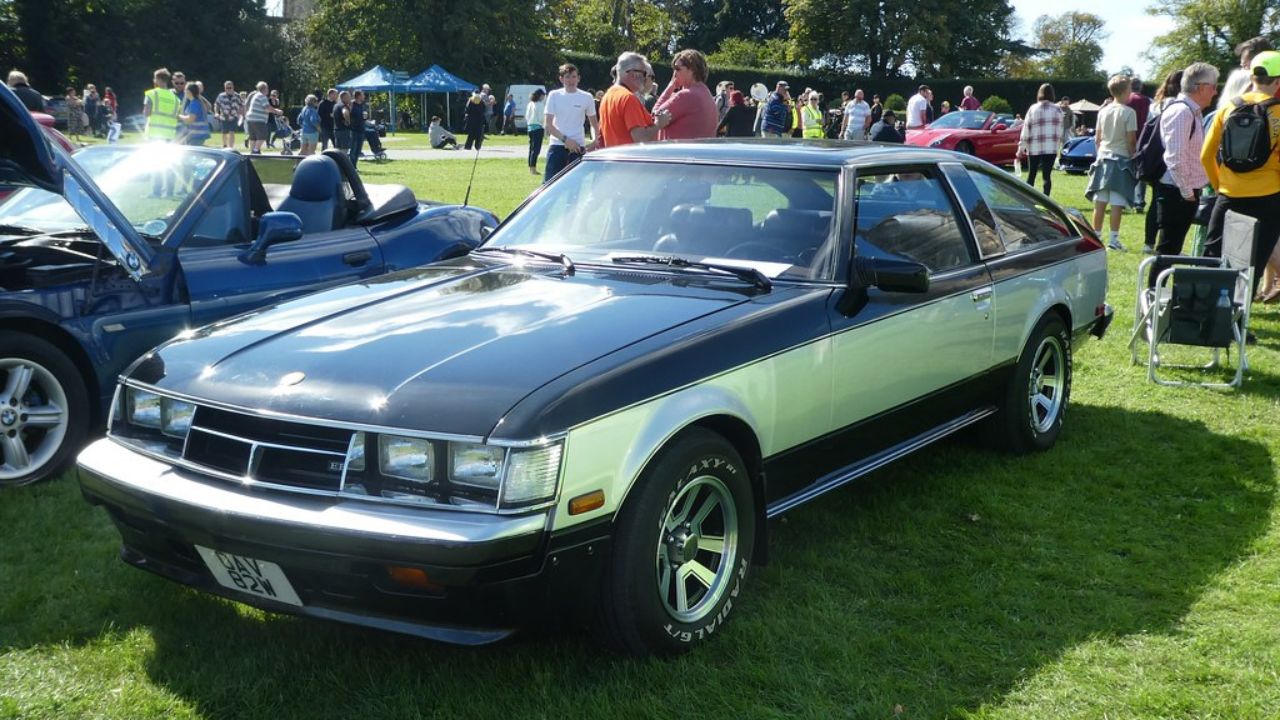
The first-gen Celica Supra added a 2.8L inline-six to the Celica coupe and widened the front track. It made 116 hp—not much, but it was balanced, well-geared, and surprisingly quick on winding roads.
You got a digital clock, a sunroof, and supportive seats—pretty good kit for the time. With a bit of tuning, these engines could stretch past 150 hp. It didn’t shout, but it knew how to carry speed, especially when the road stopped being straight.
1991 Isuzu Impulse RS
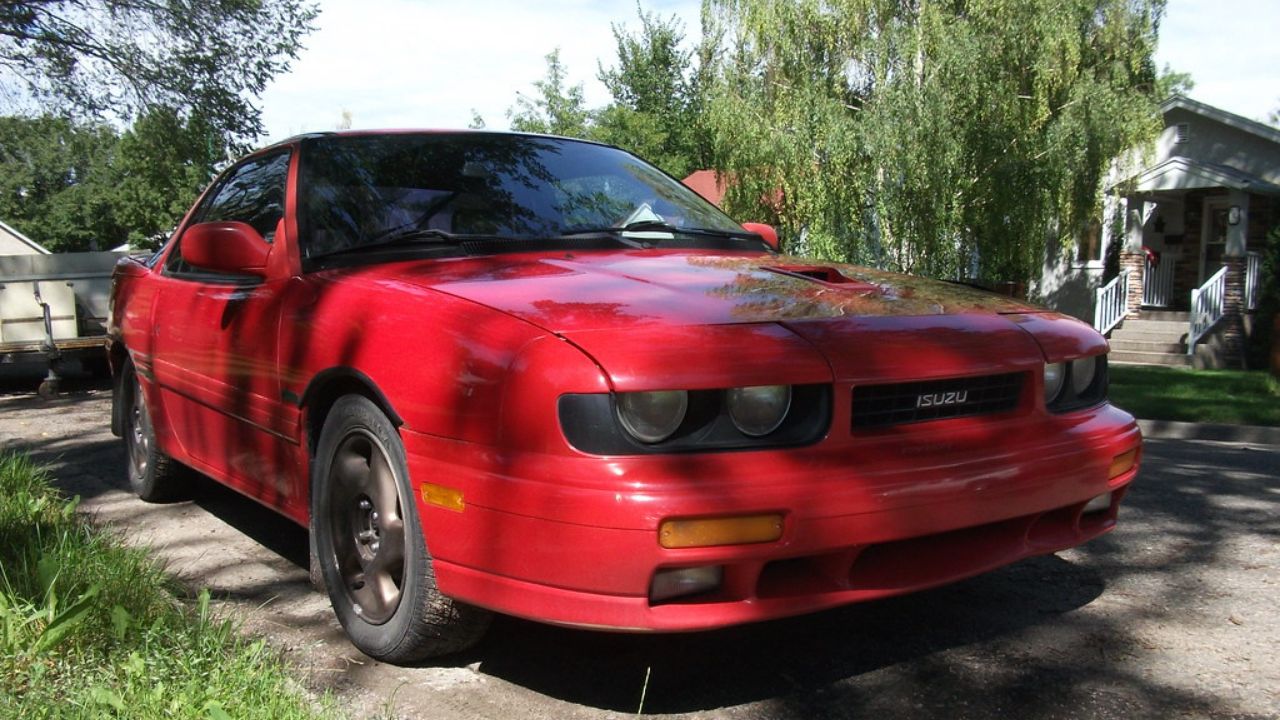
The Impulse RS was a short-lived all-wheel-drive turbo coupe with Lotus-tuned suspension and a 1.6L DOHC engine making 160 hp. It was light, responsive, and built for corners.
Only a few thousand made it to the U.S., making them rare even when new. Inside, it was all black plastics and tight-fitting buckets. The AWD system helped it put power down cleanly, and in the rain, it could humiliate bigger rear-drive cars struggling for grip.
1987 Peugeot 505 Turbo
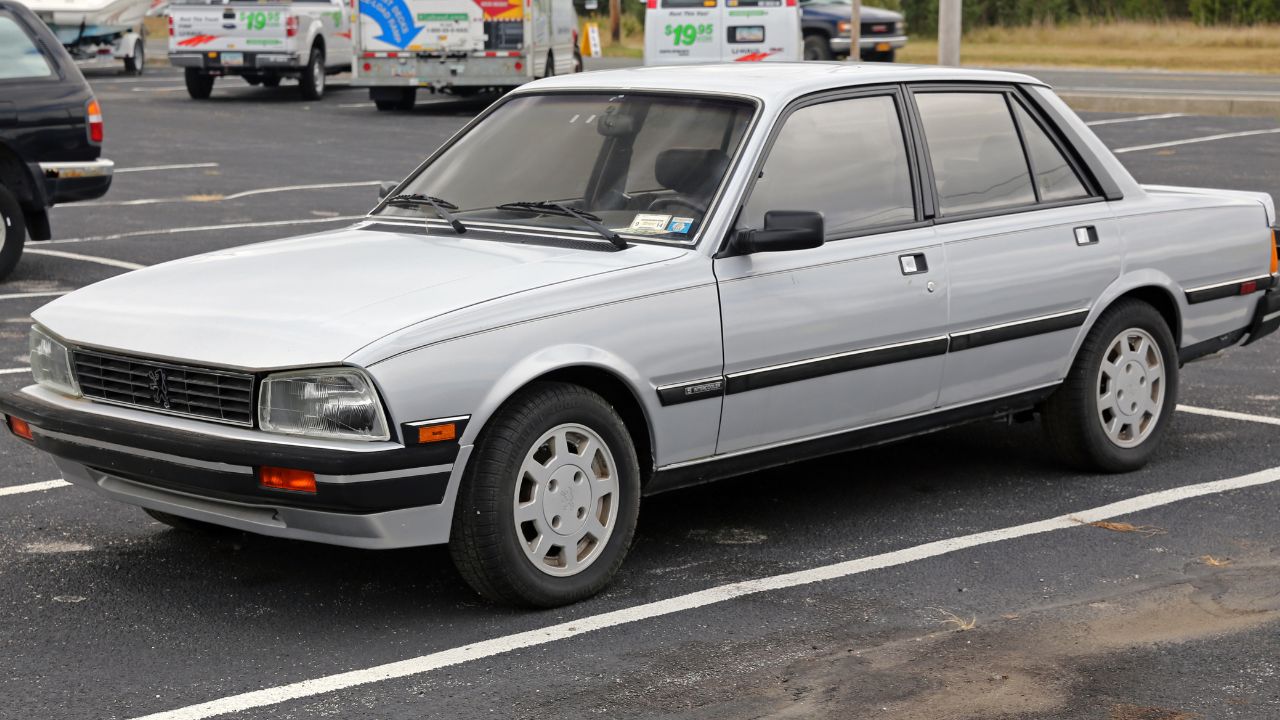
Yes, a French sedan made this list. The 505 Turbo used a 2.2L turbocharged four with up to 180 hp, and came with a 5-speed and rear-wheel drive. The suspension was supple but tight enough to handle serious twisty roads.
It had reclining rear seats, analog gauges, and a surprisingly sporty steering wheel. These cars were quiet sleepers—rare, underappreciated, but capable. Against muscle cars on a winding back road, they were often quicker point-to-point. Reliability was mixed, but the performance was no joke.
Here’s more from us:
*Created with AI assistance and editor review.