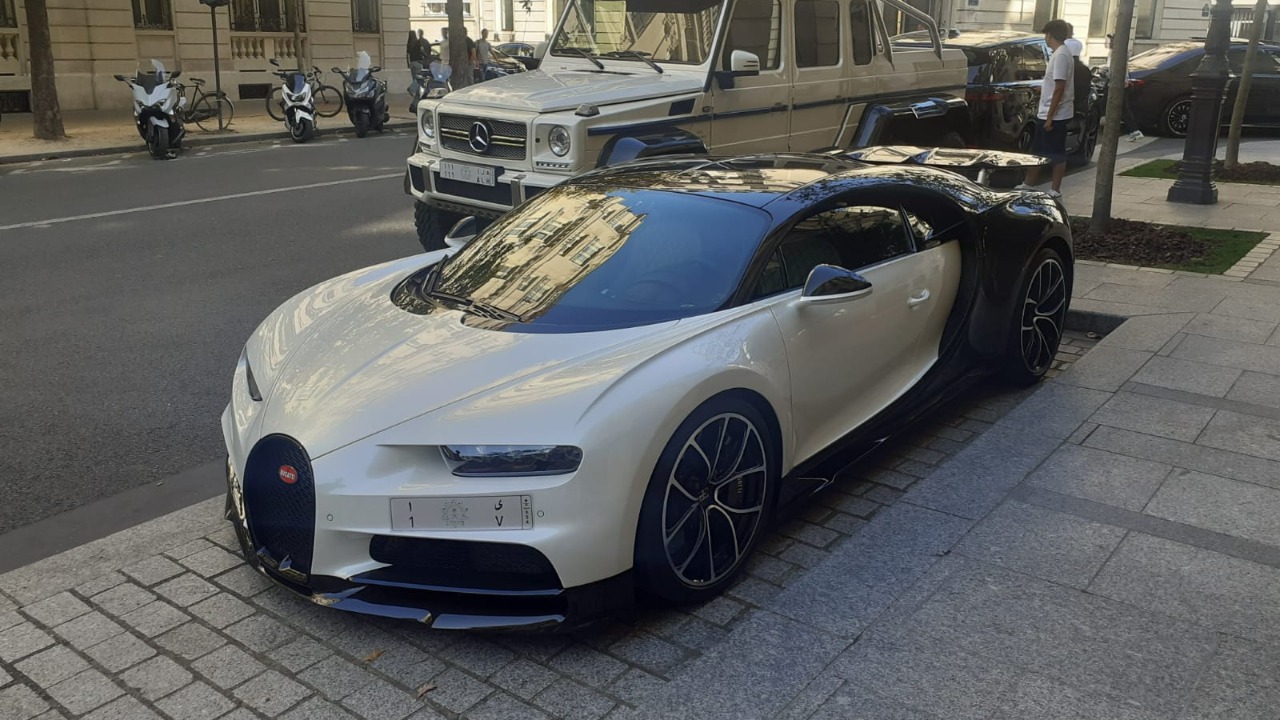
The Bugatti Chiron arrived as a statement of intent, not just a faster sequel to the Veyron but a reset of what a road‑legal car could be. Even as its production run closes, the Chiron still frames how engineers, rival brands and collectors think about the outer limits of performance, luxury and price. The hypercar world has moved on to electrification and hybrids, yet the Chiron’s blend of outrageous speed, craftsmanship and engineering excess continues to define the frontier everyone else is chasing.
That enduring influence is not nostalgia. It is baked into how the car was conceived, how it evolved, and how Bugatti is now positioning its V16 hybrid successor. From the first sketches to the final “L’Ultime” edition, the Chiron has been treated as a benchmark, a rolling manifesto that still shapes the next generation of hypercars.
The Chiron as a deliberate benchmark, not just a flagship
Bugatti never pretended the Chiron was simply another model in a range. It was framed from the outset as the company’s most extreme expression of what a road car could be, a machine designed to sit at the absolute top of the automotive pyramid. In keeping with that ambition, the brand’s leadership described the Chiron as “the best, most extraordinary vehicle in the world,” a line that captured how Jan and his team saw the car as a reference point for everyone else rather than a niche curiosity, a positioning that still shapes how rivals measure their own halo projects against the Chiron.
That benchmark status matters because hypercars are as much about symbolism as speed. When a manufacturer declares that a car like the Chiron represents its ultimate capabilities, it sets expectations for engineering, materials and performance that ripple through the rest of the industry. The Chiron’s role as a halo product has influenced everything from how other brands talk about top speed and acceleration to how they justify seven‑figure price tags, and it is this symbolic weight that keeps the car at the center of hypercar conversations even as newer models arrive.
From Veyron to Chiron, raising the bar for power and refinement
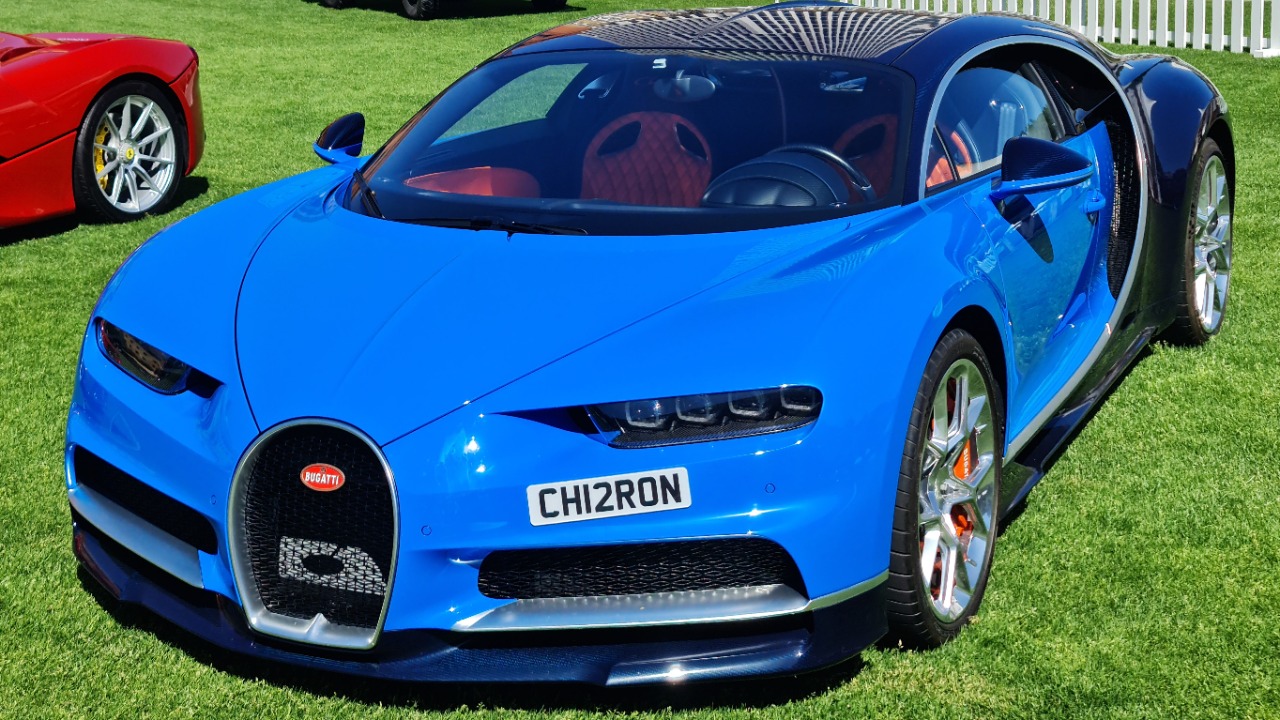
The Chiron did not emerge in a vacuum. It was conceived as a direct response to the Veyron, a car that already seemed to stretch physics, yet Bugatti’s engineers set out to eclipse it in every measurable way. On the face of it, that might have looked like an impossible task, but the Chiron’s development proved that the company could deliver even more power, control and comfort than its predecessor, with reports noting how the new car was “even better than the Veyron” in the way it combined brutal acceleration with a more composed and usable character, a step change that underlined how far the On the road experience had evolved.
That progression from Veyron to Chiron also reset expectations for what a hypercar interior and driving environment should feel like. Instead of treating comfort and craftsmanship as afterthoughts to raw speed, Bugatti used the Chiron to show that a car capable of extreme performance could also deliver a level of refinement more often associated with grand tourers. The result was a new template for rivals, who now had to match not only the Chiron’s power figures but also its ability to cocoon the driver in a cabin that felt as meticulously engineered as its drivetrain.
“If comparable, it is no longer Bugatti”: the philosophy that keeps the frontier moving
Bugatti’s internal mantra, “If comparable, it is no longer Bugatti,” explains why the Chiron still defines the edge of the segment even as its production winds down. The company traces its modern lineage from the Veyron 16.4 to the Chiron and now to a new chapter that will debut over the summer, and it has made clear that each step must be incomparable to what came before. In June, the modern‑day line that began with the Veyron 16.4 will welcome its latest evolution, with Bugatti positioning that car as a continuation of a philosophy rather than a simple replacement, a stance laid out in detail in a Bugatti briefing that explicitly ties the new model back to the Chiron’s role as a standard‑setter.
That philosophy also explains why the Chiron’s successor is not a modest evolution but a radical technical shift. Bugatti has signaled that the next car will adopt a V16 hybrid layout, a configuration chosen not just for power but to ensure that the new flagship cannot be directly compared to anything else on the road. By insisting that each generation must stand apart, the company effectively locks in the Chiron’s status as the defining car of its era, the reference point against which this new V16 hybrid will be judged.
The V16 hybrid successor and the research behind the next benchmark
The Chiron’s influence is most obvious in how Bugatti is developing its successor. Internal discussions have focused on setting new benchmarks in powertrain design and performance, with early details pointing to a V16 engine paired with electrification to create a fresh standard for the segment. Reports describing the project as an Exclusive look at how the Bugatti Chiron successor will use a V16 layout and advanced design to establish new benchmarks highlight how the company is using the Chiron’s achievements as a baseline to surpass rather than a ceiling to respect.
Behind that decision sits a broader technical rationale. Analysis of why Bugatti is moving away from the W16 architecture points to the advantages of a new configuration, including immense power potential, a large displacement and a uniquely designed twin quad turbo VR8 setup that is described as perfectly suited to the next generation of hypercars. A detailed breakdown of the V16 concept explains how these choices are intended to deliver both higher performance and greater efficiency, with one technical deep dive on the shift to V16 outlining how the new layout and its twin quad turbo VR8 arrangement will replace the W16 for future models, a move explored in depth in a Sep analysis of why Bugatti stopped producing the W16.
Hybridization without compromise and the Chiron’s role in that transition
Bugatti’s decision to embrace hybridization for its next hypercar is not a retreat from the Chiron’s values but an extension of them. The company has confirmed that the successor will use a V16 hybrid powertrain, positioning it as a “New Bugatti hypercar” that combines a V16 engine with electric assistance to deliver even more dramatic performance. That car is set for a reveal in June, with the brand making clear that the hybrid system is designed to enhance, not dilute, the visceral qualities that defined the New Bugatti Chiron.
In that context, the Chiron becomes the bridge between pure combustion hypercars and a new era of electrified flagships. Its combination of extreme power, stability and luxury has set expectations for what a hybrid Bugatti must deliver, forcing engineers to ensure that any electric components serve the same pursuit of effortless speed and refinement. The Chiron’s legacy is therefore not just historical; it actively shapes the technical and emotional targets for the V16 hybrid that will follow.
“L’Ultime” and the way Bugatti closes an era
The final chapter of the Chiron story, the “L’Ultime” edition, underlines how carefully Bugatti manages the narrative around its halo cars. Since its breathtaking global debut in Geneva eight years ago, the Chiron has been presented as the most powerful, fastest and luxurious car in the brand’s history, and the closing series of cars is framed as a celebration of that status. The company has emphasized how the Chiron’s top speed performance and opulent specification made it incomparable within its segment, a point underscored in a detailed look at how the model has evolved since its first appearance in Geneva and how “L’Ultime” marks the end of that incomparable era.
By closing the Chiron’s run with such a carefully curated finale, Bugatti reinforces the idea that this car is not just another model being replaced but the definitive expression of a particular phase in hypercar history. That sense of finality, combined with the anticipation around the V16 hybrid successor, keeps the Chiron at the center of collector and enthusiast attention, ensuring that its influence will persist long after the last example leaves the factory.
A hypercar arms race shaped by Bugatti
The Chiron’s impact is also visible in how other brands position their own halo projects. The modern hypercar arena is a crowded field, with Ferrari, Porsche, Rimac and McLaren all vying for supremacy, yet Bugatti is still described as the epitome of luxury and performance in that contest. One overview of the current battle for hypercar dominance notes how Bugatti’s next creation promises to redefine the hypercar experience, placing it alongside the McLaren P1 successor P18 and other limited‑run exotics as the car everyone else must answer to, a dynamic captured in a report that opens with the line “But wait, the hypercar arena is about to get even hotter!” and singles out But Bugatti as a central player.
That competitive framing is a direct consequence of what the Chiron established. By setting such a high bar for power, speed and craftsmanship, Bugatti forced rivals to respond with increasingly ambitious projects of their own, from hybrid systems that chase similar performance numbers to design and interior treatments that try to match the Chiron’s sense of occasion. Even as the market shifts toward electrification and new technologies, the Chiron remains the yardstick by which these efforts are judged, a reminder that the hypercar frontier is still defined by the standards it set.