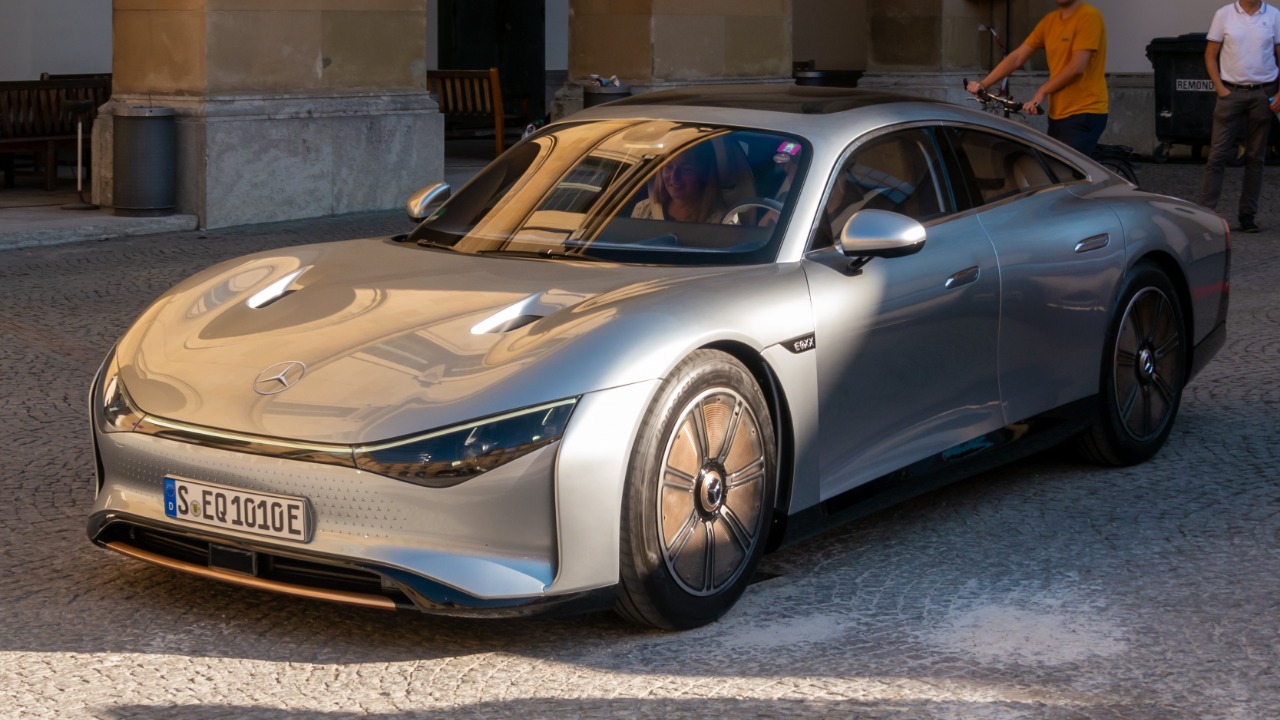
Electric performance is entering a new phase, one where outright speed matters less than how cleverly every electron is used. The Mercedes AMG EQXX concept sits right at that pivot point, hinting at a future in which fast EVs are defined as much by their efficiency and range as by their 0–60 times. If you want a preview of how tomorrow’s quick electric sedans will feel, look closely at what this sleek prototype is already doing on the road.
Instead of chasing ever-bigger batteries, the EQXX shows how smart packaging, software, and race-derived hardware can stretch a charge into serious distance without dulling the driving experience. I see it as a rolling lab for the next generation of performance EVs, one that quietly rewrites the rules for how far and how fast we can go on a single plug-in.
Efficiency as the new performance benchmark
For decades, performance has been shorthand for power, but the EQXX flips that script by treating efficiency as the real bragging right. Mercedes and Benz frame the VISION EQXX as a benchmark project, one that chases maximum range from a compact, lightweight package instead of simply stuffing in more cells. That mindset is exactly what fast EVs will need as drivers demand both thrilling acceleration and the ability to cover long distances without constant charging stops.
Underneath the show-car bodywork, the Mercedes and Benz Vision EQXX uses an Electric motor that is tuned for minimal losses rather than headline-grabbing peak output. The official specs describe a Permanent magnet setup that is paired with a highly optimized lithium-ion battery, and the whole system is designed so that more of the stored energy actually reaches the wheels instead of disappearing as heat, as detailed in the Mercedes Benz Vision EQXX overview. In practice, that means a car that may not chase supercar-level horsepower, yet still feels brisk while delivering the kind of range that makes high-speed road trips realistic.
Race-bred hardware, road-focused goals
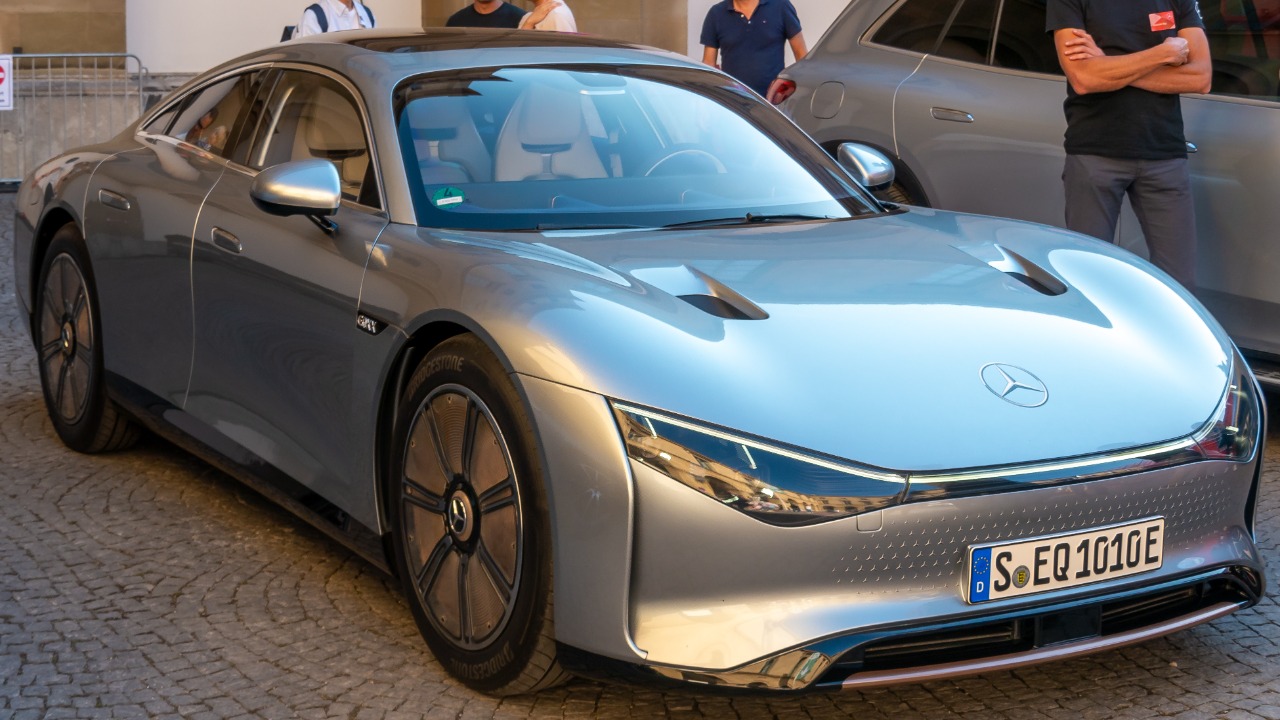
What makes the EQXX especially interesting to me is where its hardware comes from. The project is deeply tied to Mercedes AMG HPP, the group better known for building hybrid power units for top-level motorsport. On its own site, Mercedes AMG HPP calls the Vision EQXX an example of Advanced Technology and even describes it as a blueprint for the future. That is not marketing fluff so much as a signal that the same people who obsess over thermal efficiency and energy recovery on the track are now applying those skills to a road-going EV.
Instead of chasing lap times, that race-bred expertise is being redirected toward everyday gains like lower cooling drag, smarter inverters, and more compact packaging. The Vision EQXX is presented as a holistic system where the battery, motor, electronics, and aerodynamics are all tuned together, which is exactly how modern race cars are engineered. By treating the concept as a complete efficiency machine rather than a loose collection of parts, the AMG engineers are effectively prototyping how future fast EVs will be developed from the ground up.
High-voltage brains, not just brawn
If you want a concrete glimpse of how this philosophy feels on the road, look at how the EQXX uses its battery. Reports from early drives highlight that the car covers serious distance on a relatively modest pack, with one test noting that for a 100-kilowatt-hour battery, the achieved range is remarkable. That same drive points out that the steering and chassis feel communicative and responsive, which tells me the engineers did not sacrifice driving pleasure in the name of efficiency.
The secret lies in the electrical architecture as much as in the battery chemistry. The EQXX uses a 920-volt system that allows thinner cables, lower current, and less heat, all of which reduce weight and energy loss. Another detailed look at the car explains how the high-voltage layout enables thinner wires and lower power loss throughout the drivetrain, a point echoed in coverage of the EQXX drive that highlights how the high voltage, thinner wires, and lower weight work together to cut waste, as described in an EQXX high voltage breakdown. For future performance EVs, this kind of smart electrical design will be just as important as adding more motors.
From concept range to real-world road trips
Range numbers are where the EQXX really starts to hint at a different kind of fast EV. One detailed drive report notes that the Mercedes EQXX can travel 621 miles on a charge, a figure that would have sounded like science fiction for a sleek electric sedan only a few years ago. That same piece underscores how unusual it is to see 621 miles paired with a 100-kilowatt-hour pack, reinforcing the idea that the gains come from efficiency rather than brute-force capacity, as highlighted in the Mercedes EQXX can travel 621 miles analysis.
Mercedes and Benz are already talking about how this kind of range will migrate into production. The company has said that a 650-Mile Electric Powertrain Arrives in Two Years, pointing to the upcoming MMA platform as the bridge between the EQXX concept and showroom cars. In other words, the lessons learned from this prototype are not being left on the auto-show stand, they are being baked into the MMA architecture that will underpin compact and midsize EVs. For drivers, that means the idea of a fast electric car that can comfortably handle a full day’s highway driving without a long charging stop is moving from theory to practice.
Designing speed around the battery, not despite it
What I find most compelling about the EQXX is how its design treats the battery as the starting point rather than a necessary burden. Official material on the VISION EQXX emphasizes that Mercedes and Benz did not simply make the battery bigger, they rethought the entire vehicle around efficiency, from the slippery body to the lightweight interior. The company describes the VISION EQXX as a new benchmark of efficiency that focuses on long-distance journeys, a point made clear in its own VISION EQXX design brief.
That design-first approach extends to the way the car looks and feels. The official preview of the VISION EQXX talks about Breaking rules to break records, positioning the car as a premium electric sedan that pushes architecture to a whole new level. The language around Breaking rules is not just about styling flourishes, it reflects a willingness to question assumptions about how thick the doors need to be, how much cooling air the front end really requires, and how the cabin can be made lighter without feeling cheap. For future fast EVs, that kind of holistic rethink is what will allow designers to deliver both dramatic looks and the low drag needed for serious range.
The EQXX as a roadmap for fast EVs
Put all of this together and the EQXX starts to look less like a one-off showpiece and more like a roadmap. The project is explicitly described as the Vision EQXX, a name that signals its role as a forward-looking concept rather than a simple styling exercise. The way Mercedes and Benz talk about the car, from the Electric motor and Permanent magnet hardware to the carefully tuned battery pack, shows that it is meant to influence a whole family of vehicles, as outlined in the Vision EQXX technical summary.
For drivers who care about speed, the message is clear. The next wave of quick EVs will not just bolt bigger motors onto heavier platforms. Instead, they will follow the EQXX template: race-derived engineering from groups like Mercedes AMG HPP, ultra-efficient high-voltage systems, carefully sculpted aerodynamics, and interiors that save weight without sacrificing comfort. As I see it, the future of fast electric cars will be defined by how gracefully they turn limited energy into motion, and on that front, the EQXX is already driving a few years ahead of the pack.