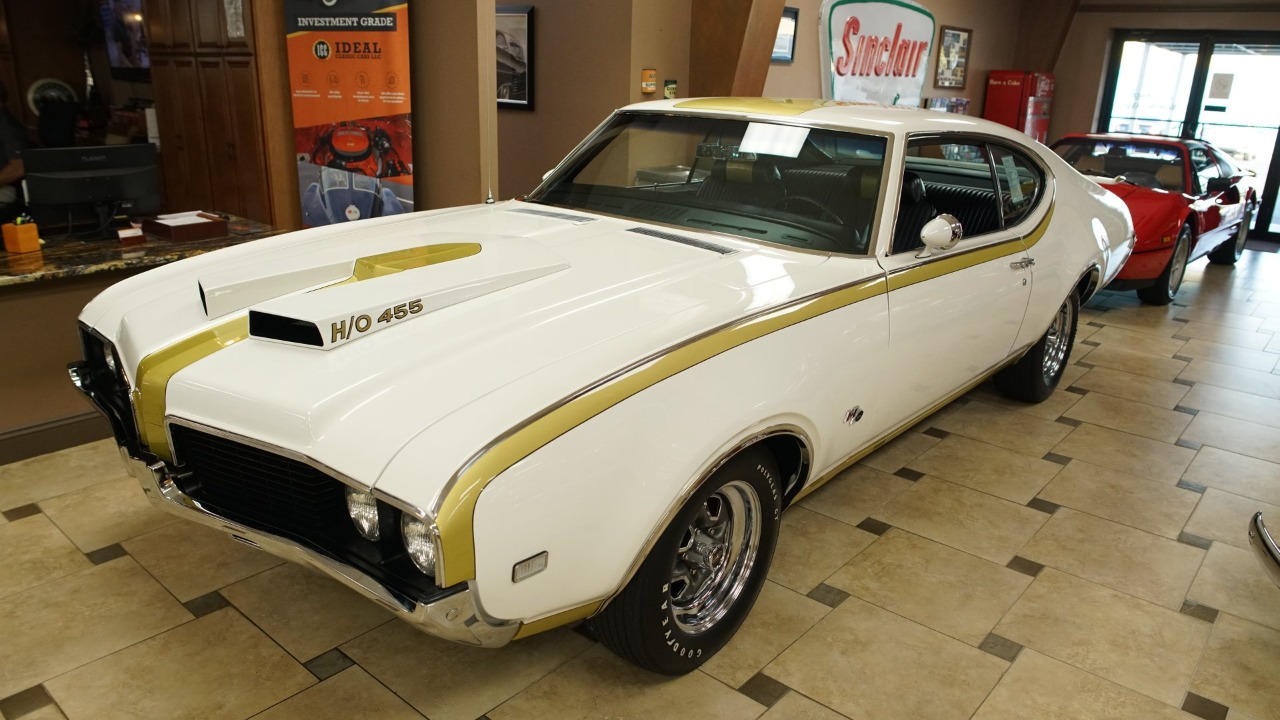
The Hurst/Olds, a collaboration between Hurst Performance and Oldsmobile, transcended its origins as a mere option package to become a celebrated icon in American automotive history. Its combination of performance, style, and cultural significance has cemented its place in the hearts of automotive enthusiasts and collectors alike. Understanding the journey of the Hurst/Olds reveals why it became much more than just another option on a dealership’s lot.
Origins of the Hurst/Olds
The collaboration between Hurst Performance and Oldsmobile began in the late 1960s, during an era when American muscle cars were gaining unprecedented popularity. The muscle car craze was fueled by a desire for speed and performance, leading manufacturers to produce high-powered vehicles that captured the imagination of the public. Hurst Performance, known for its aftermarket performance parts, saw an opportunity to partner with Oldsmobile to create a vehicle that would stand out in a crowded market.
The first iteration of the Hurst/Olds debuted in 1968, offering a package that included unique styling cues and performance enhancements. This model featured a distinctive black-and-gold color scheme, which was immediately recognizable and set it apart from standard Oldsmobile offerings. Key features included a powerful 455 cubic inch V8 engine, which not only provided impressive horsepower but also established the Hurst/Olds as a serious contender in the muscle car segment. The fusion of Hurst’s performance prowess with Oldsmobile’s engineering expertise resulted in a vehicle that appealed to both enthusiasts and everyday drivers alike.
Technical Innovations and Performance Features
One of the standout features of the Hurst/Olds was its use of the Oldsmobile 455 engine. This powerhouse was capable of delivering a staggering 365 horsepower, making it one of the most formidable engines of its era. The engine’s design incorporated a high-performance intake manifold, which improved airflow and maximized power output. Additionally, the Hurst/Olds was equipped with a unique Hurst Dual Gate shifter, a revolutionary feature that allowed drivers to shift between automatic and manual modes seamlessly. This innovation not only enhanced the driving experience but also underscored the car’s performance-oriented ethos.
Beyond the engine and transmission, the Hurst/Olds benefitted from significant suspension upgrades that improved handling and ride quality. Engineers meticulously designed the suspension system to provide a balance between performance and comfort, allowing drivers to tackle both city streets and winding roads with confidence. The inclusion of larger wheels and tires further contributed to enhanced grip and stability, solidifying the Hurst/Olds as a well-rounded performer. These technical innovations were not merely marketing gimmicks; they represented a genuine commitment to delivering an exhilarating driving experience.
Cultural Impact and Market Reception
The Hurst/Olds quickly emerged as a symbol of the American muscle car era, particularly throughout the 1970s. Its distinctive appearance and powerful performance captured the attention of car enthusiasts and casual drivers alike. The marketing strategies employed by Hurst and Oldsmobile played a crucial role in positioning the Hurst/Olds as a premium offering. Advertisements often highlighted the vehicle’s unique features and performance credentials, appealing to a demographic that craved excitement and status.
In popular culture, the Hurst/Olds made various appearances in films and television shows, further solidifying its status as an icon. One notable example is its appearance in the classic 1971 film “Two-Lane Blacktop,” where it was featured prominently as a symbol of American car culture. Such appearances not only showcased the car’s design and performance but also helped to embed it in the collective consciousness of a generation. The Hurst/Olds was more than just a car; it was a cultural touchstone that represented freedom, rebellion, and the open road.
Evolution of the Hurst/Olds Lineup
From its inaugural model in 1968 to its last production run in 1988, the Hurst/Olds lineup underwent several changes and iterations. Each model brought unique features and refinements that reflected the evolving automotive landscape. For instance, the 1972 model introduced a more refined design that incorporated additional luxury elements, while still delivering the performance that enthusiasts had come to expect. These changes were a response to shifting consumer preferences and regulatory requirements, as the automotive industry faced increasing pressure to produce more fuel-efficient and environmentally friendly vehicles.
As the years progressed, the Hurst/Olds began to shift away from pure performance and leaned more towards luxury. The 1983 and 1984 models, for example, were equipped with more advanced technology and comfort features, catering to a market that was increasingly interested in a well-rounded driving experience. This evolution showcased Oldsmobile’s ability to adapt to market trends while still honoring the spirit of the original Hurst/Olds. However, many enthusiasts lamented the loss of raw performance that characterized the earlier models, sparking debates about the identity of the Hurst/Olds in the modern age.
Legacy and Collectibility
Today, the Hurst/Olds is regarded as a sought-after collector’s item, with values reflecting its significance in automotive history. Classic car auctions often feature well-preserved models that command impressive prices, demonstrating the enduring appeal of this iconic vehicle. Enthusiast clubs and communities dedicated to the Hurst/Olds play a vital role in preserving its history and fostering a sense of camaraderie among collectors. These groups often organize events, shows, and discussions that celebrate the legacy of the Hurst/Olds and keep its story alive for future generations.
The influence of the Hurst/Olds can also be seen in the design and engineering of modern muscle cars. Manufacturers today continue to draw inspiration from the bold styling and performance characteristics that defined the Hurst/Olds. The integration of technology and performance is a testament to the lasting impact that this model has had on the automotive landscape. Whether it’s in the design of a new muscle car or the nostalgia felt by collectors, the Hurst/Olds remains a significant part of American automotive culture.
The Hurst/Olds as a Cultural Icon
The lasting influence of the Hurst/Olds on automotive history is undeniable. It represents a unique melding of performance and style that resonated with drivers during its heyday and continues to do so today. As we reflect on its impact, it’s clear that the Hurst/Olds was not merely a vehicle; it was a cultural phenomenon that represented the spirit of an era.
Looking ahead, the Hurst brand has the potential for a resurgence in modern automotive discussions. As muscle cars evolve to meet the demands of a new generation, the principles of performance and innovation that defined the Hurst/Olds may once again take center stage. This potential revival could bring the Hurst name back into the spotlight, capturing the imagination of both new enthusiasts and those who fondly remember the original models.
More from Fast Lane Only
- Unboxing the WWII Jeep in a Crate
- 15 rare Chevys collectors are quietly buying
- 10 underrated V8s still worth hunting down
- Police notice this before you even roll window down
*Research for this article included AI assistance, with all final content reviewed by human editors.