Automotive design has evolved significantly over the decades, with some classic models leaving an indelible mark on the industry. These vehicles not only defined their eras but also set the stage for modern innovations. From pioneering mass production techniques to introducing groundbreaking designs, these cars have influenced countless new vehicles that grace the roads today.
The Ford Model T: Pioneering Mass Production
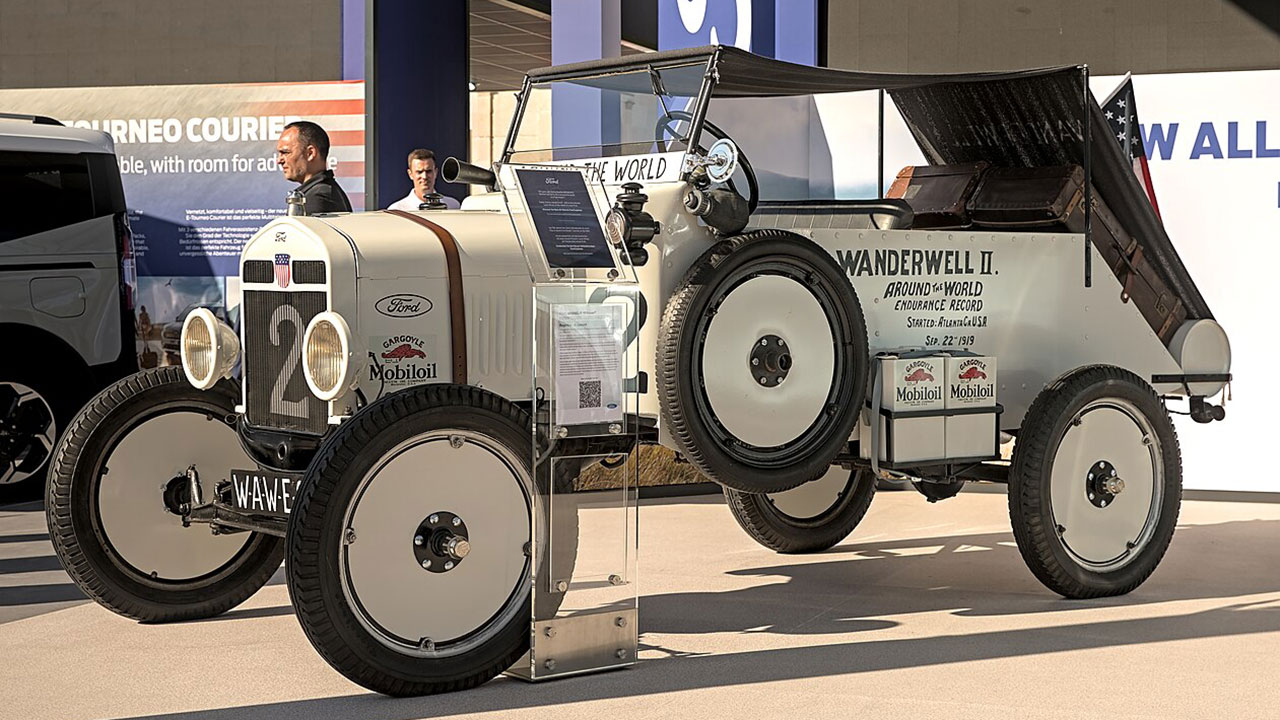
The Ford Model T, introduced in 1908, revolutionized the automotive industry by making cars affordable for the average person. Henry Ford’s innovative assembly line method drastically reduced production time, allowing for mass production that brought down costs. This approach laid the foundation for modern manufacturing processes, influencing how vehicles are produced today. The Model T’s simple design and reliable performance made it a favorite among consumers, and its impact can still be seen in today’s manufacturing strategies. The principles of efficiency and accessibility established by the Model T continue to guide automotive companies in their quest to produce reliable vehicles at competitive prices.
Moreover, the Ford Model T’s influence extends beyond production methods. Its design emphasized functionality and simplicity, traits that many modern vehicles still adhere to. By focusing on user-friendly features and eliminating unnecessary complexities, the Model T set a standard that many car manufacturers strive to achieve. As outlined in various studies, the lessons learned from the Model T remain relevant, as contemporary automakers seek to balance innovation with practicality in their designs.
The Volkswagen Beetle: Timeless Simplicity

The Volkswagen Beetle, originally produced in the late 1930s, has become one of the most recognizable cars in history. Its distinctive rounded shape and minimalist design have made it an enduring symbol of automotive simplicity. The Beetle was designed to be an affordable, reliable vehicle for the masses, a principle that resonates with many modern car manufacturers today. Its design philosophy emphasizes efficiency and functionality, making it a benchmark for compact cars. This iconic vehicle has influenced countless new models, particularly in the subcompact segment, where manufacturers strive to create cars that are both practical and stylish.
Additionally, the Beetle’s cultural significance cannot be understated. It became a symbol of the 1960s counterculture and has maintained a loyal following through various iterations over the decades. The focus on sustainability and eco-friendliness in the automotive industry today can also trace its roots back to the Beetle’s early designs. Companies are increasingly looking to create vehicles that not only meet consumer needs but also consider environmental impacts. This shift in focus mirrors the original intent behind the Beetle’s creation.
The Chevrolet Corvette: Iconic American Sports Car
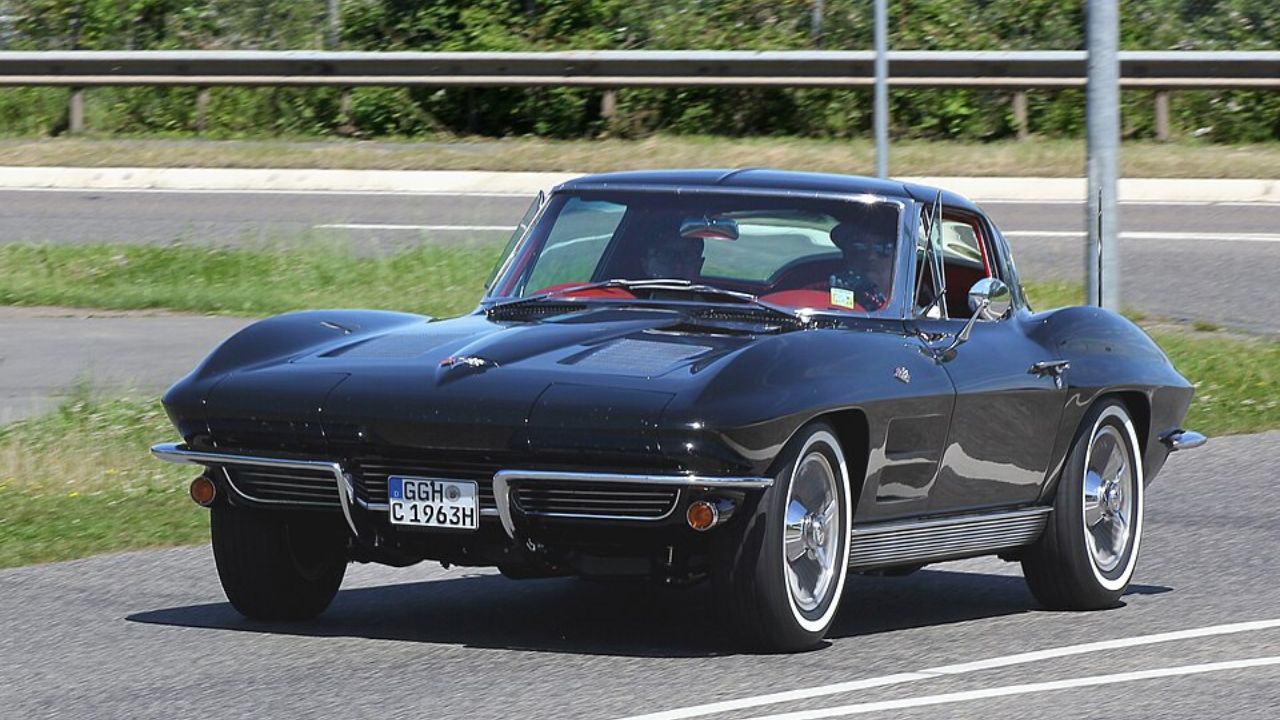
Since its debut in 1953, the Chevrolet Corvette has represented the pinnacle of American sports car design. Known for its sleek lines and powerful performance, the Corvette has influenced the design of numerous sports cars around the world. This car was one of the first to combine a lightweight fiberglass body with a high-performance V8 engine, setting benchmarks for speed and handling that still resonate today. The Corvette’s design has evolved through various generations, consistently incorporating advanced technology and aerodynamic improvements, influencing the aesthetics and engineering of modern sports vehicles.
Moreover, the Corvette has played a significant role in automotive culture, symbolizing freedom and the American spirit. Its success on the racetrack has also made it a favorite among enthusiasts, inspiring a wave of sports car designs that prioritize performance alongside style. The Corvette’s legacy proves that great design can stand the test of time and continue to inspire future generations. As we observe the latest advancements in automotive engineering, the Corvette remains a case study in the balance between form and function.
The Mercedes-Benz 300SL: The Birth of the Gullwing
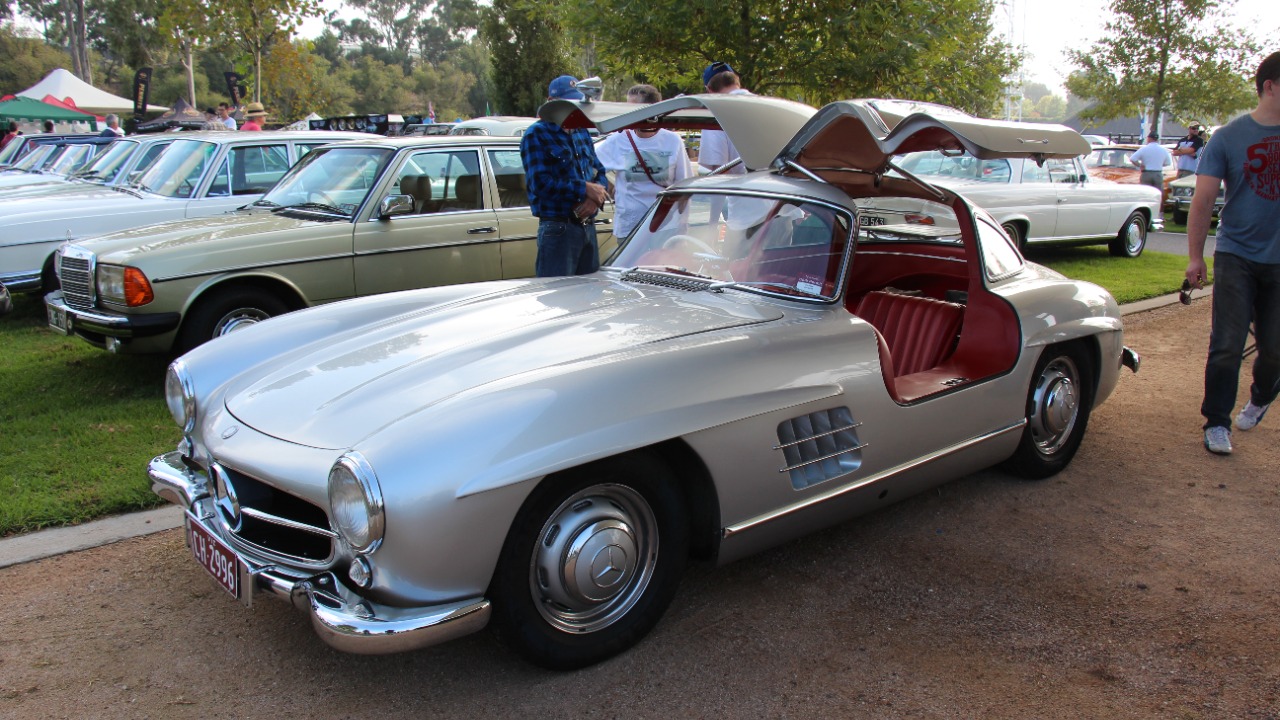
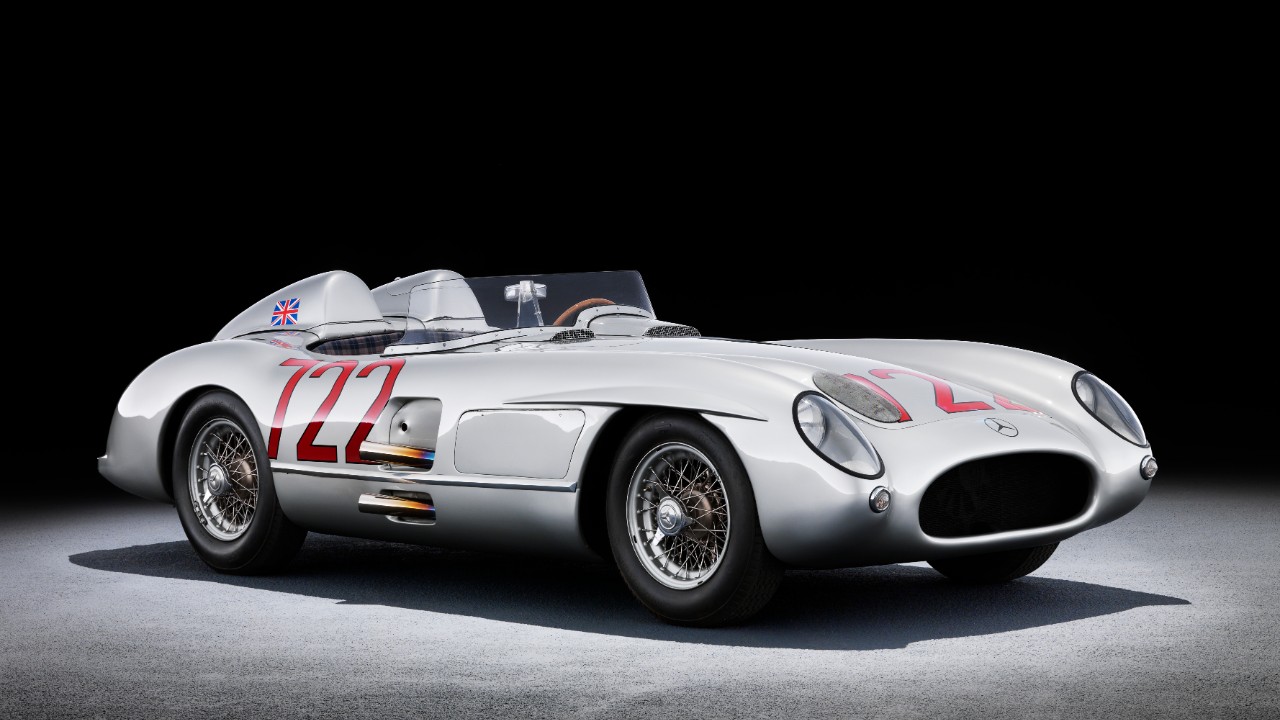
Launched in 1952, the Mercedes-Benz 300SL is celebrated for its innovative gullwing doors and elegant design. It was among the first production cars to feature fuel injection, maximizing performance while maintaining efficiency. The iconic design has influenced countless sports cars, with its distinctive doors symbolizing luxury and innovation. The 300SL’s aerodynamic shape and engineering excellence set new standards that many modern vehicles strive to achieve. Its blend of style and performance continues to inspire designers and engineers alike, showing how form can meet function in the automotive world.
The 300SL’s legacy extends beyond its aesthetic appeal. It was not just a beautiful car; it was a technological marvel of its time. Many contemporary vehicles still incorporate design elements inspired by the 300SL, particularly in the realms of performance and aerodynamics. The principles of lightweight construction and efficient engine design pioneered by this model have become crucial in today’s automotive engineering.
The Citroën DS: Revolutionary Aerodynamic Design

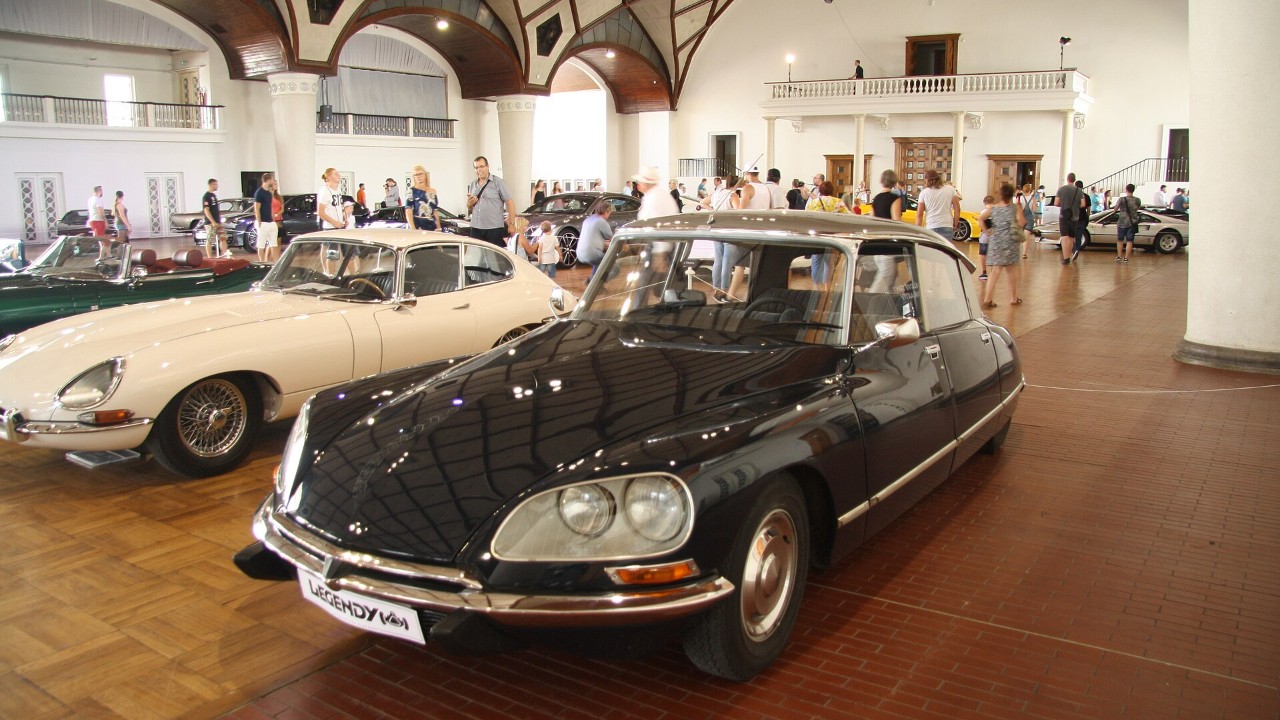
Unveiled in 1955, the Citroën DS was a groundbreaking vehicle known for its futuristic design and advanced technology. Its aerodynamic silhouette and distinctive features, such as the hydropneumatic suspension system, set it apart from contemporary vehicles. The DS emphasized comfort and handling, showcasing how innovative engineering can enhance the driving experience. This model redefined what a car could be, proving that style and functionality could coexist. The design principles established by the DS continue to influence modern automotive aesthetics, particularly in the realms of luxury and performance vehicles.
Moreover, the Citroën DS’s influence extends globally, inspiring countless manufacturers to adopt similar aerodynamic designs. Its focus on driver comfort and advanced technology is reflected in today’s cars, where luxury features have become standard. The DS has been celebrated not only for its design but also for its engineering innovations that prioritize safety and efficiency. This vehicle remains a testament to how visionary thinking can reshape automotive design and engineering, setting standards that continue to guide the industry.
The Land Rover Series I: The Original Off-Roader

The Land Rover Series I, launched in 1948, was designed to be a versatile and rugged vehicle capable of traversing challenging terrains. Its boxy shape and durable construction have made it an enduring symbol of off-road capability. The Series I established a new category of vehicles that catered specifically to adventurers and outdoor enthusiasts. Its design has influenced countless SUVs and off-road vehicles, setting standards for durability, functionality, and performance in rugged conditions.
Today, the spirit of the Land Rover Series I lives on in modern off-road vehicles, which often incorporate elements inspired by its design. The emphasis on utility and all-terrain capability remains crucial in the SUV market. The principles of robust engineering and adaptability established by the Series I continue to resonate with manufacturers aiming to create vehicles that can handle diverse driving conditions. This model’s legacy is a testament to the significance of thoughtful design in automotive history, making it a reference point for contemporary off-road vehicle development.
The BMW 2002: The Foundation of the Modern Sports Sedan

Introduced in 1968, the BMW 2002 is often regarded as the car that established the sports sedan segment. Its combination of compact size, sporty handling, and performance-oriented engineering created a blueprint that many automakers still follow today. The 2002’s design emphasized a driver-focused experience, showcasing how sportiness can coexist with practicality. Its influence is evident in modern sedans, which often incorporate elements of the 2002’s aesthetic and performance characteristics.
Furthermore, the BMW 2002 set new standards for what consumers could expect from a sports sedan. It proved that a compact car could deliver exhilarating performance without sacrificing everyday usability. This philosophy continues to echo in the designs of contemporary sports sedans, which prioritize both performance and comfort. Many automotive enthusiasts consider the 2002 a classic, and its legacy serves as a reminder of the importance of innovation in automotive design, paving the way for future generations of vehicles.
The Porsche 911: Enduring Performance and Aesthetics
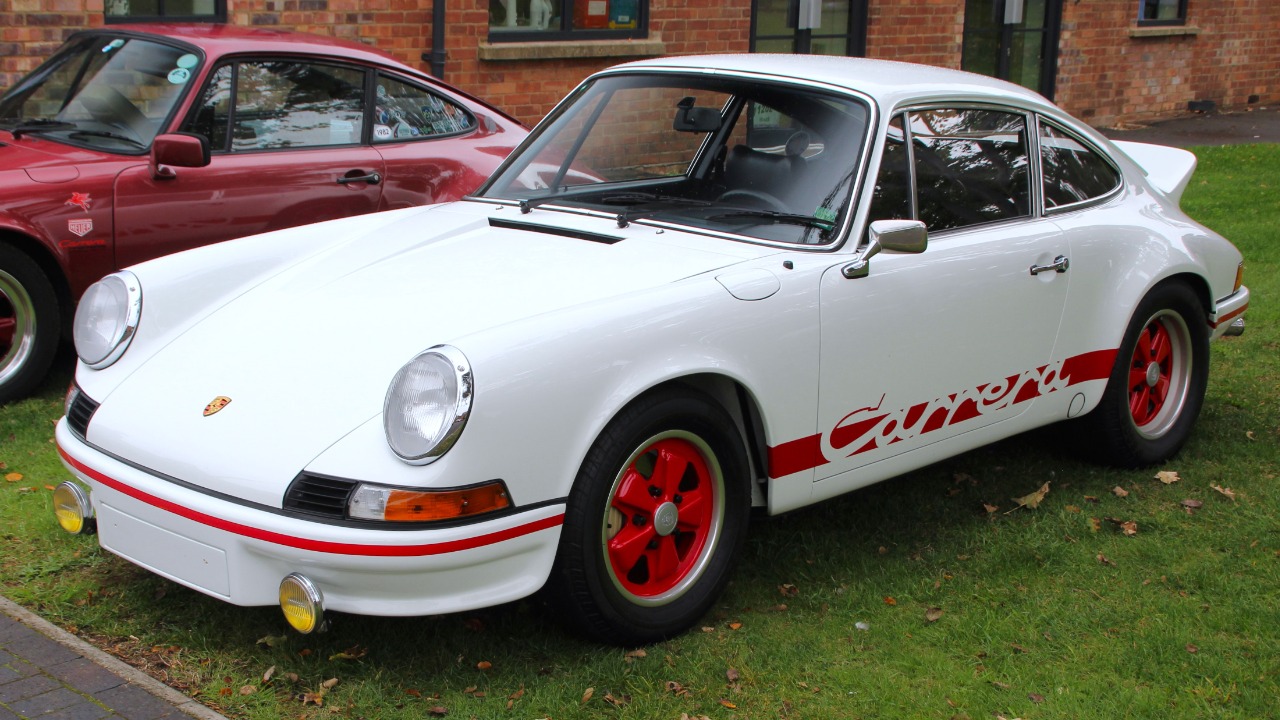
Since its introduction in 1964, the Porsche 911 has become synonymous with high-performance sports cars. Its distinctive design, characterized by a sloping roofline and round headlights, has remained relatively unchanged, showcasing how successful design can transcend time. The 911’s rear-engine layout and engineering excellence have set benchmarks in the sports car segment, influencing countless competitors. Its blend of performance, luxury, and everyday usability has made it a favorite among enthusiasts and collectors alike.
Moreover, the Porsche 911 has maintained its relevance through continuous innovation. Each new generation integrates cutting-edge technology while preserving the classic aesthetic that fans adore. This commitment to evolution ensures that the 911 remains competitive in the modern automotive landscape. Its influence can be seen in various sports cars today, which often seek to balance performance with design elegance. The Porsche 911 is a prime example of how a well-executed design can create a lasting legacy in the automotive world.
The Tesla Model S: Redefining Electric Vehicle Design

Launched in 2012, the Tesla Model S has redefined what consumers expect from electric vehicles (EVs). Combining cutting-edge technology, impressive performance, and a minimalist design, it has set new standards for the EV market. The Model S’s long range, rapid acceleration, and advanced features like Autopilot have made it a benchmark for electric vehicles. Its sleek design and spacious interior have attracted a new generation of car buyers, who prioritize sustainability without compromising on style or performance.
The influence of the Model S extends beyond its own brand; it has prompted traditional automakers to rethink their approaches to electric vehicle design and technology. The shift towards electric mobility is a significant trend in the automotive industry, and the Model S has been at the forefront of this change. Its success has encouraged manufacturers to invest more in electric vehicle development, leading to a wave of innovative designs that aim to meet consumer demands for efficiency and performance.
More from Fast Lane Only
- Unboxing the WWII Jeep in a Crate
- 15 rare Chevys collectors are quietly buying
- 10 underrated V8s still worth hunting down
- Police notice this before you even roll window down
*Research for this article included AI assistance, with all final content reviewed by human editors.