Winter has long exposed the weak points in electric vehicle ownership, and few frustrations cut deeper than a charging cable that refuses to let go in subzero wind. Tesla is now rolling out a software update that tackles this specific pain point, turning a common cold-weather annoyance into a problem that can be solved with a simple pull on the handle. The change may look minor on paper, but it reflects a broader shift in how the company is refining everyday usability for drivers who spend months each year in snow and ice.
Instead of relying solely on screens and apps, the new feature builds a physical shortcut into the charging routine, giving owners a way to free a frozen connector without fumbling with a phone or digging through menus. As winter storms continue to test the limits of EV infrastructure, this kind of targeted improvement signals that software can still unlock meaningful gains in comfort and confidence, even for vehicles that have been on the road for years.
How Tesla’s new cable release actually works
The latest 2026.2.3 software update introduces a direct, tactile way to release a stuck charging cable: owners can now simply pull on the connector to trigger the latch to disengage. Instead of depending on the touchscreen or mobile app to command the port to unlock, the car interprets a firm pull as an intentional request to release the plug, then actuates the mechanism accordingly. Reporting on the update notes that the feature is rolling out across North America and is designed as a quality-of-life improvement rather than a headline-grabbing overhaul, yet it addresses a problem that has quietly irritated drivers for years.
Behind this change is a very specific winter scenario. Ice can build up around the charge port door and the connector itself, making it difficult or impossible to unlatch the cable using the usual software controls. In those conditions, owners have sometimes resorted to improvised tricks to free the plug, from warming the area by hand to more questionable methods that risk damaging the hardware. By allowing the latch to respond to a deliberate pull on the handle, Tesla is effectively giving drivers a mechanical-feeling backup that is still governed by software logic, reducing the temptation to force the connector or rely on workarounds.
Why frozen charge ports became a recurring winter headache
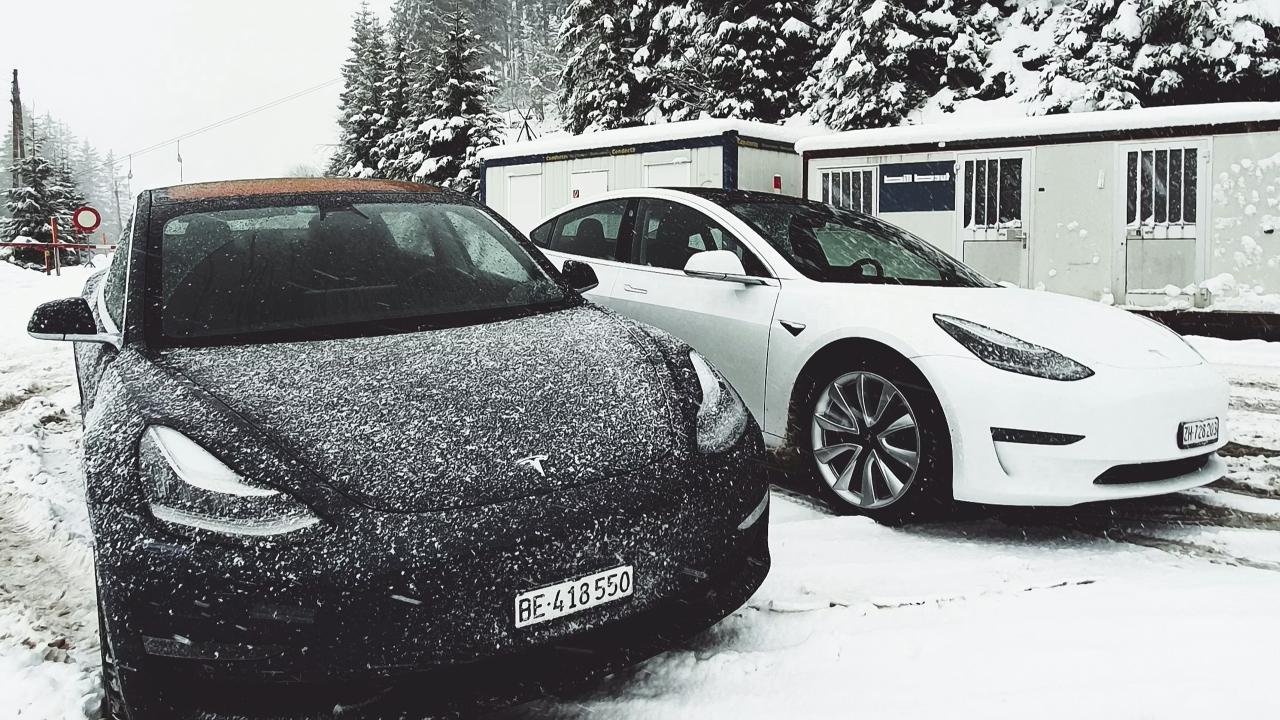
Cold climates expose a simple reality of EV design: any moving exterior part is vulnerable to ice. For Tesla owners, the charge port door and latch have been a particular weak spot, especially when snowmelt refreezes around the hinge and connector. Ice can accumulate around the port opening and on the metal surfaces of the plug, which not only makes it harder to remove the cable but can also interfere with the small button on many public connectors that is meant to signal the car to unlock. When that button fails to communicate with the vehicle, drivers are left pressing, tapping, and swiping at screens while the cable remains stubbornly locked in place.
Earlier software updates had already tried to make winter charging less punishing. In 2024, Tesla introduced features that helped precondition the battery and warm the charge port area to simplify cable detachment in low temperatures, part of a broader effort to make cold-weather charging less of a headache. Those changes focused on preventing the problem by heating components and optimizing charging behavior. The new cable release function, by contrast, is aimed squarely at what happens when prevention is not enough and the port still freezes, giving owners a last-resort tool that is built into the charging motion they already perform every day.
From screens to handles: a subtle but important usability shift
Until now, the standard way to release a charging cable on a Tesla involved digital controls. Owners typically used the in-car touchscreen, the mobile app, or the button on the connector itself to command the latch to open. That workflow is manageable in mild weather, but it becomes far less appealing when a driver is standing in a parking lot with gloved hands and a sharp wind cutting across the charging bay. Reports on the new update highlight that relying on a smartphone or central display can be particularly inconvenient in winter, especially in windy conditions when every extra second outside feels longer than it should.
The new feature shifts part of that interaction back to the physical world. By letting drivers release a stuck cable simply by pulling on the handle, Tesla is reducing dependence on screens at the precise moment when they are least comfortable to use. The company has already experimented with similar physical shortcuts, such as long-pressing a door handle for several seconds to trigger specific functions, and the cable release fits neatly into that philosophy. It is a small but telling move toward more intuitive controls, where the car responds to what the driver is already trying to do instead of forcing them to navigate software first.
Building on earlier cold-weather software improvements
The cable release is not arriving in isolation. Over the past two winters, Tesla has steadily layered in software changes aimed at making cold-weather charging more predictable and less stressful. A 2024 update, identified as version 2024.2.6, focused on preconditioning the battery and charge port for efficient DC fast charging, including heating the area around the connector to simplify detachment. Another feature introduced around the same period was designed specifically to reduce the chances of the port freezing in the first place, by managing how moisture and temperature interact around the charging hardware.
What distinguishes the latest 2026.2.3 release is that it addresses the moment when those preventive measures are not enough. Instead of only trying to keep ice from forming, the new function accepts that winter will sometimes win and gives drivers a way to respond gracefully. Commenters have already pointed out that while the change may sound unnecessary in mild climates, it solves a real-world annoyance that many Tesla owners in colder regions have encountered. The fact that the update is arriving through software also means that existing vehicles, including older Model 3 and Model Y cars, can benefit without any hardware retrofit, reinforcing the idea that incremental code changes can still unlock tangible improvements in daily use.
What the update signals about Tesla’s approach to everyday ownership
On the surface, a clever trick for releasing frozen charge cables might seem like a niche fix, but it reveals something about how Tesla is thinking about the ownership experience as its fleet matures. Early adopters were often willing to tolerate quirks in exchange for cutting-edge performance and range. As the vehicles become more common family cars and commuter tools, expectations shift toward reliability and comfort in all seasons. Addressing a problem as specific as a stuck connector in midwinter suggests that the company is paying closer attention to the small frictions that shape how drivers feel about their cars day after day.
The reaction from the Tesla community underscores that point. Coverage of the update has highlighted a discussion that drew 34 Comments around a picture of a frozen Tesla charge port shared on Reddit, a reminder that this is not a theoretical issue but one that owners have documented and debated in detail. By turning those lived frustrations into a software feature, Tesla is effectively closing the loop between user experience and product development. Winter charging will never be entirely effortless, especially in regions where temperatures plunge for months at a time, but each targeted improvement, from heated ports to pull-to-release latches, makes the season feel a little less like a test of endurance and a little more like a normal part of electric ownership.
More from Fast Lane Only