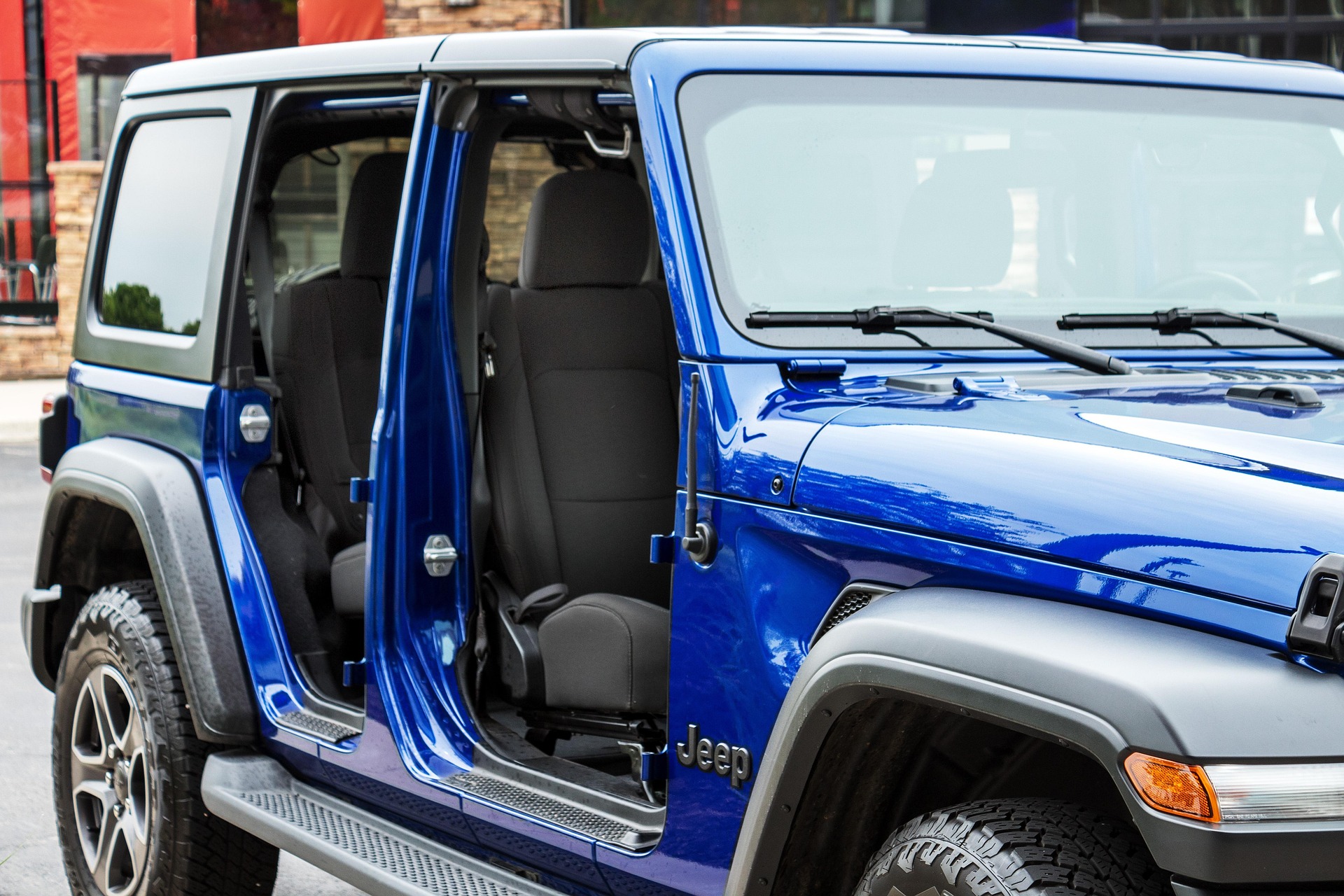
A project car can be a slow-burn kind of joy: a little sanding here, a weekend wrench session there, and the steady promise that someday it’ll run like you dreamed. For one woman, that dream turned into a mystery story with a pretty sharp twist. She says her project Jeep didn’t just “need work” anymore—parts were quietly disappearing, and she didn’t fully clock it until the doors were suddenly gone.
According to her account, she’d been keeping the Jeep as a long-term restoration project, not a daily driver. It was the kind of vehicle you check on when you have time, or when you’re ready to tackle the next fix. That spacing, she says, is exactly what made it possible for the losses to pile up unnoticed.
A project Jeep, a shared space, and a slow-brewing problem
She describes the Jeep as a “work in progress,” which is honestly how most project vehicles start out. They’re often parked for weeks at a time, sometimes without a battery, sometimes without a seat bolted down, and almost always missing at least one cosmetic trim piece. When something looks slightly different from last time, your brain tends to shrug and assume you forgot—or that it was always like that.
She says the Jeep was stored in a place her ex could access, which mattered more than she realized. Because it wasn’t being driven every day, she wasn’t doing the normal routine of checking mirrors, doors, and interior panels. Little changes could slip by, especially if you’re juggling life stuff like work, bills, and the general chaos of being a human adult.
The first “huh” moments: small parts that didn’t quite add up
Her story suggests the missing pieces didn’t start with anything dramatic. It was more like noticing a small detail and chalking it up to project-car weirdness. A part that should’ve been in a box wasn’t there. Something that “definitely used to be in the garage” wasn’t, but hey, garages are basically black holes.
That’s also part of what makes this kind of situation so believable. If you’re restoring a vehicle, you’re already expecting to buy parts, replace parts, hunt down parts, and discover that the last owner did something baffling with parts. It’s the perfect environment for someone to remove things gradually without setting off immediate alarms.
Then the doors went missing
The moment that snapped everything into focus, she says, was walking out and realizing the doors weren’t on the Jeep anymore. Not “unlatched,” not “kind of off-track.” Gone. That’s not a normal project car moment, unless you’re in the middle of a very specific build or you live at a body shop.
It’s also the kind of missing item that forces a mental rewind. If the doors are gone, what else is gone? Suddenly all the earlier “maybe I misplaced it” moments can start lining up like dominoes.
Her claim: parts sold off one by one
She believes her ex had been selling parts off the Jeep gradually, piece by piece, while she was under the impression it was simply sitting safely in storage. It’s an especially frustrating allegation because parting out a vehicle can be surprisingly profitable. Doors, seats, fenders, lights, even interior trim can sell quickly online—especially for popular models with strong aftermarket demand.
If that’s what happened, the method makes a weird kind of sense: don’t take everything at once, take just enough that it doesn’t look like a crime scene. A missing emblem might not get noticed. A missing panel might be blamed on the project itself. But doors? Doors are a little harder to explain away.
Why this can happen with project vehicles (and why it’s so hard to catch)
Project cars sit. That’s not a moral failing—it’s just reality. People have jobs, families, weather, budgets, and the occasional week where the couch wins.
And because projects often involve disassembly, the “baseline” is already messy. When you’re used to seeing a vehicle half-finished, you don’t always have a clean mental snapshot of what’s supposed to be there. Add a shared garage, a breakup, or unclear boundaries about who can access what, and you’ve got the perfect recipe for confusion.
The internet reaction: disbelief, sympathy, and a lot of “check the marketplace listings”
Stories like this tend to light up people’s comment sections for a reason: they combine a breakup plotline with a very specific, very visual form of betrayal. Some people react with pure disbelief—because who does that? Others immediately sympathize, especially anyone who’s poured time and money into a build and knows how personal it can feel.
And then there are the practical-minded folks, who start thinking like detectives. If parts were sold, where would they show up? Local online marketplaces, swap groups, and off-road community boards are common places. A few commenters in similar situations often suggest searching for recently listed Jeep parts in the area, especially unusual matching sets like doors with a specific color, year, or trim.
What someone in her position can do next
If someone believes their vehicle is being stripped or stolen from, the first step is getting a clear inventory of what’s missing. Photos help—a lot. Old build pictures, receipts, and screenshots of listings can create a timeline that’s easier to explain to insurance or authorities.
Then there’s the question of reporting. In many places, missing vehicle parts can fall under theft, but the details matter: ownership, who had access, whether the vehicle was jointly owned, and what evidence exists. It’s one of those moments where a quick call to local law enforcement for guidance, plus checking with an insurance provider, can clarify what options are realistic.
She also might want to secure the vehicle immediately, whether that means moving it to a different location, adding cameras, installing locks, or simply limiting access. It’s not about being paranoid—it’s about removing opportunity. If the Jeep is still in a shared or semi-public space, it’s worth treating it like something that’s actively at risk.
A hard lesson about trust and “safe” storage
More than anything, her story taps into a pretty universal feeling: the shock of realizing something wasn’t safe just because it was familiar. A garage you’ve used for years can feel secure. A person you once trusted can feel like a permanent “known.” And then life changes, and the assumptions don’t hold up anymore.
For anyone with a project vehicle, it’s a reminder to take occasional “status photos,” keep a simple parts list, and store high-value items separately when possible. Not because everyone has a villain in their life, but because projects are expensive—and missing doors have a way of turning a hobby into a headache overnight.
More from Fast Lane Only
- Unboxing the WWII Jeep in a Crate
- 15 rare Chevys collectors are quietly buying
- 10 underrated V8s still worth hunting down
- Police notice this before you even roll window down
*Research for this article included AI assistance, with all final content reviewed by human editors.