It started like any normal tow day: a diesel pickup, a camper in tow, and a long stretch of road where the miles usually disappear behind you. Then, right as the truck leaned into a hill and the turbo should’ve been doing its best work, the whole vibe changed. Power dropped off hard, like someone quietly reached over and turned the engine down without asking.
No bang, no dramatic smoke show, no engine light that instantly explains everything. Just that unmistakable feeling when a heavy rig stops pulling the way it did five seconds ago. If you’ve ever towed anything sizable, you know that moment—your brain instantly starts scrolling through worst-case scenarios.
The “It Was Fine a Second Ago” Moment
Under load, the truck had been acting normal: good throttle response, steady speed, and that familiar surge as boost builds. But the second the grade steepened, it felt like the turbo had packed up and gone home. The accelerator still did something, but the truck wasn’t giving that confident shove anymore, especially with the camper dragging behind.
There were a few other clues, too. Often with this kind of failure, you’ll hear a sudden whoosh, hiss, or rushing-air sound when you get back on the throttle. It can be subtle inside the cab, but once you notice it, it’s hard to un-hear.
What Actually Happened Under the Hood
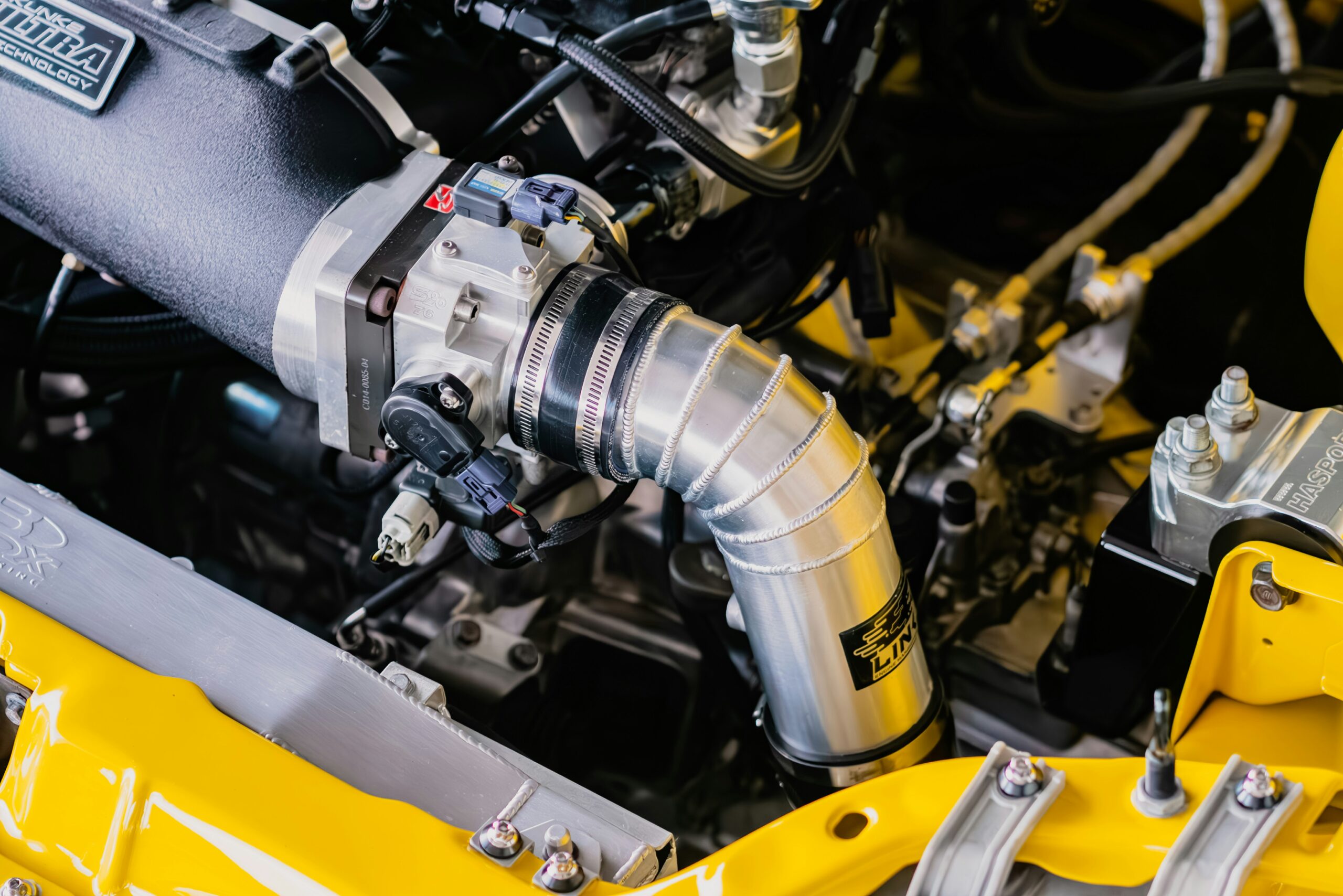
The culprit turned out to be straightforward and frustrating: the turbo intercooler pipe had blown completely off under boost. That pipe is part of the charge-air system, carrying compressed air from the turbo to the intercooler and then to the intake. When it pops loose, the pressurized air doesn’t make it to the engine the way it’s supposed to.
So the turbo may still be spinning like crazy, but the engine isn’t getting the dense, boosted air it needs. It’s a bit like trying to inflate a tire with a big hole in the hose—lots of effort, not much result. The truck can still run, but it’ll feel lazy, strained, and oddly loud in the wrong way.
Why It Feels So Dramatic While Towing
When you’re just cruising unloaded, a small boost leak can sometimes feel like “something’s off” and nothing more. But towing a camper changes the stakes. The engine needs boost to make torque efficiently, keep exhaust temps in check, and hold speed without constantly downshifting.
Once that pipe blows off, the truck has to rely more on fueling and less on air, and modern diesels really don’t love that balance. Many will pull fuel back to protect the engine when the sensors realize boost isn’t matching what the computer expects. The result is the same either way: you press the pedal, and the truck responds with a tired shrug.
The Usual Suspects: Clamps, Couplers, and Oil Film
Intercooler pipes don’t typically launch themselves into the void for no reason. Most of the time it’s a clamp that wasn’t quite tight enough, a coupler that’s worn or softened, or a pipe that’s slightly misaligned and slowly walking its way out. Add a few heat cycles, a few hard pulls, and a good hit of boost, and the connection finally gives up.
Oil mist can be part of the story, too. A light film inside charge pipes is common on many turbo diesels, especially with crankcase ventilation feeding the intake stream. That oily coating can make silicone couplers more likely to slip if clamps aren’t the right type or if they’re not biting evenly.
How It Presents on the Road
The symptoms often read like a short list of “turbo died” panic points: sudden loss of power, extra noise under throttle, and sometimes a check engine light. Some trucks will drop into a reduced-power mode, especially if the boost deviation is big enough. Others will just feel weak and smoky, depending on how the fueling strategy reacts.
If the pipe fully separates, it’s usually pretty obvious once you pop the hood. You’ll see a loose pipe end, a coupler hanging there, or a clamp sitting in the wrong place like it’s pretending it did nothing. It’s one of those problems that sounds expensive until you realize it might be a 10-minute fix—assuming nothing got damaged.
What To Do If It Happens While You’re Towing
First priority: don’t keep hammering the throttle trying to “power through.” With little or no boost, exhaust temperatures can climb faster than you’d expect, and the engine may be operating outside its happy zone. Ease off, find a safe spot, and treat it like a mechanical issue, not a motivational challenge.
Once you’re stopped, a quick under-hood look can tell you a lot. Check the charge pipes and couplers—especially near the intercooler and intake manifold—for anything disconnected or crooked. If the pipe is off, make sure the coupler isn’t torn and the pipe bead (the raised lip at the end) isn’t damaged before you shove it back together and tighten it down.
Why This Failure Loves “Right Under Boost” Timing
The timing is almost comical: it tends to happen at the exact moment you need the truck most. That’s because the system sees the highest pressure when you’re climbing, accelerating, or pulling into the wind. More boost equals more force trying to push the pipes apart, and if a connection is marginal, that’s when it’ll show itself.
Heat also plays a role. Long pulls warm up the charge-air plumbing, which can soften couplers and slightly change how clamps hold tension. Combine heat, pressure, and vibration, and a clamp that was “probably fine” in the driveway can suddenly become “definitely not fine” on the highway.
Fixing It Right So It Doesn’t Happen Again
If the pipe simply blew off, the best fix is usually cleaning and re-seating everything carefully. Wipe oil residue from the inside of the coupler and the pipe ends, align the pipe so it isn’t pre-loaded or twisting, and then tighten the clamps evenly. Many owners upgrade to constant-tension clamps or better-quality T-bolt clamps because they hold more consistently through heat cycles.
It’s also worth inspecting the intercooler boots for swelling, soft spots, or tiny splits—especially on older trucks or ones that tow often. A coupler that looks “fine” can still be weakened enough to balloon under pressure and slip. And if the pipe doesn’t have a strong bead at the end, it’s more likely to push out under high boost, even with decent clamps.
A Scare That’s Usually Cheaper Than It Feels
Power loss while towing can feel like the beginning of a very expensive phone call. But a blown intercooler pipe is one of those rare diesel problems that can be dramatic without being catastrophic. Once the connection is restored and secured properly, most trucks go right back to pulling like nothing happened.
Still, it’s a good reminder that the simplest parts can cause the biggest on-road stress. A couple of clamps and a rubber coupler don’t look like much—until they’re the only thing standing between “strong boost” and “why is this hill suddenly so steep?”
More from Fast Lane Only
- Unboxing the WWII Jeep in a Crate
- 15 rare Chevys collectors are quietly buying
- 10 underrated V8s still worth hunting down
- Police notice this before you even roll window down
*Research for this article included AI assistance, with all final content reviewed by human editors.