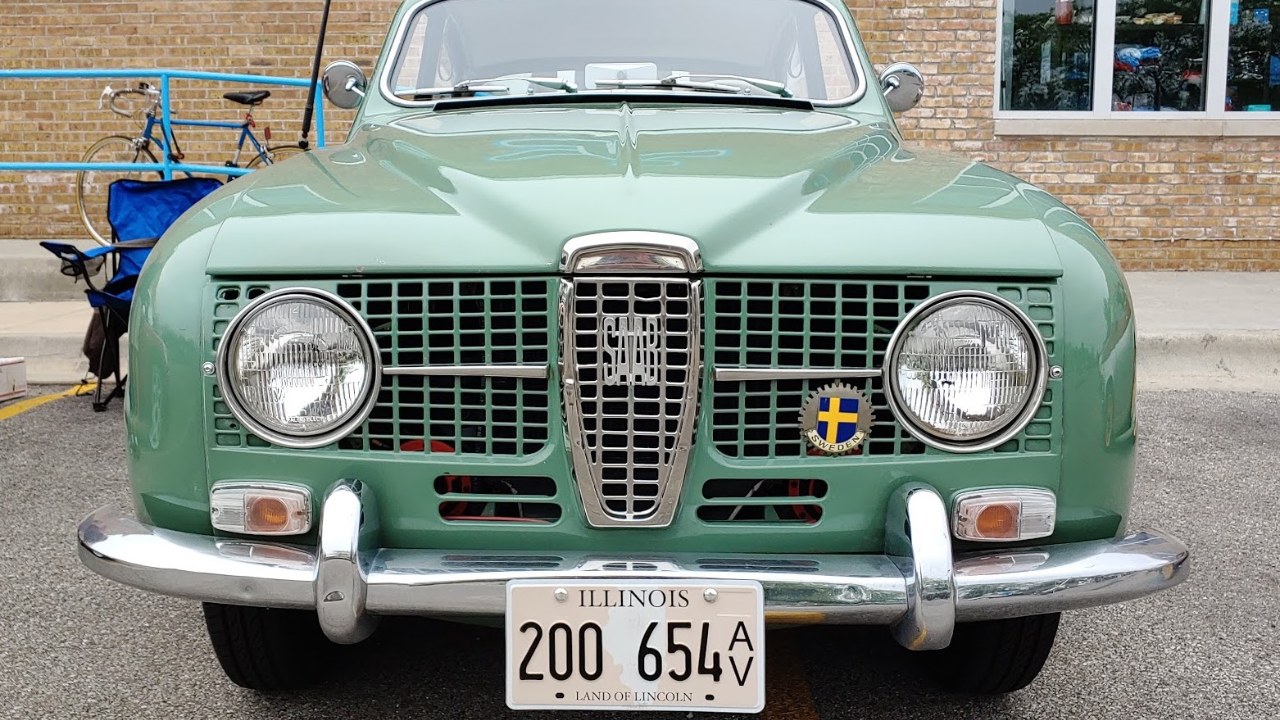
The 1950s were filled with bold automotive experiments. Manufacturers introduced futuristic styling, advanced suspension systems, unusual drivetrains, and technology that seemed far removed from ordinary cars of the period. Some ideas succeeded while others disappeared quickly. These ten cars stood apart because they introduced designs and engineering concepts that made them feel years ahead of their time.
Citroën DS
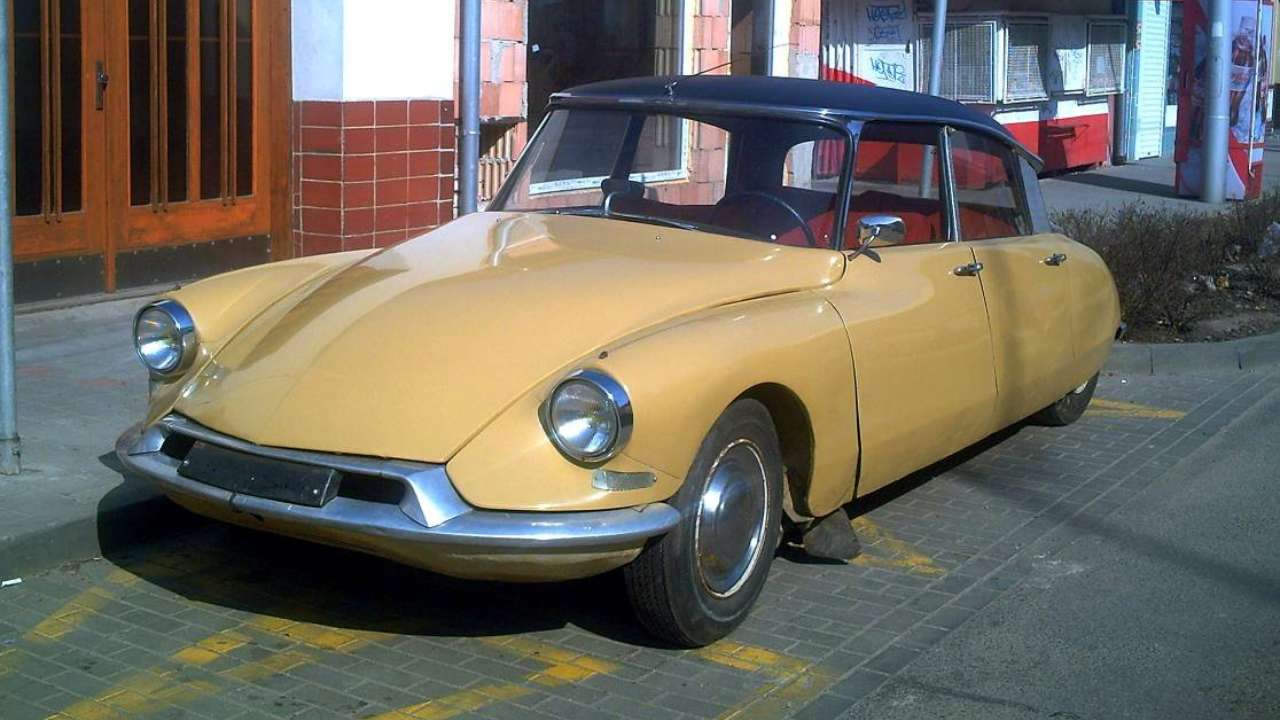
The Citroën DS looked like a vehicle from another era when it arrived. Its streamlined body was matched by hydropneumatic suspension, advanced braking, and sophisticated steering technology. The smooth ride was particularly impressive compared with conventional cars of the period. Citroën created a machine that challenged nearly every traditional assumption about automobile engineering. The DS remains one of the clearest examples of genuinely futuristic thinking from the 1950s.
Chevrolet Corvette
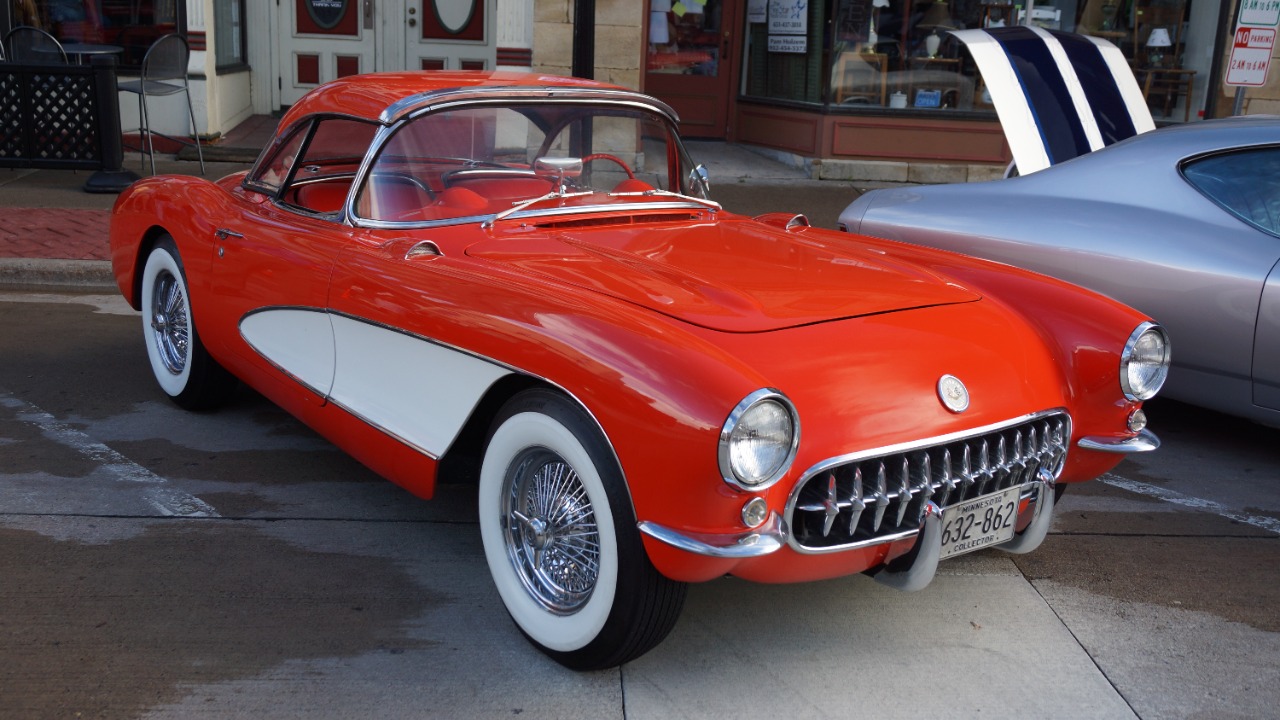
The Chevrolet Corvette brought American sports-car design into a new era with its lightweight fiberglass body and compact proportions. Later versions gained the small-block V8, transforming the car’s performance and making it a serious competitor to European sports cars. Its combination of innovative materials, strong power, and distinctive styling helped establish a formula that Chevrolet would continue developing for generations.
Mercedes-Benz 300 SL
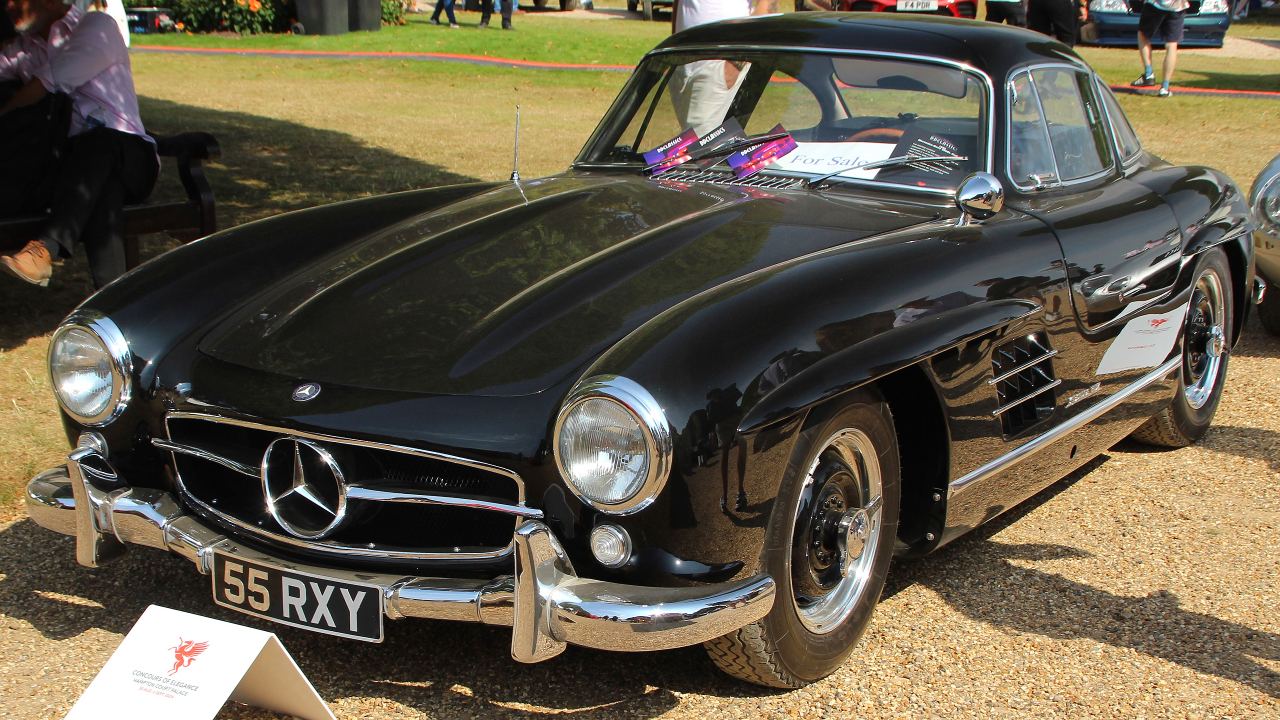
The Mercedes-Benz 300 SL combined racing technology with road-car practicality in a way few vehicles could match. Its tubular space frame required the famous gullwing doors, while direct fuel injection gave its inline-six impressive performance. The lightweight construction and aerodynamic body demonstrated how competition engineering could influence production cars. The 300 SL looked spectacular, but its real significance came from the advanced engineering hidden beneath its body.
Chrysler 300
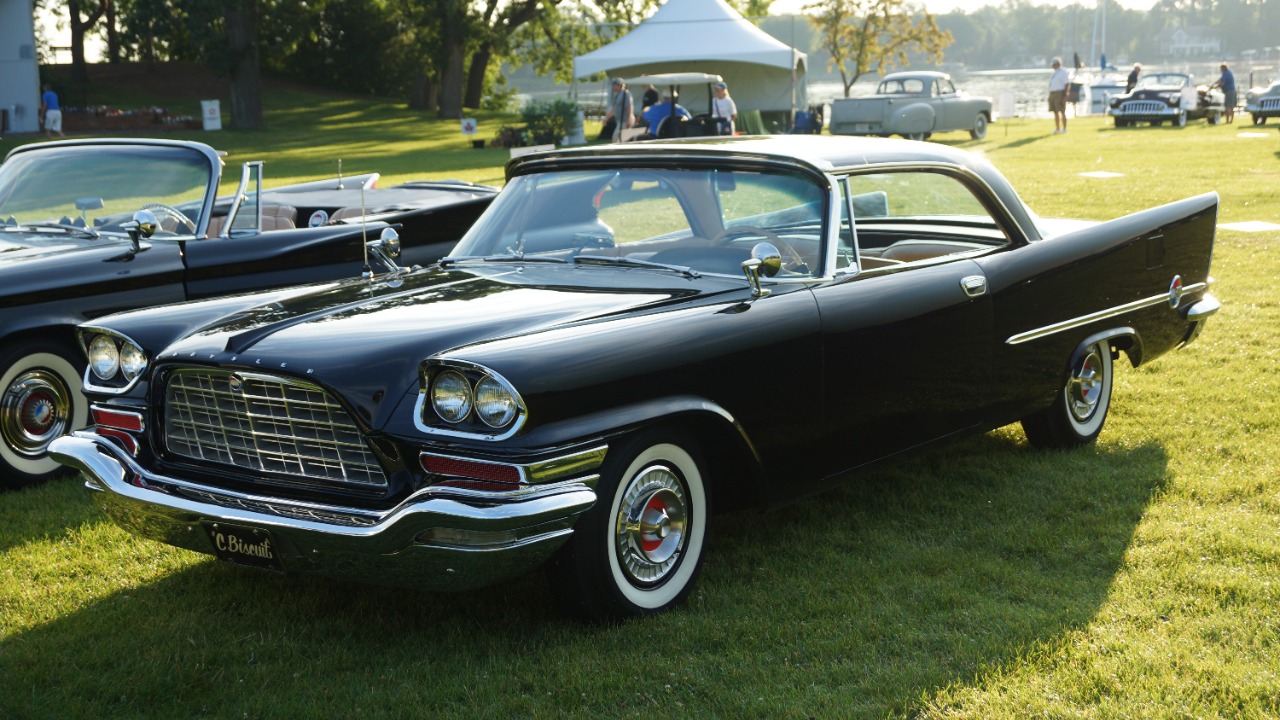
The Chrysler 300 demonstrated that an American luxury car could also deliver serious performance. Its powerful Hemi V8, carefully developed chassis, and streamlined styling gave it a reputation as one of America’s fastest road cars. Chrysler effectively combined comfort and performance in a single package. The concept anticipated the high-performance luxury cars that would become increasingly common many years later.
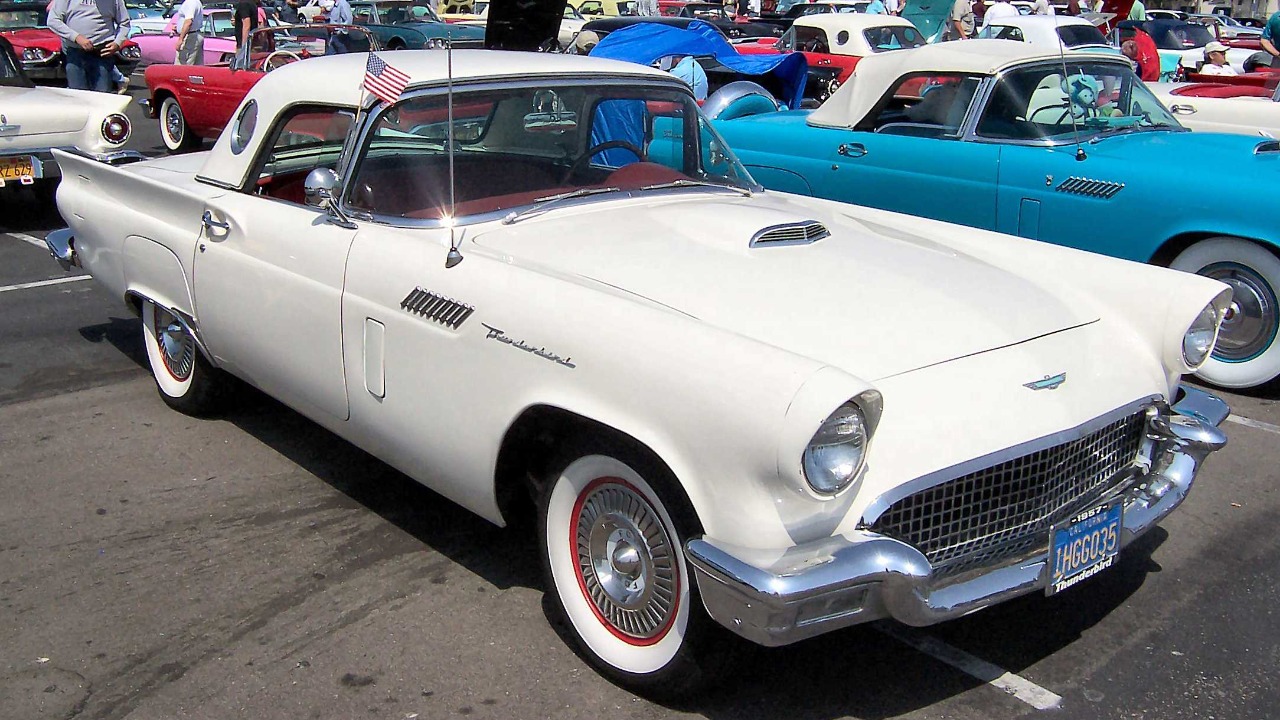
Ford Thunderbird
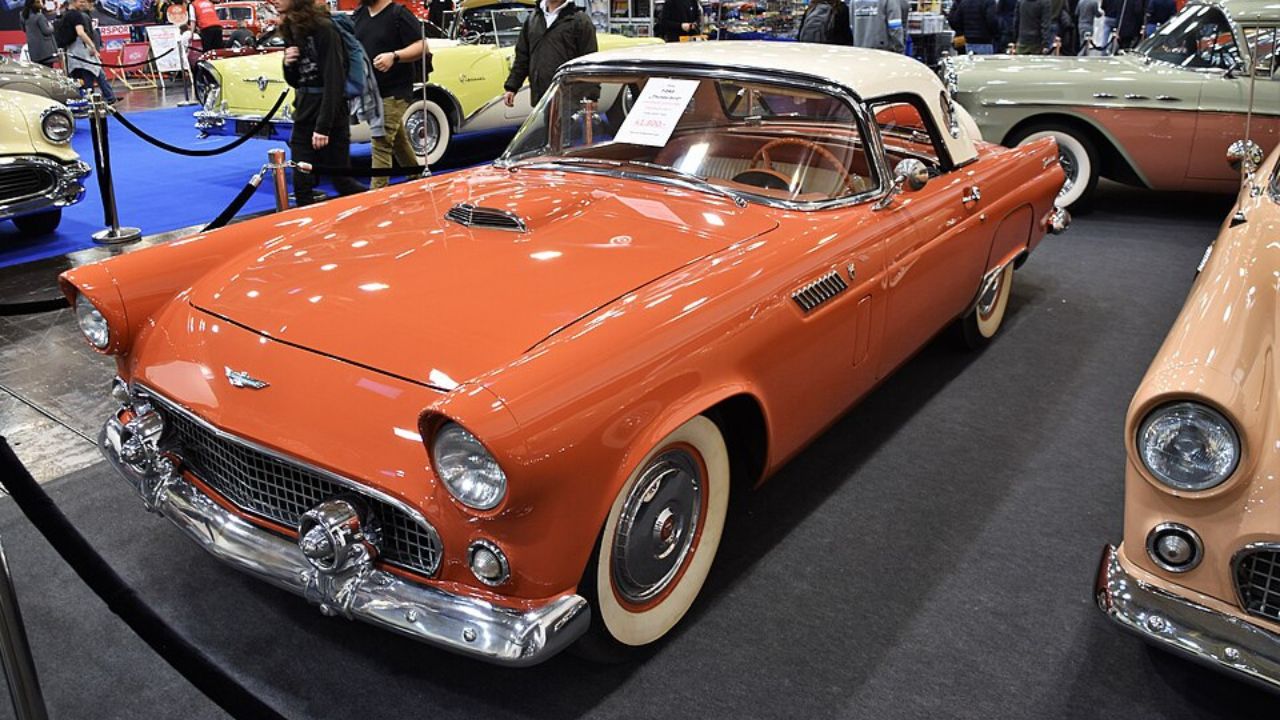
The Ford Thunderbird introduced a new type of American personal car that blended sporty appearance with everyday comfort. Its V8 engine provided respectable performance, while its comfortable cabin made it suitable for longer journeys. Rather than copying European sports cars completely, Ford created something distinctly American. The Thunderbird’s formula became so influential that personal-luxury coupes eventually became a major part of the automotive market.
BMW 507
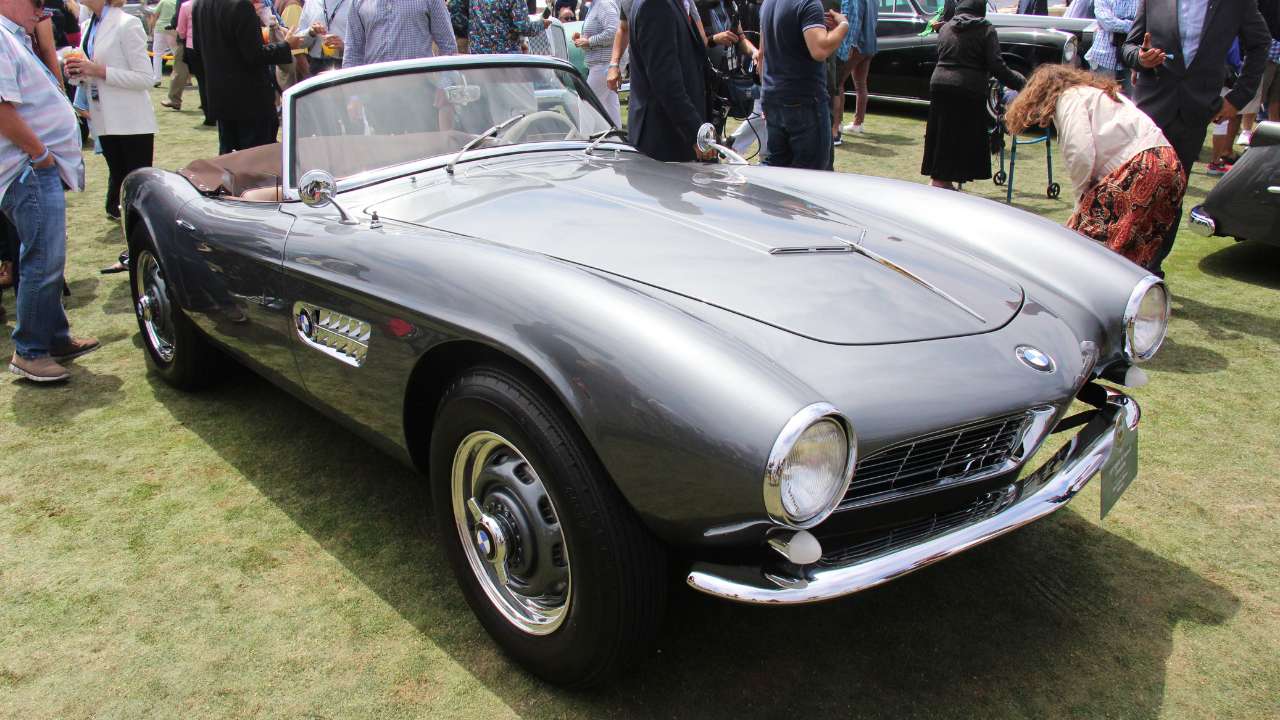
The BMW 507 combined elegant proportions, an aluminum body, and a sophisticated V8 engine in a remarkably attractive package. Its design was more refined and European than many American cars of the same period. Although its high price limited sales, the 507 demonstrated BMW’s ability to build an advanced grand-touring sports car. Its timeless styling continues to make it look surprisingly modern beside many contemporary classics.
Porsche 356
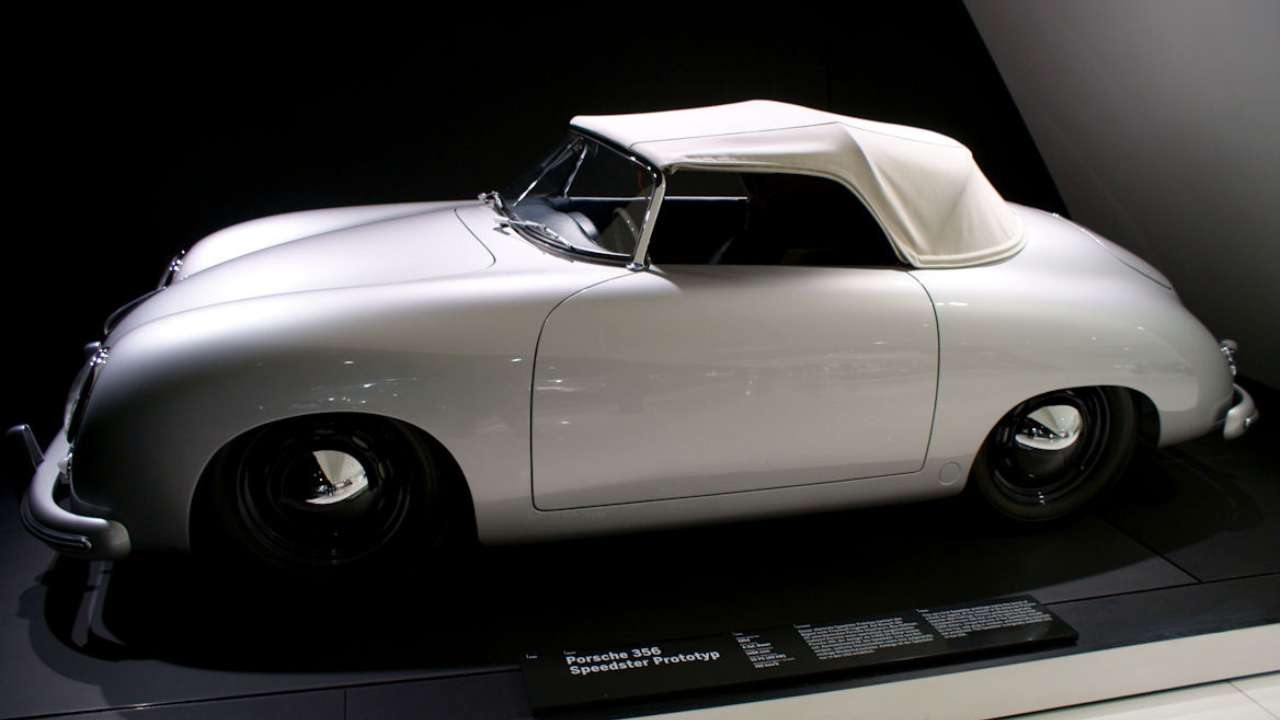
The Porsche 356 established a lightweight, rear-engine sports-car formula that would become central to Porsche’s identity. Its compact dimensions and efficient engineering allowed it to provide enjoyable performance without a large engine. Continuous development improved the car throughout the decade while retaining its basic concept. The 356 showed how careful engineering could create speed and agility without relying on the enormous engines popular in America.
Chevrolet Nomad
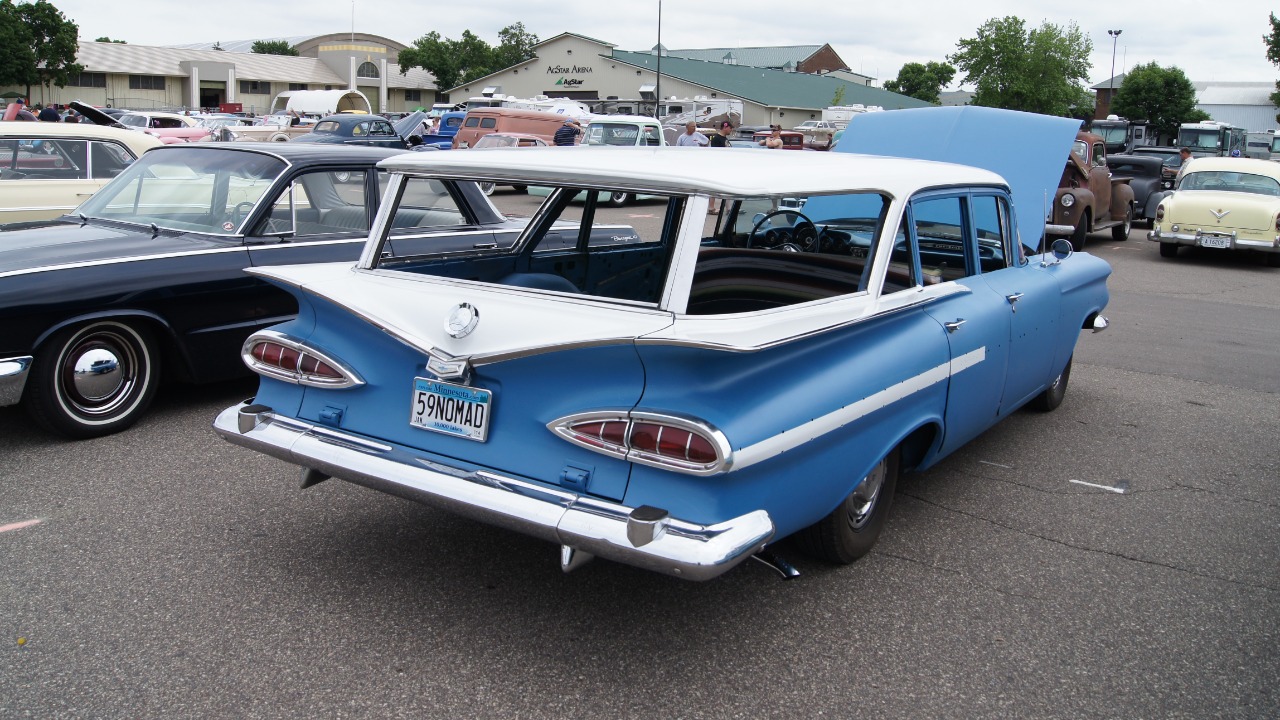
The Chevrolet Nomad made a station wagon look dramatically more stylish than most utility vehicles of its time. Its sleek two-door body, distinctive roofline, and carefully integrated cargo area created an unusual combination of practicality and design. Instead of treating a wagon as purely functional transportation, Chevrolet gave it genuine showroom appeal. The Nomad demonstrated how family vehicles could also become fashionable automotive statements.
Studebaker Golden Hawk
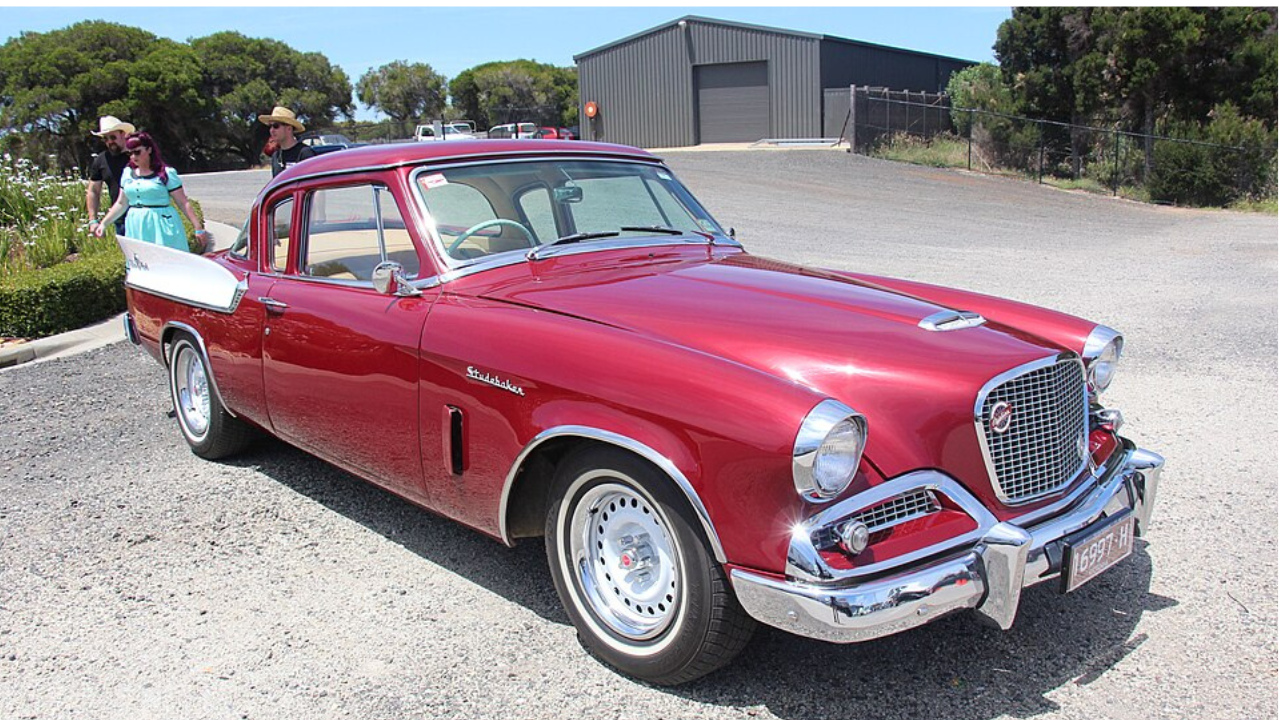
The Studebaker Golden Hawk looked different from the large, heavily styled cars coming from Detroit’s biggest manufacturers. Its low roofline, European-inspired proportions, and powerful V8 created an unusually sporty combination. Studebaker used advanced styling ideas to give the Golden Hawk a distinctive identity. Its design demonstrated that American buyers could be attracted to something more compact and visually restrained than the typical full-size cruiser.
Nash Metropolitan
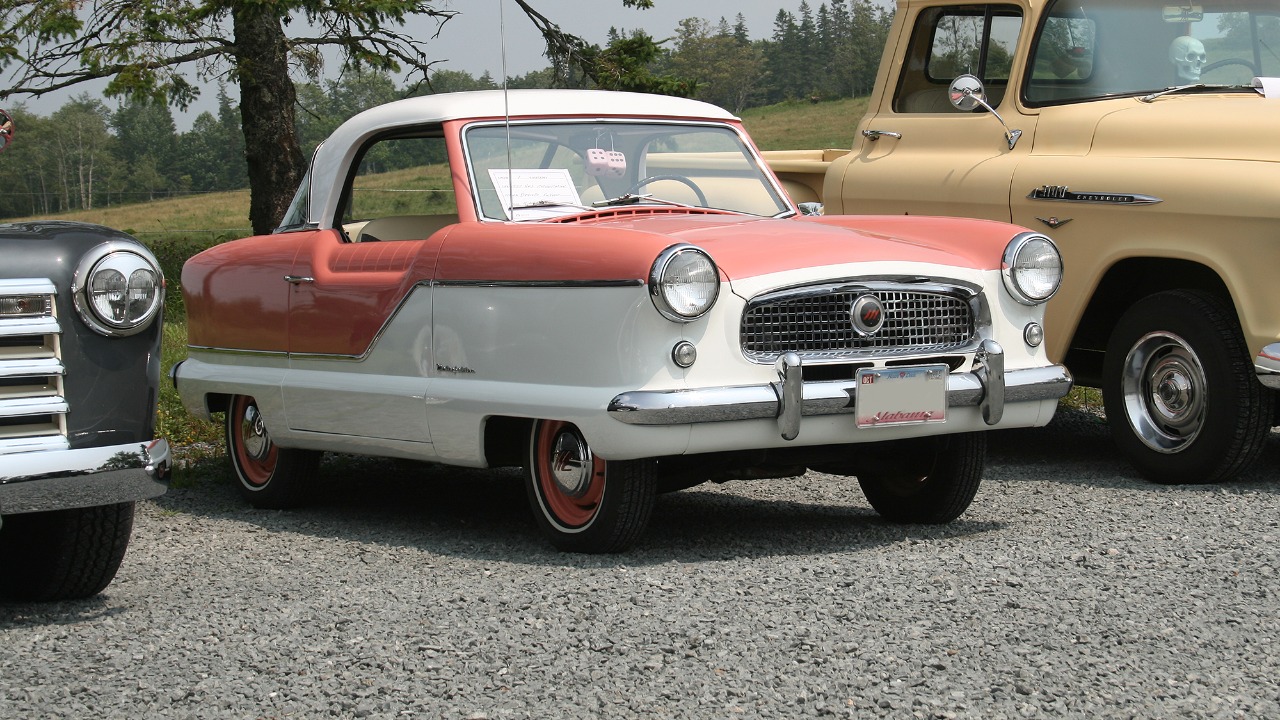
The Nash Metropolitan looked almost miniature compared with the enormous American cars surrounding it during the 1950s. Its compact dimensions, economical engine, and efficient packaging made it an early example of a small car designed specifically for American buyers. At a time when bigger usually meant better, the Metropolitan challenged that assumption. Its concept anticipated the growing demand for smaller and more economical vehicles decades later.
More from Fast Lane Only
- Unboxing the WWII Jeep in a Crate
- 15 rare Chevys collectors are quietly buying
- 10 underrated V8s still worth hunting down
- Police notice this before you even roll window down
*Research for this article included AI assistance, with all final content reviewed by human editors