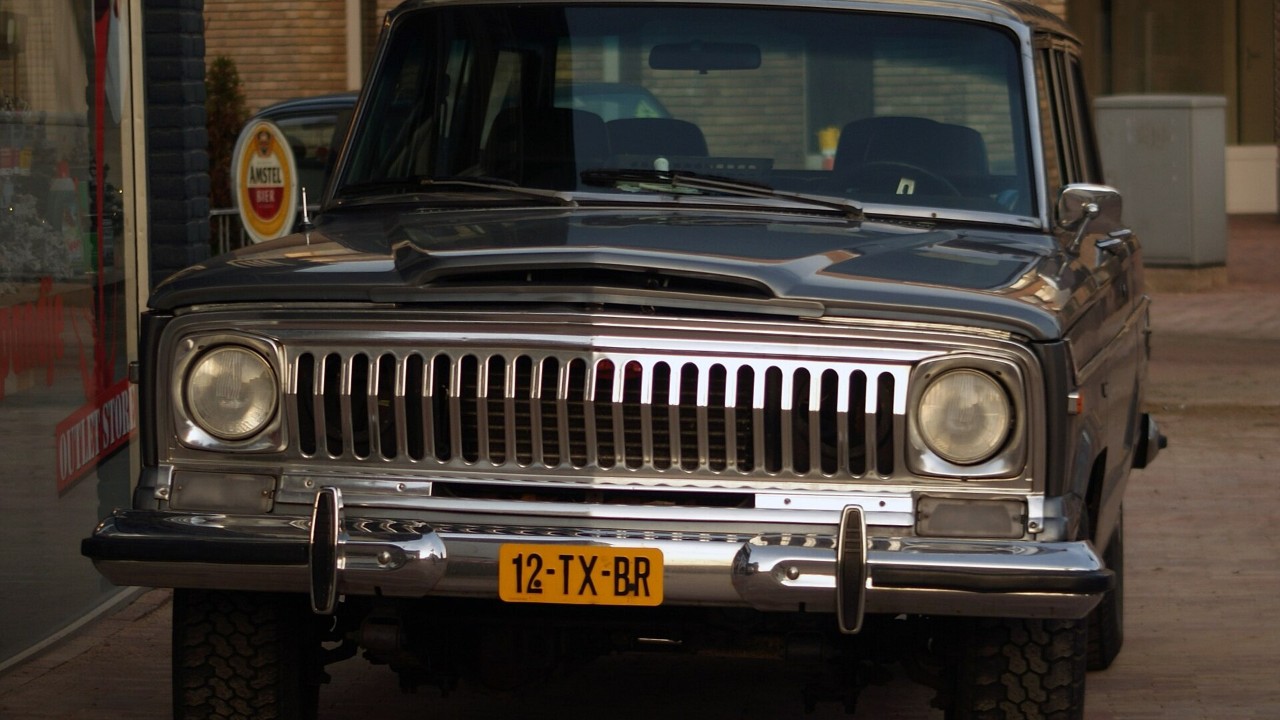
The 1950s were a remarkable period for American automobiles, when optimistic styling and new technology made cars feel like symbols of the future. Tailfins, chrome, powerful engines, and new conveniences transformed everyday transportation into something aspirational. These ten cars captured that optimism particularly well, showing how Detroit turned changing technology and postwar confidence into automobiles that still define the decade.
Chevrolet Bel Air
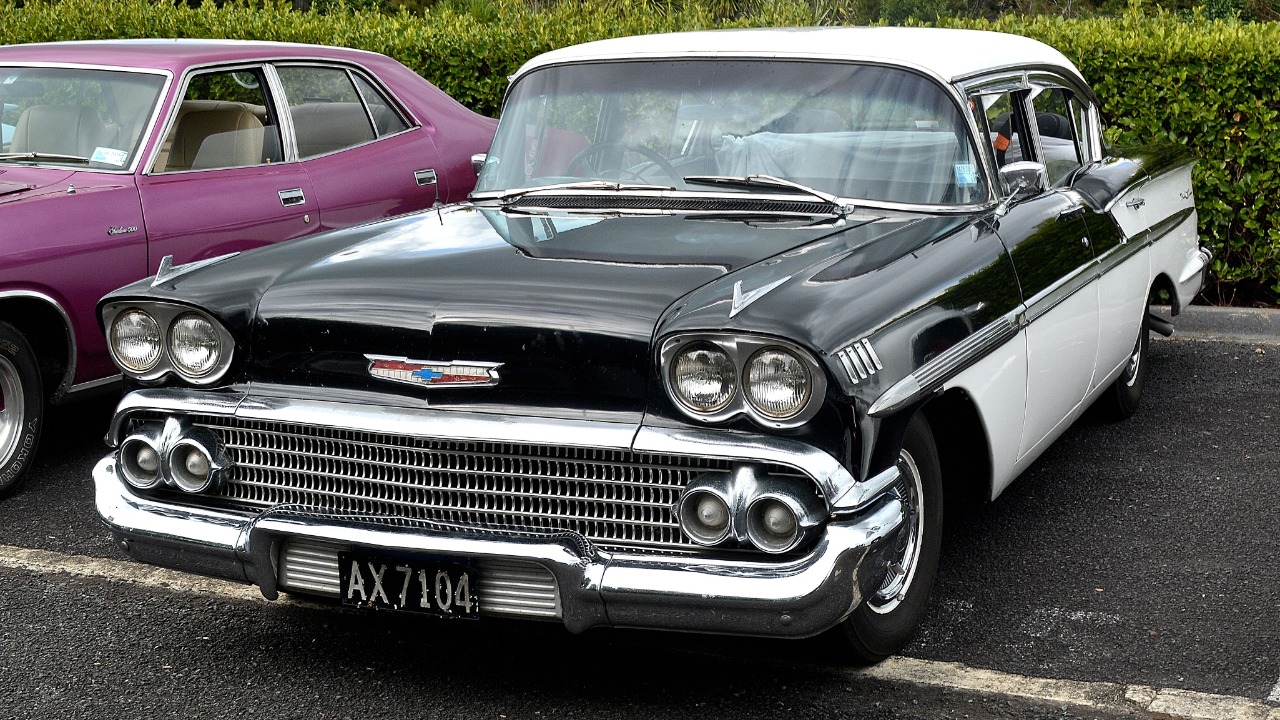
The Chevrolet Bel Air became one of the defining symbols of 1950s America. Its sweeping chrome, colorful paint schemes, and increasingly dramatic tailfins reflected the decade’s fascination with modern design. V8 power added to its appeal, while the roomy cabin made it practical enough for everyday families. Few cars captured the optimism and visual excitement of the period quite as completely.
Ford Thunderbird
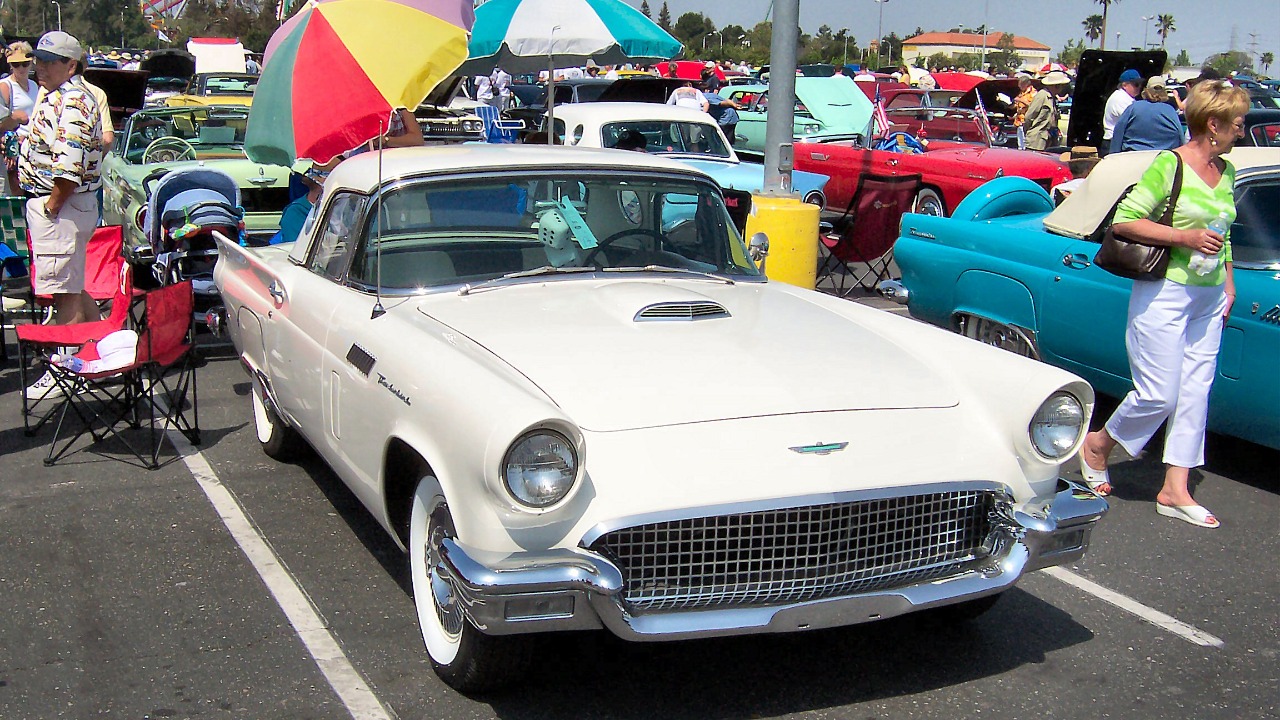
The Ford Thunderbird brought two-seat personal luxury to the American mainstream. Its sleek proportions, removable hardtop, and comfortable interior created a different kind of sports car, one focused as much on cruising as speed. The Thunderbird quickly became a cultural icon, demonstrating that an automobile could combine glamour, performance, and everyday usability in a way that appealed to a broad audience.
Cadillac Eldorado
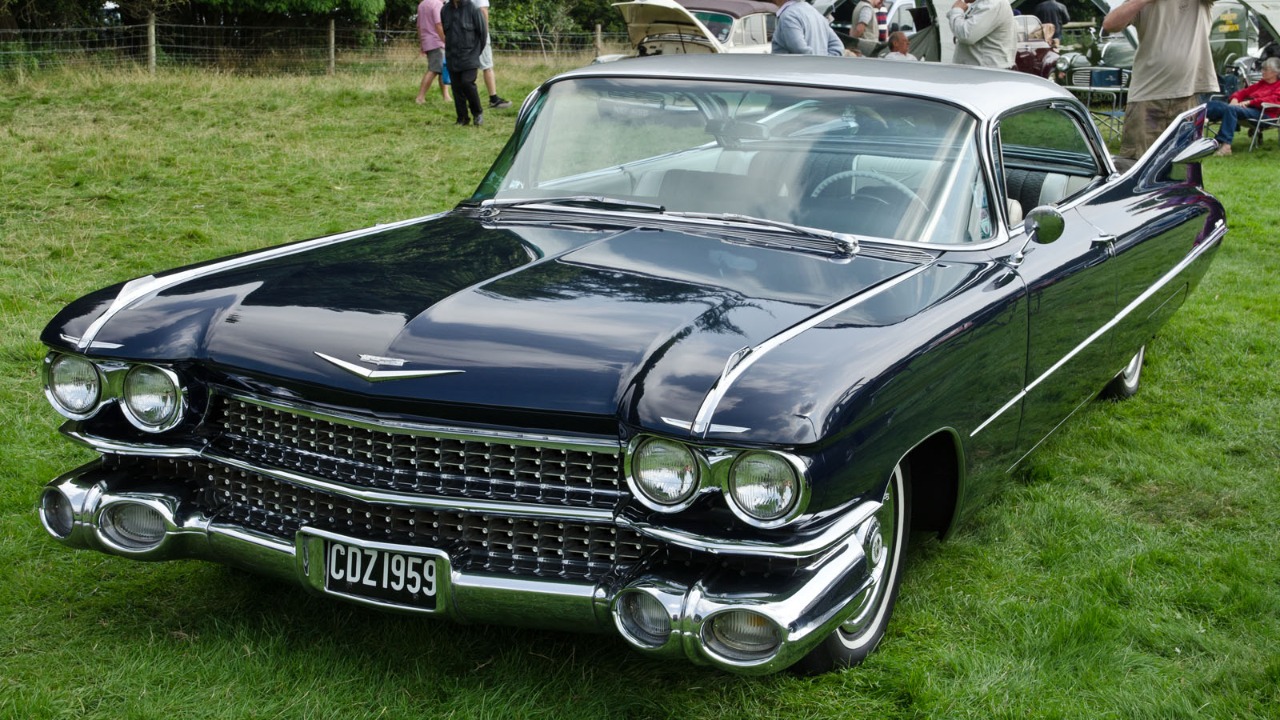
The Cadillac Eldorado represented the height of 1950s American automotive extravagance. Massive proportions, extensive chrome, dramatic tailfins, and powerful engines made it impossible to ignore. Cadillac used the Eldorado to showcase styling and luxury features that filtered into less expensive models later. It was more than transportation; it was a rolling statement of prosperity and confidence.
Chrysler 300
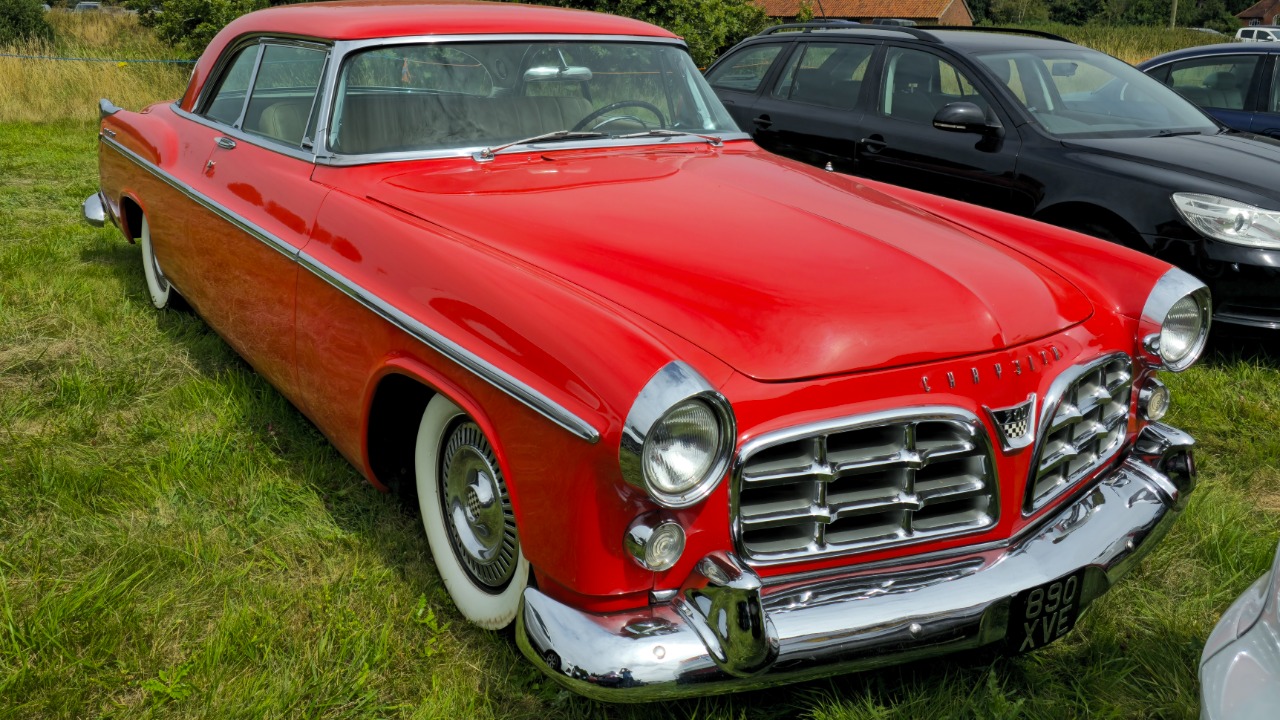
The Chrysler 300 brought serious performance to the luxury-car market. Its powerful Hemi V8, restrained styling, and impressive speed made it one of America’s most formidable road cars. Unlike the increasingly elaborate cars surrounding it, the 300 relied heavily on engineering and performance. It demonstrated that Detroit could build a sophisticated high-performance automobile without sacrificing comfort.
Buick Roadmaster
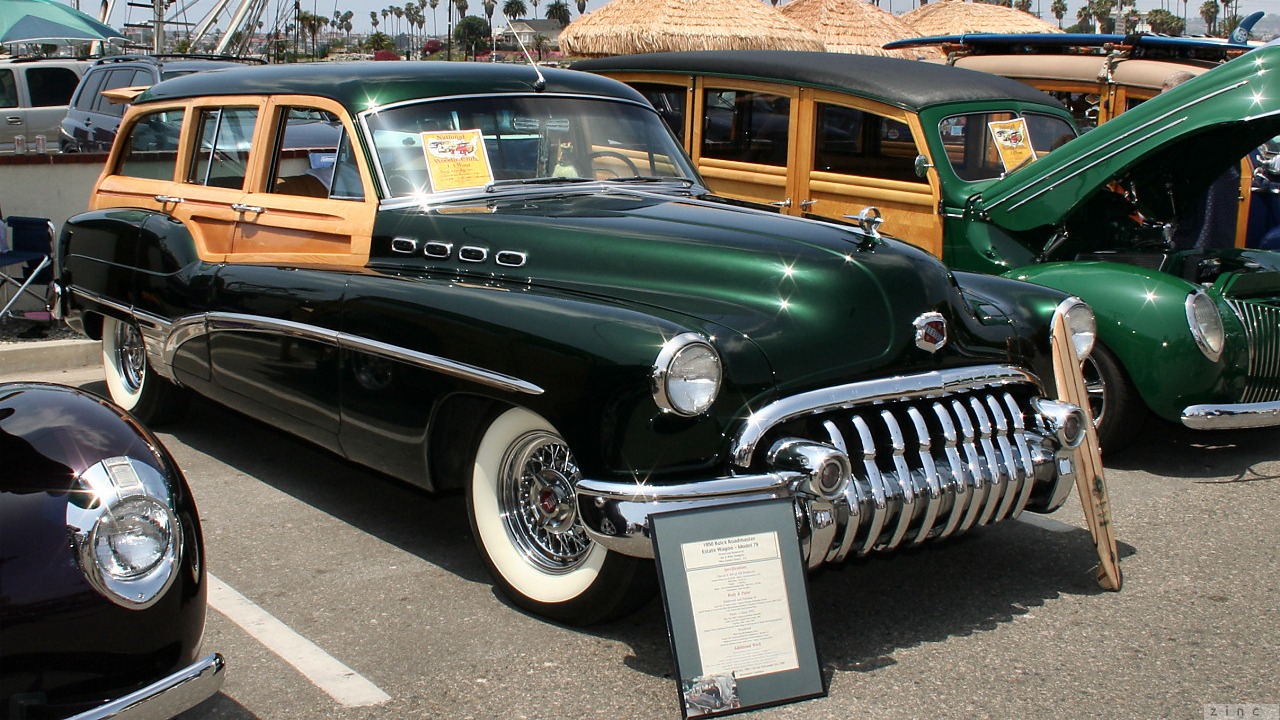
The Buick Roadmaster represented the traditional American luxury car at its most polished. Its large body, powerful V8, and richly appointed cabin made it an impressive presence on suburban streets and highways. Buick’s combination of comfort and performance appealed to buyers moving into a more prosperous postwar lifestyle. The Roadmaster remains a strong example of 1950s American confidence.
Oldsmobile 88
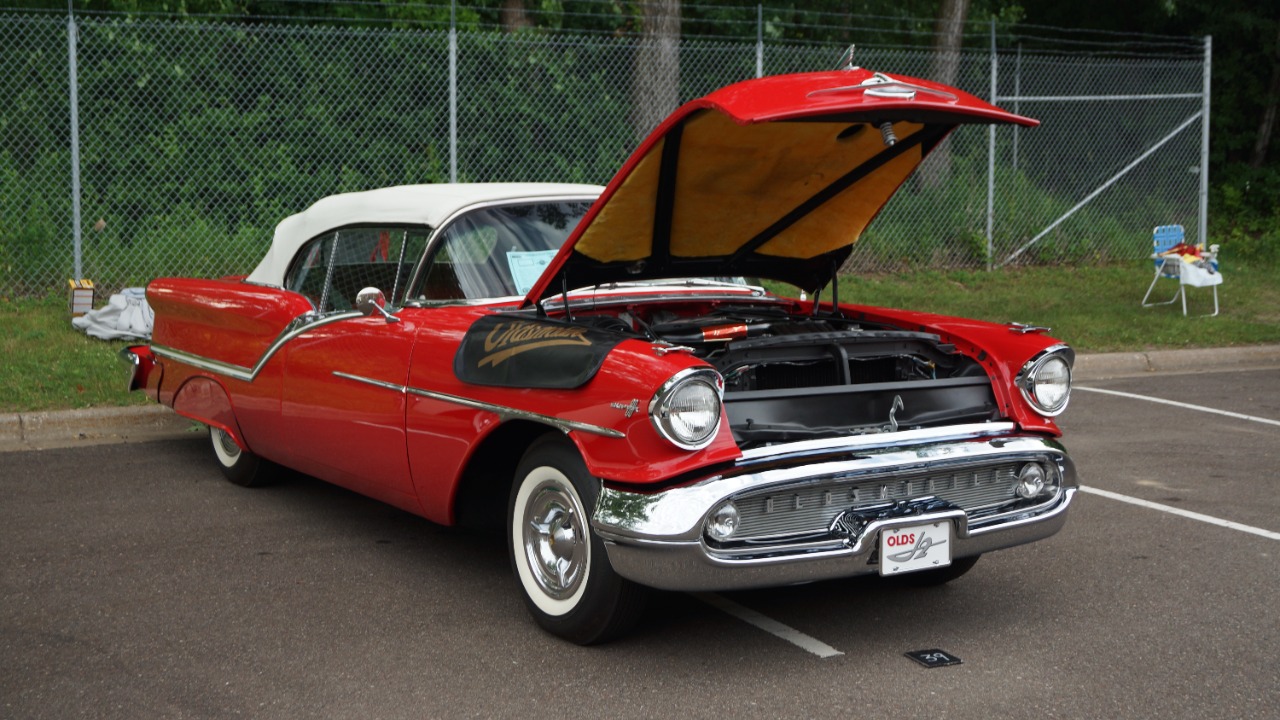
The Oldsmobile 88 helped bring V8 performance to a broader range of American buyers. Its relatively manageable size compared with larger luxury cars, combined with strong acceleration, gave it an appealing balance. The model also became known for distinctive styling that evolved rapidly throughout the decade. The 88 showed how performance was becoming part of mainstream American motoring.
Pontiac Bonneville
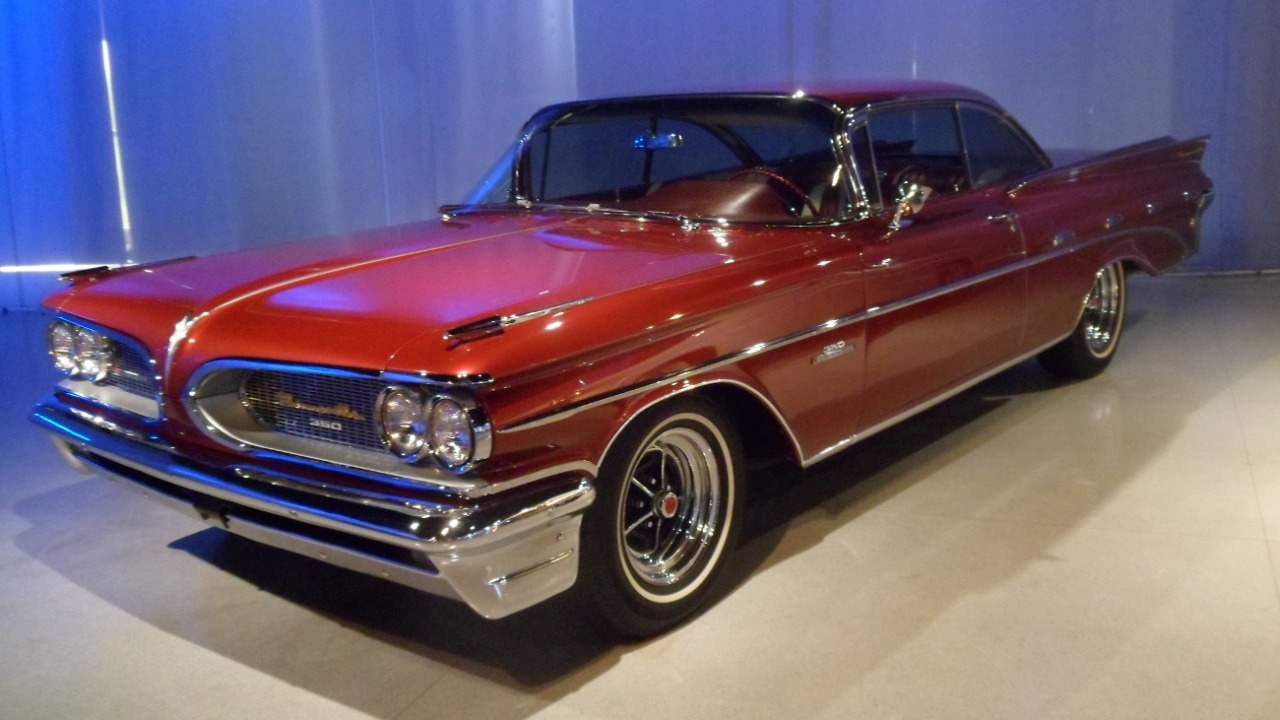
The Pontiac Bonneville represented Pontiac’s growing ambition during the 1950s. It combined powerful engines, extensive chrome, and increasingly dramatic styling with a more youthful personality than traditional luxury cars. Limited availability in its earliest form helped create exclusivity. The Bonneville became an important stepping stone toward Pontiac’s later performance-focused identity.
Studebaker Golden Hawk
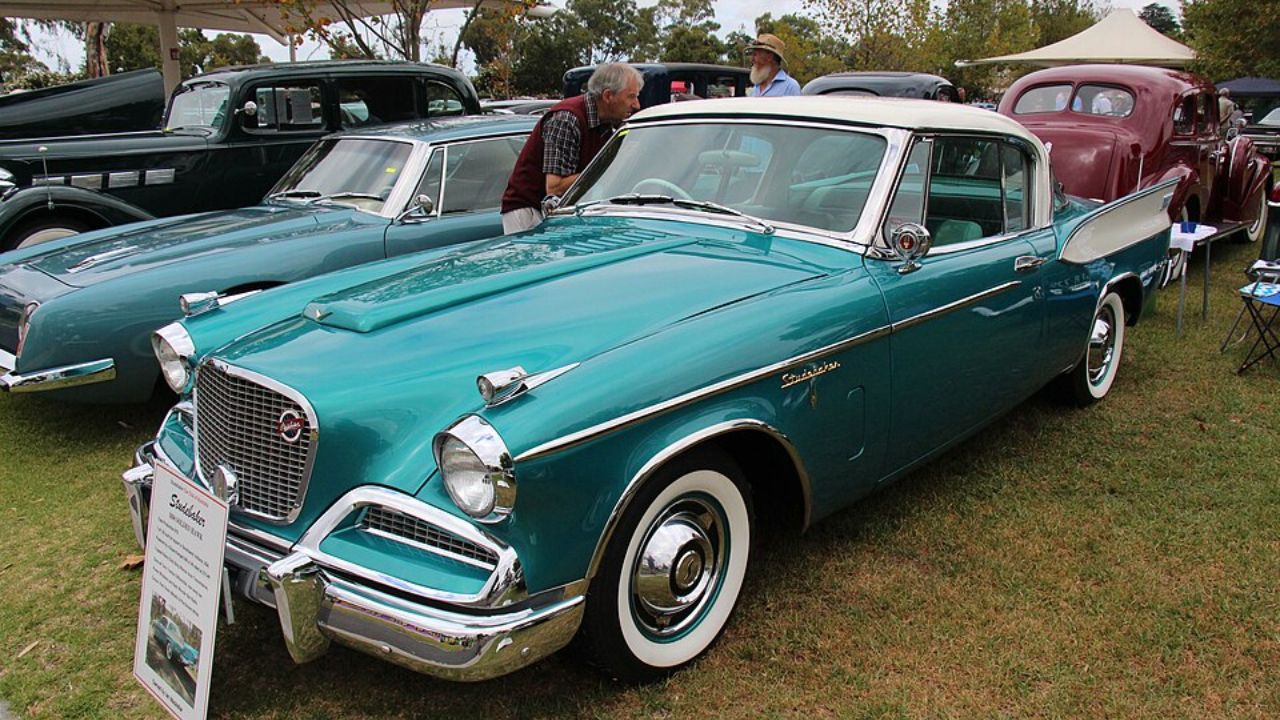
The Studebaker Golden Hawk looked remarkably different from Detroit’s mainstream offerings. Its sleek body, distinctive grille, and powerful V8 gave it a sporty personality while retaining enough comfort for everyday use. Studebaker’s willingness to experiment with design made the Golden Hawk particularly memorable. It proved that an independent manufacturer could still create something genuinely exciting during Detroit’s golden age.
Chevrolet Corvette
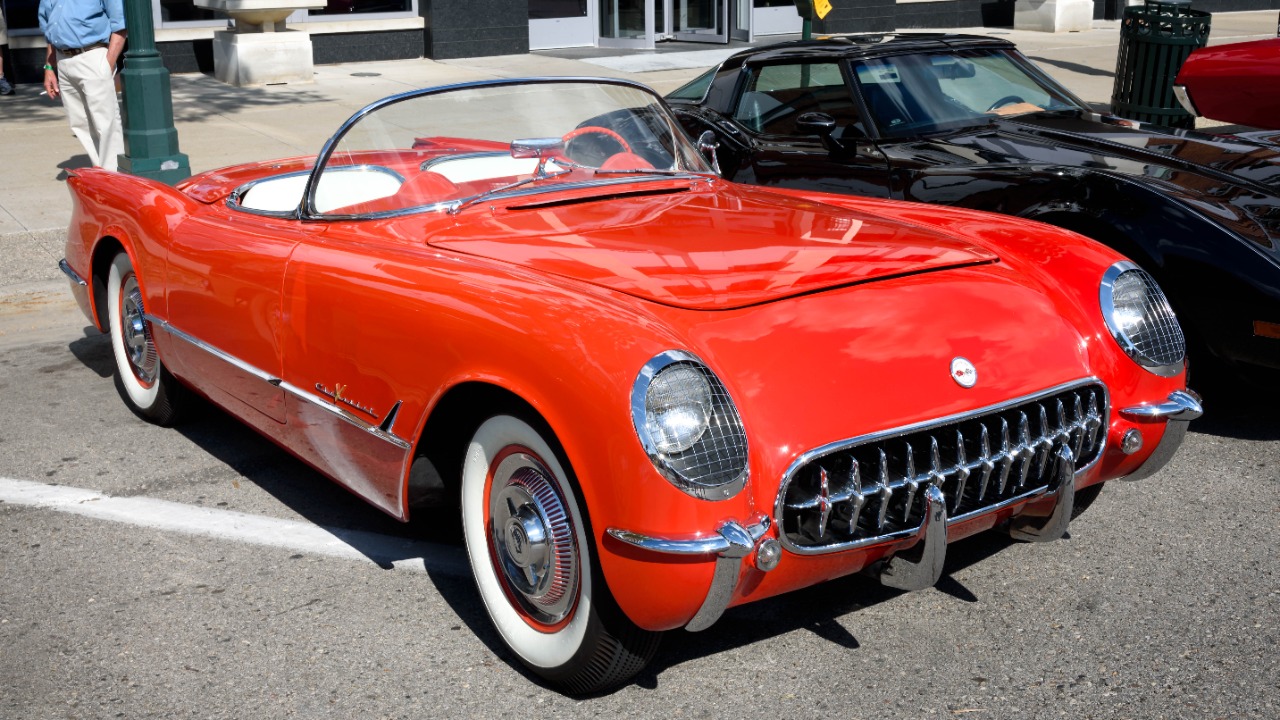
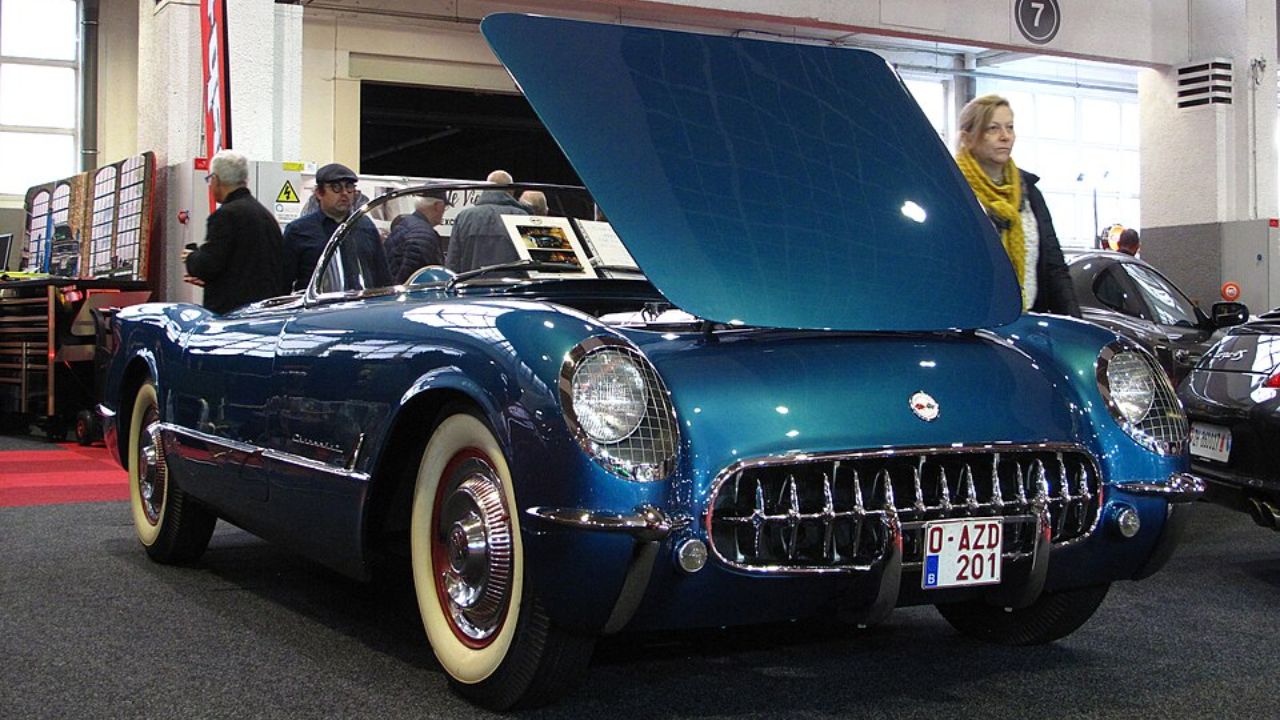
The Chevrolet Corvette established the idea that America could build a dedicated sports car capable of competing for attention with European rivals. Early Corvettes evolved quickly, gaining stronger engines and increasingly refined mechanical components. Its fiberglass body made it distinctive even when parked. More importantly, the Corvette gave American enthusiasts a homegrown performance icon that would endure for generations.
Ford Fairlane
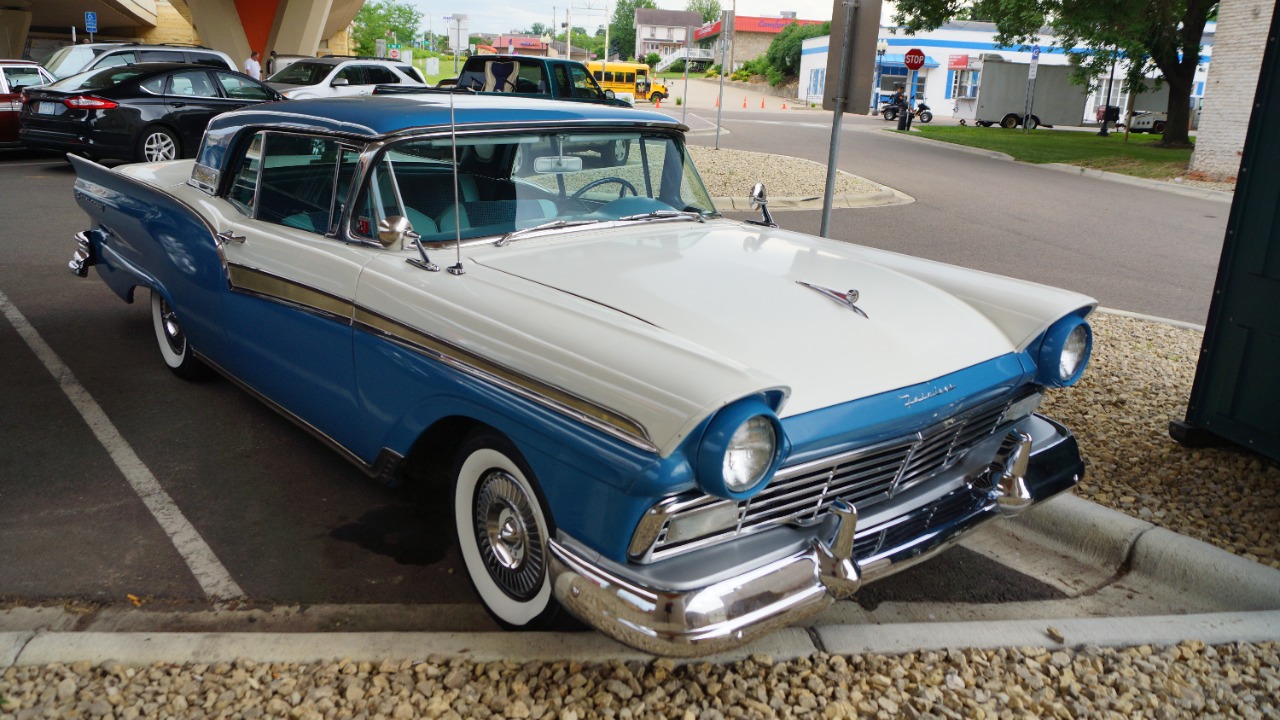
The Ford Fairlane captured the changing middle ground between ordinary family transportation and full-size American luxury. Its increasingly elaborate styling, generous cabin, and available V8 engines reflected the decade’s growing appetite for comfort and performance. The Fairlane became an important part of Ford’s lineup as American buyers embraced larger, more expressive automobiles. Its design perfectly matched the optimistic mood of the era.
More from Fast Lane Only
- Unboxing the WWII Jeep in a Crate
- 15 rare Chevys collectors are quietly buying
- 10 underrated V8s still worth hunting down
- Police notice this before you even roll window down
*Research for this article included AI assistance, with all final content reviewed by human editors