The 1970s forced Detroit to rethink almost everything it knew about building cars. Fuel shortages, new emissions rules, changing safety standards, and shifting consumer tastes pushed American manufacturers toward smaller dimensions, new technologies, and more efficient designs. Some cars struggled with the transition, while others helped shape what American automobiles would become for the next several decades.
Chevrolet Vega
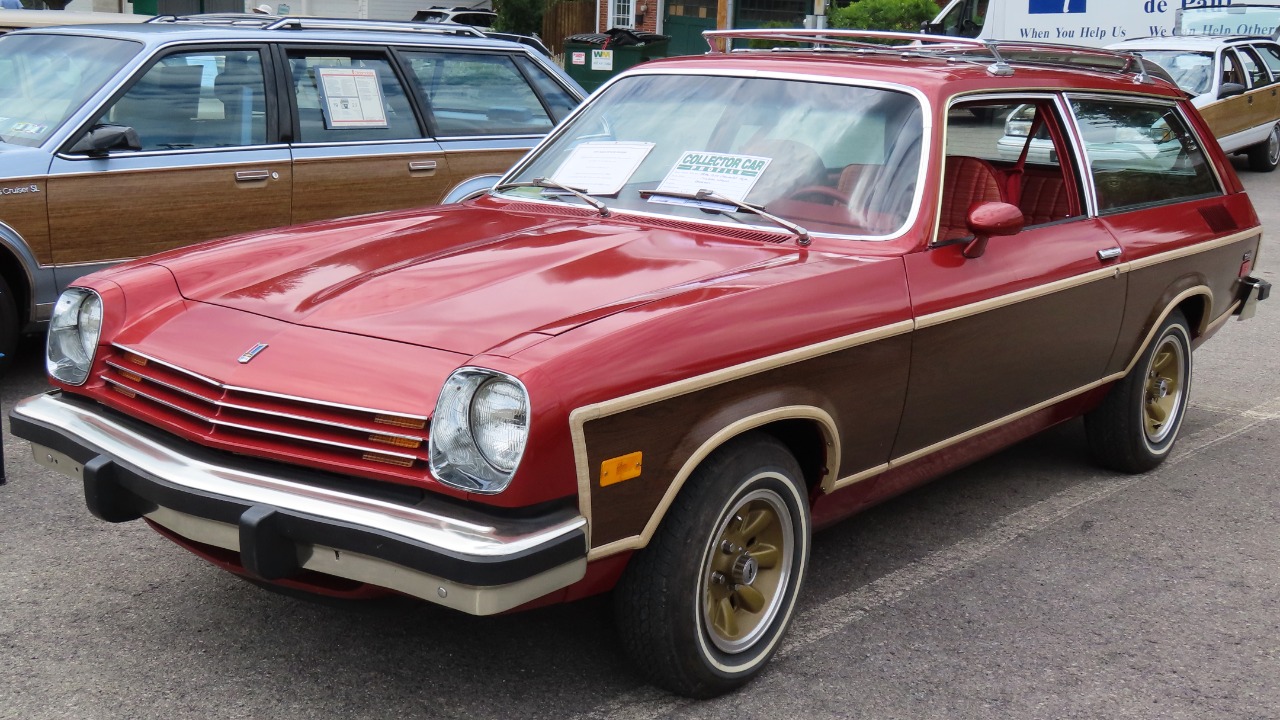
The Chevrolet Vega represented one of Detroit’s biggest attempts to compete with increasingly popular compact imports. Its lightweight body, modern styling, and efficient dimensions gave Chevrolet a much-needed small-car offering. The Vega ultimately developed serious durability problems, but its importance should not be overlooked. It showed how dramatically Detroit was being pushed toward smaller, lighter, and more economical automobiles.
Ford Pinto
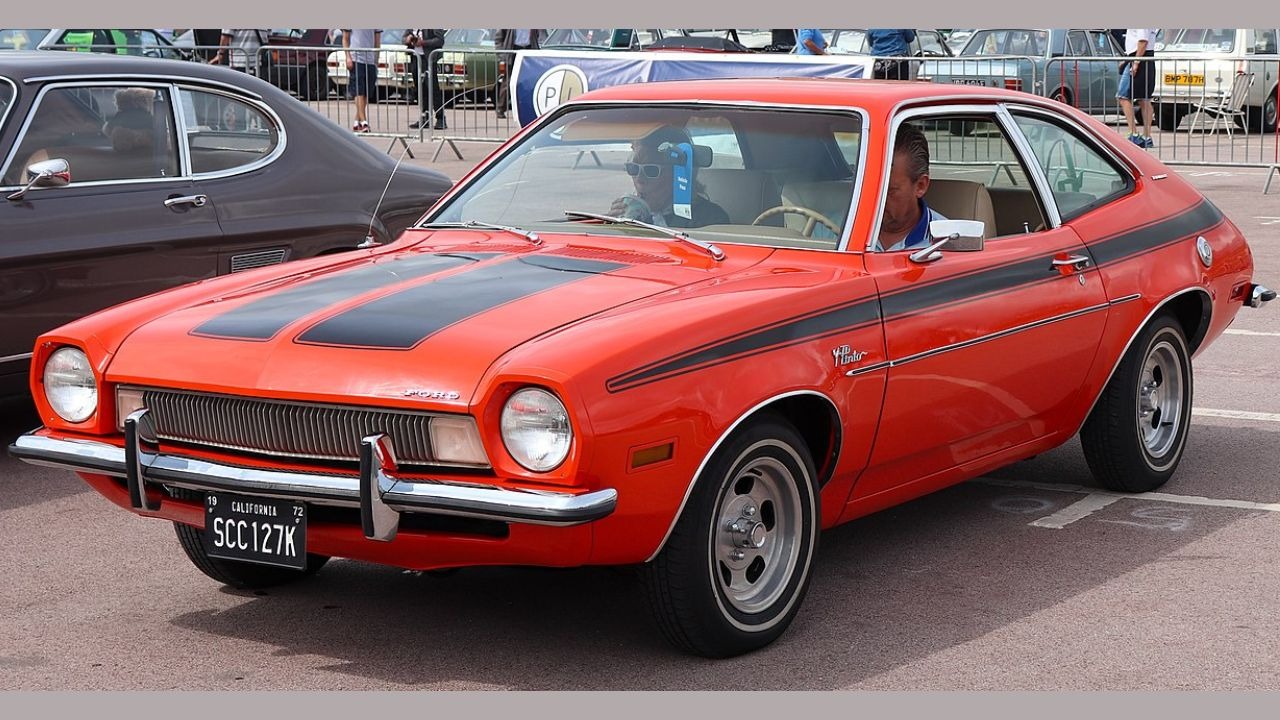
The Ford Pinto became one of the defining small cars of the era. Its compact size and relatively affordable price helped Ford compete as American buyers increasingly considered smaller vehicles. The Pinto’s controversial safety history overshadowed much of its broader significance, but the model still represented a major shift in Detroit’s priorities. Small, inexpensive cars were no longer optional for American manufacturers.
Dodge Omni
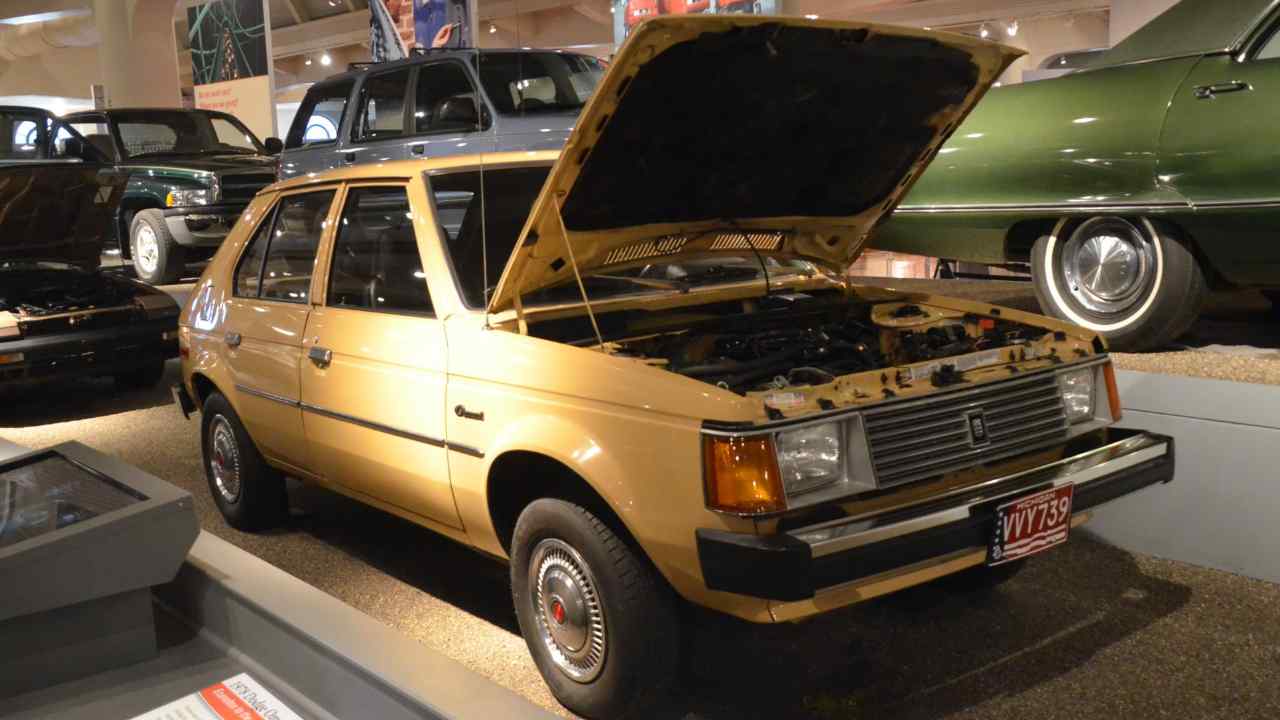
The Dodge Omni represented Chrysler’s move toward front-wheel drive, compact dimensions, and more efficient packaging. It arrived during a period when traditional rear-wheel-drive American cars were facing increasing pressure from imports. The Omni demonstrated that Chrysler could build a practical small car with modern proportions. Its platform later became the foundation for several performance-oriented variants.
Pontiac Firebird Trans Am
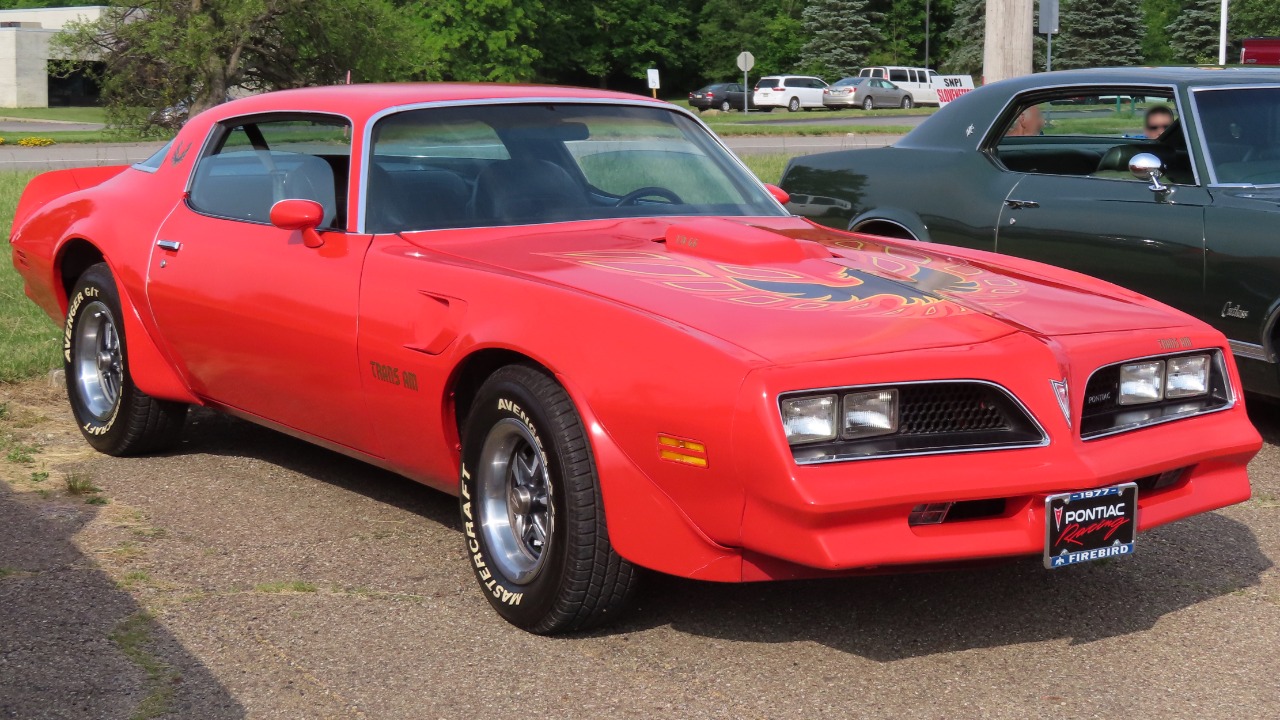
The Pontiac Firebird Trans Am proved that performance cars could survive even as the industry faced fuel shortages and increasingly strict regulations. Its dramatic styling and available V8 engines kept the muscle-car spirit alive when many competitors were becoming less powerful. The Trans Am became one of the most recognizable performance cars of the decade and helped preserve Detroit’s performance identity.
Cadillac Seville
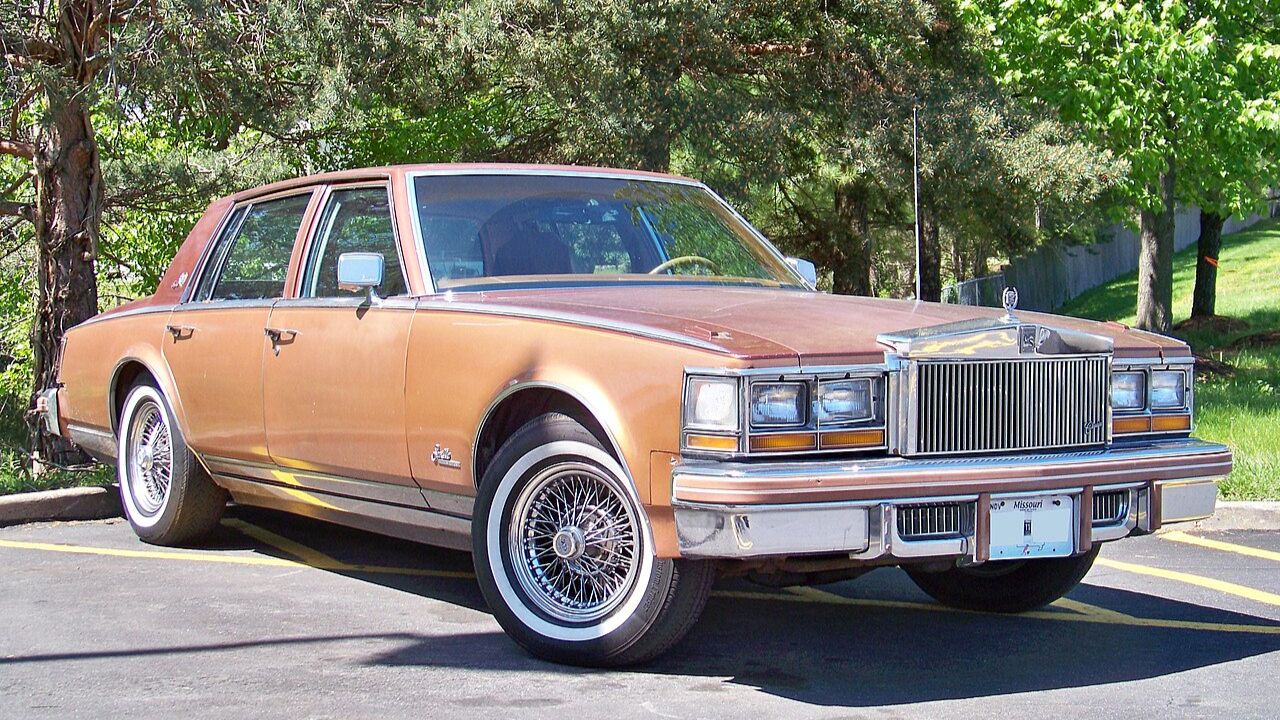
The Cadillac Seville represented a major departure from Cadillac’s traditional formula. It was significantly smaller than the brand’s enormous luxury cars and emphasized efficiency, maneuverability, and a more European-inspired driving experience. The Seville showed that Cadillac could adapt to changing expectations without abandoning luxury. Its arrival marked an important turning point for American premium automobiles.
Chevrolet Chevette
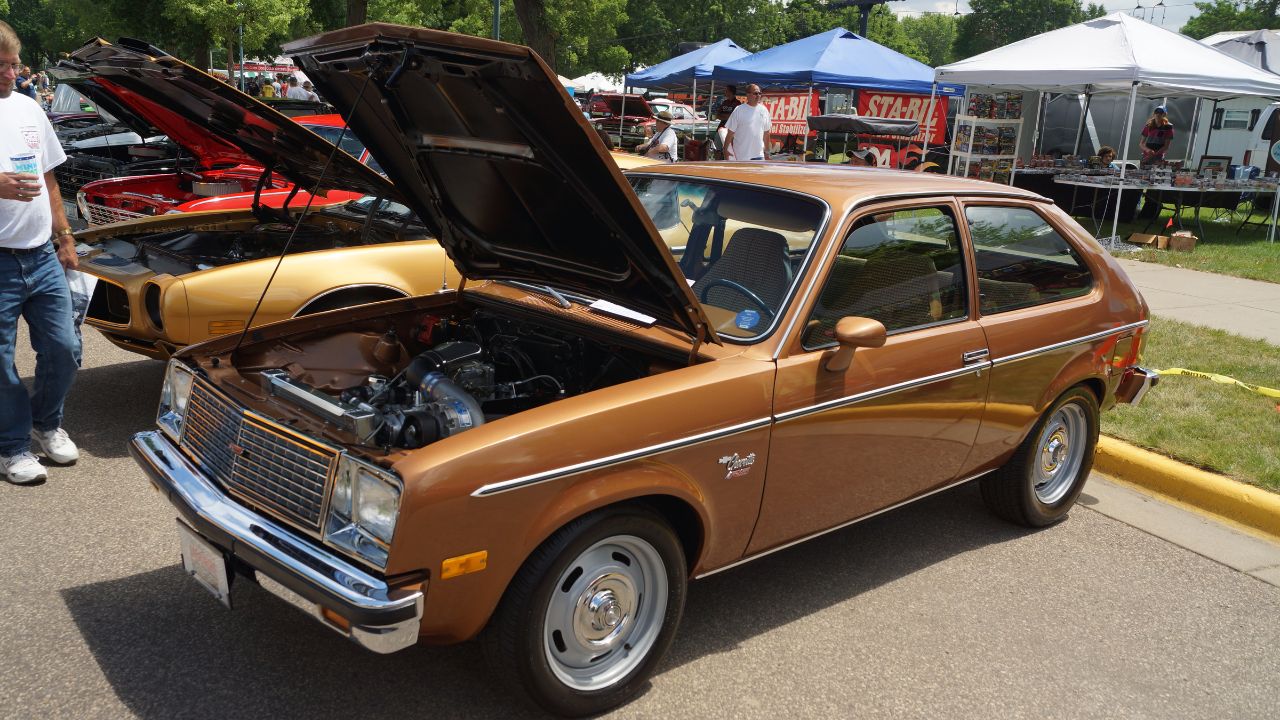
The Chevrolet Chevette was designed around the new reality of smaller, more economical American cars. Its compact dimensions and relatively simple mechanical layout made it useful for buyers who no longer wanted enormous sedans. The Chevette became one of Chevrolet’s most important small-car efforts of the decade. It reflected just how much everyday American transportation was changing.
Chrysler Cordoba
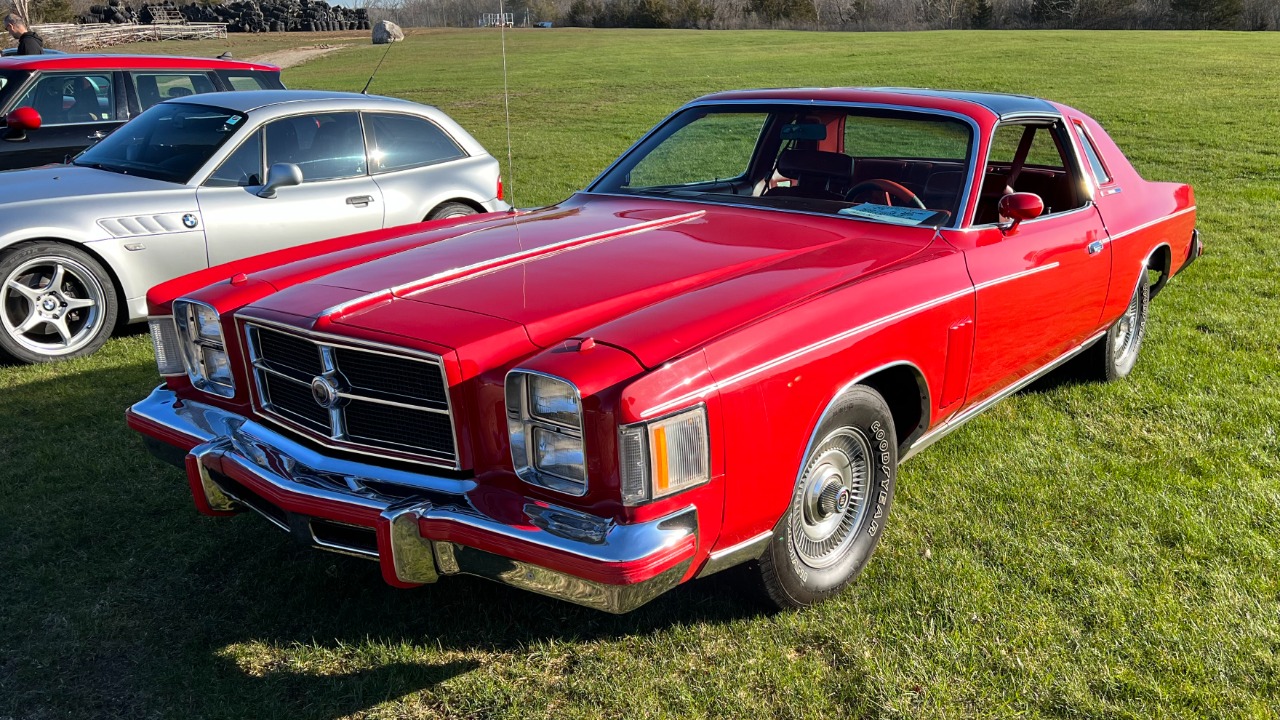
The Chrysler Cordoba demonstrated that Detroit could respond to changing times without abandoning personal luxury. Its smaller dimensions, distinctive styling, and comfortable interior offered a more manageable alternative to traditional full-size luxury cars. The Cordoba became a major sales success for Chrysler and helped establish a new formula for affordable personal luxury during a difficult period for American automakers.
Oldsmobile Cutlass
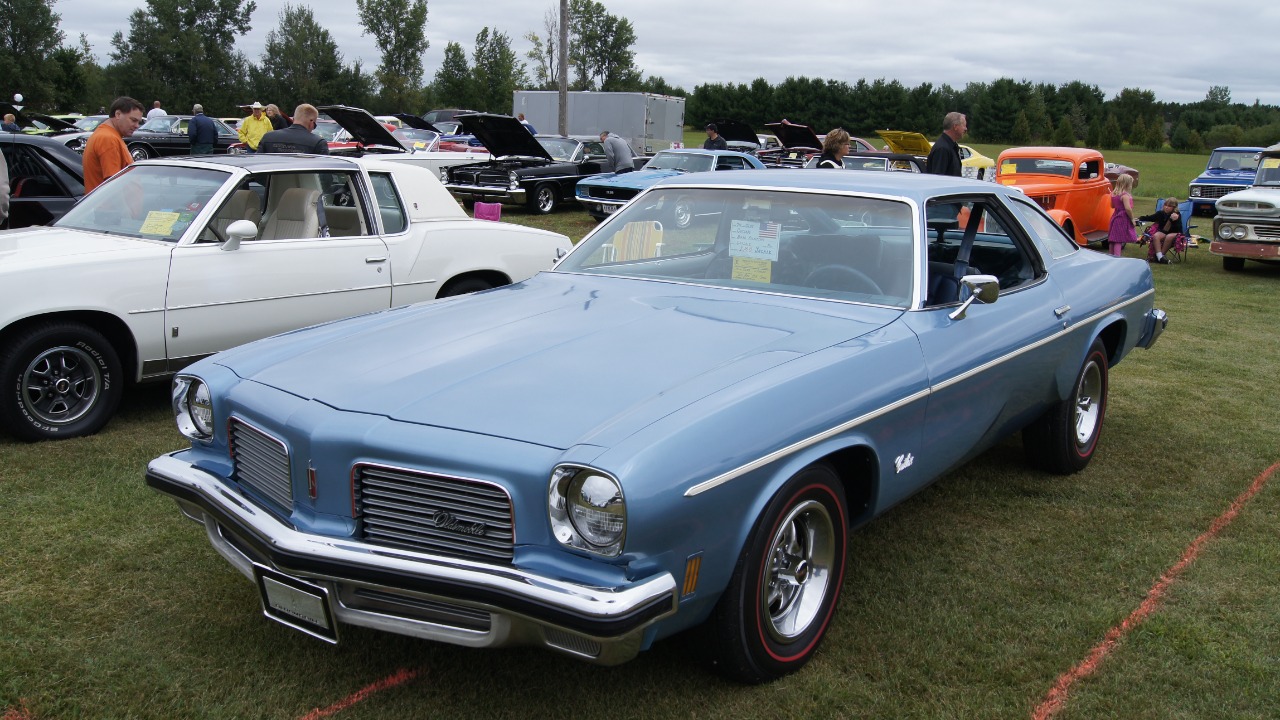
The Oldsmobile Cutlass became one of the decade’s strongest examples of how Detroit could adapt its traditional formula. It remained comfortable and recognizable while gradually becoming smaller and more efficient. The model’s broad appeal helped Oldsmobile navigate changing consumer preferences. Its success also demonstrated that buyers were willing to accept downsizing when manufacturers retained familiar styling and comfort.
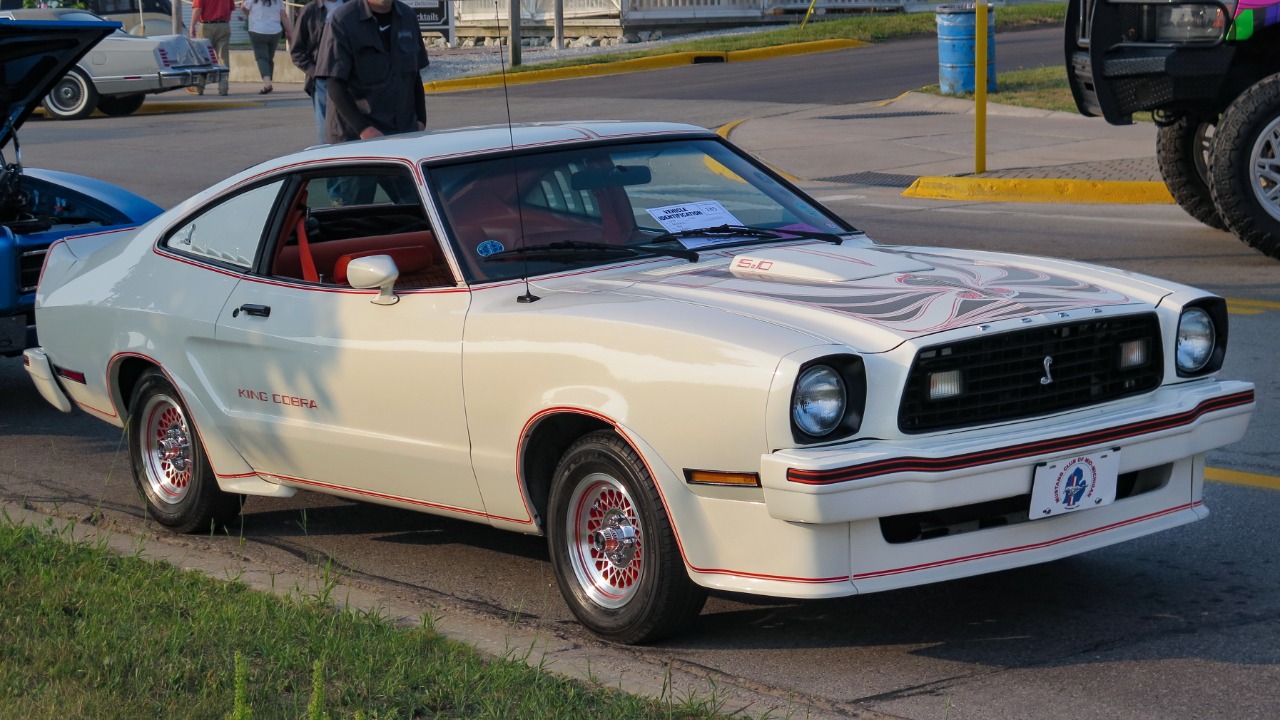
Ford Mustang II
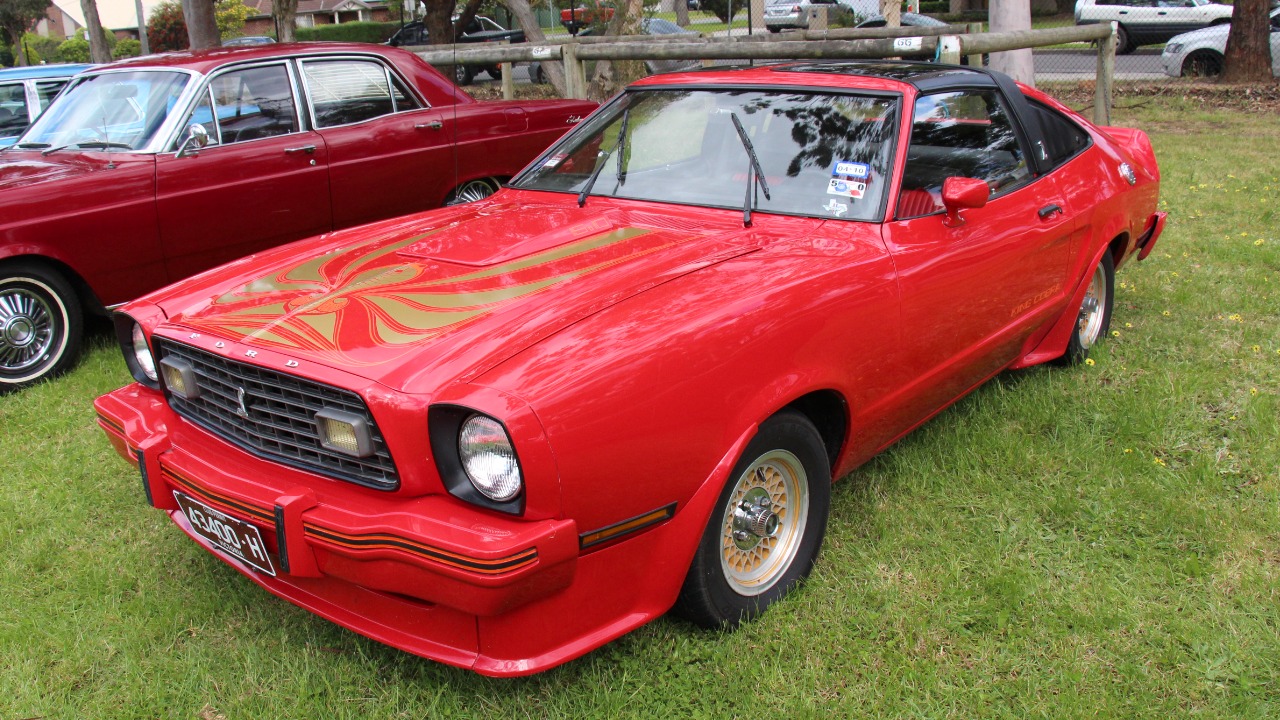
The Ford Mustang II represented one of the most controversial changes in the history of the Mustang. Smaller, lighter, and less powerful than its predecessors, it reflected the realities of the fuel crisis and new emissions regulations. Enthusiasts criticized the loss of performance, but the Mustang II kept the nameplate alive when a traditional muscle car might not have survived. That alone makes it historically important.
Buick Regal
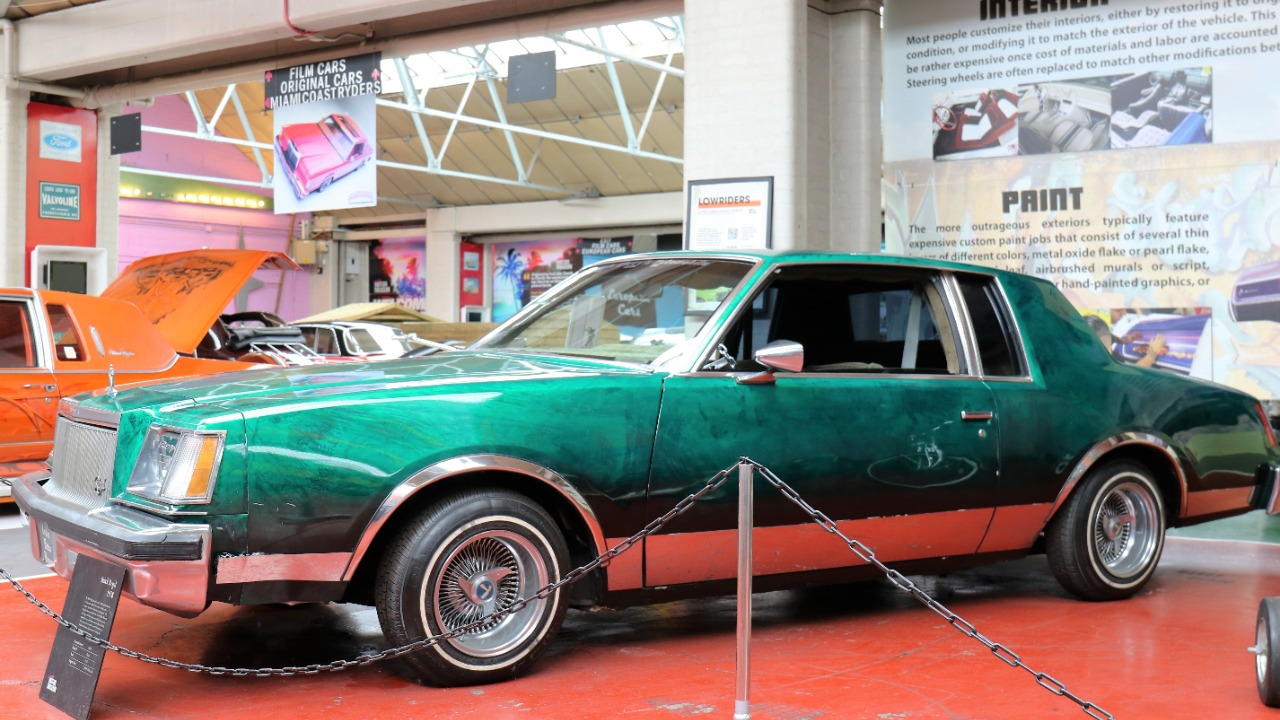
The Buick Regal helped define the new personal-luxury market that emerged during the 1970s. Its midsize dimensions, comfortable interior, and available V8 power offered buyers a compromise between traditional American size and changing economic realities. The Regal also provided the foundation for later performance variants. Its evolution demonstrated how Detroit could adapt familiar ideas rather than abandoning them entirely.
More from Fast Lane Only
- Unboxing the WWII Jeep in a Crate
- 15 rare Chevys collectors are quietly buying
- 10 underrated V8s still worth hunting down
- Police notice this before you even roll window down
*Research for this article included AI assistance, with all final content reviewed by human editors