American engines earned legendary status through a combination of raw power, simple engineering, durability, and unforgettable applications. Some dominated drag strips, others powered work trucks for decades, while several became icons through their enormous tuning potential. These ten engines helped shape America’s performance and automotive culture, becoming mechanical legends recognized far beyond their original vehicles.
Chevrolet Small-Block 350
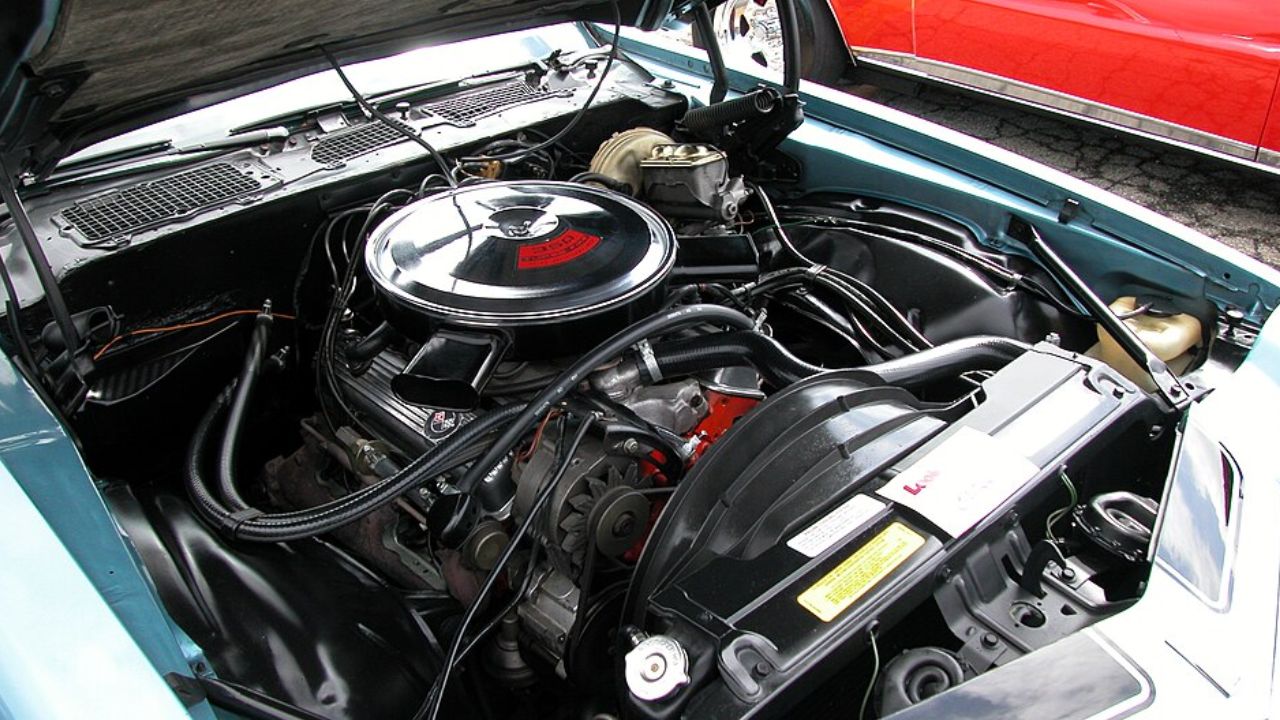
The Chevrolet Small-Block 350 became one of America’s most influential V8 engines because of its versatility and enormous production volume. It powered everything from ordinary passenger cars to muscle cars, trucks, and boats. Its compact dimensions, simple pushrod design, and huge aftermarket made modifications remarkably accessible. The 350 earned its legendary reputation not from one spectacular application, but from its ability to work successfully in almost anything that needed dependable V8 power.
Ford 302 Windsor
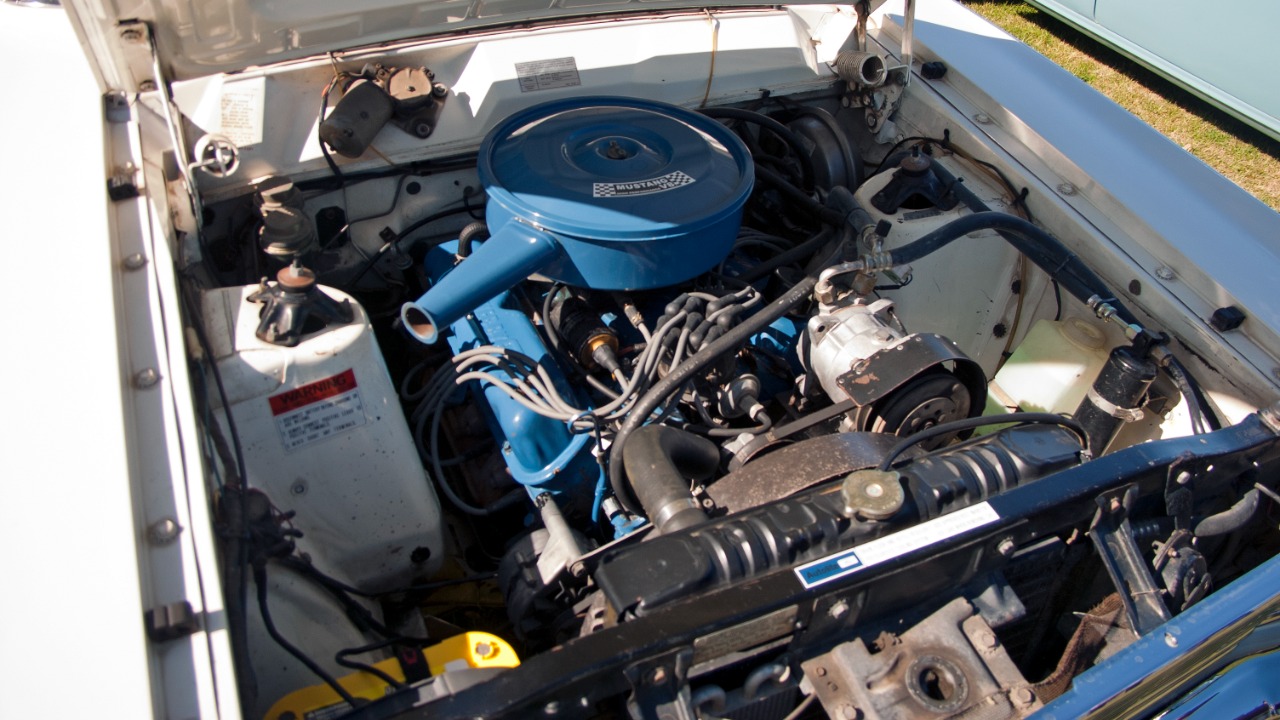
The Ford 302 Windsor became a favorite among enthusiasts because its compact dimensions made it exceptionally adaptable. Introduced as a small-displacement V8, it powered numerous Mustangs, trucks, and performance vehicles over several decades. Its strong aftermarket support allowed builders to create everything from reliable street engines to serious racing combinations. The 302’s combination of manageable size, abundant parts, and tuning potential helped make it one of Ford’s most recognizable V8 designs.
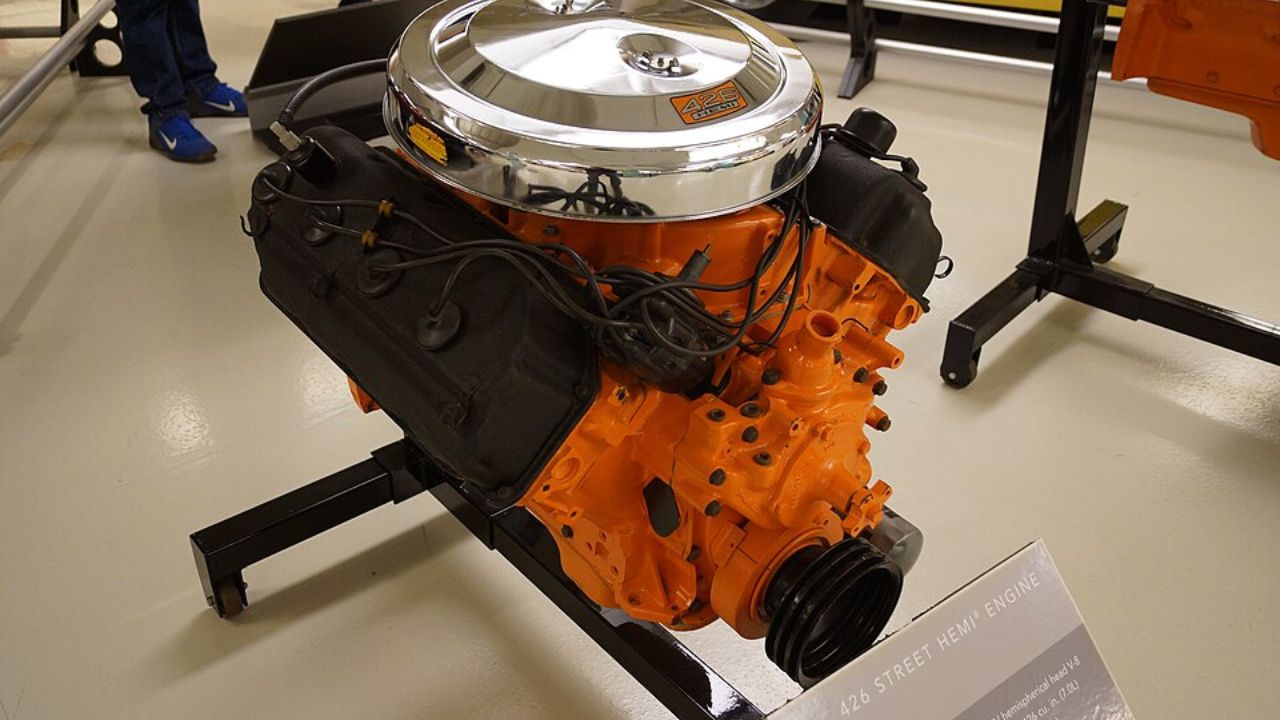
Chrysler 426 Hemi
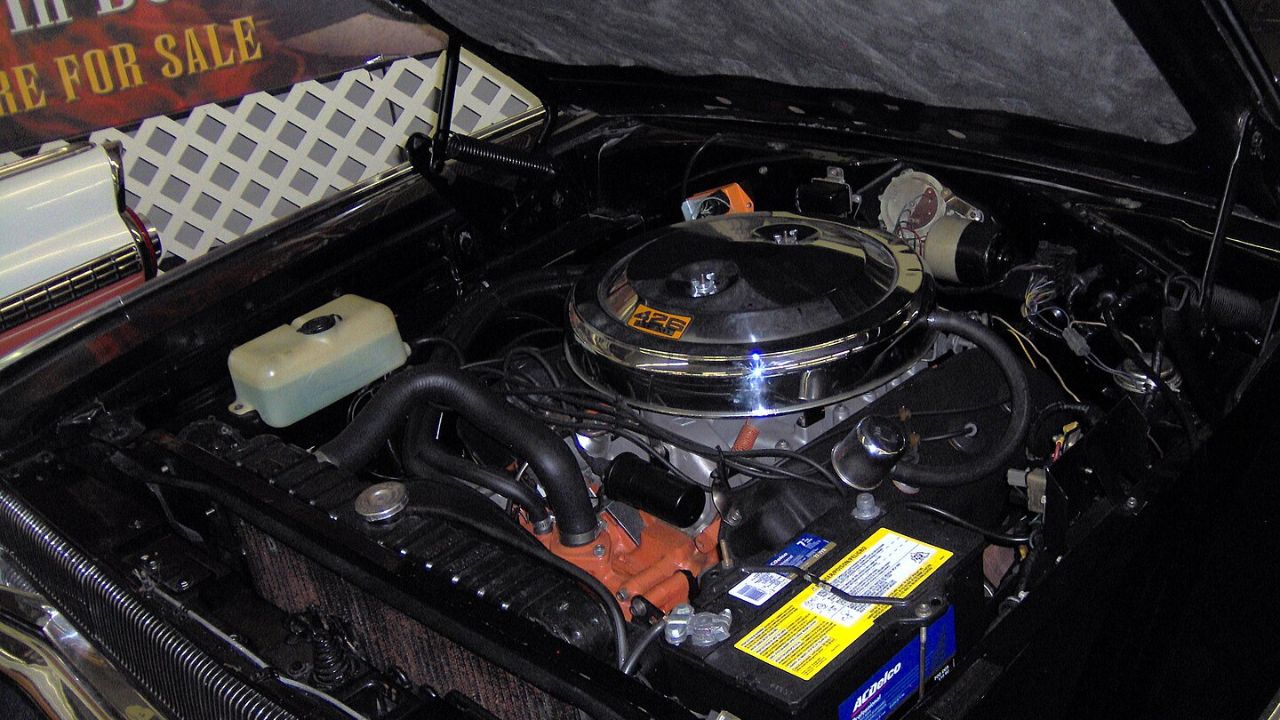
The Chrysler 426 Hemi became synonymous with extreme American performance during the muscle-car era. Its hemispherical combustion chambers allowed excellent airflow and large valves, giving the engine tremendous high-performance potential. It powered legendary Mopar machines and established an imposing reputation on drag strips and race tracks. The 426 Hemi became more than an engine; it became a symbol of Chrysler’s willingness to pursue maximum performance when horsepower wars reached their peak.
Ford 427 Side-Oiler

The Ford 427 Side-Oiler was engineered for serious competition, receiving a reinforced block and specialized oiling system designed to withstand demanding racing conditions. Its large displacement and high-performance cylinder heads helped it produce enormous power for its time. The engine became closely associated with Ford’s most famous racing and performance programs. Today, the 427 remains one of the most respected big-block V8s from America’s golden age of motorsport.
Chevrolet 427 L88

The Chevrolet 427 L88 represented one of the most extreme factory performance engines of the 1960s. Designed with racing in mind, it featured high-flow cylinder heads, a high-performance valvetrain, and an aggressive overall specification. Chevrolet deliberately understated its street credentials, but its competition capability was enormous. Very limited production made genuine L88-powered cars exceptionally valuable, while the engine itself became a symbol of Chevrolet’s willingness to build almost uncompromising performance machinery.
Buick 455 Stage 1
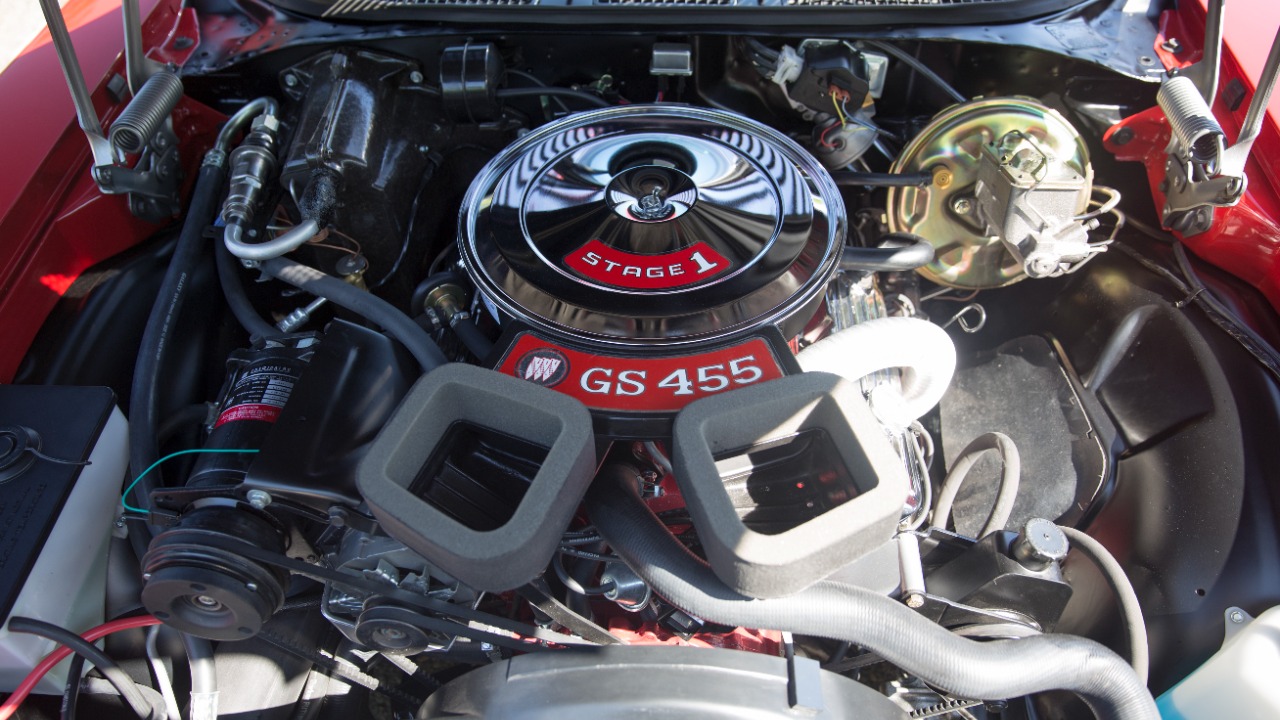
The Buick 455 Stage 1 demonstrated that enormous displacement could deliver more than just brute force. Its large V8 produced tremendous torque, giving Buick’s performance cars strong acceleration while retaining the brand’s comfortable character. The engine became especially respected because it could move substantial vehicles with surprising authority. The Stage 1 remains an important part of Buick’s performance history and a favorite among enthusiasts who appreciate understated muscle.
Oldsmobile 455 W-30
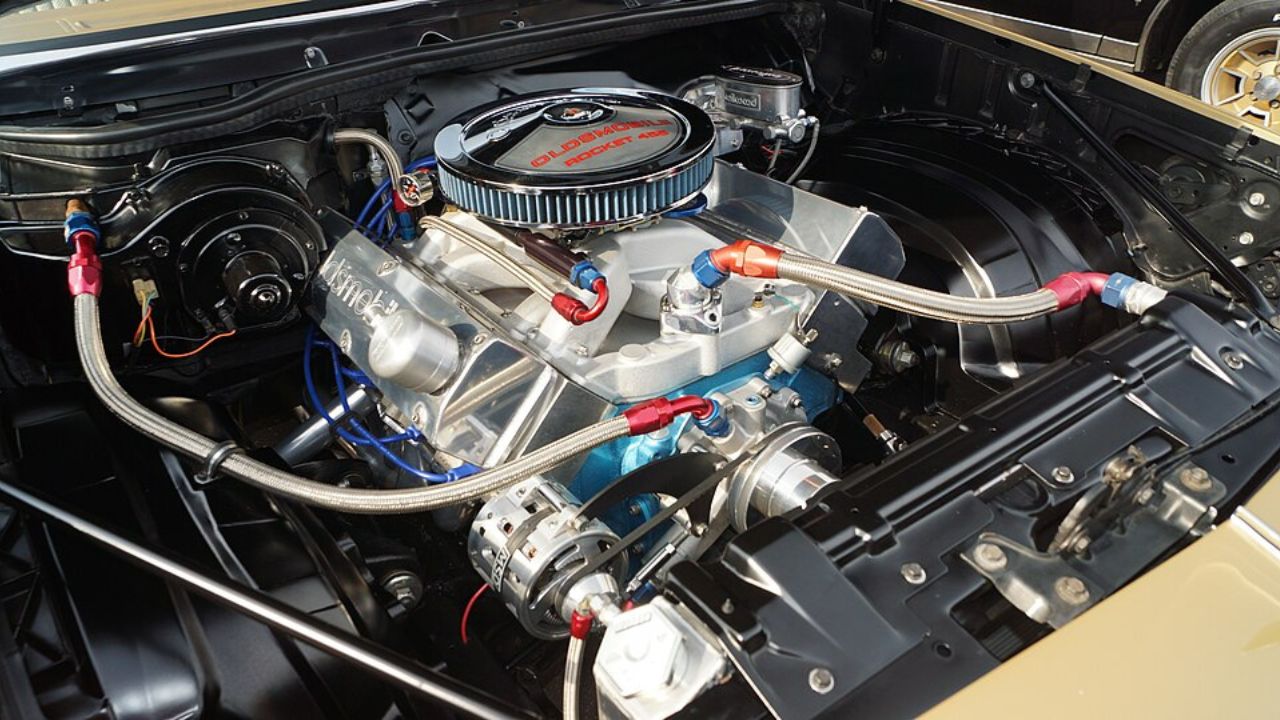
The Oldsmobile 455 W-30 became one of the division’s most respected performance engines. Its large displacement and carefully developed cylinder heads produced strong torque and impressive street performance. Unlike some extreme racing engines, the W-30 remained practical enough for real-world driving while delivering serious acceleration. Its combination of usable power, rarity, and Oldsmobile engineering helped establish the W-30 as one of the great overlooked engines of the muscle-car era.
Pontiac 400 Ram Air IV
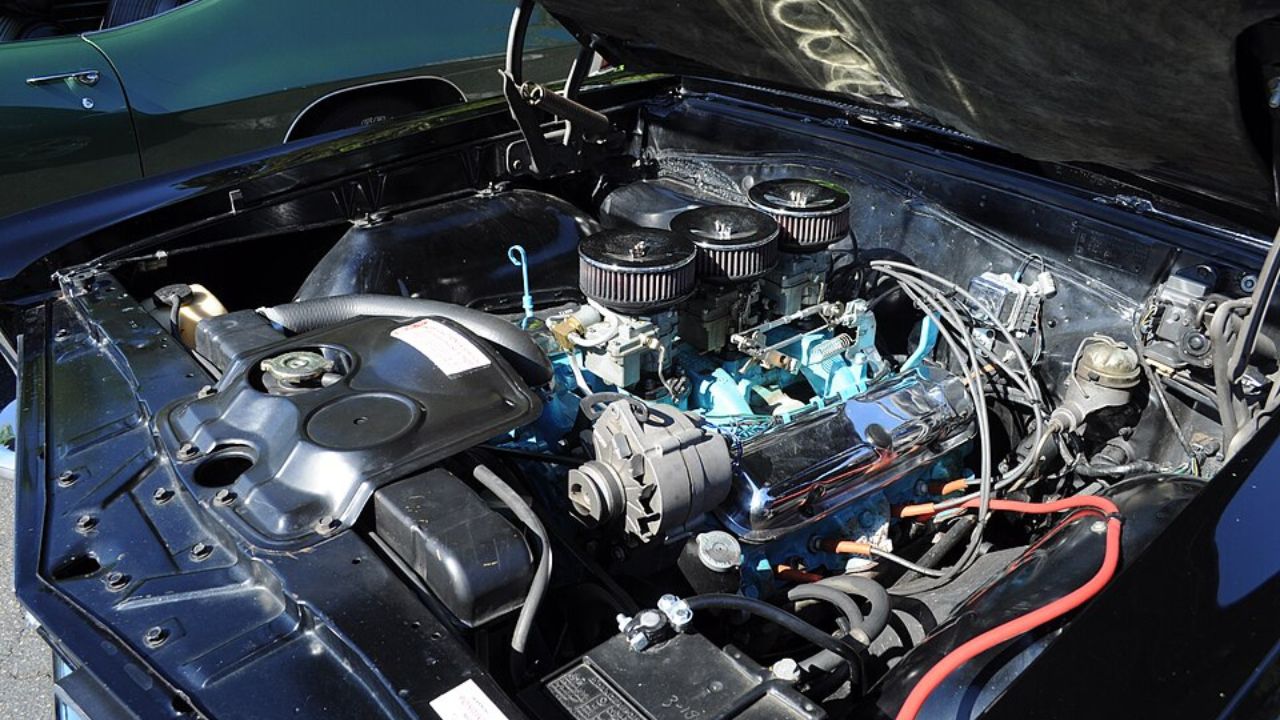
Joe Mabel – CC BY-SA 3.0 / Wiki Commons
The Pontiac 400 Ram Air IV represented the high-performance side of Pontiac’s V8 development during the late muscle-car era. Its high-flow cylinder heads, aggressive camshaft, and performance-oriented valvetrain allowed it to breathe effectively at higher engine speeds. Offered in select Pontiac performance models, the engine was relatively uncommon. Its combination of strong output and distinctive engineering helped make the Ram Air IV one of Pontiac’s most celebrated factory V8s.
Detroit Diesel 8.2
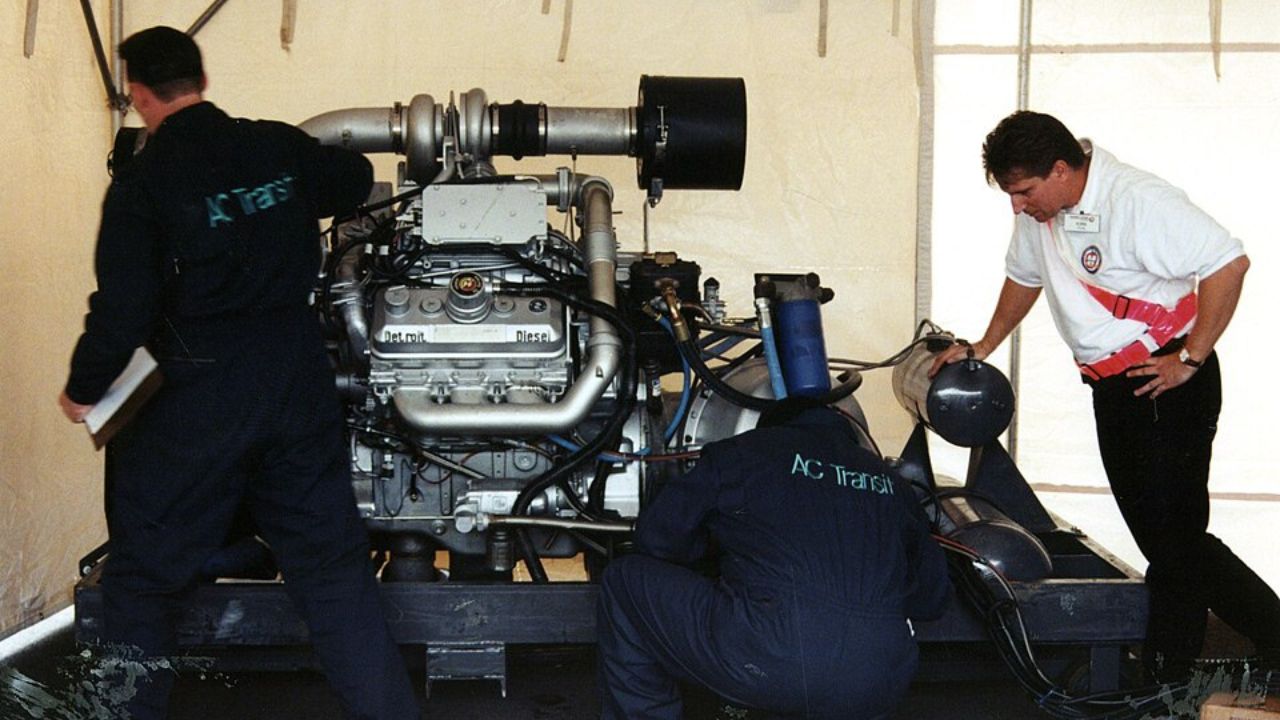
The Detroit Diesel 8.2 became a well-known heavy-duty diesel used in trucks, buses, and other commercial vehicles. Its V8 layout provided useful torque while keeping the engine relatively compact for its class. The engine was designed for demanding work and became familiar to fleet operators and mechanics. Its widespread use helped establish the 8.2 as a recognizable classic diesel among enthusiasts interested in older commercial powerplants.
Chevrolet LS1
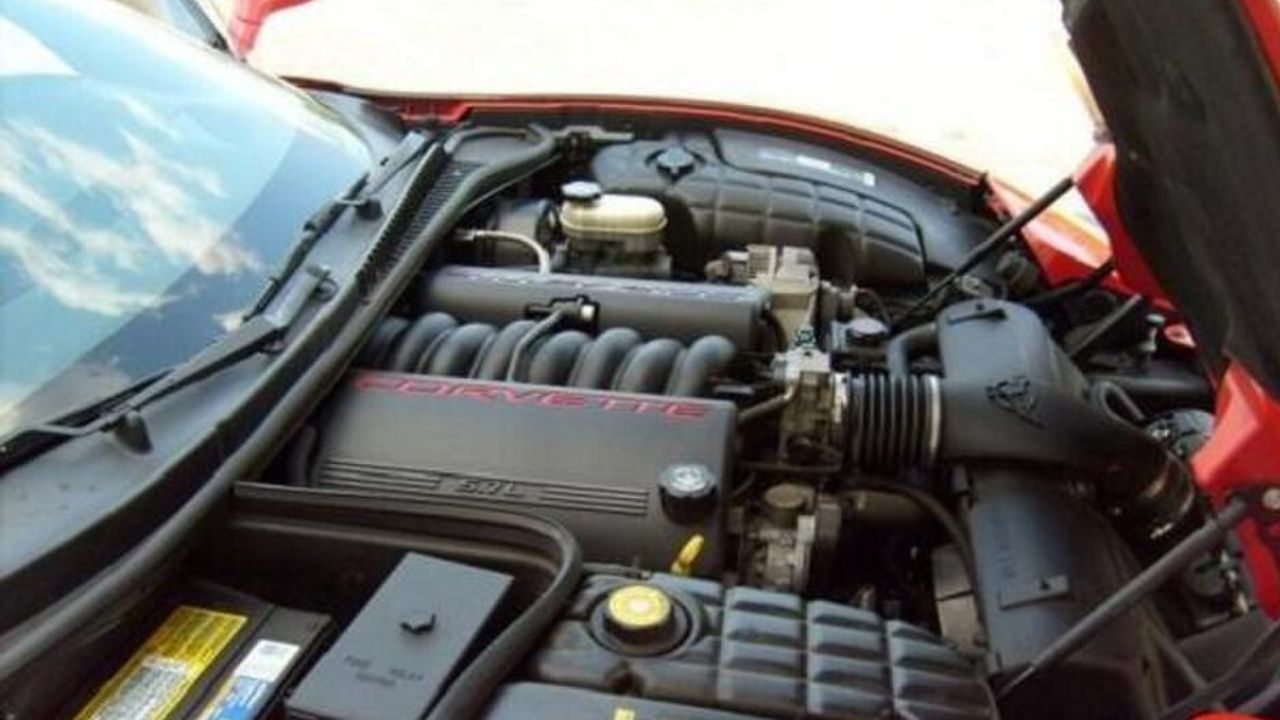
The Chevrolet LS1 helped redefine expectations for the modern American V8. Its aluminum block, compact dimensions, overhead-valve architecture, and modern fuel injection created an impressive balance of performance and efficiency. Used in vehicles such as the Camaro, Firebird, and Corvette, it also became extremely popular with engine-swapping enthusiasts. Its compact size and enormous aftermarket helped the LS1 become one of the most influential American performance engines of the modern era.
More from Fast Lane Only
- Unboxing the WWII Jeep in a Crate
- 15 rare Chevys collectors are quietly buying
- 10 underrated V8s still worth hunting down
- Police notice this before you even roll window down
*Research for this article included AI assistance, with all final content reviewed by human editors