The 1970s brought fuel shortages, tougher emissions rules, and major changes across the automotive industry, yet some vehicles from the decade were built with remarkable toughness. Their simple drivetrains, sturdy construction, and durable engines allowed many to survive decades of hard use. These eleven classics remain admired for their ability to keep going.
Toyota Land Cruiser FJ40
CC BY 2.0 / wikimedia
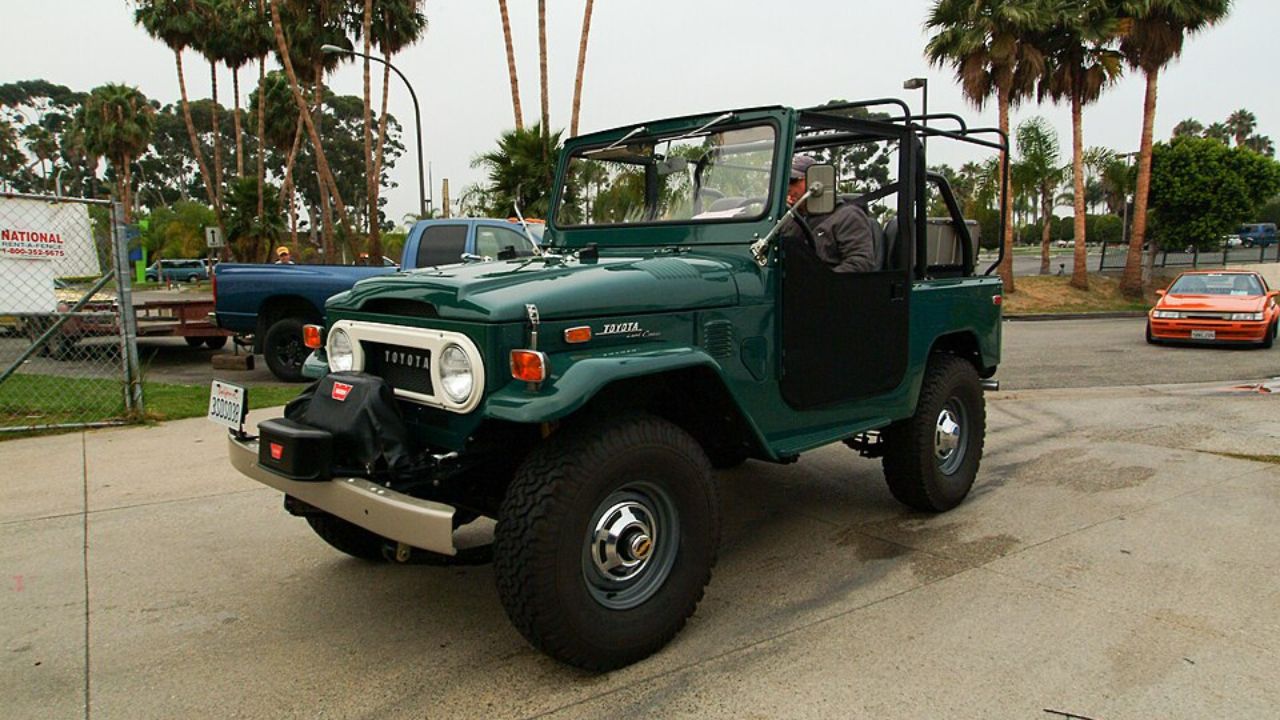
The Toyota Land Cruiser FJ40 became famous for its ability to handle difficult terrain and demanding workloads. Its rugged body-on-frame construction, dependable four-wheel-drive system, and durable inline-six engine made it a trusted choice in remote areas. Many were used as work vehicles rather than collector cars, yet surviving examples remain remarkably capable. Its combination of simplicity and toughness helped establish the Land Cruiser as one of the world’s most durable utility vehicles.
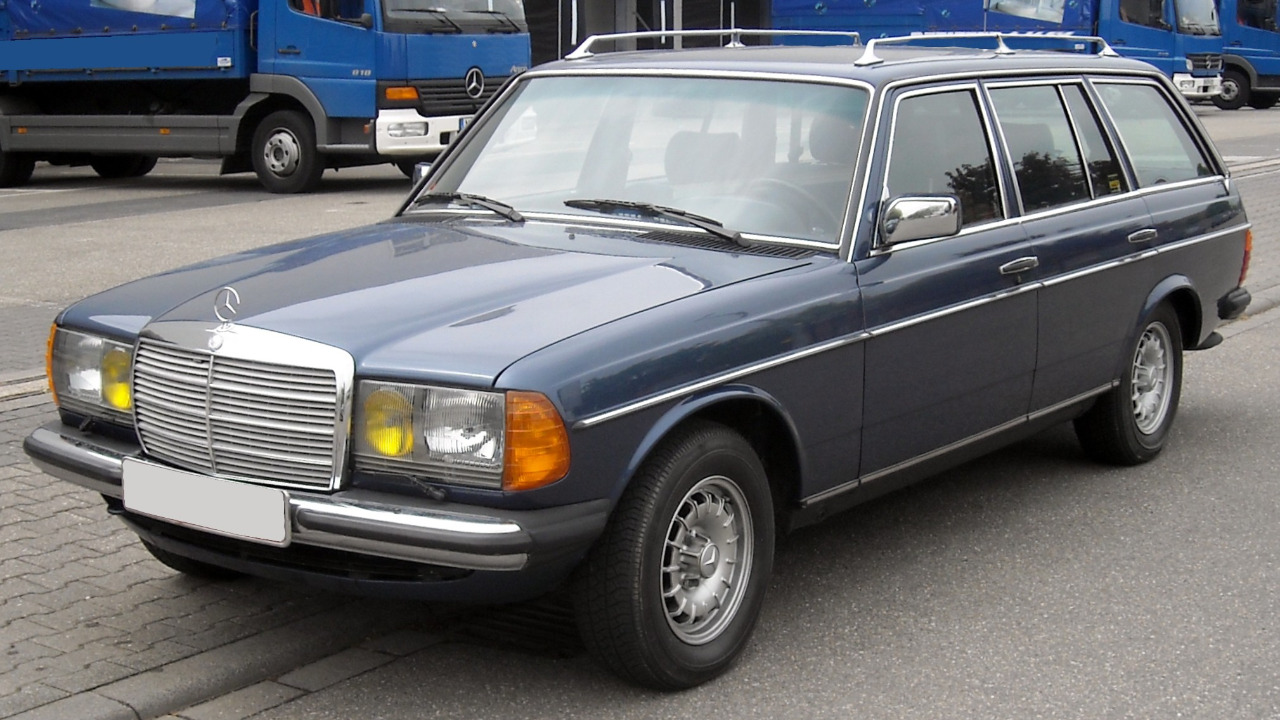
Mercedes-Benz W123
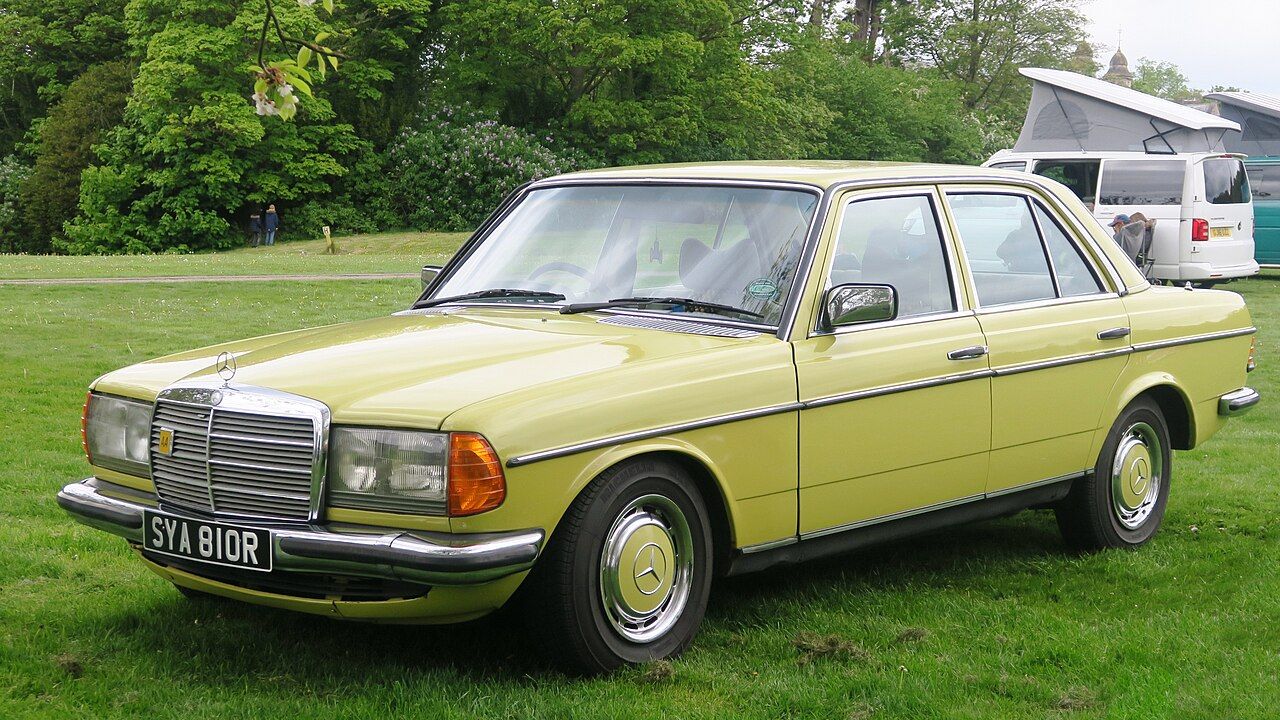
The Mercedes-Benz W123 earned a reputation for exceptional longevity through solid construction and durable mechanical components. Diesel versions became especially famous for accumulating extraordinary mileage, while the suspension and drivetrain were designed for extensive use. Owners often repaired and maintained these cars rather than replacing them. Decades later, surviving W123s remain respected because their engineering emphasized long-term serviceability, making them some of the most durable luxury cars of their generation.
Volvo 240
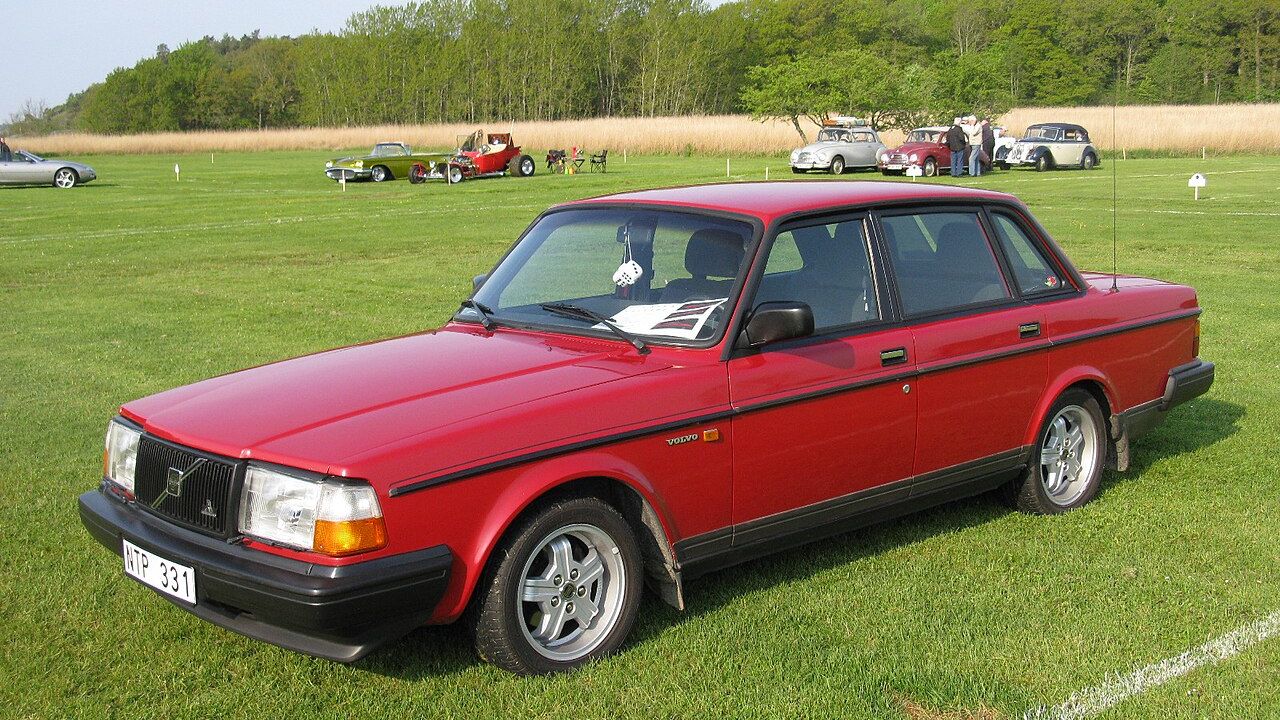
The Volvo 240 became a symbol of Scandinavian durability during the 1970s and beyond. Its sturdy body, dependable engines, and straightforward mechanical systems helped it withstand years of family use, commuting, and harsh weather. Many examples were driven for decades rather than treated as collectibles. The 240’s practical engineering allowed it to remain useful long after newer models had disappeared, helping establish its reputation as one of the era’s most enduring family cars.
Toyota Hilux
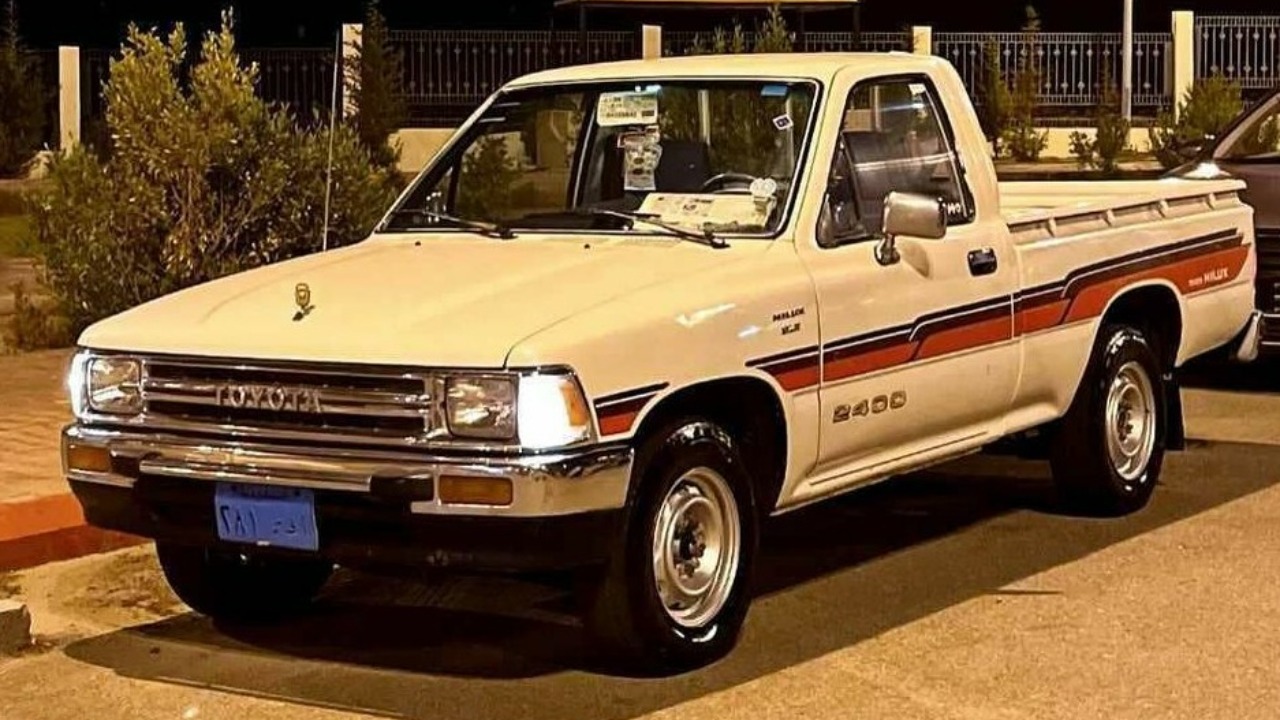
The Toyota Hilux developed its legendary reputation by handling demanding work without relying on complicated technology. Its durable chassis, straightforward engines, and practical drivetrain made it useful for farms, construction sites, and rough roads. Many 1970s examples endured heavy workloads and accumulated impressive mileage. The Hilux demonstrated that a compact pickup could provide remarkable longevity, helping create the reputation that still follows Toyota’s small trucks today.
Ford F-150
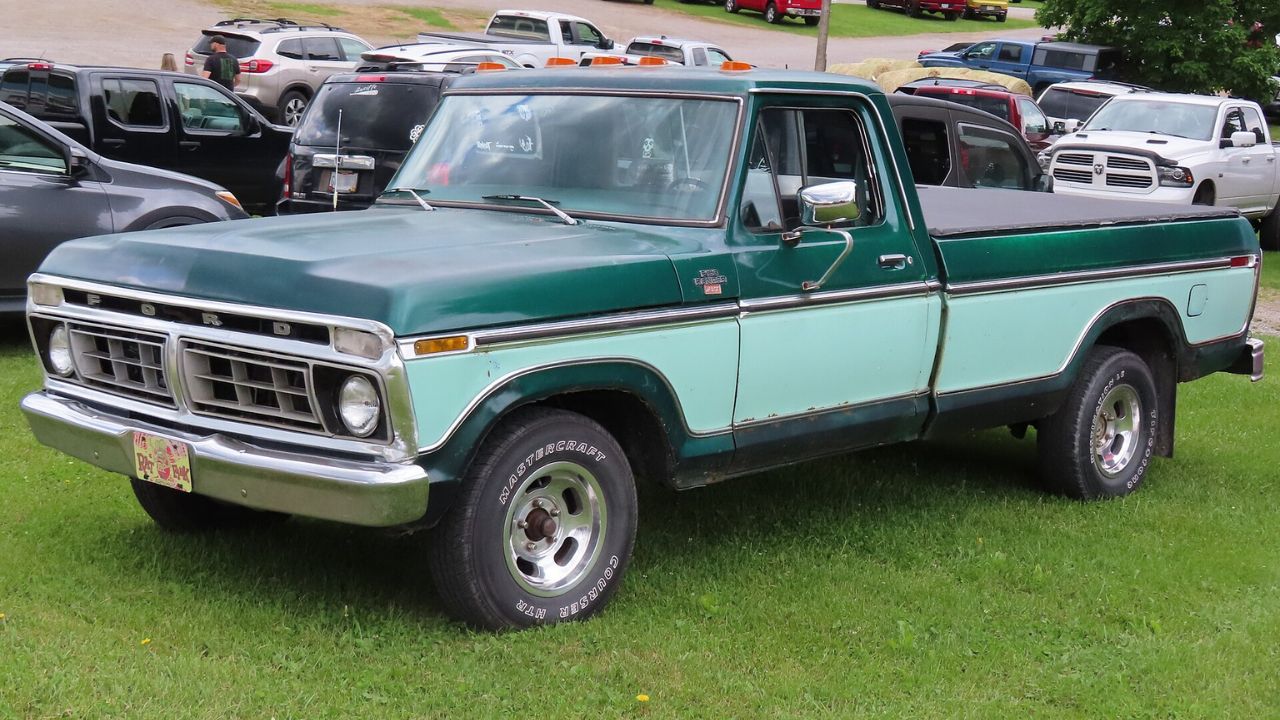
The Ford F-150 became a major part of America’s pickup market during the 1970s, offering the sturdy construction needed for work and everyday transportation. Its body-on-frame design and range of proven engines allowed it to handle hauling, towing, and farm duties. Many examples were used hard rather than carefully preserved. The trucks that survived those conditions demonstrate why the F-Series became one of America’s most enduring vehicle families.
Chevrolet C10
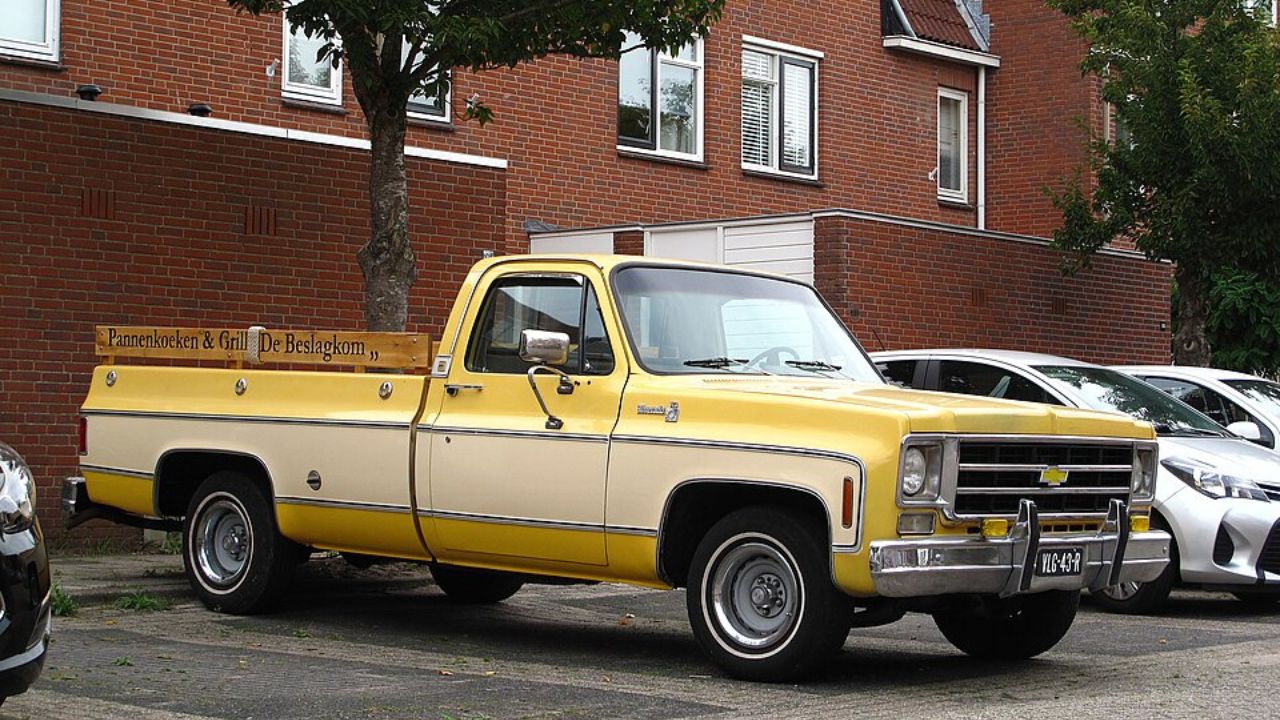
The Chevrolet C10 represented the classic American pickup formula of the 1970s. Its body-on-frame construction, rear-wheel-drive layout, and broad engine selection made it useful for everything from farm work to daily transportation. Many spent decades hauling equipment and supplies before becoming collectible. Their relatively simple mechanical architecture also makes restoration practical today, helping surviving C10s remain popular among enthusiasts who value both durability and classic truck character.
Jeep CJ-5
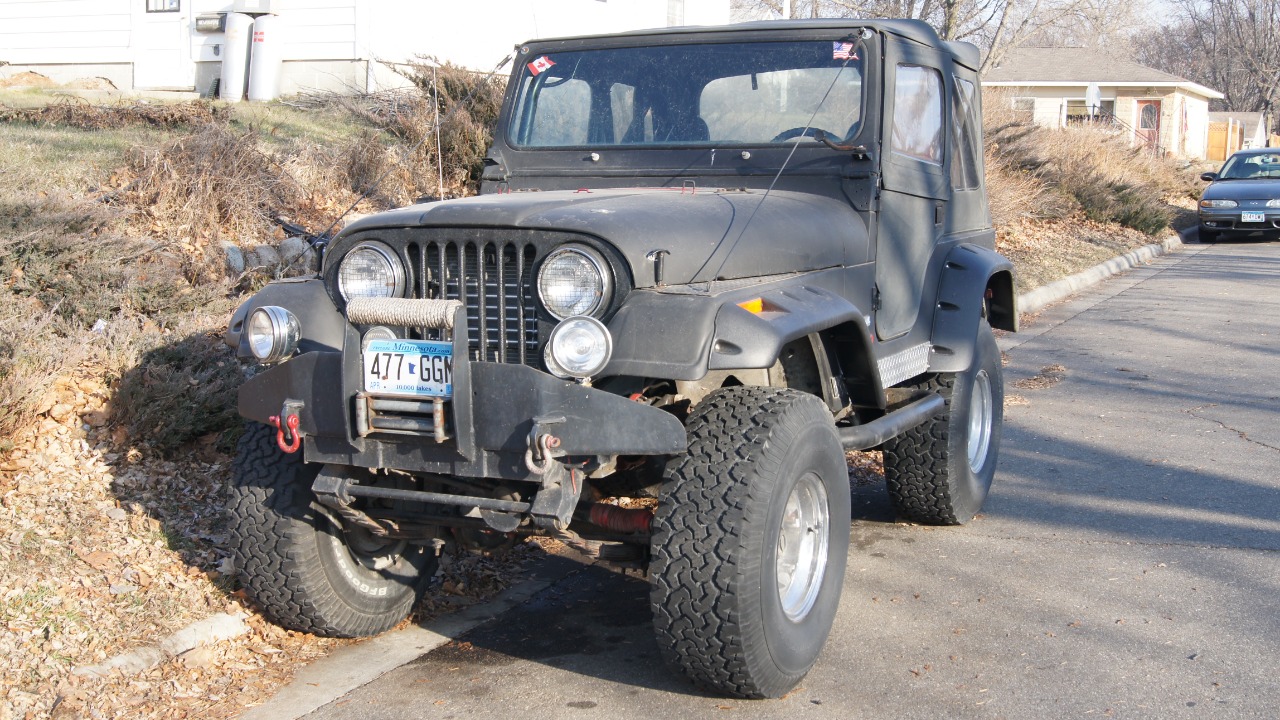
The Jeep CJ-5 was built for drivers who needed a compact vehicle capable of tackling rough terrain. Its rugged four-wheel-drive system, short wheelbase, and simple mechanical layout made it useful on farms, trails, and work sites. Many examples endured years of abuse and modification, yet surviving CJ-5s remain highly usable. Its mechanical toughness became central to the model’s identity and helped establish the CJ series as an American off-road classic.
Datsun 510
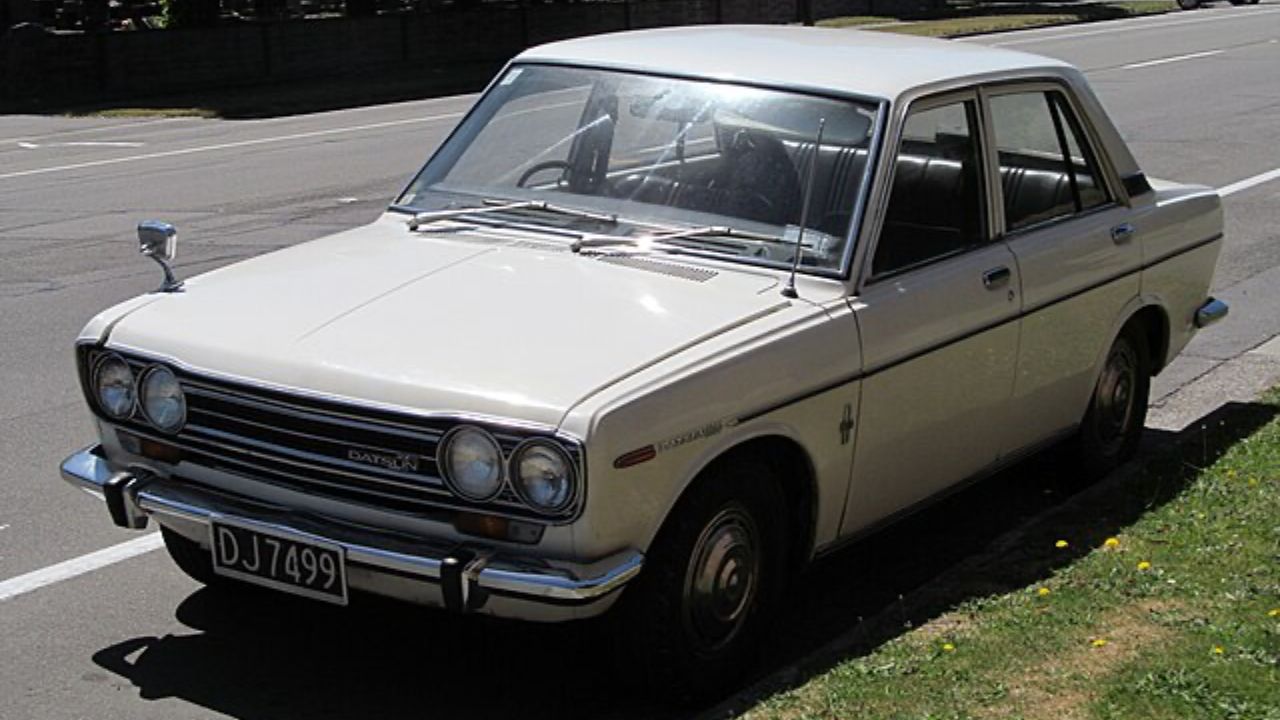
The Datsun 510 demonstrated that a relatively small car could combine dependable engineering with enjoyable driving characteristics. Its four-cylinder engine, rear-wheel-drive layout, and lightweight construction made it popular with commuters and enthusiasts alike. Straightforward mechanical systems also made long-term maintenance manageable. Although smaller and less imposing than American vehicles of the era, the 510 earned a strong reputation for durability, helping establish Japanese compact cars as serious alternatives in the United States.
Chevrolet Suburban
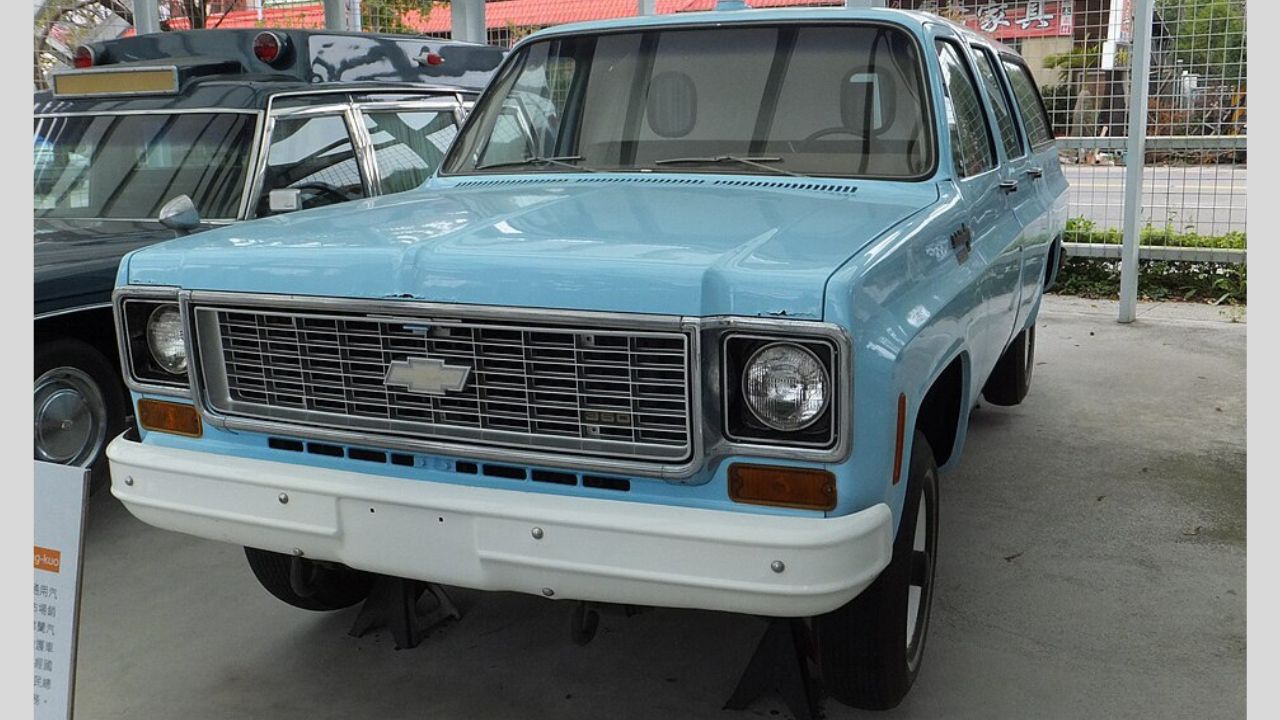
The Chevrolet Suburban was already a highly practical vehicle by the 1970s, offering substantial passenger and cargo capacity on a truck-based platform. Its body-on-frame construction and available V8 engines made it suitable for towing, hauling, family transportation, and commercial work. Many examples endured demanding service for years. The Suburban’s ability to combine utility with long-term durability helped establish the formula that would eventually dominate the modern full-size SUV market.
Ford Bronco
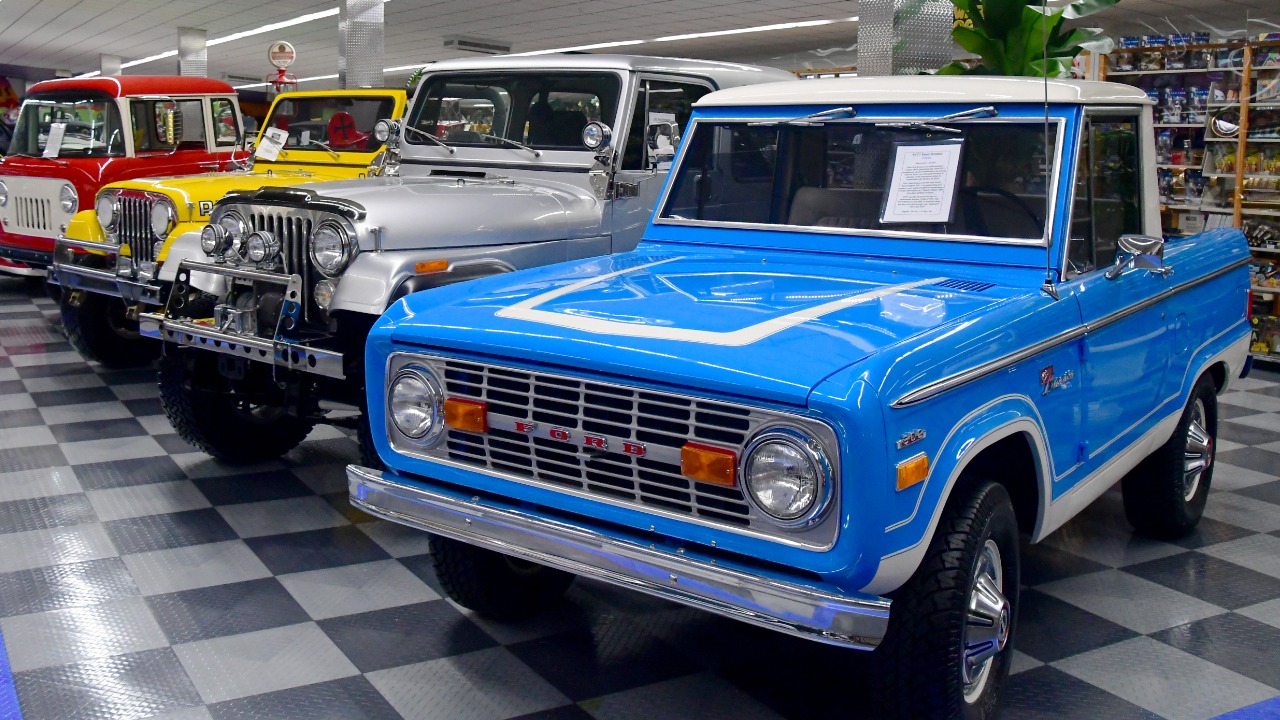
The first-generation Ford Bronco became a respected utility vehicle because of its compact dimensions, sturdy frame, and capable four-wheel-drive system. By the 1970s, it had developed into a versatile machine suitable for recreation, work, and off-road driving. Many Broncos were modified or heavily used, making original examples increasingly desirable. Their survival demonstrates the strength of a vehicle designed around simplicity, ruggedness, and the ability to operate away from paved roads.
International Harvester Scout II
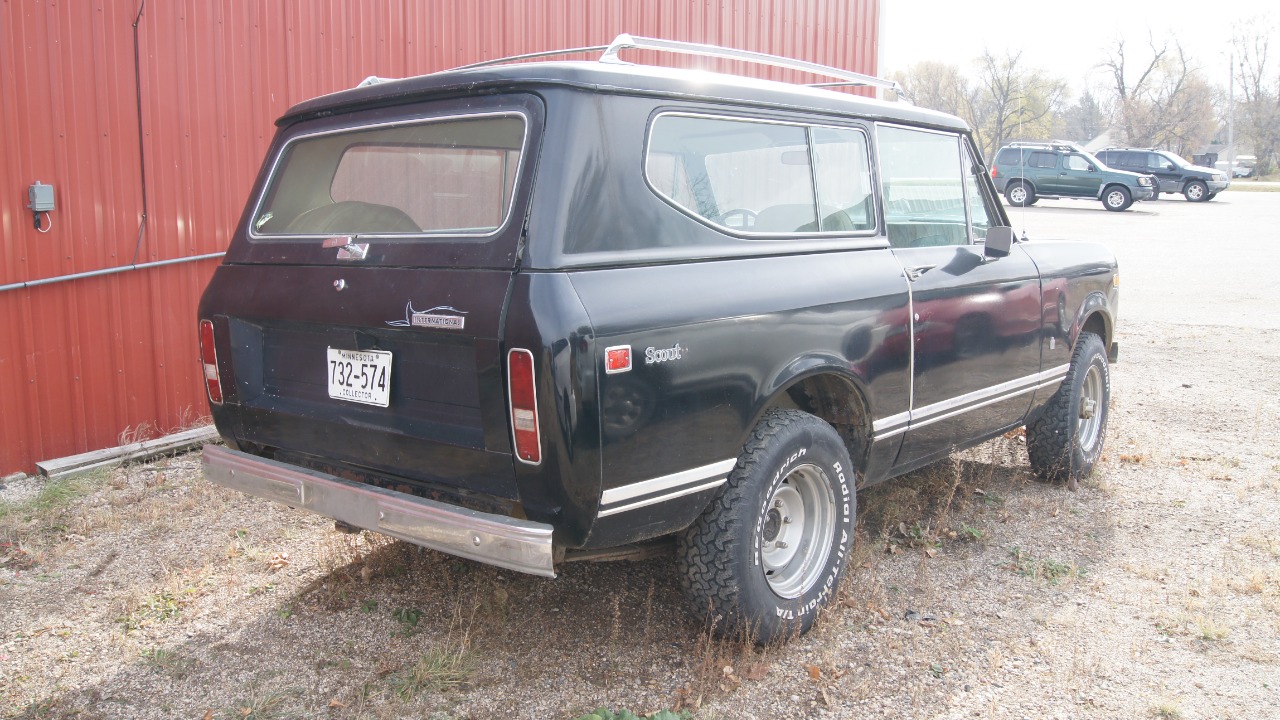
The International Harvester Scout II combined rugged construction with a practical approach to four-wheel-drive transportation. Its body-on-frame platform, solid axles, and available V8 engines made it capable of handling rough trails and demanding utility work. Scouts often lived hard lives on farms, ranches, and construction sites, so surviving examples are particularly interesting. Today, the Scout II is increasingly appreciated as one of the toughest and most distinctive American utility vehicles of the 1970s.
More from Fast Lane Only
- Unboxing the WWII Jeep in a Crate
- 15 rare Chevys collectors are quietly buying
- 10 underrated V8s still worth hunting down
- Police notice this before you even roll window down
*Research for this article included AI assistance, with all final content reviewed by human editors