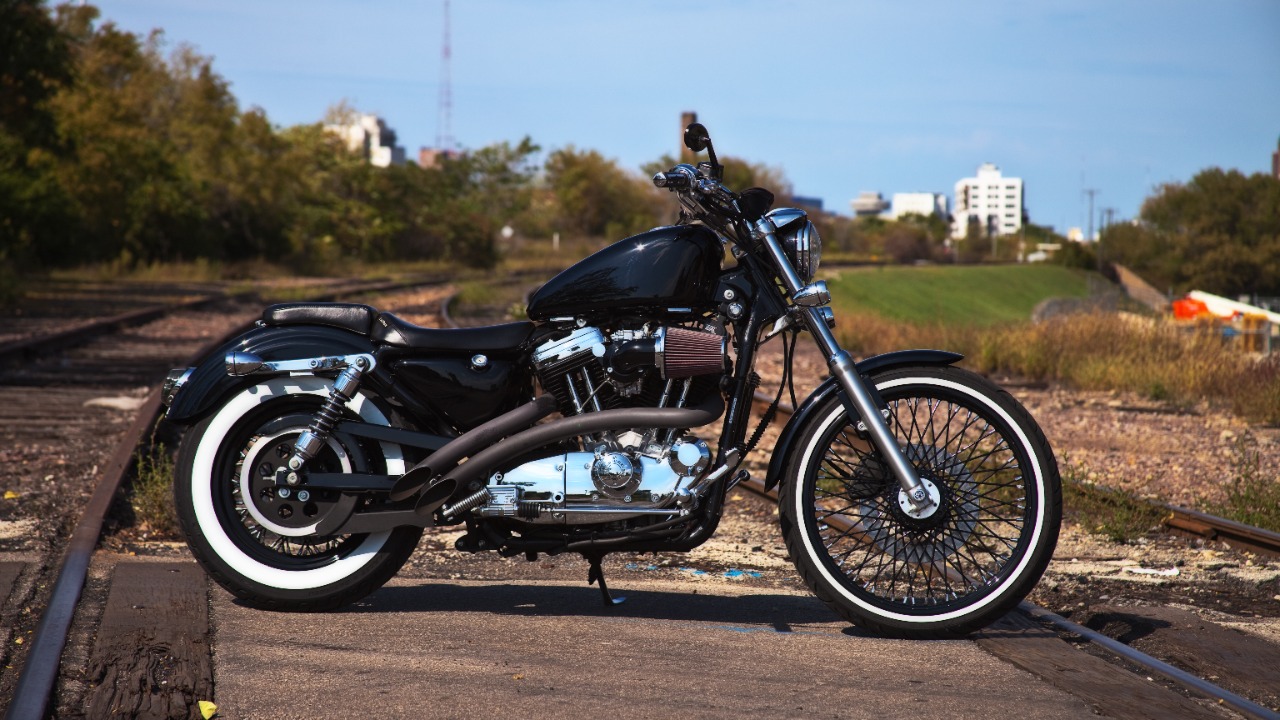
Motorcycles have significantly influenced the automotive landscape, often pushing boundaries and reshaping our perceptions of speed, style, and freedom. From classic designs to groundbreaking engineering, American motorcycles have played a pivotal role in this evolution. Here, I delve into ten iconic American motorcycles that have not only changed the way we ride but also had a lasting impact on the automotive world.
Harley-Davidson Model J (1915)
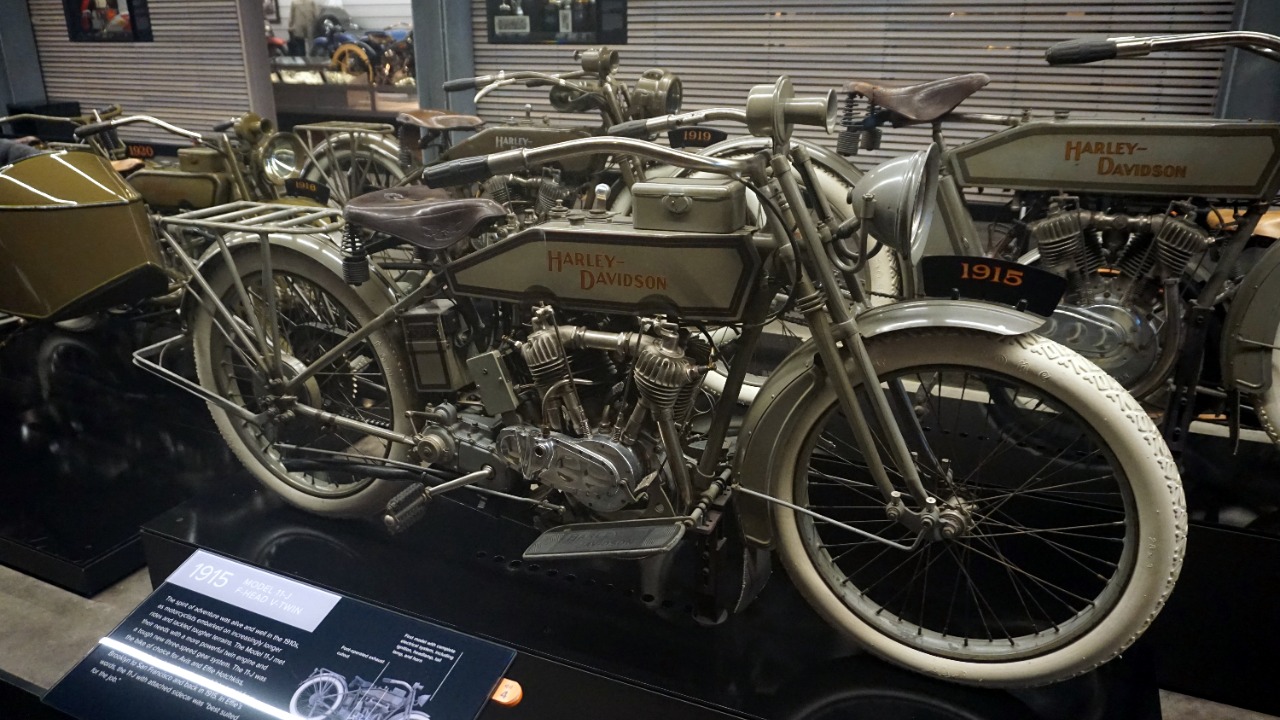
The Harley-Davidson Model J is often credited with laying the foundation for the modern motorcycle. With its innovative V-twin engine and sleek design, the Model J became a symbol of freedom and rebellion in the early 20th century. Its introduction marked a shift in motorcycle culture, making it a popular choice among riders who sought performance and style. The bike’s robust construction and reliability made it a favorite for police departments and military use, further solidifying its status in American history.
As a landmark in motorcycle design, the Model J not only influenced subsequent Harley models but also set standards for other manufacturers. The bike’s success helped establish Harley-Davidson as a key player in the motorcycle industry, ultimately shaping the trajectory of American motorcycling. Its legacy continues to inspire contemporary designs, making it a timeless classic.
Indian Scout (1920)
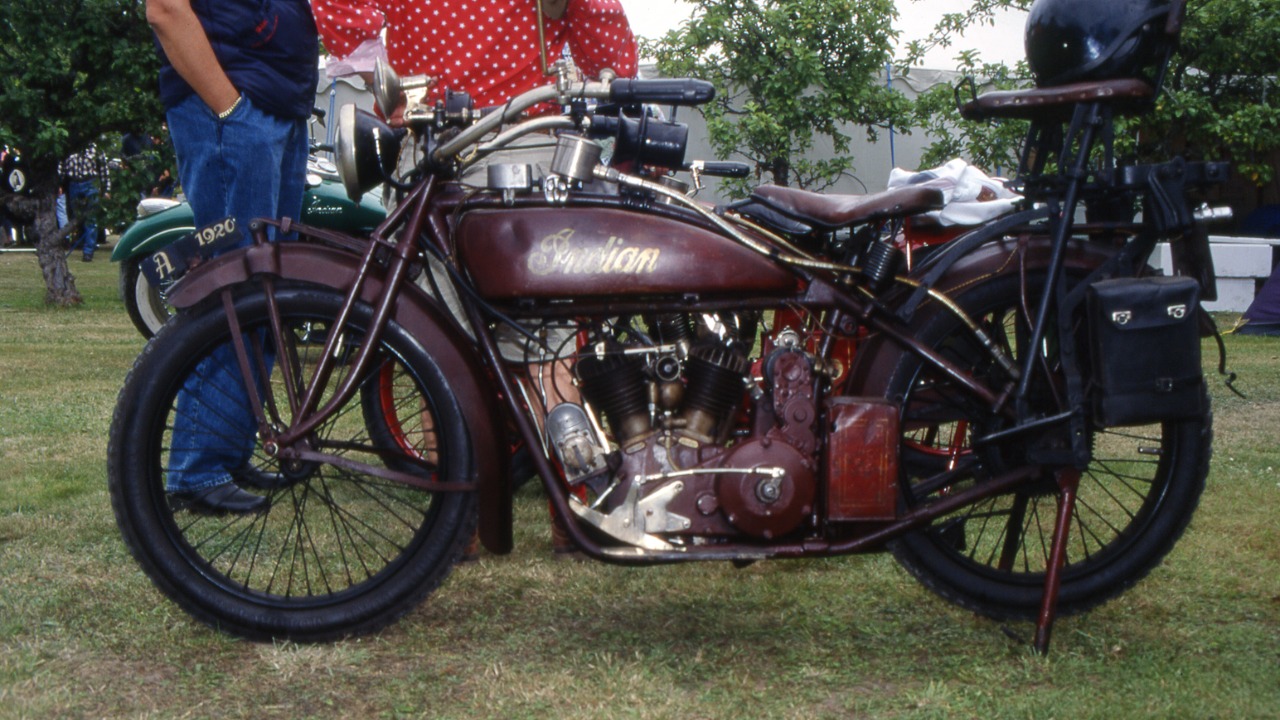
Launched in 1920, the Indian Scout revolutionized the motorcycle market with its powerful engine and lightweight frame. Known for its remarkable agility and speed, the Scout quickly gained popularity among racers and enthusiasts alike. Its innovative design featured a lower center of gravity, enhancing handling and maneuverability, which was particularly appealing to riders of all skill levels.
The Indian Scout also played a crucial role in the development of motorcycle racing in the United States. Its success on the track showcased the potential of American engineering, and the bike became a household name. Even today, the Scout’s legacy endures, with modern iterations that pay homage to its iconic design and performance.
Harley-Davidson Knucklehead (1936)

The introduction of the Harley-Davidson Knucklehead in 1936 marked a significant milestone in motorcycle design. This model was equipped with an overhead valve engine, which was a revolutionary change compared to the flathead engines of its predecessors. The Knucklehead’s performance and styling set a new standard for the industry, making it a favorite among enthusiasts and collectors.
The bike’s unique design, characterized by its distinctive engine covers resembling knuckles, has become an iconic symbol of Harley-Davidson. The Knucklehead not only enhanced the performance of motorcycles but also influenced a generation of custom builders, paving the way for the chopper culture that emerged in the 1960s and 70s.
Triumph Bonneville (1959)
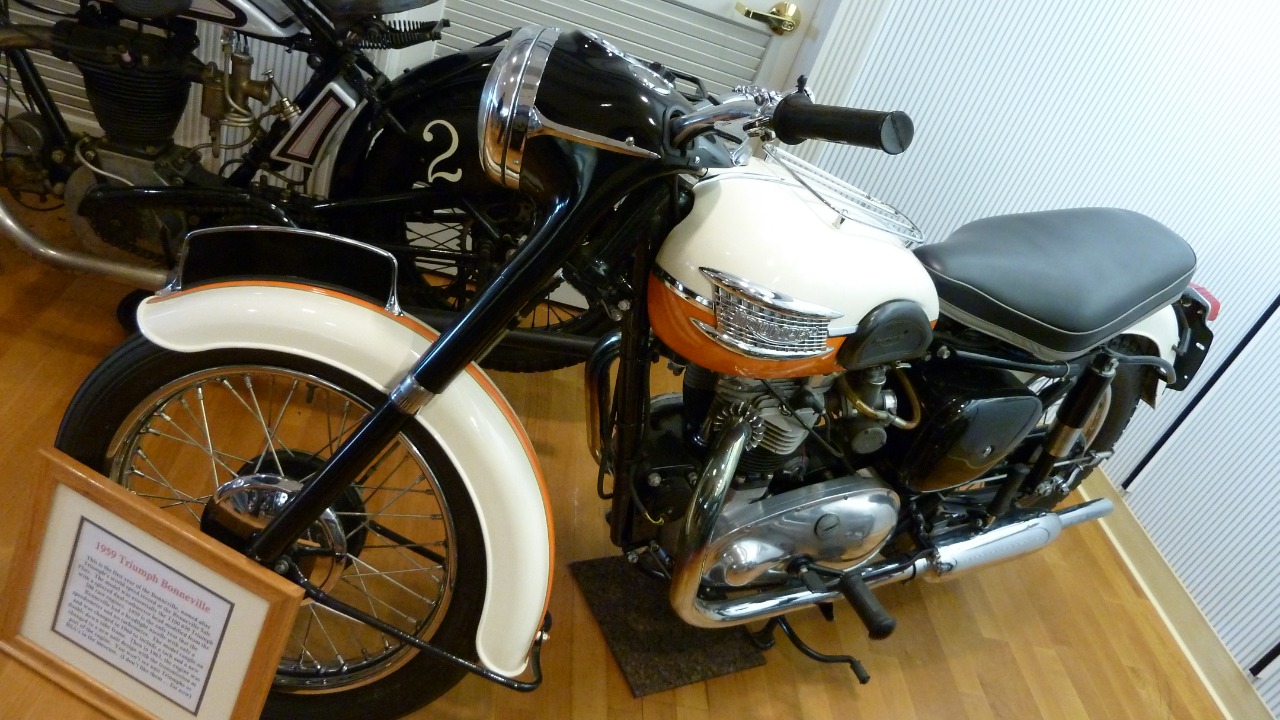
While not an American brand, the Triumph Bonneville has had a profound impact on American motorcycle culture since its debut in 1959. With its powerful parallel-twin engine and classic styling, the Bonneville became synonymous with the rebellious spirit of the 1960s. Its performance and aesthetics captured the hearts of American riders and influenced a wave of similar designs across the industry.
The Bonneville’s presence in popular culture, particularly in films and music, solidified its status as a cultural icon. Its timeless design and engineering excellence continue to resonate with modern riders, proving that great motorcycles transcend borders and eras.
Harley-Davidson Sportster (1957)
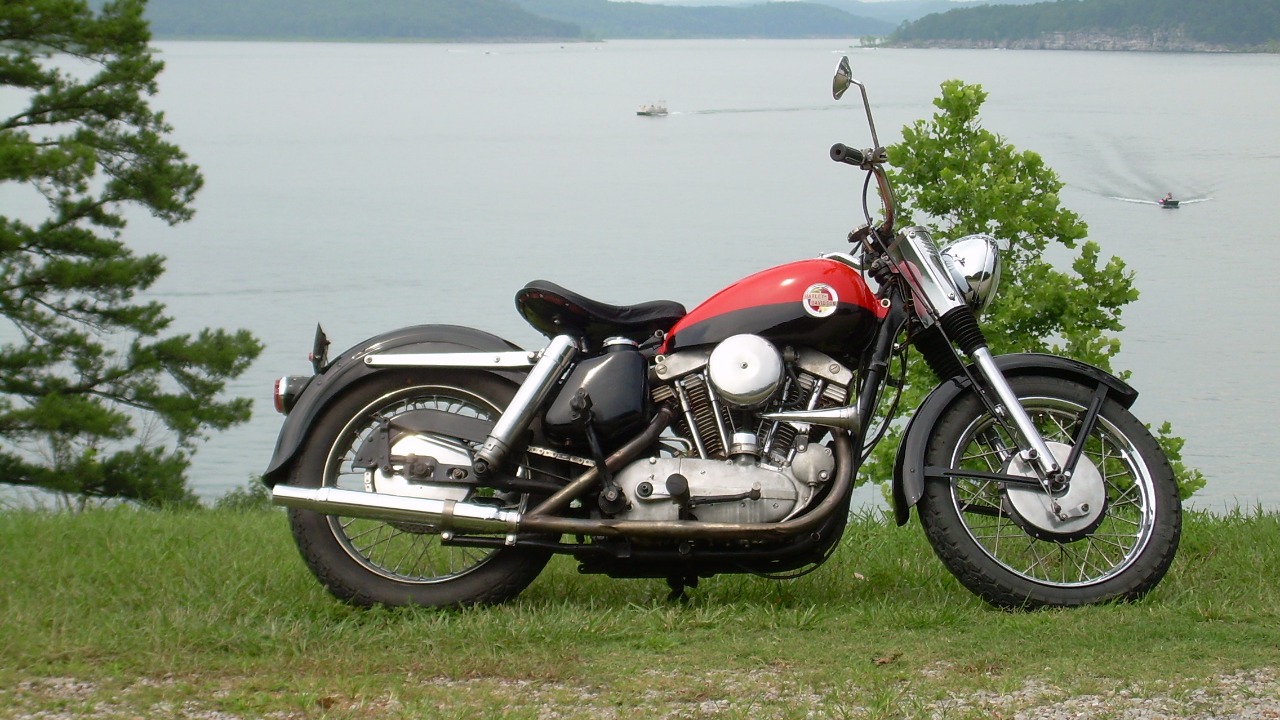
Introduced in 1957, the Harley-Davidson Sportster revamped the image of American motorcycles. Its lightweight frame and nimble handling made it a favorite among new riders while still appealing to seasoned enthusiasts. The Sportster’s versatility allowed it to thrive in various riding styles, from cruising to racing, making it a staple in the motorcycle community.
The Sportster’s design has inspired countless custom builds, and its iconic silhouette remains instantly recognizable. Over the decades, it has evolved while maintaining its classic roots, demonstrating how a motorcycle can adapt to changing tastes while staying true to its heritage.
Honda CB750 (1969)
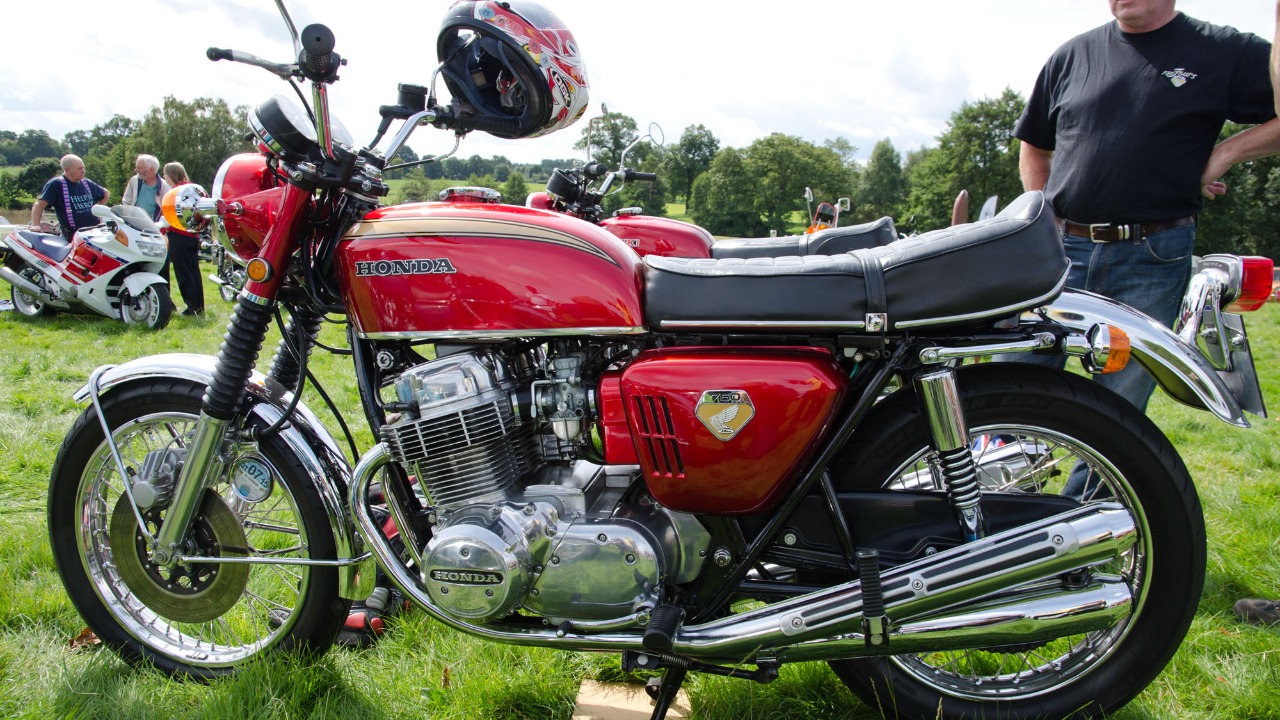
The Honda CB750 may be a Japanese model, but its impact on the American motorcycle market is undeniable. Launched in 1969, this bike introduced the concept of the superbike to American riders. Its innovative features, such as a single overhead camshaft and disc brakes, set new performance benchmarks that American manufacturers would later strive to meet.
The CB750’s introduction catalyzed a shift in consumer expectations, pushing American brands to innovate and improve their offerings. Its influence can be seen in the design and engineering of countless motorcycles that followed, making it a pivotal moment in the history of motorcycling.
Harley-Davidson FXR (1982)
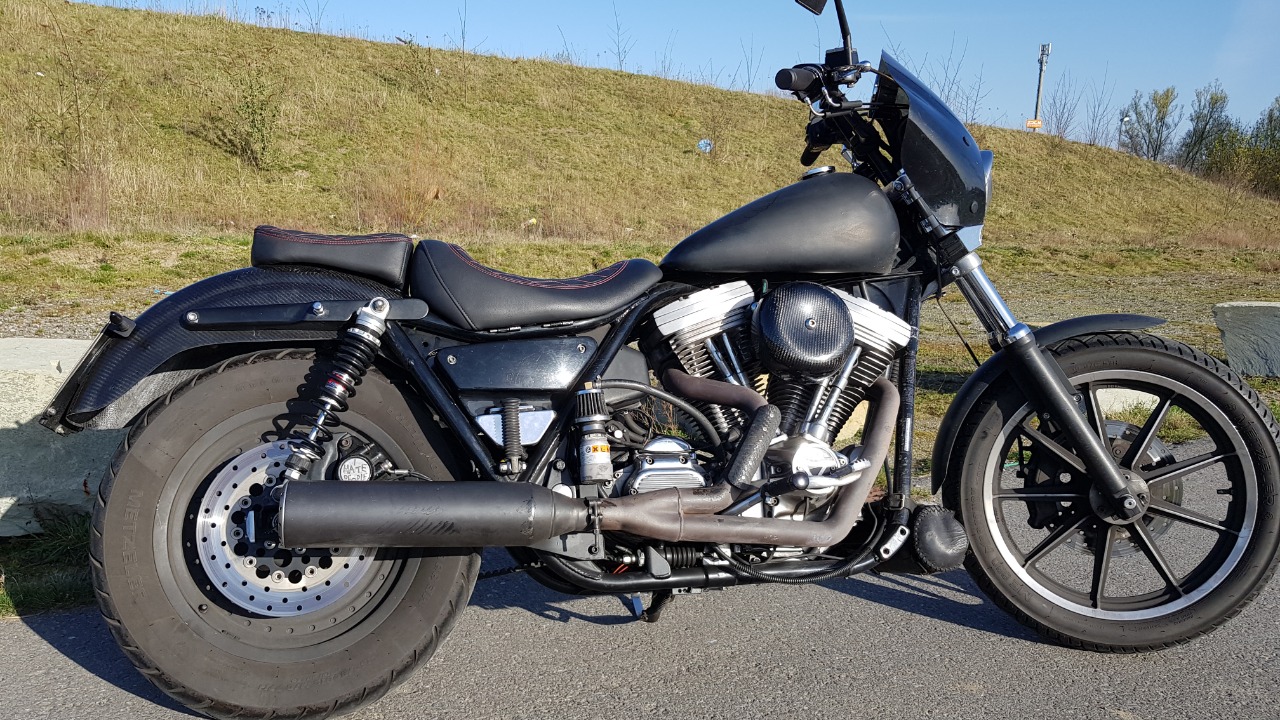
The Harley-Davidson FXR, introduced in 1982, marked a return to performance-oriented engineering for the brand. With its rubber-mounted engine and improved handling, the FXR appealed to a new generation of riders looking for a versatile and comfortable motorcycle. This model was particularly well-received among enthusiasts who desired a blend of classic Harley styling and modern performance.
The FXR’s design philosophy influenced future models, and it remains a popular choice for custom builders today. Its ability to adapt to various riding styles has kept it relevant in the ever-evolving motorcycle landscape.
Buell Firebolt (2003)
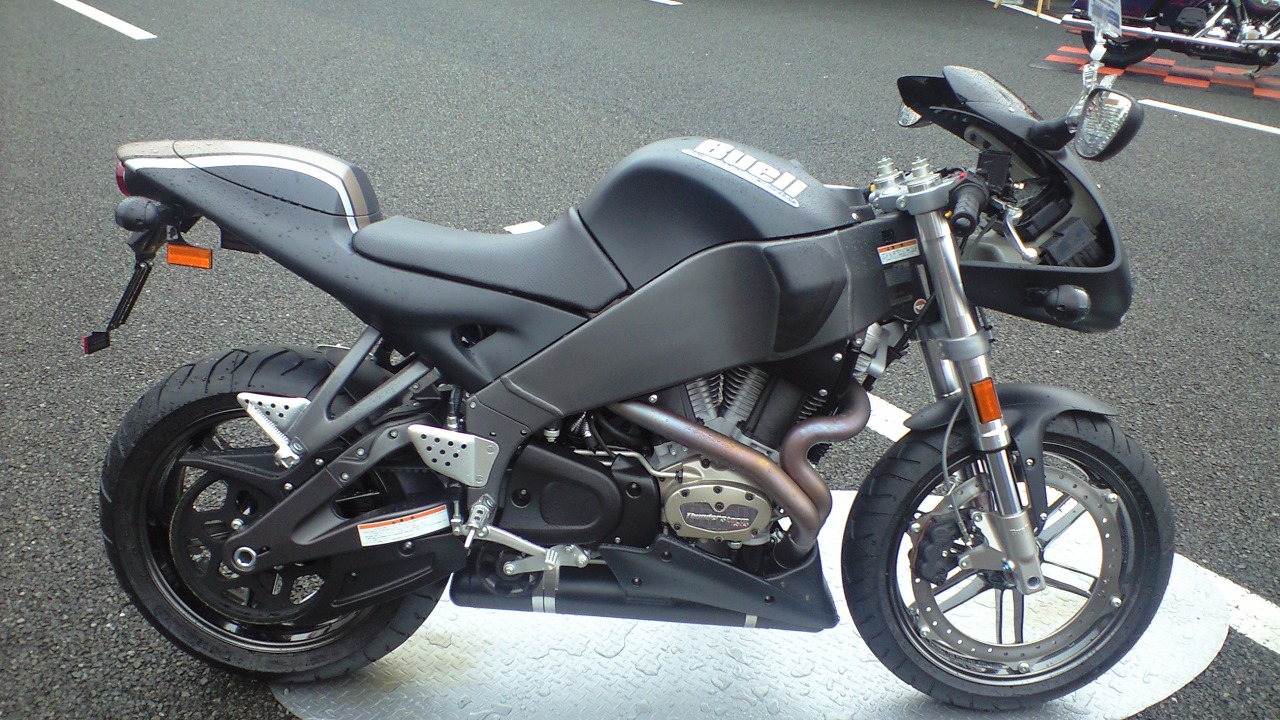
The Buell Firebolt, launched in 2003, represented a significant departure from traditional Harley-Davidson designs. Emphasizing sport performance, the Firebolt combined Harley’s V-twin engine with a lightweight chassis and cutting-edge technology. This approach attracted a younger demographic of riders who were seeking performance and agility.
The Firebolt’s unique design and engineering innovations, such as its fuel-in-frame concept, set it apart from competitors and showcased the potential for American motorcycles to compete in the sportbike segment. Although Buell faced challenges, the Firebolt’s legacy continues to influence modern American motorcycles.
Victory Vision (2008)
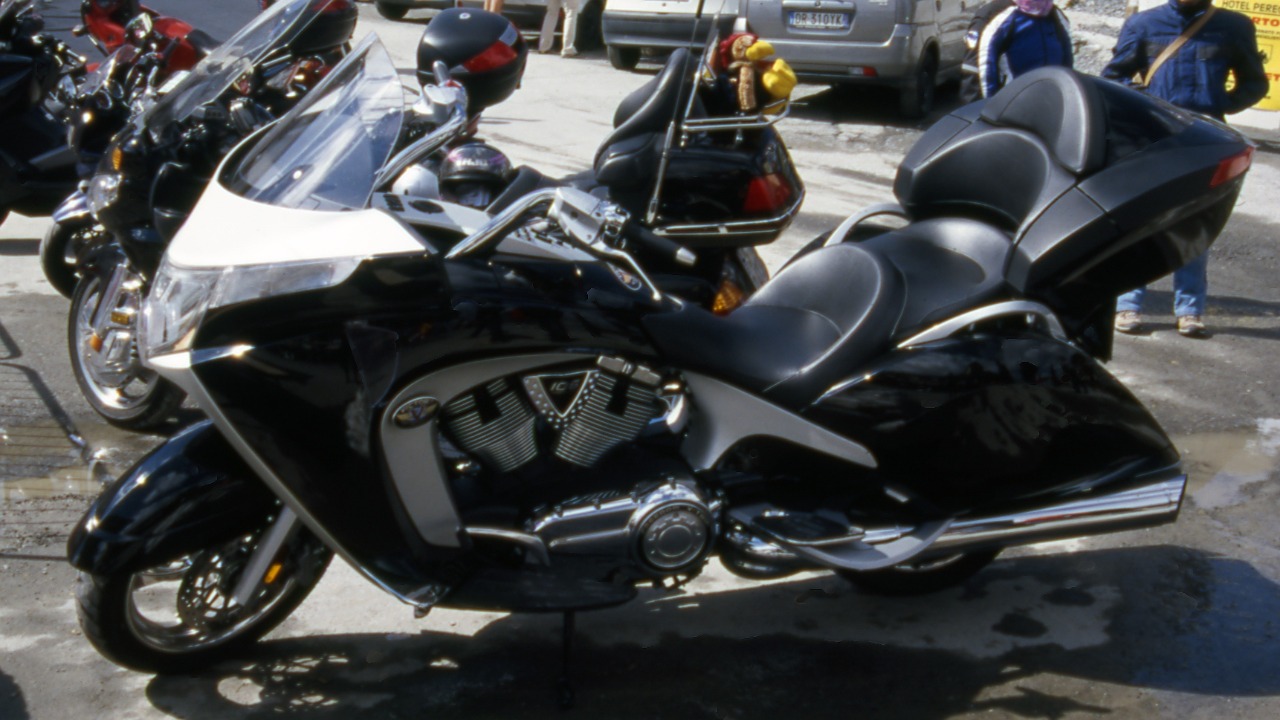
Debuting in 2008, the Victory Vision was a bold entry into the touring motorcycle market. Its futuristic design and advanced features, such as a fully adjustable windshield and integrated audio system, set new standards for comfort and technology. The Vision aimed to compete directly with established brands and showcased Victory Motorcycles’ commitment to innovation.
The bike’s design, while polarizing, challenged traditional notions of what a touring motorcycle could be, influencing subsequent models across the industry. The Victory Vision demonstrated that American manufacturers could push the envelope, merging style with function.
Indian FTR1200 (2019)
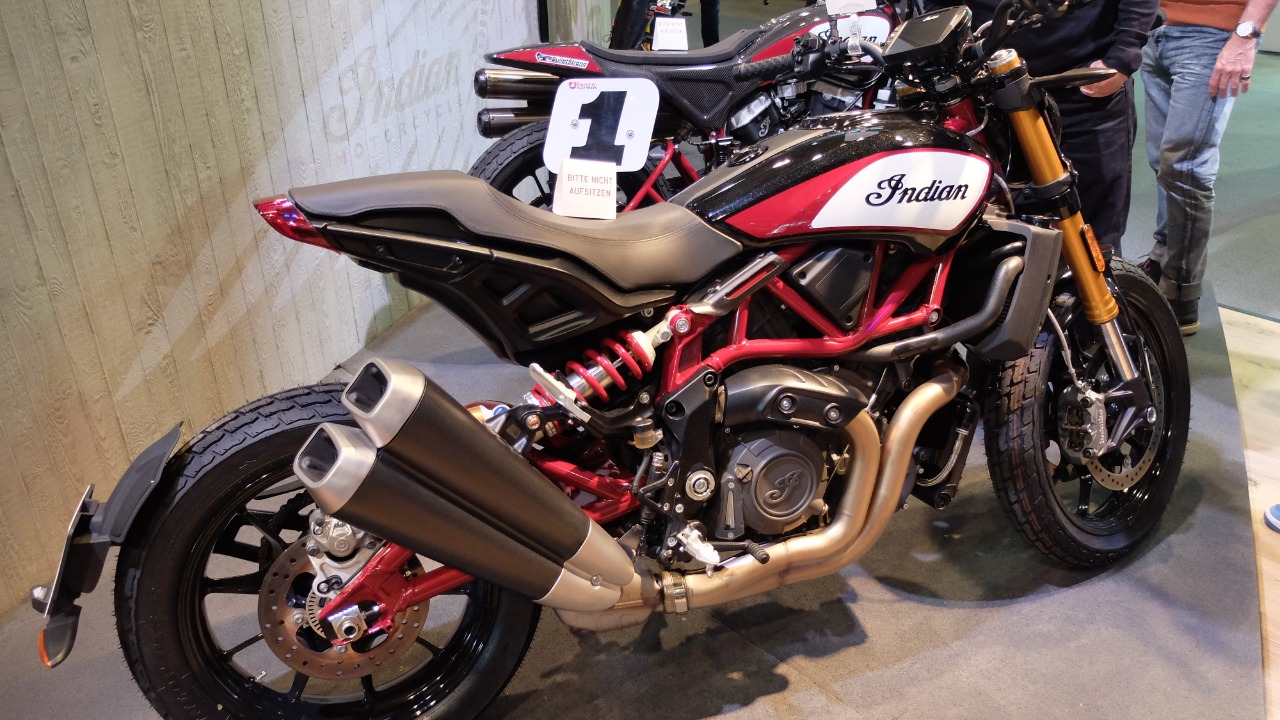
Released in 2019, the Indian FTR1200 reinvigorated the Indian brand’s identity with a modern take on the flat track racing heritage. This bike features a powerful V-twin engine and a nimble chassis, striking the perfect balance between performance and style. The FTR1200 appeals to both new riders and seasoned enthusiasts looking for a versatile motorcycle that can handle various terrains.
The FTR1200’s introduction signaled a resurgence in American motorcycle innovation, showcasing how modern technology can enhance performance while respecting a brand’s history. Its success has inspired a new wave of motorcycles that blend classic influences with contemporary engineering.
More from Fast Lane Only
- Unboxing the WWII Jeep in a Crate
- 15 rare Chevys collectors are quietly buying
- 10 underrated V8s still worth hunting down
- Police notice this before you even roll window down
*Research for this article included AI assistance, with all final content reviewed by human editors.