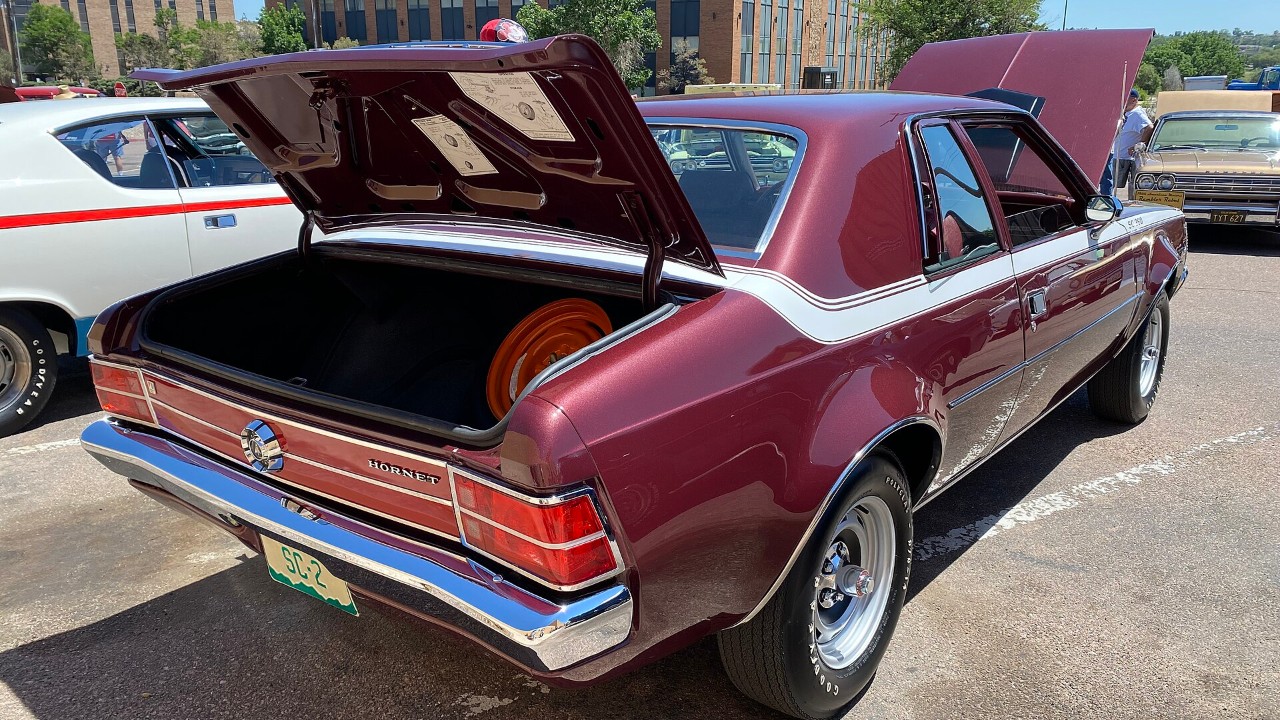
In 1971, the AMC Hornet SC/360 offered a 360 V8 in a compact two-door that looked like a commuter car. AMC hoped to sell 10,000. In the end, buyers took 784. That gap tells you everything about the life of a sleeper.
A sleeper hides its speed under plain clothes. No giant wing, no loud stripes, often no V8 badge you can spot from the next lane. For the people who buy them, that is the whole appeal. However, it is also why so many of these cars sold poorly, got driven hard and disappeared without much fuss.
These are our picks for 12 forgotten sleepers that deserved better, from muscle-era compacts to turbo sedans and a fast family wagon. The verdicts are our opinion, so argue with them if you like. Even so, the engines, figures and production numbers come from club histories, period road tests and enthusiast references.
1. 1971 AMC Hornet SC/360
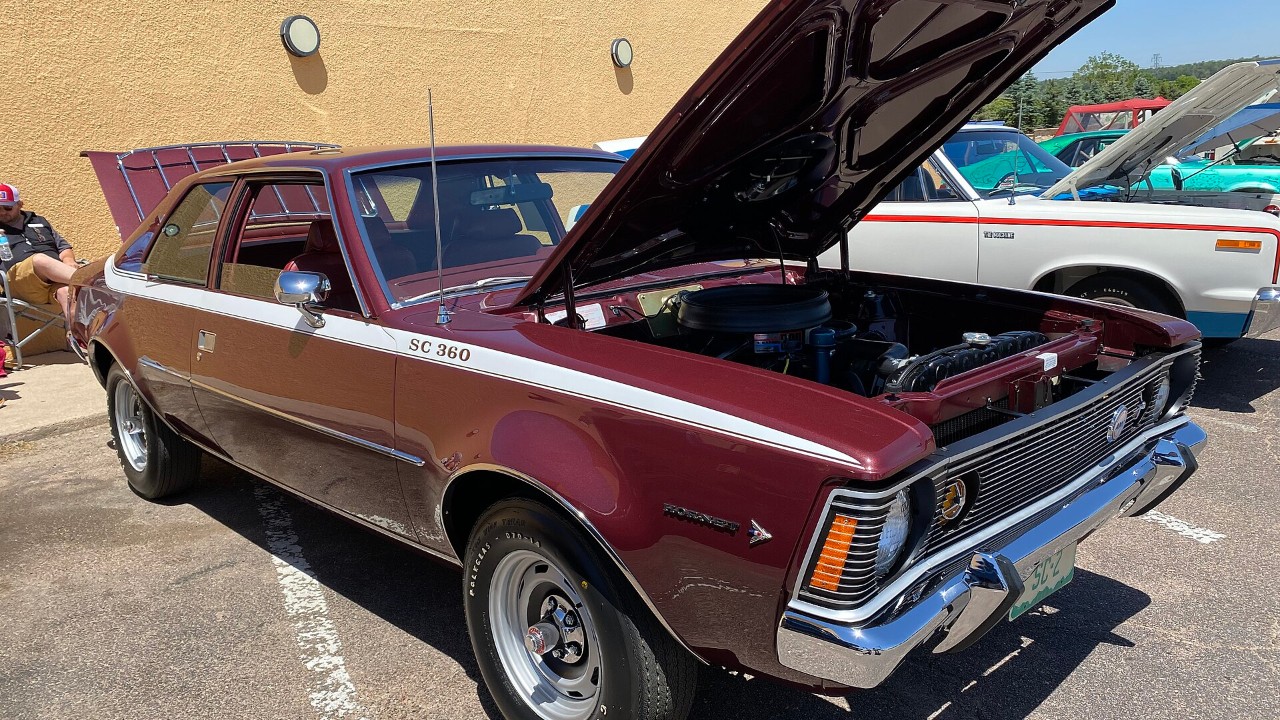
The Hornet SC/360 took AMC’s sensible compact and dropped in a 360-cubic-inch V8. According to Old Cars Weekly, the base engine made 245 horsepower. For another $199, the Go-Package added a four-barrel carburetor, dual exhaust and a Ram Air hood scoop, which raised output to 285 horsepower.
Even so, the price was the real hook. A base AMC Hornet SC/360 started at $2,663, and buyers could add a four-speed with a Hurst shifter and a Twin-Grip rear axle. Gear choices ran from 3.15:1, offered only with the automatic, to a much shorter 3.91:1. Magnum 500 wheels cost another $49, which was about the only way to make the car look as fast as it was. In other words, you got a lot of go for very little money in a car that looked like your neighbor’s grocery-getter.
So why did it fail? AMC expected to build 4,000 and hoped for 10,000, but it built only 784. If AMC’s odd heroes are your thing, our list of AMCs that deserved more attention than they got goes further. In our view, the SC/360 was the right idea one year too late, and it deserved a second season.
2. 1965 Mercury Comet Cyclone
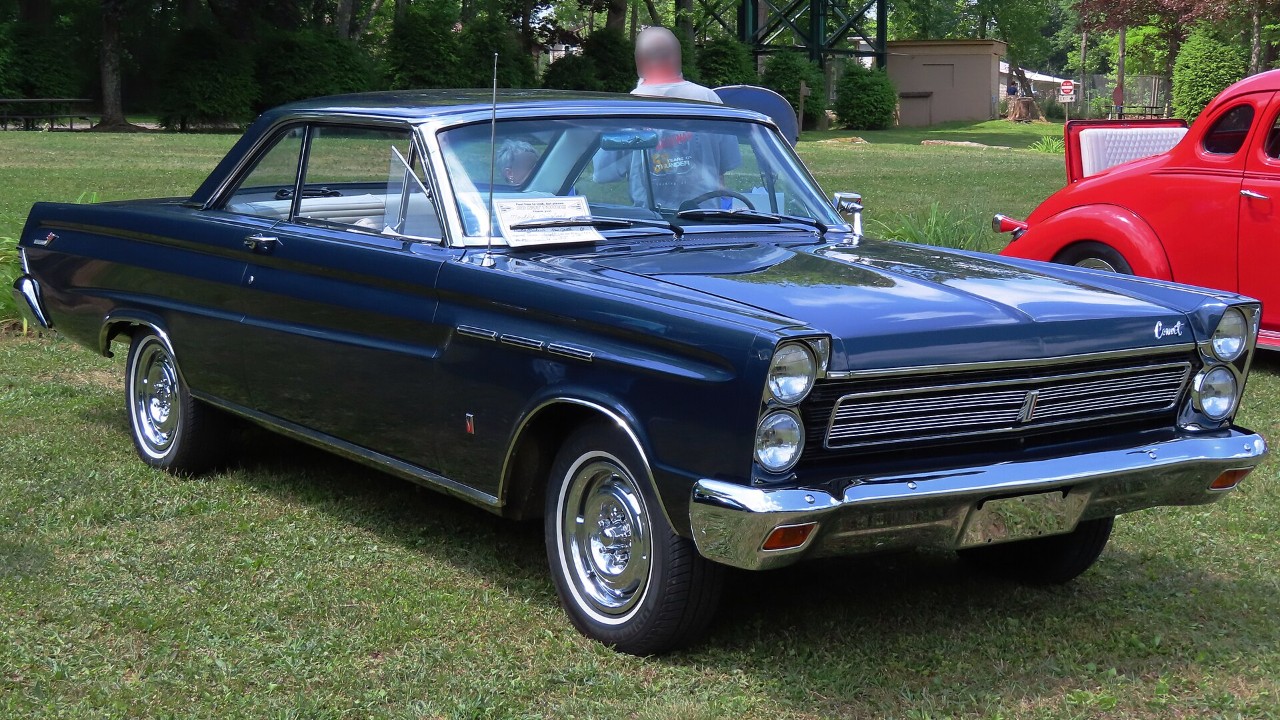
Mercury’s Cyclone dressed the compact Comet in sporty gear without shouting about it. For 1965, it came only as a two-door hardtop. The standard engine was a 289-cubic-inch Cyclone V8, and a three-speed manual came with every engine.
According to Old Cars Weekly, the Cyclone listed at $2,683. Among Comets, only the Villager wagon cost more than that. That money bought bucket seats, a center console, a tachometer and a special grille with blacked-out trim. A four-speed manual cost $188 extra, and a twin-scoop fiberglass hood was on the option list too. Buyers who preferred two pedals could pick the Multi-Drive Merc-O-Matic automatic for $189.60. When Motor Trend tested a Cyclone in period, its car had the four-speed.
In our view, the Cyclone had bad timing. It shared showrooms with the Mustang era, so the pony car got the headlines. Our take: a Comet Cyclone with a four-speed is a sleeper in the classic sense. Most people walking past see a tidy little Mercury rather than a car built to run.
3. 1986 Ford Mustang SVO
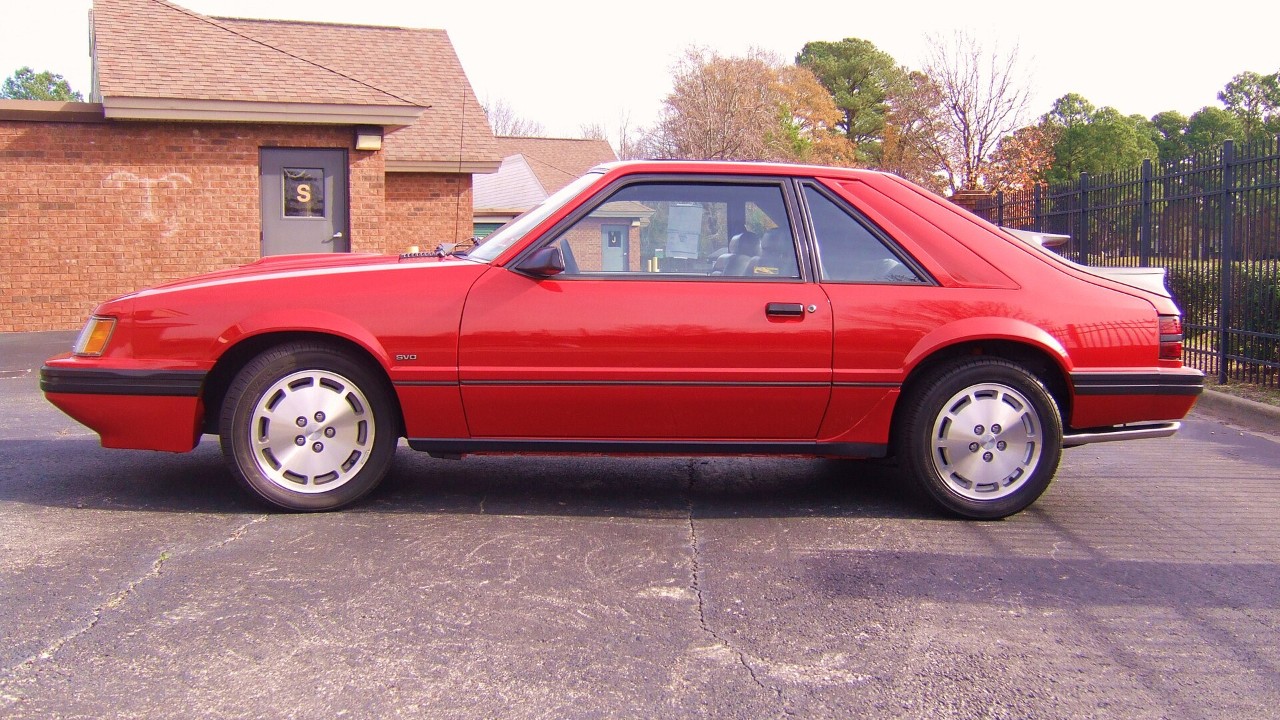
The SVO was Ford’s bet that a turbo four could carry the Mustang name. Ford’s Special Vehicle Operations team gave it a 2.3-liter turbocharged four with an air-to-air intercooler. For 1986, the engine made 200 horsepower and 240 lb-ft of torque.
The hardware was also serious. A Hurst shifter came standard, and ventilated disc brakes at all four corners replaced the GT’s disc and drum setup. Those were the first four-wheel discs on a Mustang. Adjustable Koni dampers handled the suspension. When the car reached dealers in April 1984, it listed at $15,585.
Even so, buyers mostly shrugged. Ford built 9,844 SVOs from 1984 to 1986, including 3,382 in the final year. The other two years split 4,508 for 1984 and 1,954 for 1985. Those 1984 and early 1985 cars made 175 horsepower, so the later cars are the ones to hunt. Meanwhile, the cheaper V8 GT took the sales. For more on that story, read our look at the Mustang SVO, a turbo pioneer that missed its audience. In our view, the SVO deserved far more credit. After all, on paper its brakes and suspension put it ahead of the V8 GT.
4. 1988 Dodge Daytona Shelby Z
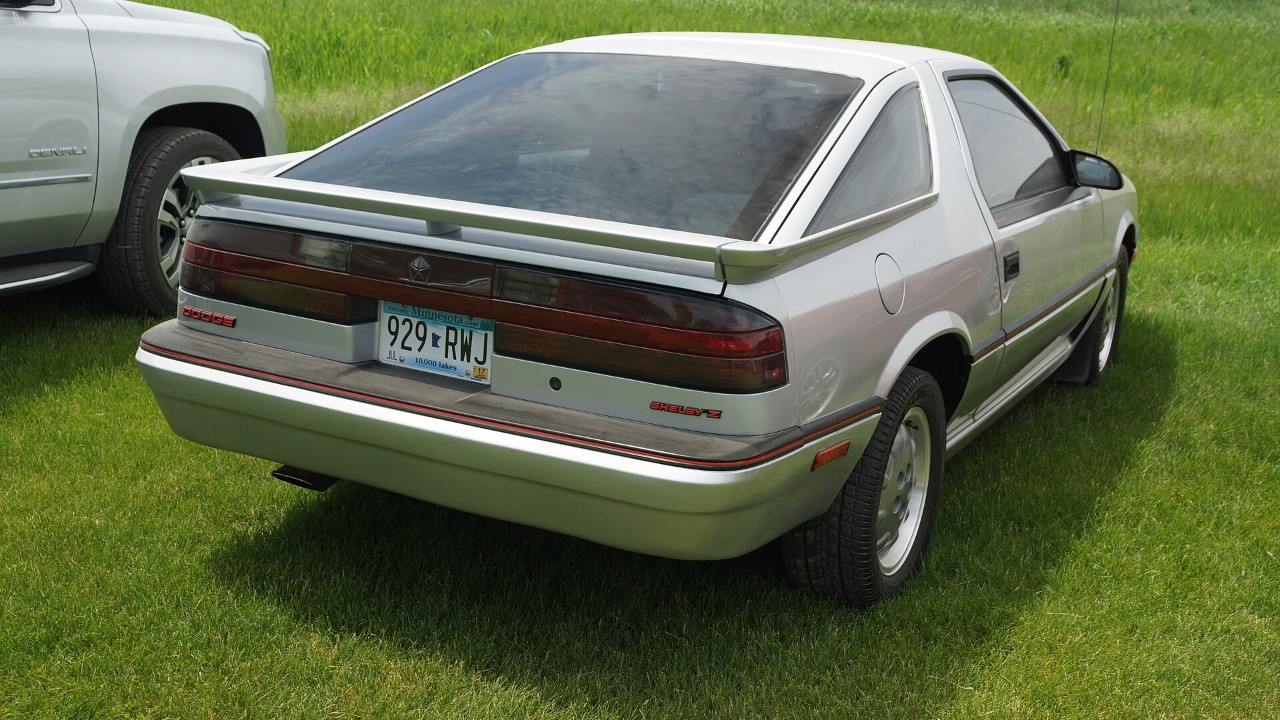
The Shelby Z turned Chrysler’s front-drive Daytona hatchback into a proper performance car. Its intercooled Turbo II version of the 2.2-liter four made 174 horsepower and 200 lb-ft of torque. That power went through a heavy-duty A555 transaxle with Getrag gears.
Chrysler also gave it a thicker front sway bar and disc brakes at all four wheels. In Europe, the same car wore a different badge and sold as the Chrysler GS Turbo II. Back home, Dodge sold 66,677 Daytonas in 1988, its second-best year. The Shelby Z sat at the top of that range. Later, for 1990, the Shelby could even get the variable-nozzle Turbo IV, which made the same 174 horsepower with less lag. Then the Shelby trim ended after 1991, when Carroll Shelby’s work with Chrysler wrapped up.
Because of that mix, the Shelby Z gets lost. To most eyes, it is one more boxy 1980s coupe. Then the boost comes in. Our take: the Shelby Z delivered real speed on a modest budget, and it deserved the respect that 1980s Mustang GTs and Camaros got.
5. Chevrolet Celebrity Eurosport VR
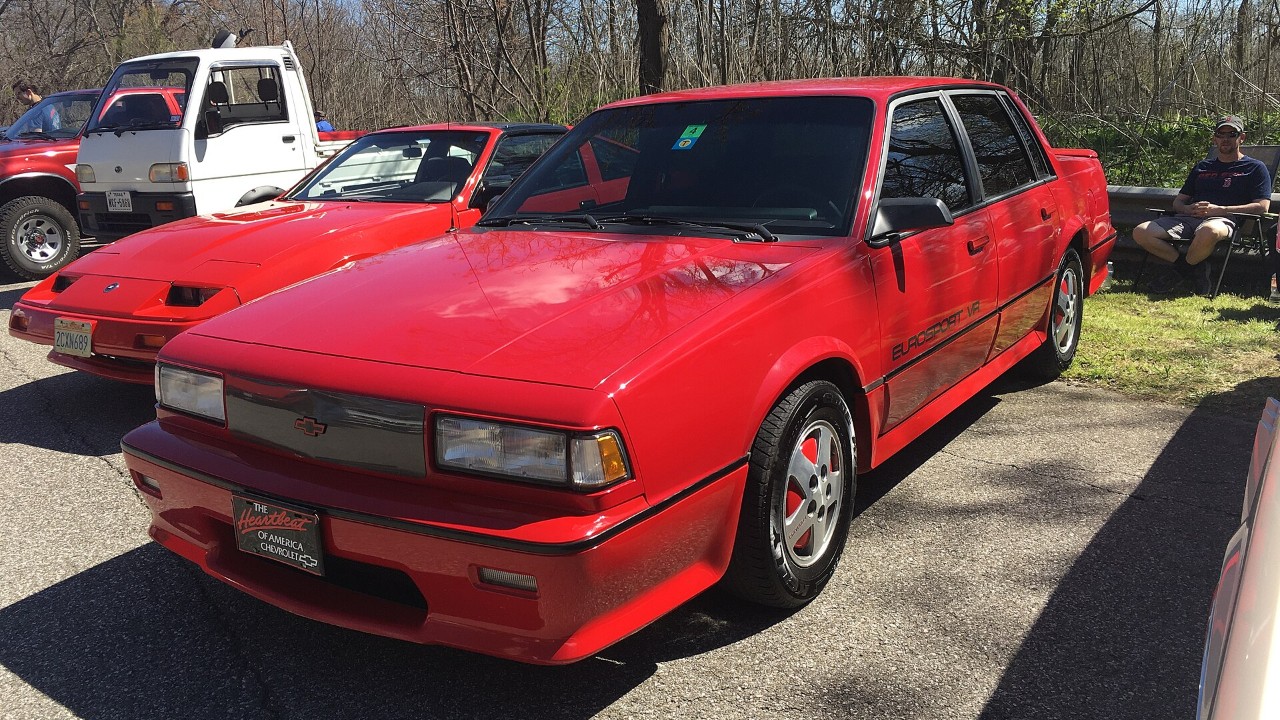
The Celebrity was Chevrolet’s plain front-drive family car. Then the Eurosport VR tried to make it exciting. Chevrolet based the package on a 1986 show car and offered it from 1987 on sedans and wagons, then on coupes the next year.
According to The Autopian, the VR used the 2.8-liter V6 and could reach 60 mph in about 9 seconds. It added new bumper skins with air dams, ground-effects plastic, blacked-out trim and red accent lines. Manual cars even got a tiny LED tachometer built into the shifter display. Buyers could also choose a five-speed manual or one of two automatics. The paint list was short: black, silver, white and Code Red.
But the price held it back. The VR package cost $3,500 in 1987, on a Celebrity that started at $10,265. As a result, only a bit over 1,600 sold. In our view, the VR is the most surprising entry here. A Celebrity wagon with a body kit and a manual is about as sleepy as a fast car gets.
6. 1991 Mitsubishi Galant VR-4
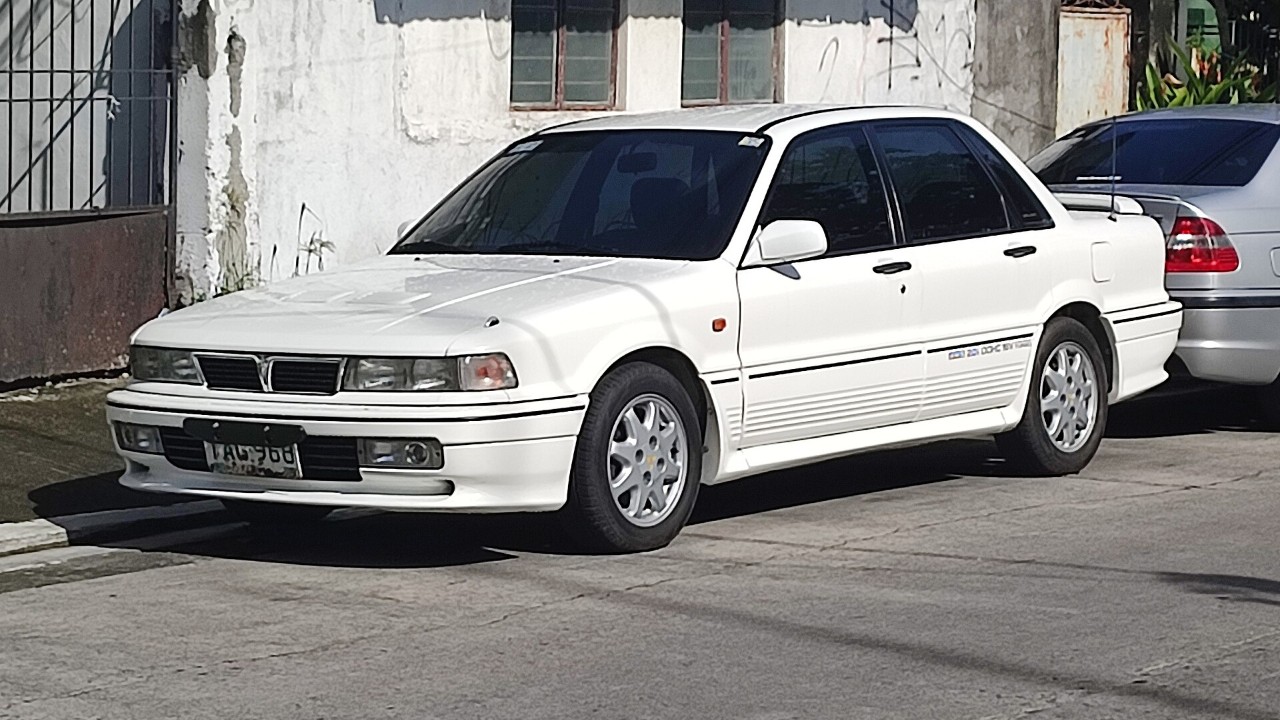
The Galant VR-4 looked like a sober midsize sedan. Underneath, however, it was a rally car. Mitsubishi built it to meet Group A rules, so it got a turbocharged 2.0-liter four and full-time all-wheel drive with a viscous coupling.
The road car made up to 195 horsepower, depending on the market. It also had independent suspension, four-wheel anti-lock brakes and speed-sensitive four-wheel steering. Above 30 mph, the rear wheels turned with the fronts by up to 1.5 degrees. Meanwhile, the rally version won three World Rally Championship events, including the 1989 1000 Lakes Rally and the 1991 Swedish Rally. Pentti Airikkala added a third win at the 1989 RAC Rally in Britain.
In the United States, the car barely registered. In fact, about 2,000 reached the country in 1991 and about 1,000 more in 1992. Our take: few sedans of the era packed this much technology, and almost nobody noticed. A clean one with its original four-wheel steering intact deserves a place in any 1990s collection.
7. 1992 Plymouth Laser RS Turbo AWD
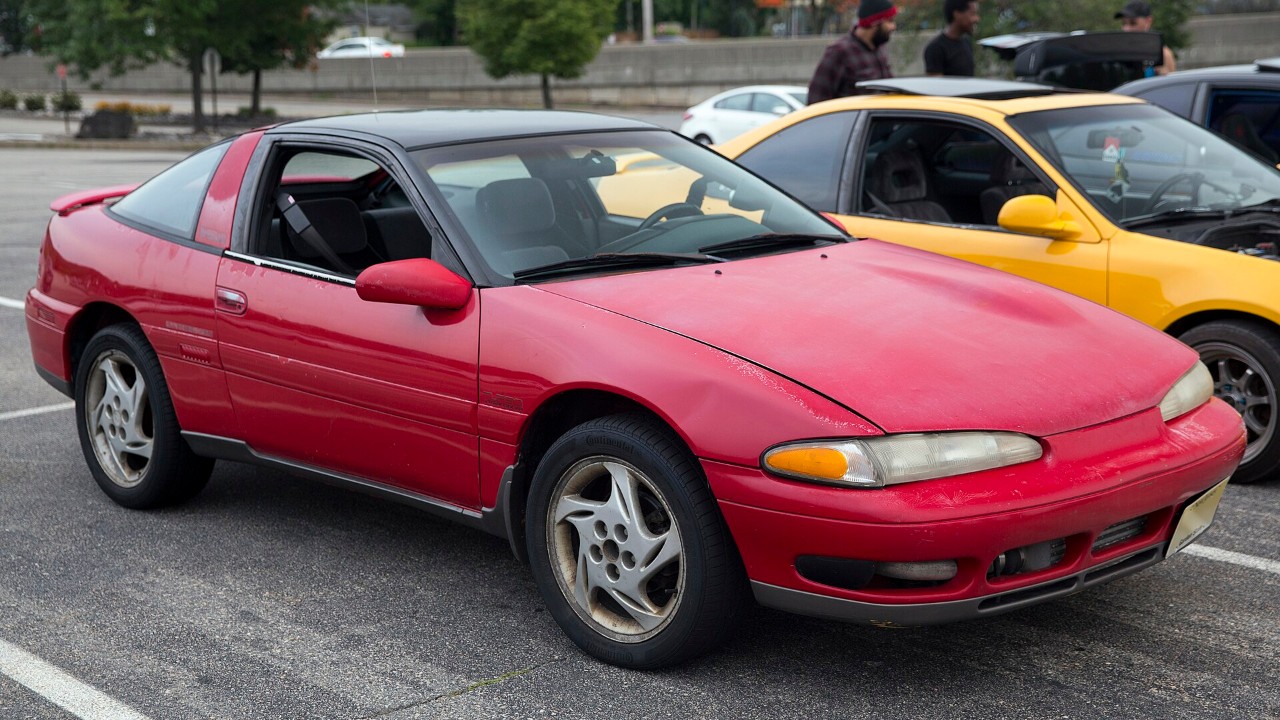
The Laser was the Plymouth version of the Diamond-Star coupe, a Chrysler and Mitsubishi joint venture built in Normal, Illinois. Its RS Turbo used Mitsubishi’s 2.0-liter turbocharged 4G63 four, rated at 195 horsepower. For 1992, Plymouth finally added an all-wheel-drive version.
That AWD car arrived late, which hurt it. The Eagle Talon had offered all-wheel drive since its 1990 launch. At first, the RS Turbo AWD came only with a manual gearbox, and an automatic joined the option list for 1993. Automatic cars carried a lower rating, at 180 horsepower. So if you want the sharpest version, look for a manual car.
It did not last long, either. Production of the Laser ended on June 3, 1994, after poor sales. In our view, that makes the AWD Laser the forgotten member of a famous family. It had the same running gear its siblings had, but with a Plymouth badge that few enthusiasts took seriously.
8. 1986 Dodge 600 ES Turbo convertible
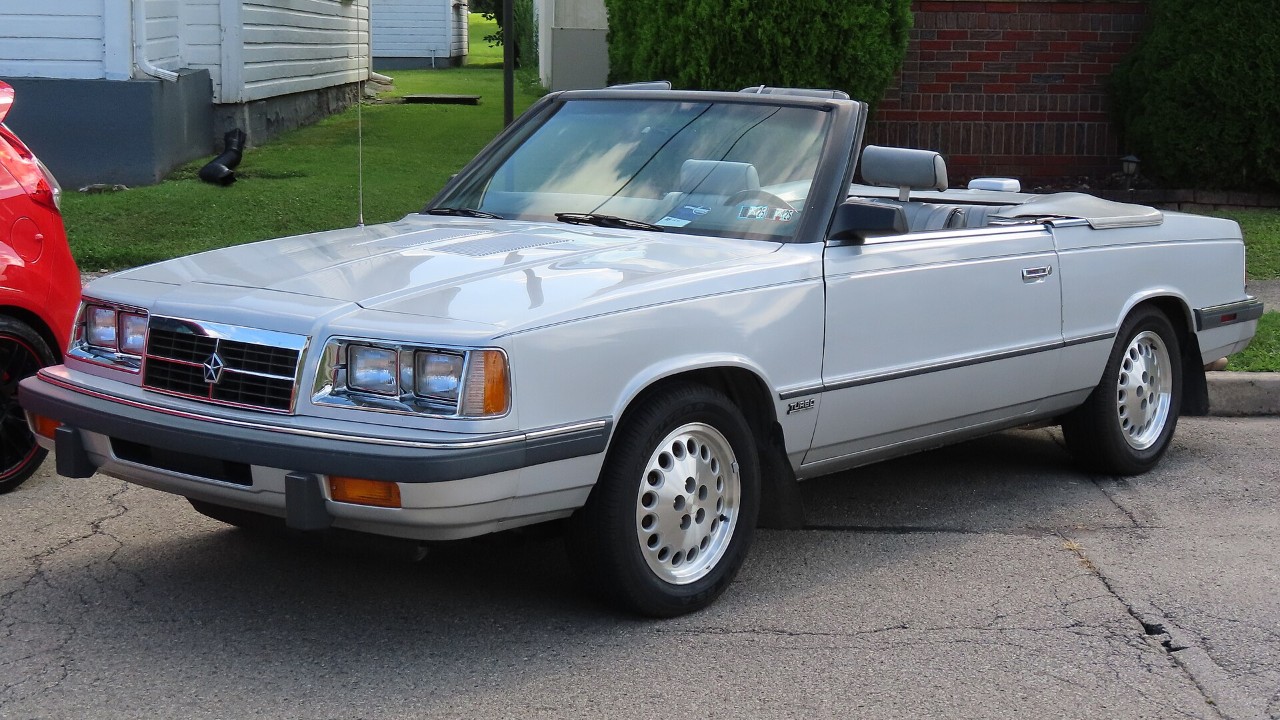
Chrysler’s K-car platform did not sound exciting, and the Dodge 600 looked like a sensible coupe. But the 600 ES Turbo convertible combined a power top with the 2.2-liter turbo four. According to a Curbside Classic look at the car, that engine made some 146 horsepower in 1986 for the 600 ES.
The 1986 model also wore a front end that the 600 used for one year only. Chrysler’s K-based convertibles first appeared in mid-1982. At first, an outside contractor built them, until Chrysler brought the work in-house. Before the 600, Dodge’s first K-based convertible was the 400, a personal luxury car that paralleled the Chrysler LeBaron. After the 600, Dodge would not offer another convertible until the Shadow got a top for 1991.
Today, though, most people have forgotten these cars entirely. Our take: a turbo K-car convertible is a fun, odd sleeper. It delivers sunny-day speed in a body that nobody expects to hurry.
9. Volvo 740 Turbo Intercooler wagon
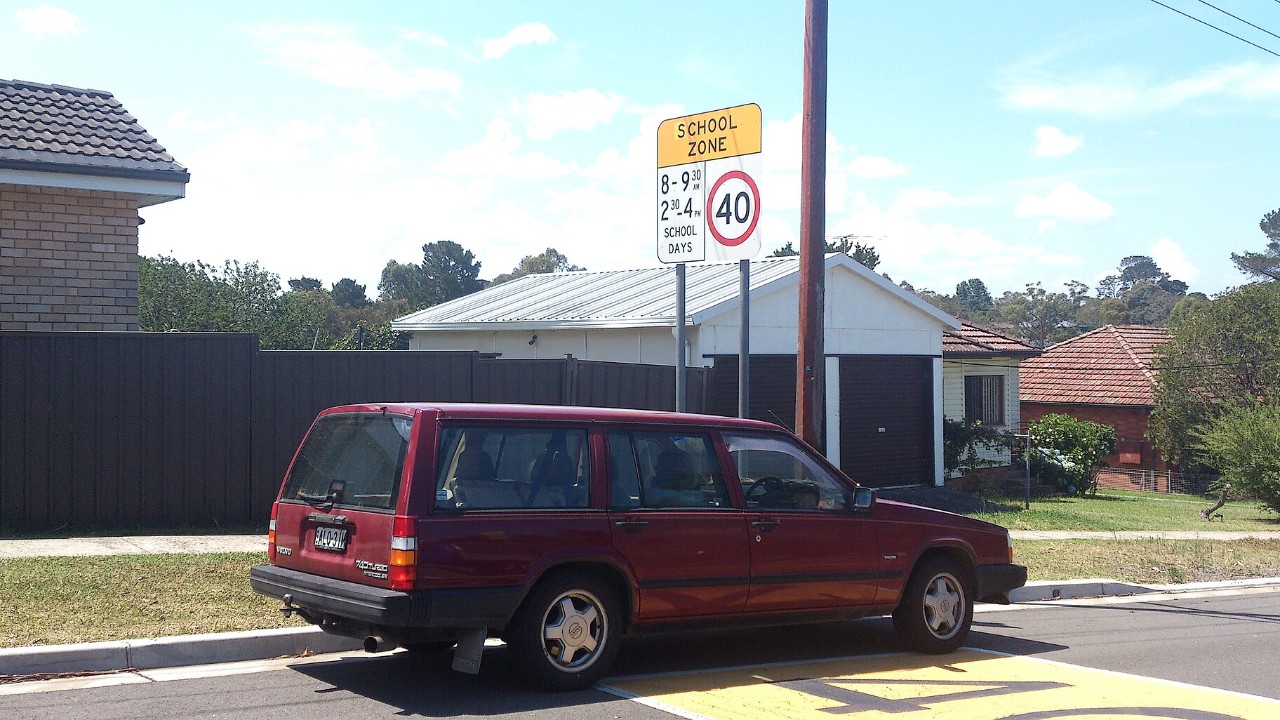
Few cars look less threatening than a boxy Volvo wagon. In fact, that was the joke Volvo leaned on. The 740 Turbo used the intercooled B230FT four, which made 162 horsepower, and buyers could pair it with a five-speed manual.
According to Grassroots Motorsports, the wagon could reach 60 mph in about 7.8 seconds. Volvo’s own ad compared it with a Porsche 944 on a radar gun, with the line “To a radar gun they look exactly alike.” Meanwhile, one shop owner reported engines arriving with 250,000 to 300,000 miles on them.
That mix of speed and toughness makes this wagon our favorite kind of sleeper. You can haul a dresser on Saturday and surprise someone at a stoplight on Sunday. According to the same piece, rust is uncommon on these cars, and parts are easy to find. For the bigger picture, read our feature on the unusual story behind factory sleeper cars. In our view, it deserved better than a reputation as a car for cautious drivers.
10. 1987 Shelby Lancer
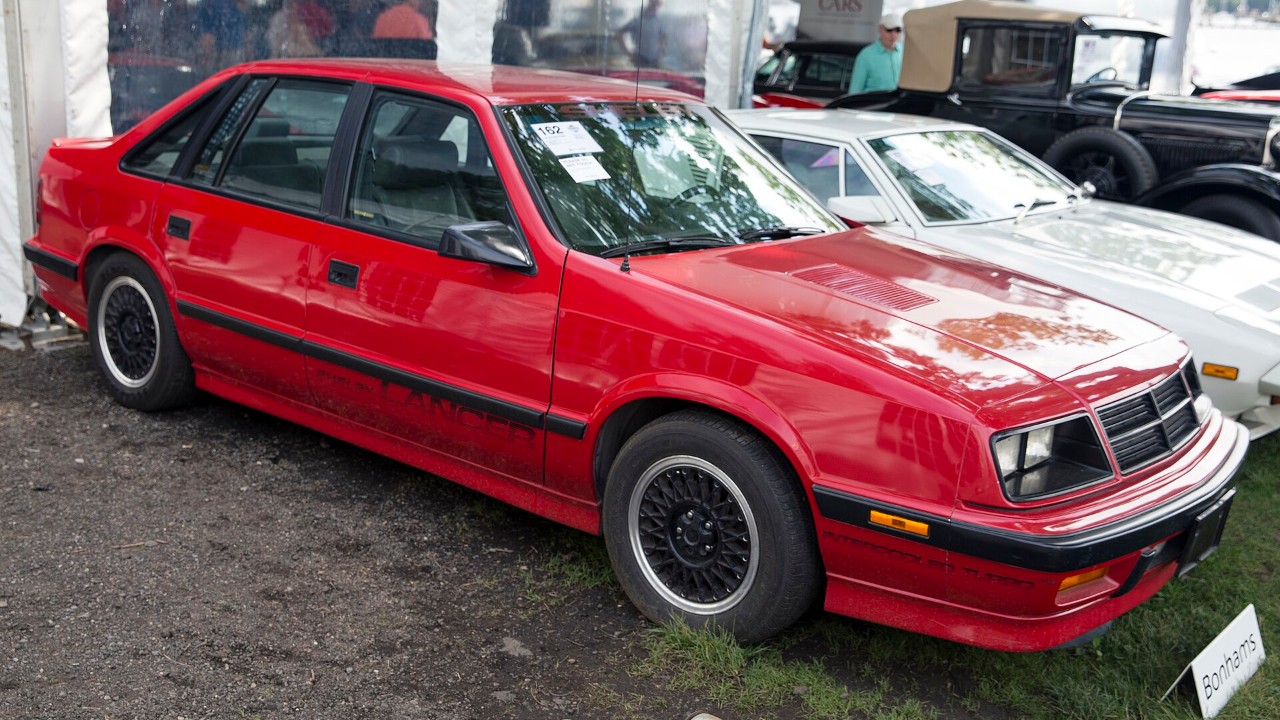
Carroll Shelby’s team took the Dodge Lancer, a hatchback sedan, and turned it into a fast four-door. Shelby modified the 1987 cars in Whittier, California. Each one got the 2.2-liter Turbo II four, rated at 175 horsepower.
Even by Shelby standards, the production run was tiny. Shelby built 800 for 1987, split evenly with 400 manuals and 400 automatics. The manual cars used a five-speed A520 gearbox, while the automatics got a three-speed A413. Every one came in Graphic Red. Later, Dodge built its own Lancer Shelby for 1988 and 1989 at Sterling Heights, with 487 more cars.
A red sedan with a hatchback was easy to miss in 1987, and it is even easier to miss now. Our take: the Shelby Lancer was a clever idea, a four-door car with real turbo punch. Today, with only 800 built for 1987, you could wait years to see one.
11. 1991 Eagle Talon TSi AWD
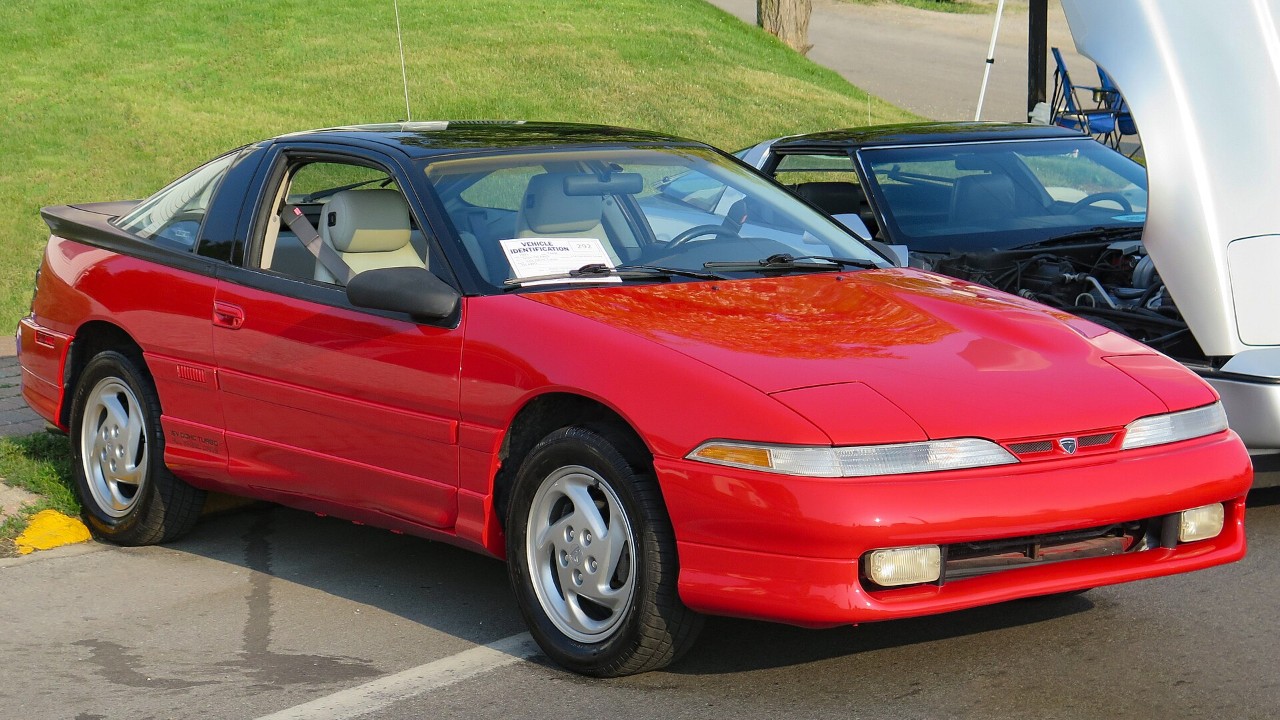
Eagle was Chrysler’s short-lived import-fighter brand, and the Talon was its halo car. The TSi AWD used the same Diamond-Star hardware as the Laser, with a 2.0-liter turbo four built by Mitsubishi. According to Curbside Classic, it made 195 horsepower with the five-speed manual and 203 lb-ft of torque. Cars with the four-speed automatic carried a 180-horsepower rating. Like the Laser, it came from the Diamond-Star plant in Normal, Illinois, and the first generation got a facelift for 1992.
The AWD version did more than add traction. It also gained an independent multi-link rear suspension and limited-slip center and rear differentials. As a result, it put its power down far better than most front-drive rivals.
But the Eagle brand itself is the reason this car feels forgotten. When Chrysler dropped Eagle in the late 1990s, the Talon lost its family. In our view, the TSi AWD deserved a longer life. It was quick, affordable and understated, and it looked like a mild sport coupe.
12. Mercury Tracer LTS
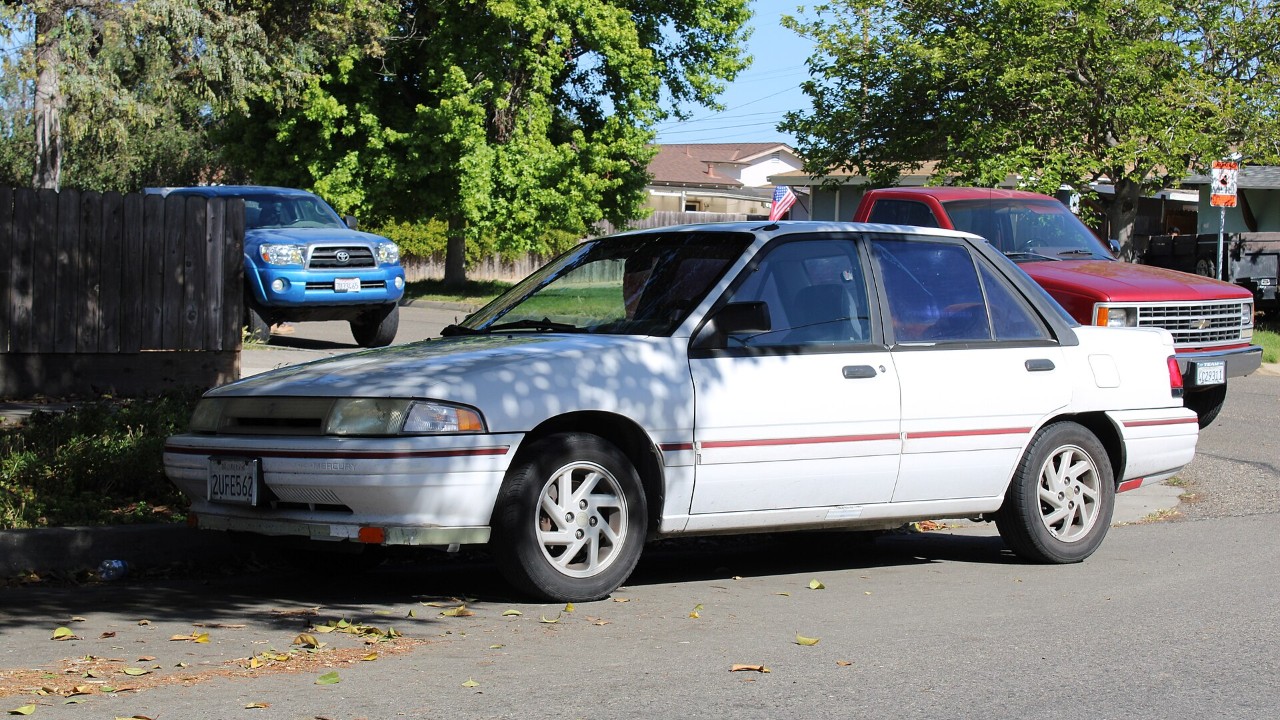
The Mercury Tracer was a small, sensible sedan. For 1991, the second-generation car moved to Mazda’s BG platform, which it shared with the Ford Escort. That was a step up from the first Tracer, which was a rebadged Mazda 323. The top LTS trim got the stronger Mazda 1.8-liter engine.
According to The Truth About Cars, that engine made 127 horsepower. That number does not sound like much today. However, in a small sedan from the early 1990s, it made the LTS genuinely quick. Yet it looked like an economy car.
Our take: the Tracer LTS is the overachiever of this list, a compact family sedan with a driver’s engine. Sadly, it did not get a long run. Mercury dropped the LTS trim and its stronger engine after 1994.
More from Fast Lane Only