Every era has its performance benchmarks, but some American cars didn’t just meet expectations—they shattered them. Whether through brute-force displacement, clever turbocharging, or unexpected engineering breakthroughs, these machines stunned drivers and rivals alike. At launch, their acceleration and top-end numbers felt almost unreal. Decades later, their impact still defines what “fast” meant in their respective generations.
Shelby Cobra 427
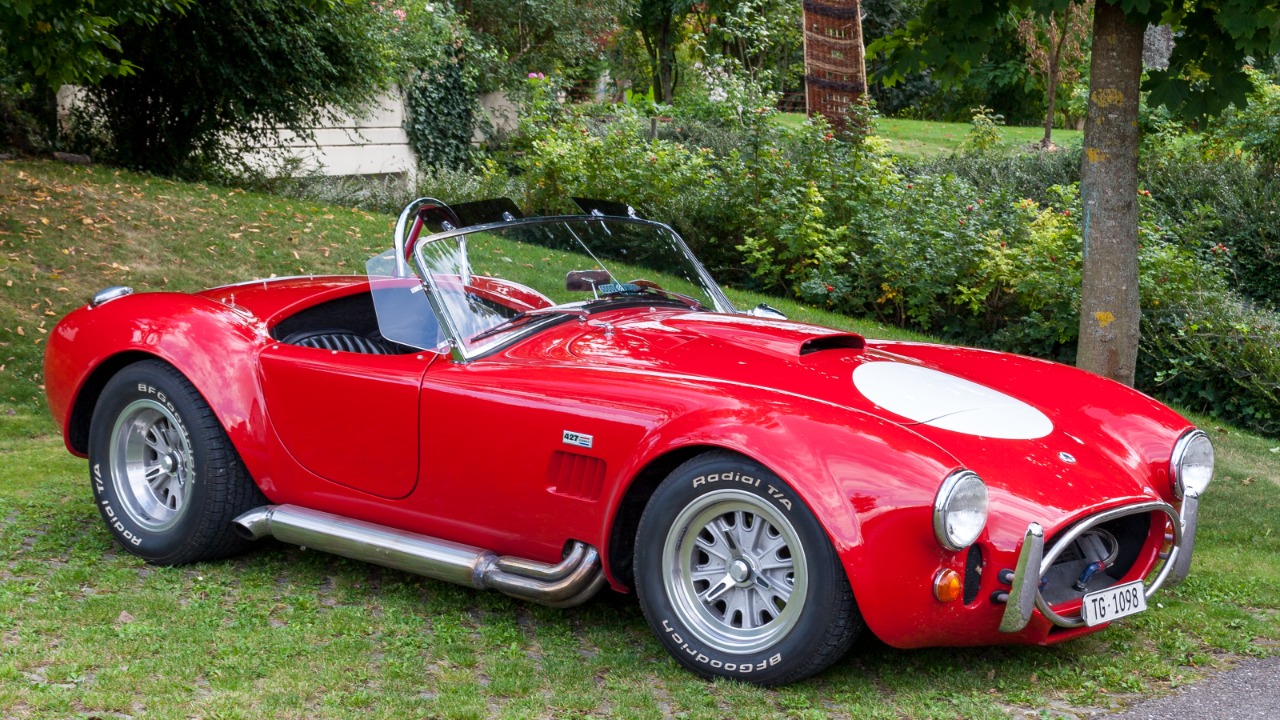
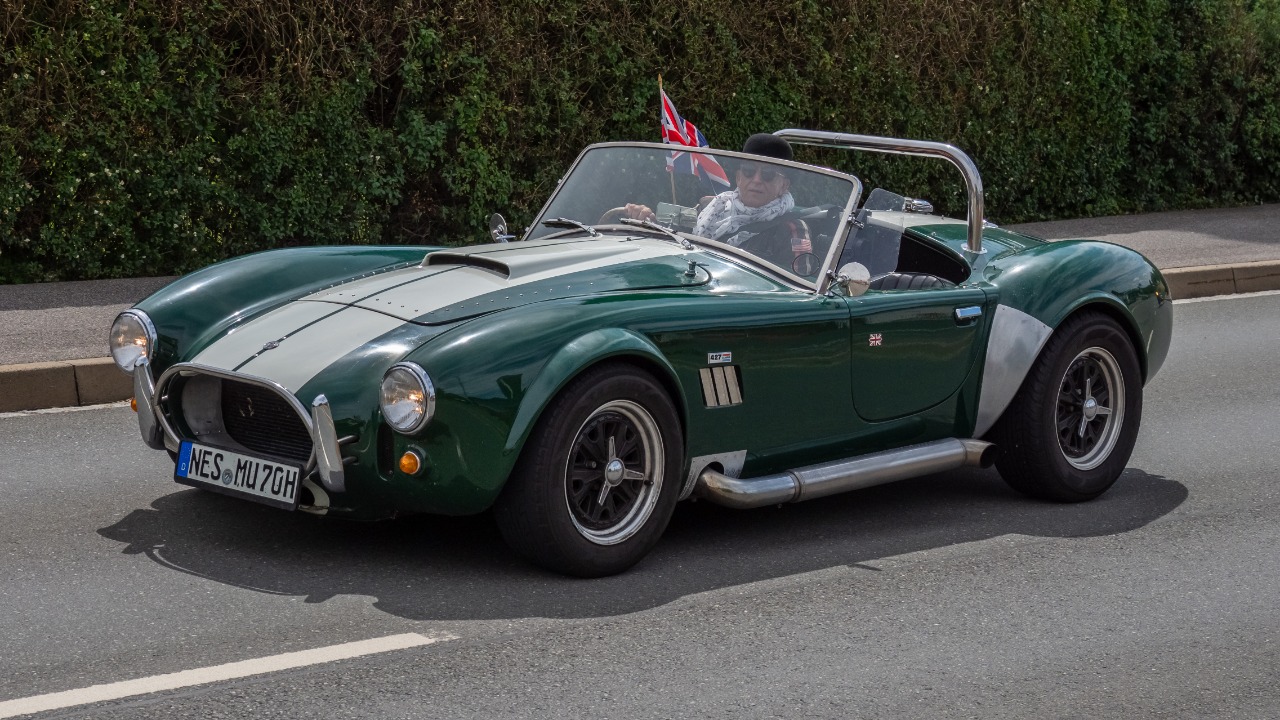
The Shelby Cobra 427 paired a lightweight British roadster body with a massive American V8, creating a brutally quick machine in the 1960s. Its power-to-weight ratio was outrageous for the era, enabling acceleration that embarrassed far more expensive European sports cars. With minimal driver aids and raw mechanical grip, it demanded respect. For its time, few production cars could match its explosive straight-line speed and ferocious character.
Chevrolet Corvette ZR1 (C4)
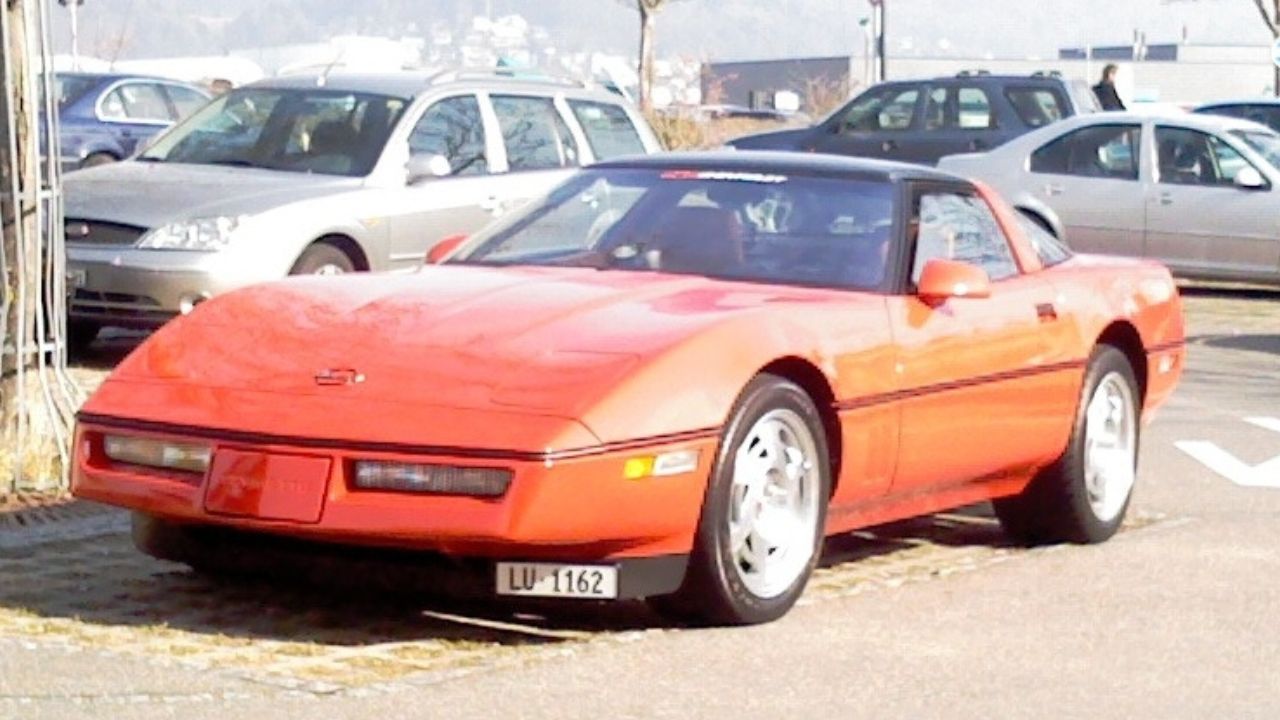
When the Corvette ZR1 (C4) debuted in 1990, it redefined expectations for American performance. Its Lotus-developed, high-revving V8 pushed output to levels rarely seen from domestic manufacturers at the time. Independent testing revealed top speeds and acceleration that rivaled elite European exotics. It wasn’t just fast for a Corvette—it was globally competitive, shocking critics who underestimated what an American sports car could achieve.
Dodge Viper RT/10
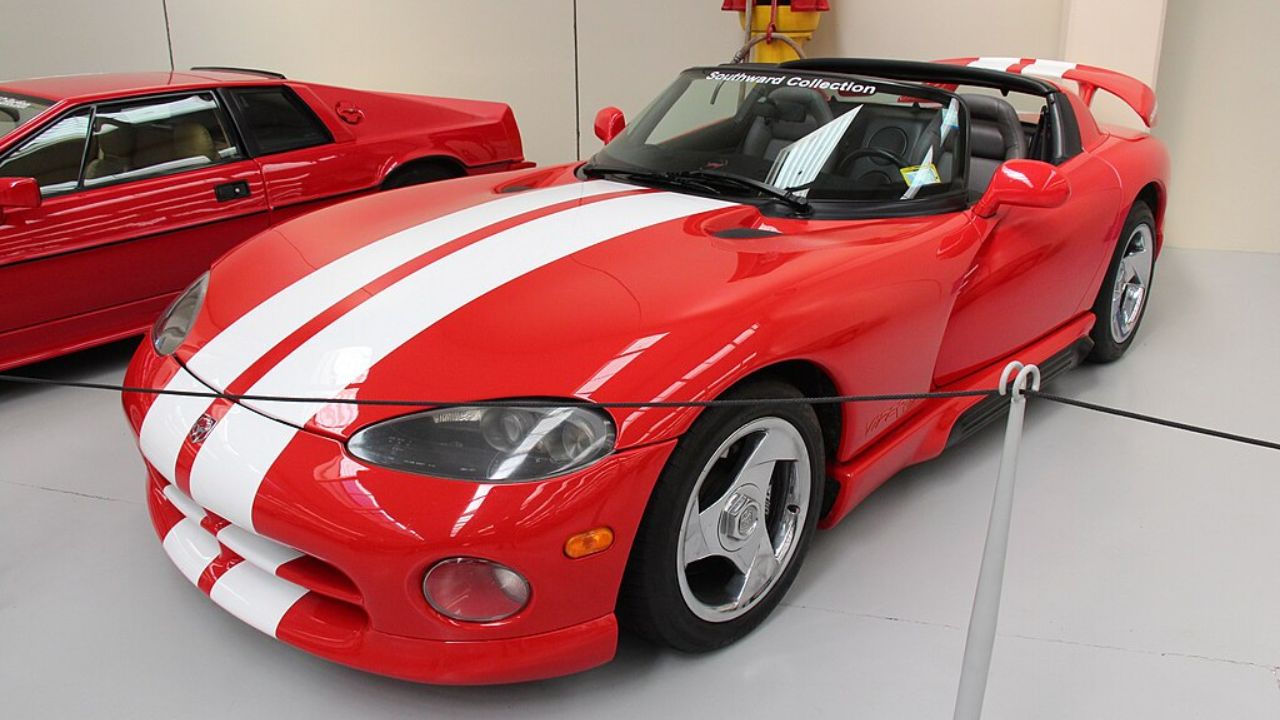
The original Dodge Viper RT/10 arrived with no traction control, no airbags at first, and a massive V10 under the hood. Its sheer displacement and torque created acceleration figures that bordered on intimidating in the early 1990s. Lightweight construction amplified the drama, making every throttle input feel monumental. At a time when refinement was increasing industry-wide, the Viper’s raw, blistering speed felt rebellious and unforgettable.
Buick GNX
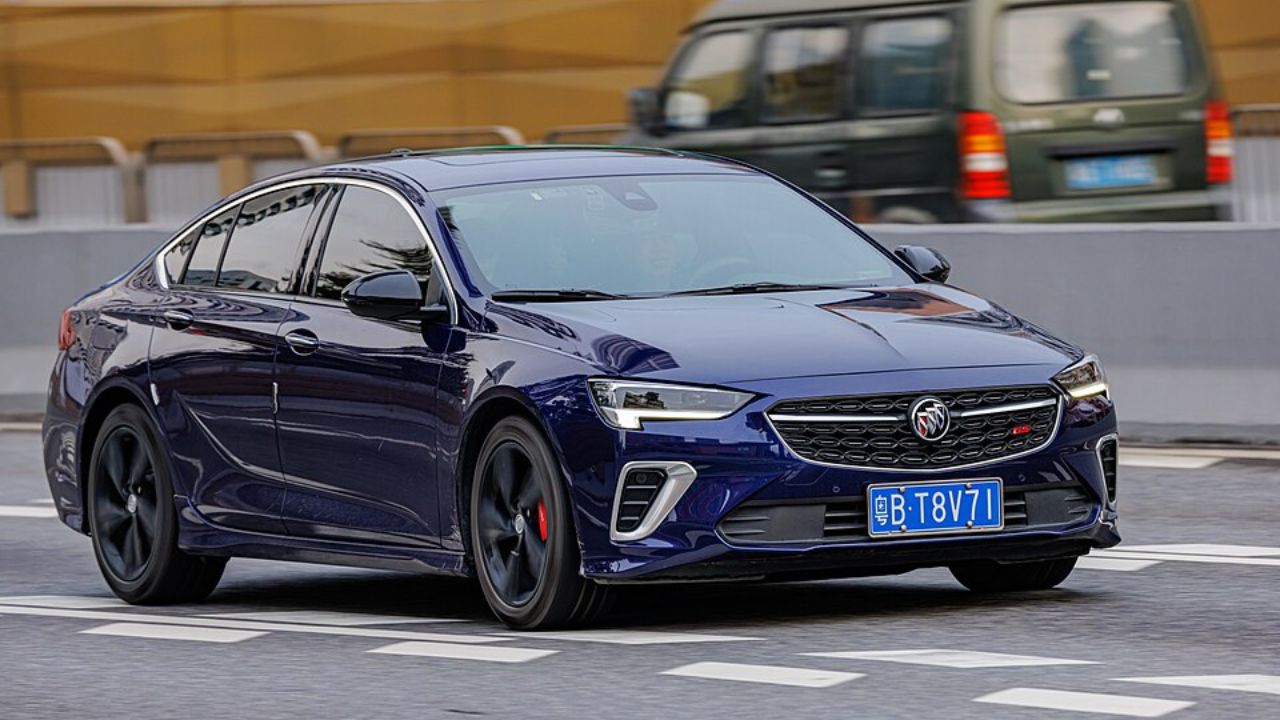
In the late 1980s, the Buick GNX quietly became one of the quickest production cars in America. Its turbocharged V6 delivered acceleration that outpaced many V8-powered rivals, shocking enthusiasts who expected muscle to come strictly from displacement. Limited production added mystique, but it was the performance numbers that truly stunned observers. For its era, few domestic coupes could match its devastating off-the-line thrust.
Ford GT (2005–2006)
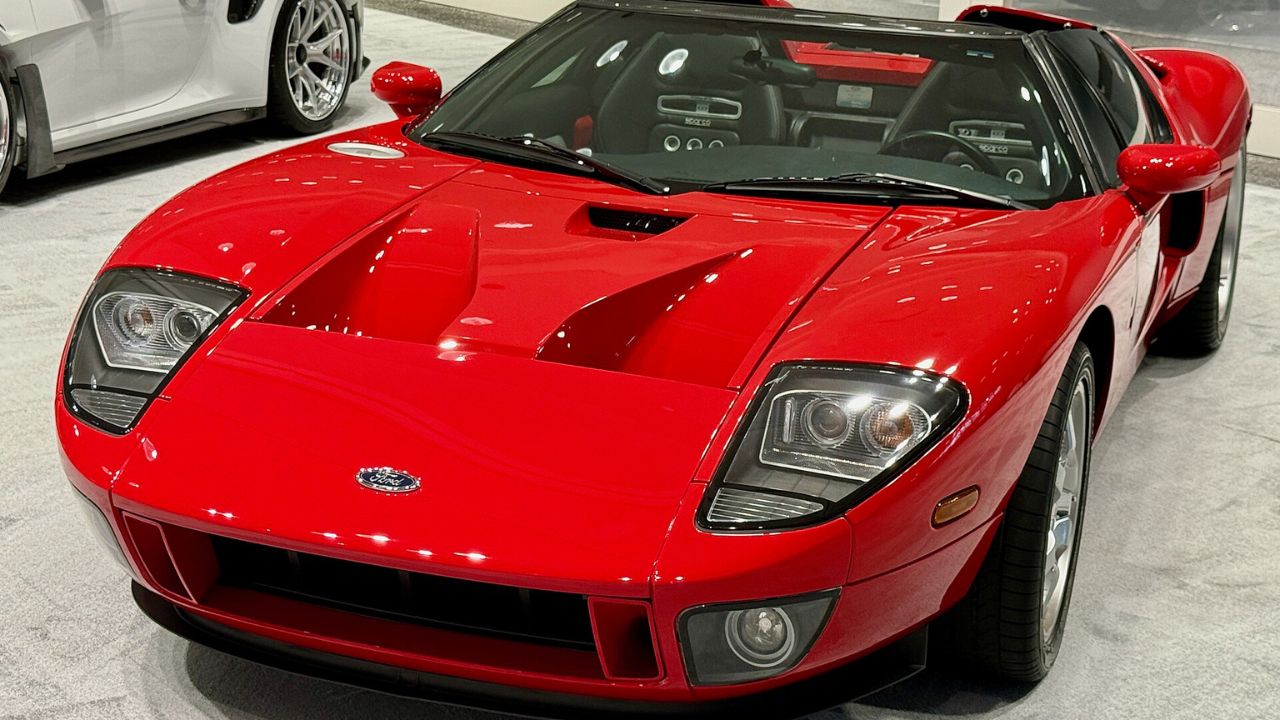
The mid-2000s Ford GT revived a legendary name with supercharged V8 power and modern engineering. Its 0–60 mph time and top speed placed it firmly among the world’s fastest production cars. Beyond nostalgia, it delivered authentic supercar performance that stunned reviewers expecting style over substance. For an American manufacturer to produce a machine that could run with European heavyweights was a defining moment.
Chevrolet Camaro ZL1 (2012)

When the Camaro ZL1 returned in 2012, it brought supercharged power that dramatically elevated the modern muscle car wars. Its acceleration and track capability surpassed many contemporary sports cars costing far more. Magnetic ride control and advanced aerodynamics helped harness the immense output effectively. At launch, its combination of straight-line speed and handling precision shocked those who still saw muscle cars as one-dimensional bruisers.
Plymouth Hemi ’Cuda
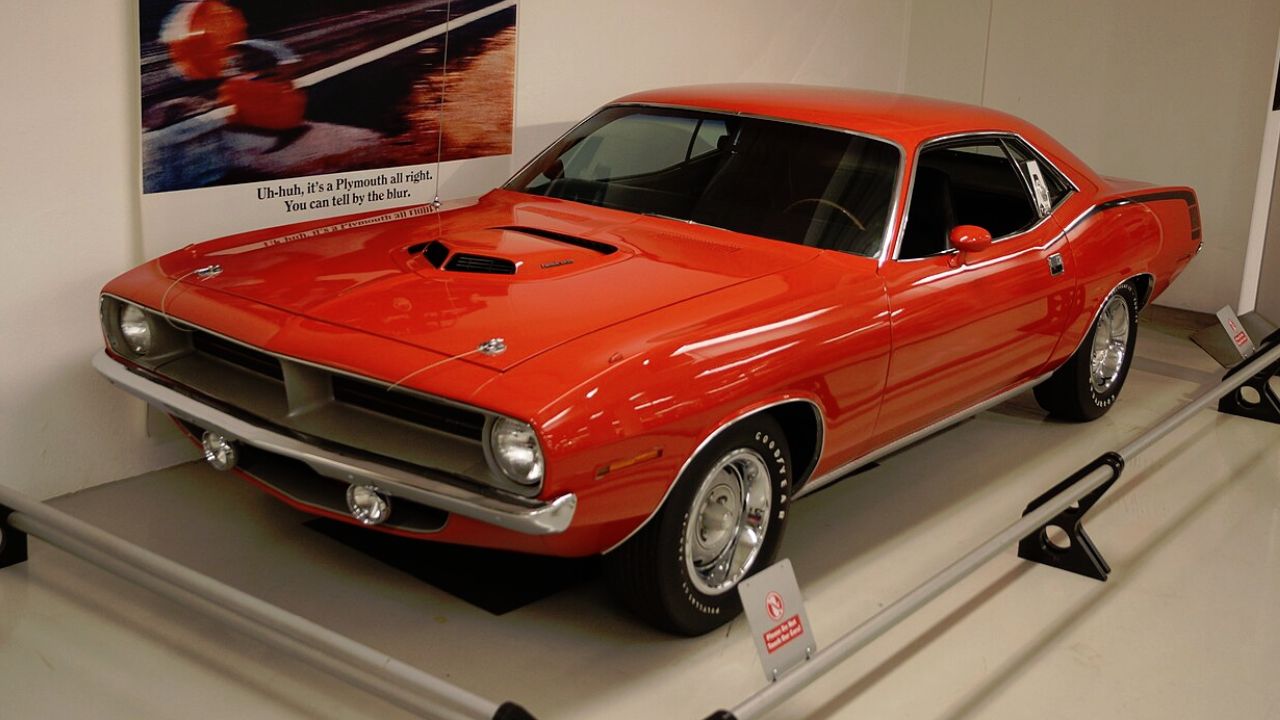
The Plymouth Hemi ’Cuda represented peak muscle car excess in the early 1970s. Its 426 Hemi V8 delivered staggering horsepower and torque figures for the time, translating into blistering quarter-mile runs. In an era defined by horsepower battles, it stood near the top of the food chain. Few street-legal production cars could challenge its straight-line dominance, cementing its reputation as a speed icon.
Cadillac CTS-V (Second Generation)
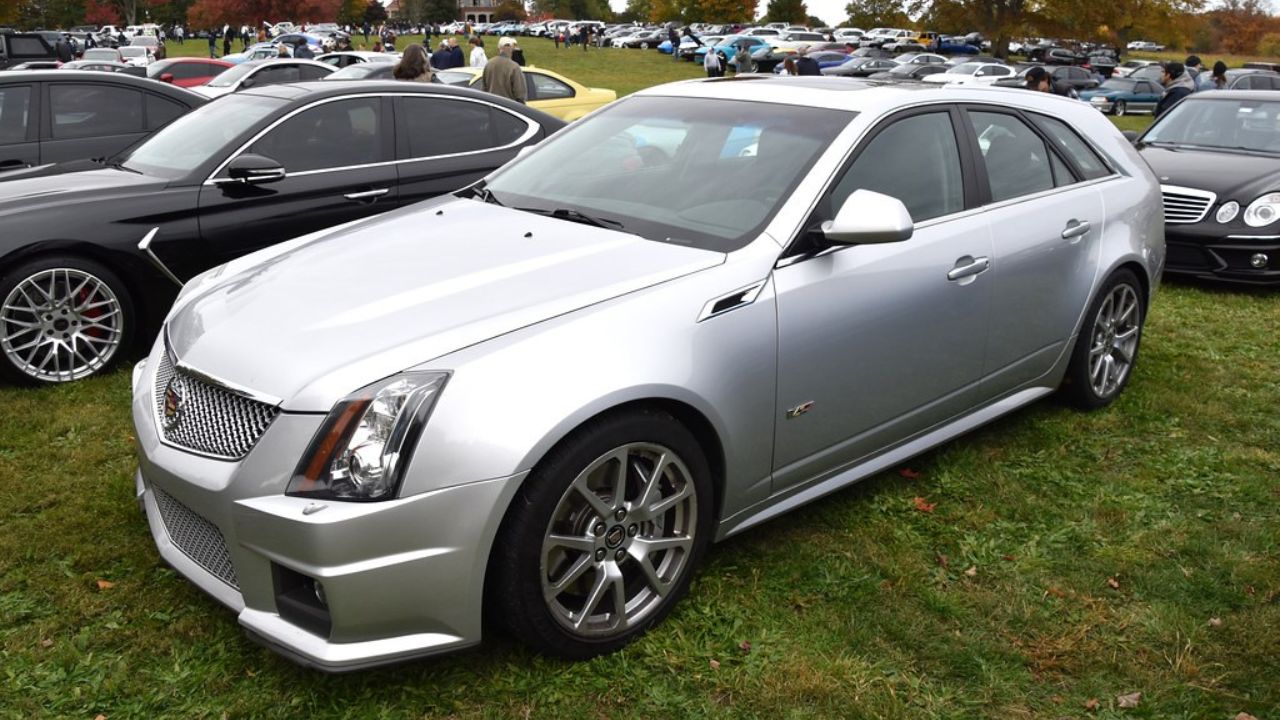
The second-generation Cadillac CTS-V arrived with a supercharged V8 that transformed the brand’s performance credibility. Capable of sub-four-second 0–60 mph runs, it rivaled established European sport sedans on both road and track. Its Nürburgring lap times captured headlines and shifted perceptions overnight. For a luxury sedan wearing a Cadillac badge, its pace was genuinely shocking for its era.
Saleen S7
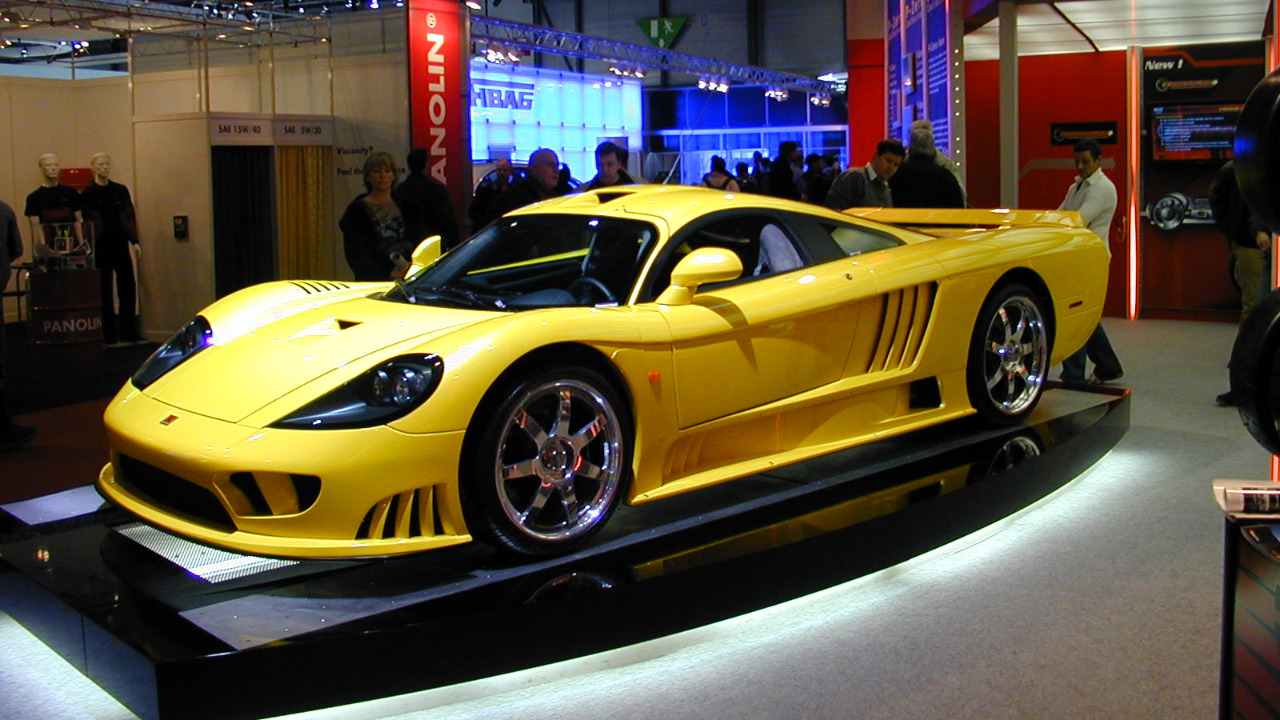
The Saleen S7 marked a rare moment when an American boutique manufacturer built a true exotic from scratch. Its naturally aspirated V8 and lightweight chassis enabled breathtaking acceleration and top-end performance in the early 2000s. With a top speed exceeding 200 mph, it joined an elite global club. Few expected a small American firm to produce such extreme speed, making its achievements all the more remarkable.
Tesla Model S P100D
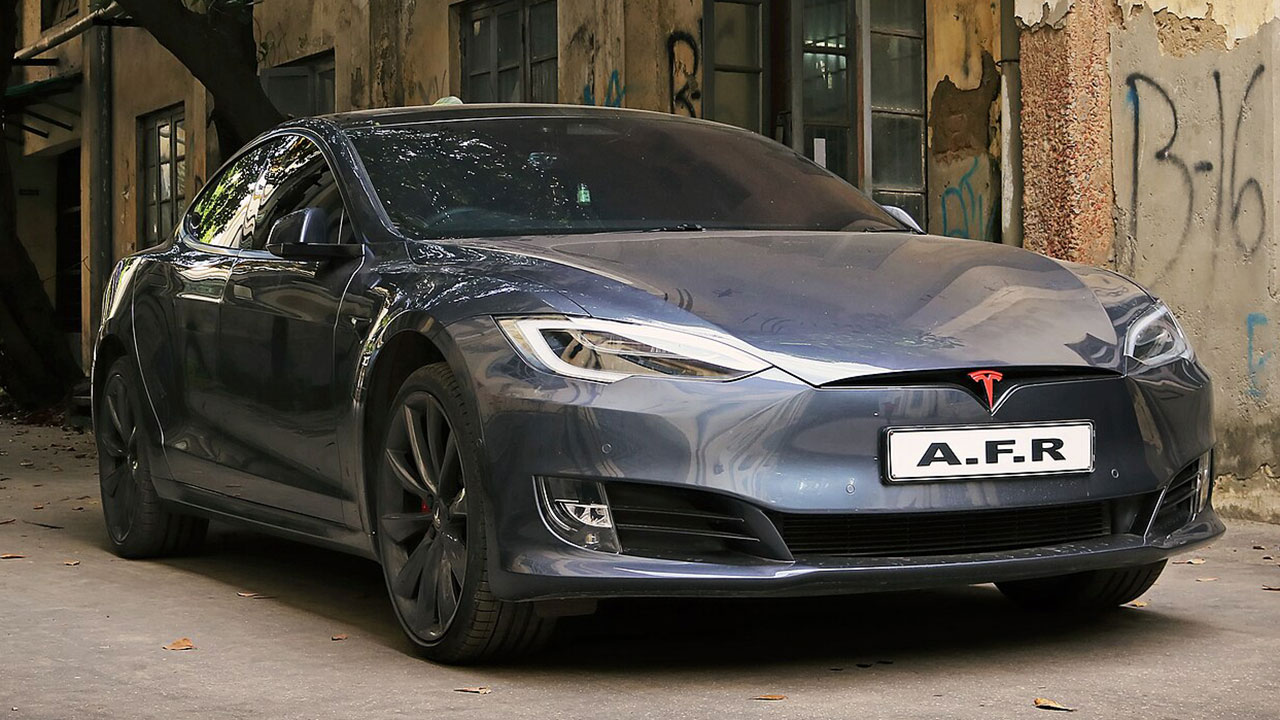
The Tesla Model S P100D introduced many drivers to the startling potential of electric acceleration. Its instant torque and all-wheel-drive traction delivered sub-three-second 0–60 mph times, rivaling established supercars. The quiet, seamless surge felt almost unreal compared to traditional combustion drama. For a full-size luxury sedan to launch that quickly was shocking, redefining performance expectations in the modern era.
More from Fast Lane Only