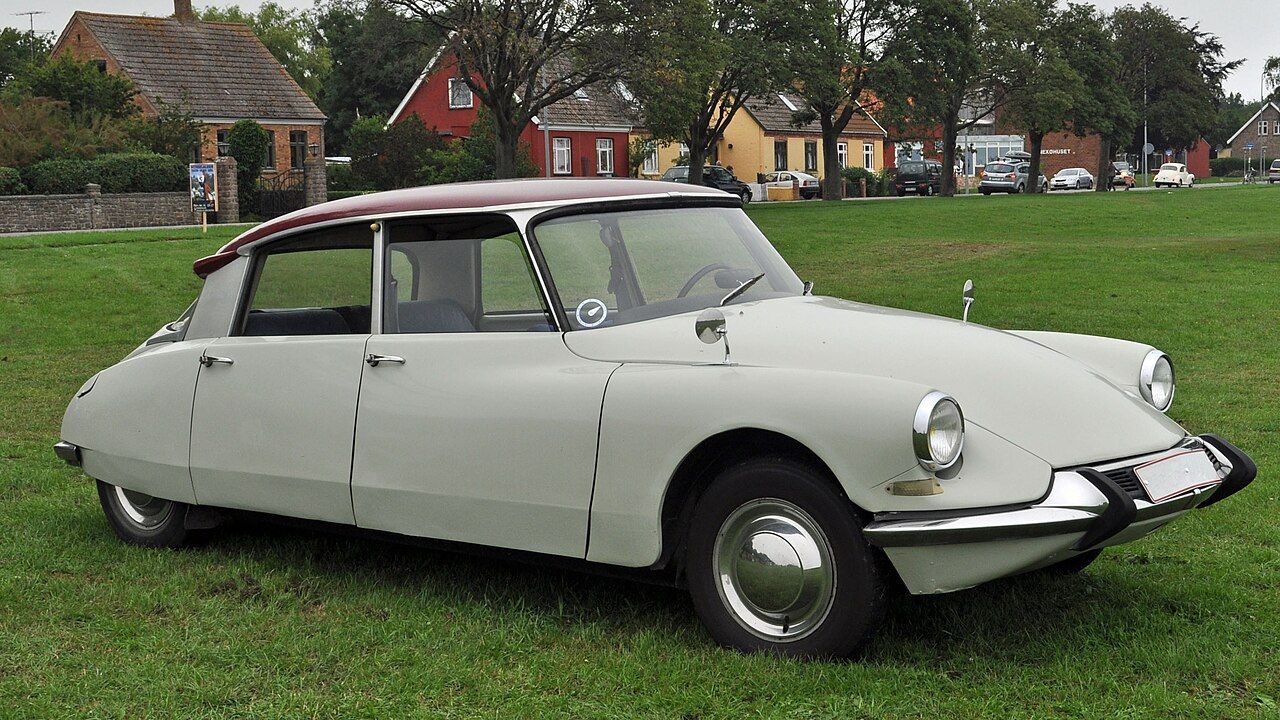
Some automobiles introduced technologies and engineering concepts long before the market was ready to embrace them. While not all became immediate commercial successes, their innovations influenced generations of vehicles that followed. These cars proved that forward-thinking ideas can shape the future, even if recognition comes years later.
GM EV1
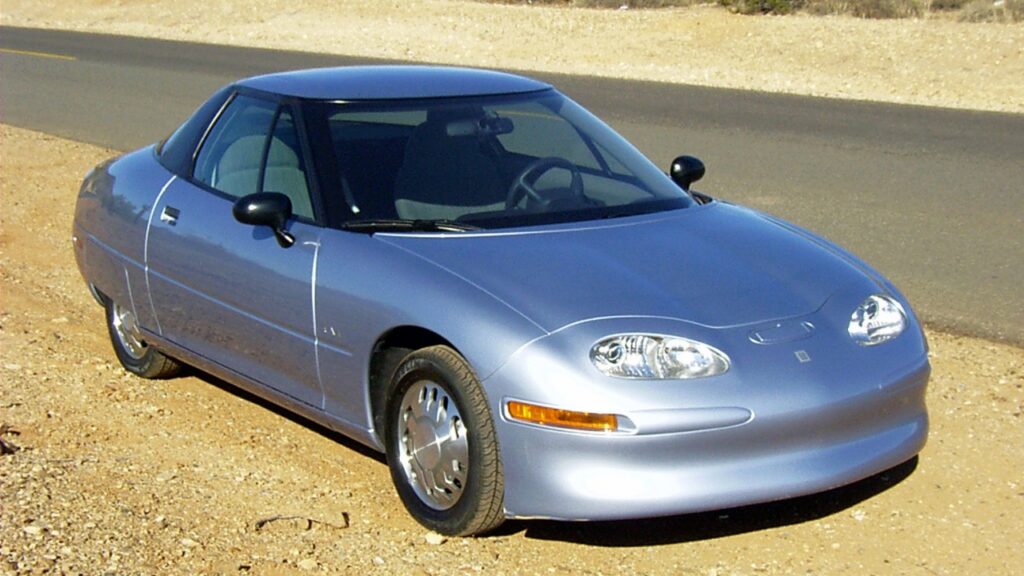
The GM EV1 demonstrated that a purpose-built electric car could offer smooth performance, aerodynamic efficiency, and advanced battery technology years before EVs entered the mainstream. Although short-lived, it foreshadowed the future of electric transportation.
Citroën DS
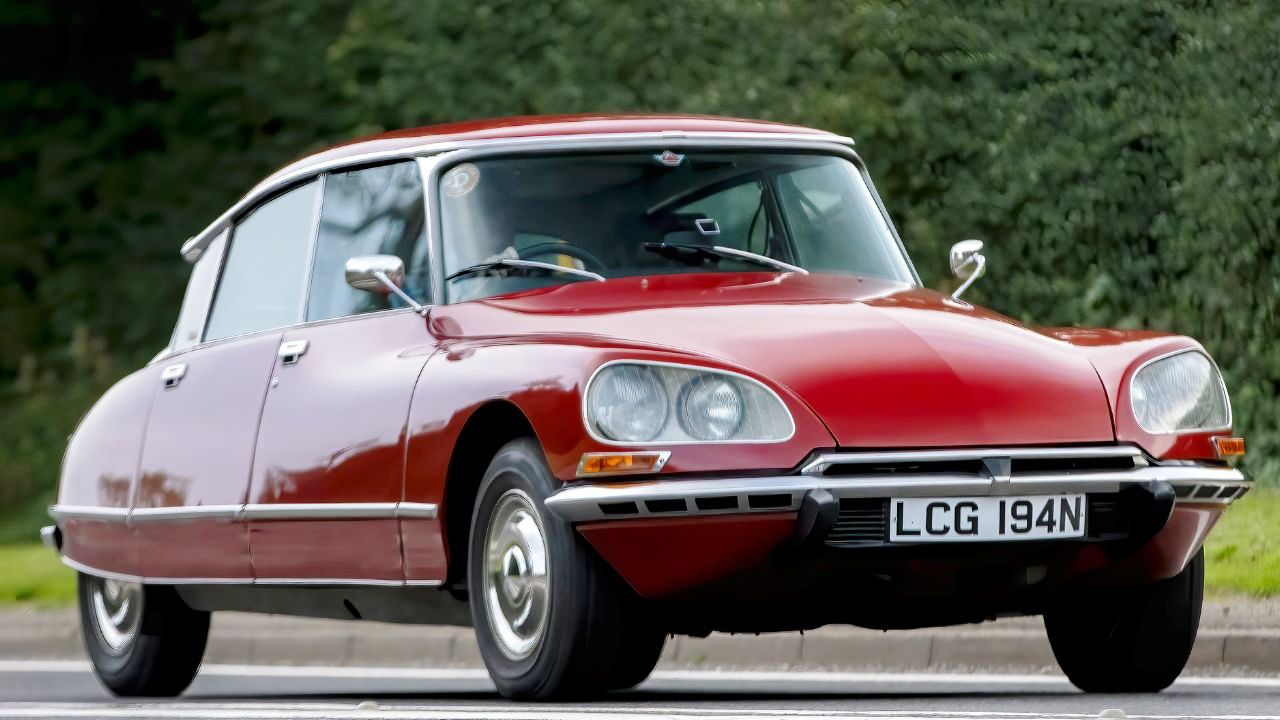
The Citroën DS introduced hydropneumatic suspension, power-assisted controls, and aerodynamic styling that felt decades ahead of its contemporaries. Its groundbreaking engineering permanently influenced automotive design and ride comfort.
Tucker 48
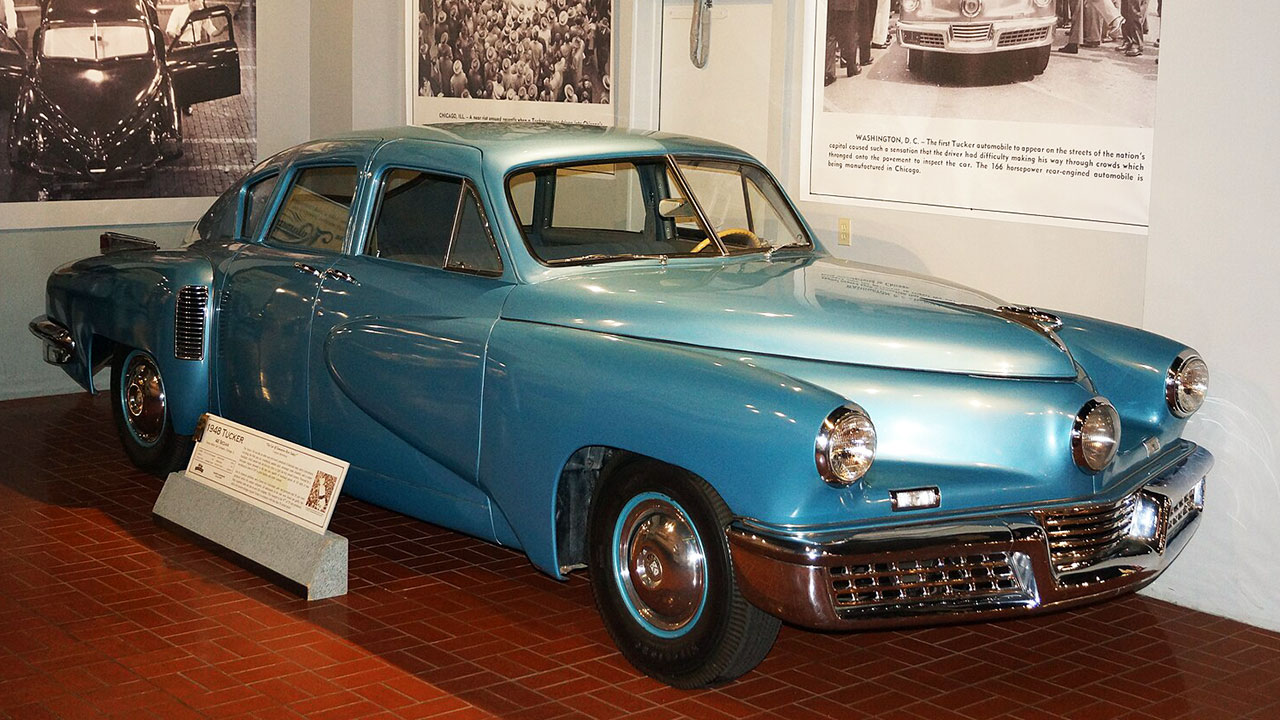
The Tucker 48 showcased innovations such as a center-mounted steering headlight, a reinforced passenger safety cell, and advanced crash protection. Many of its concepts later became standard features throughout the automotive industry.
Audi Duo

The Audi Duo experimented with hybrid-electric technology long before hybrid vehicles became commercially successful. Its combination of electric assistance and conventional power previewed the direction many manufacturers would eventually take.
Chrysler Turbine Car
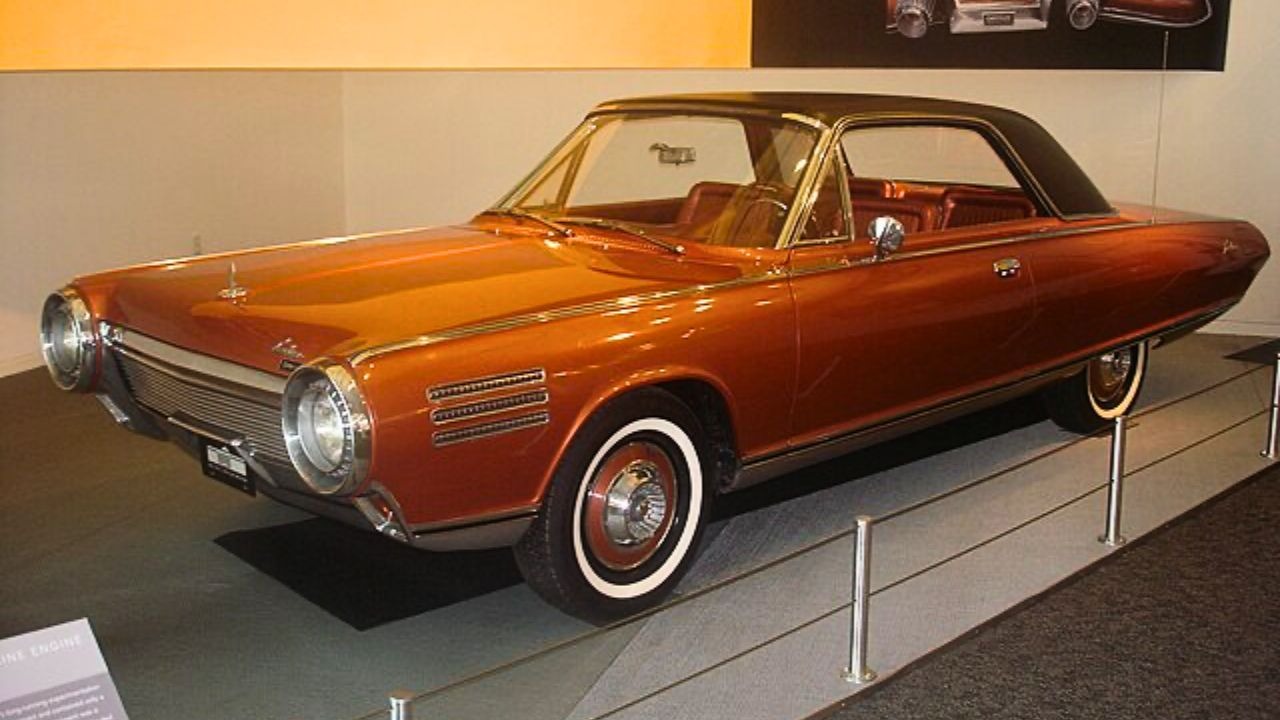
The Chrysler Turbine Car explored gas turbine propulsion capable of running on multiple fuel types. Although production never continued, it demonstrated remarkable engineering ambition during the 1960s.
Lancia Lambda
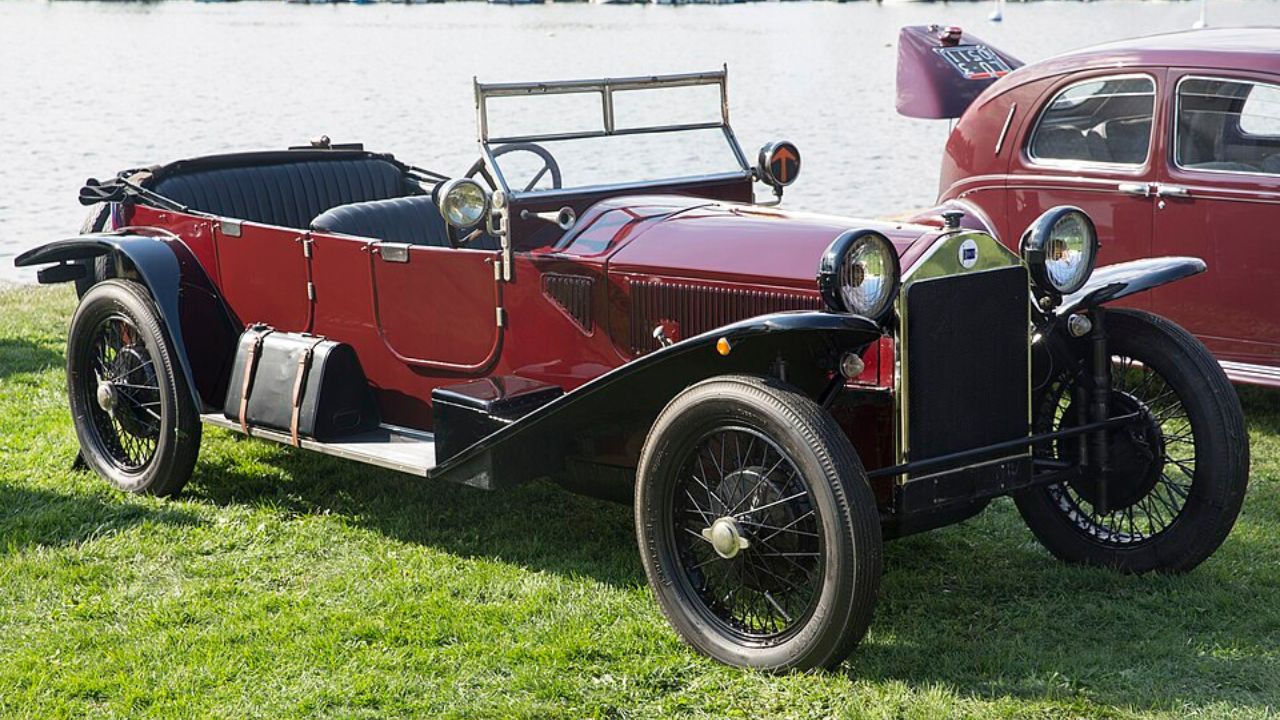
The Lancia Lambda pioneered unit-body construction and independent front suspension at a time when body-on-frame designs dominated the industry. Its engineering innovations became standard practice decades later.
Mercedes-Benz F 100 Concept
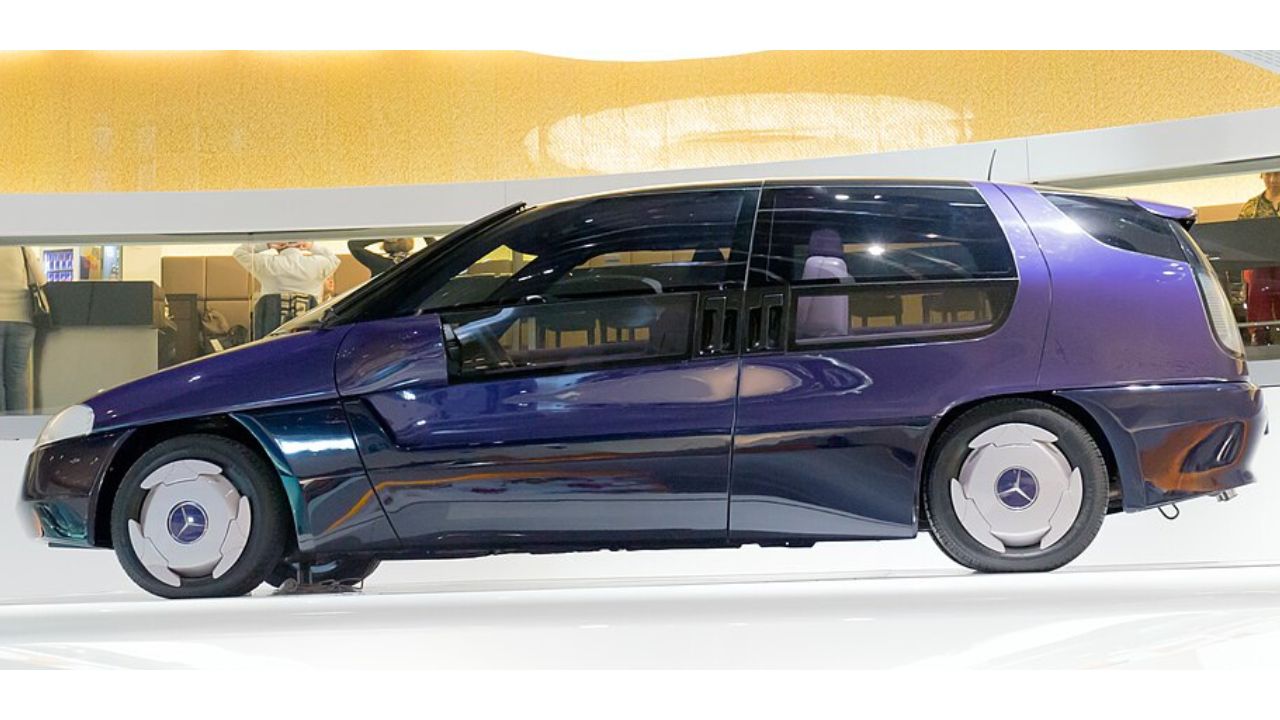
The Mercedes-Benz F 100 introduced technologies such as adaptive cruise control, collision warning systems, and keyless entry years before they became common production features. It accurately predicted the future of automotive safety and convenience.
Oldsmobile Toronado (1966)
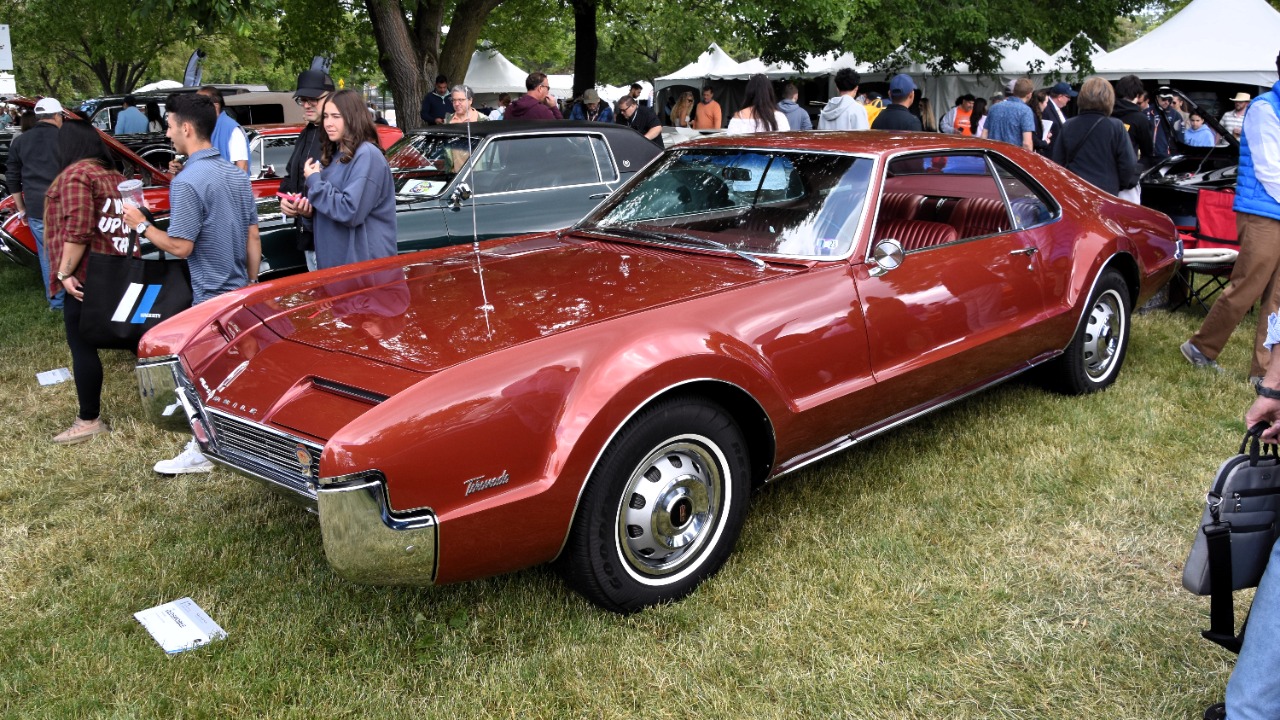
The 1966 Oldsmobile Toronado proved that front-wheel drive could successfully power a large American luxury coupe. Its advanced drivetrain packaging influenced future front-wheel-drive vehicle development.
Toyota Prius (First Generation)

The original Toyota Prius brought hybrid technology to everyday drivers with remarkable fuel efficiency and dependable engineering. Initially viewed as unconventional, it helped establish hybrid vehicles as a practical mainstream option.
NSU Ro 80
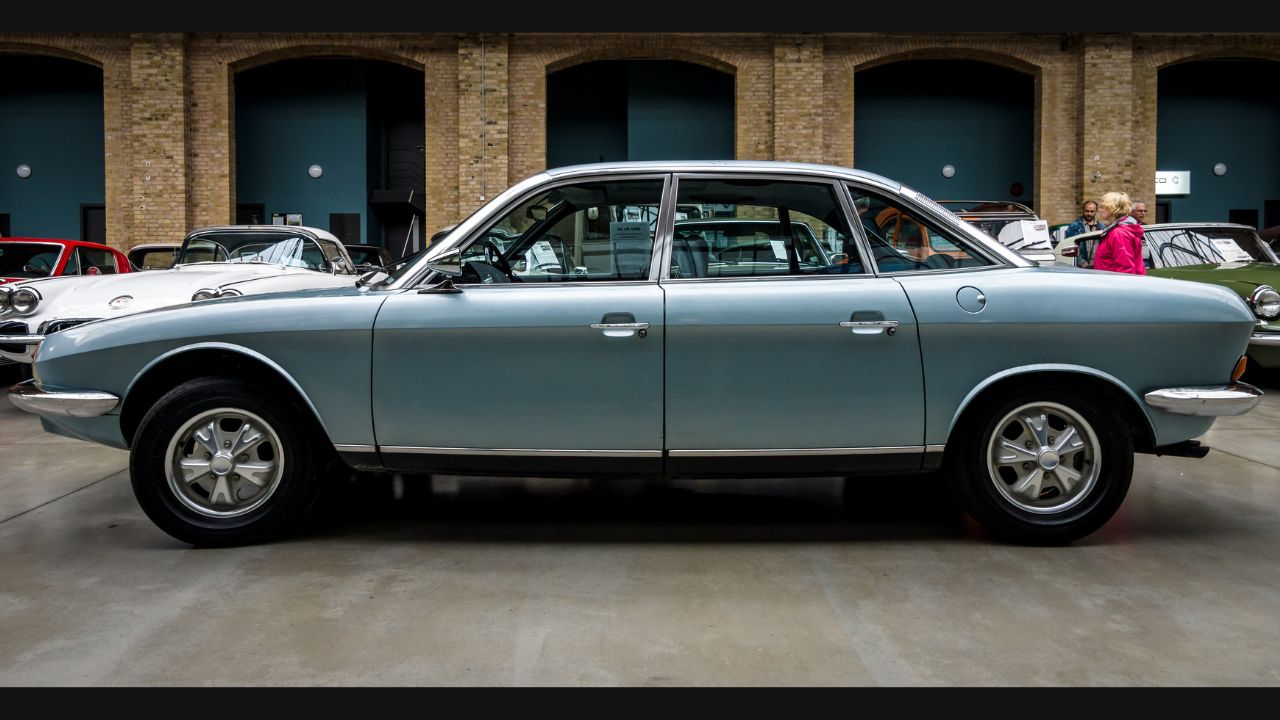
The NSU Ro 80 paired futuristic styling with a Wankel rotary engine, front-wheel drive, and advanced aerodynamics. Although reliability limited its commercial success, its innovative design influenced automotive engineering for years afterward.
More from Fast Lane Only
- Unboxing the WWII Jeep in a Crate
- 15 rare Chevys collectors are quietly buying
- 10 underrated V8s still worth hunting down
- Police notice this before you even roll window down
*Research for this article included AI assistance, with all final content reviewed by human editors