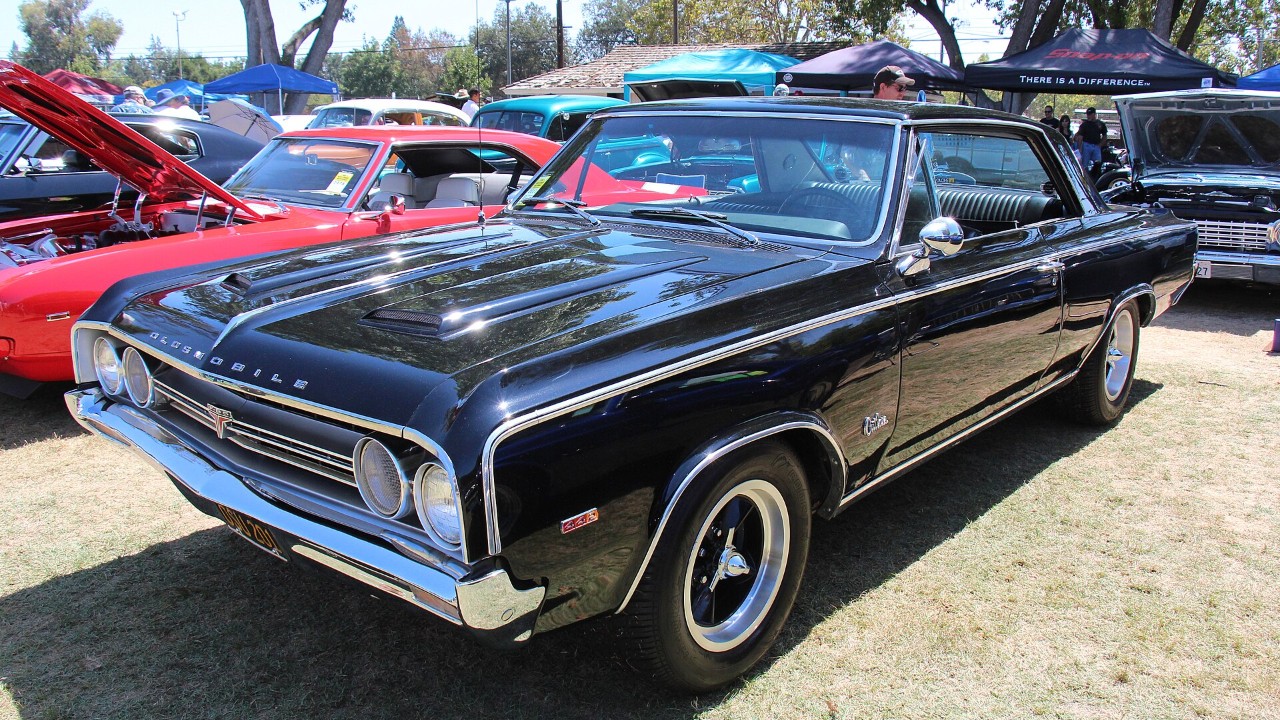
Some of the automotive world’s greatest achievements came remarkably close to never existing. Financial uncertainty, corporate hesitation, engineering challenges, and changing market conditions nearly prevented these vehicles from reaching production. Fortunately, they survived those obstacles and went on to become some of the most influential and beloved automobiles ever built.
Jeep CJ-2A
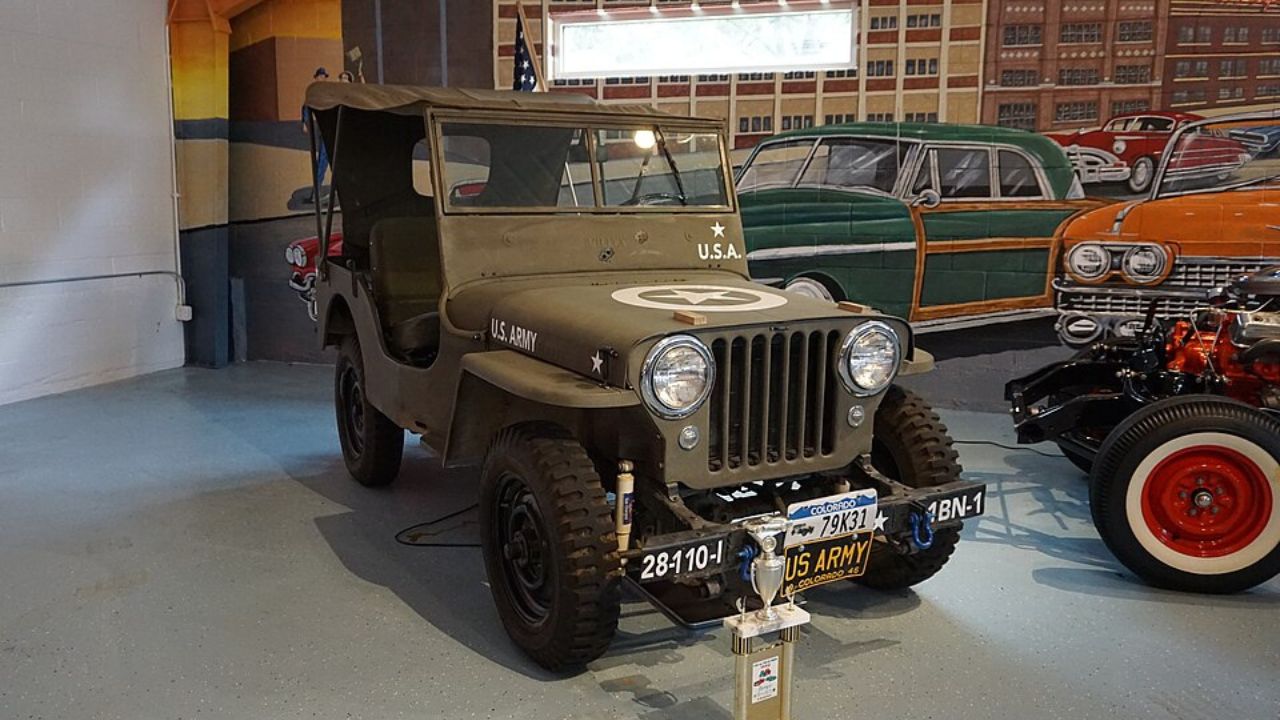
The Jeep CJ-2A almost remained a military-only concept after World War II, but civilian demand encouraged Willys to adapt the rugged vehicle for farms and businesses. Its versatility helped launch the civilian off-road market. The CJ-2A became the foundation for generations of Jeep vehicles that followed.
Chevrolet Camaro
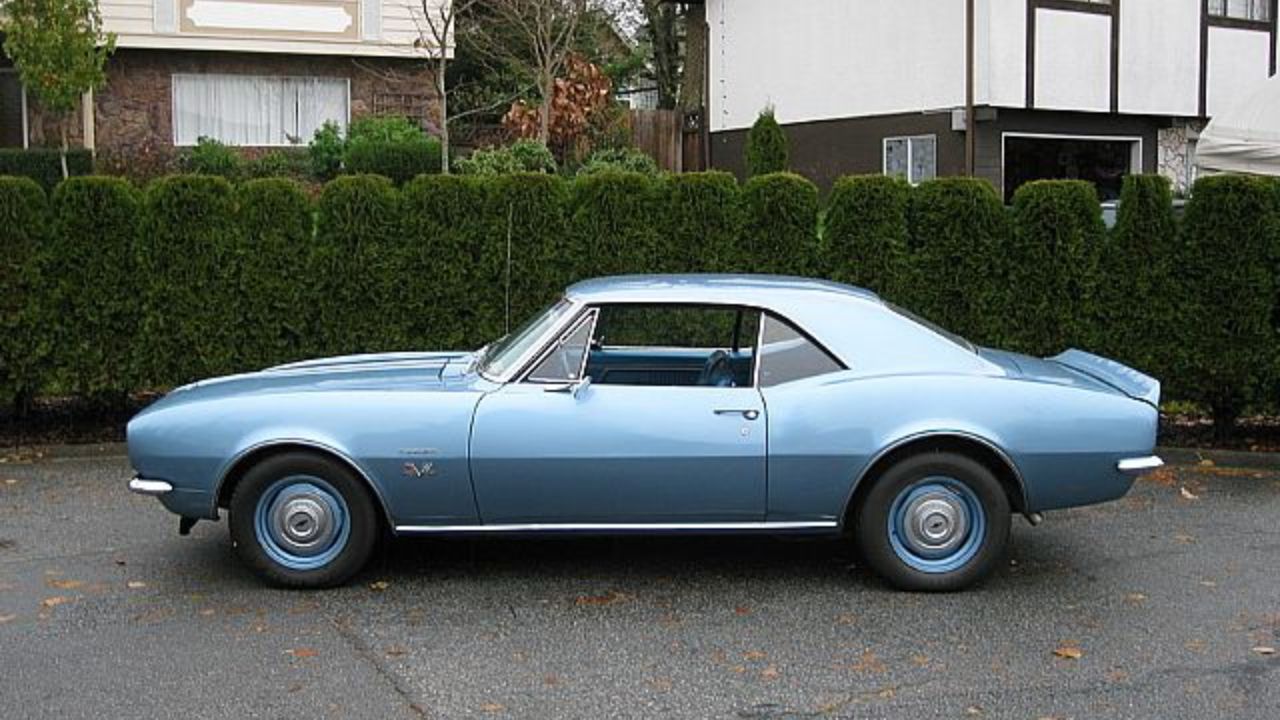
The Chevrolet Camaro was developed rapidly after the overwhelming success of the Ford Mustang. Had General Motors delayed its response, the pony car market could have looked very different. Instead, the Camaro became one of America’s most recognizable performance cars and a lasting rival to the Mustang.
Mazda MX-5 Miata
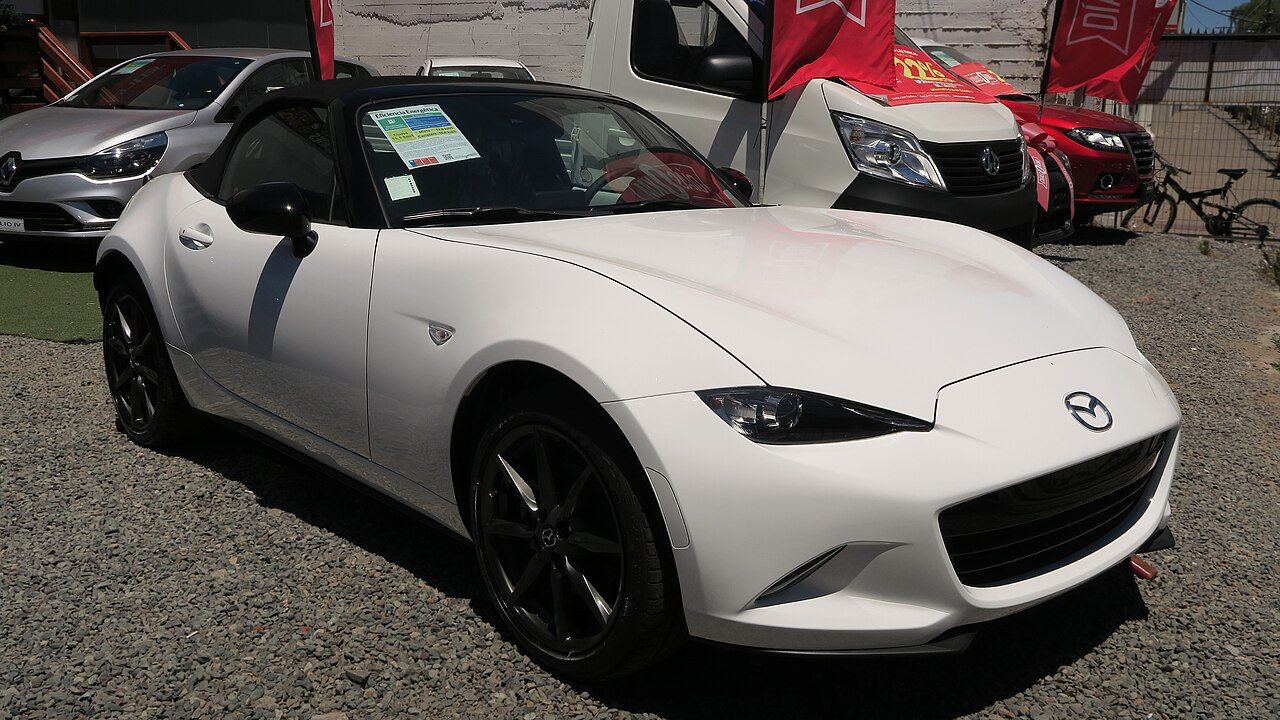
The Mazda MX-5 Miata arrived at a time when affordable roadsters had nearly disappeared from the market. Many questioned whether buyers still wanted lightweight, open-top sports cars. Its enormous success revived the classic roadster formula and inspired manufacturers around the world.
Dodge Viper
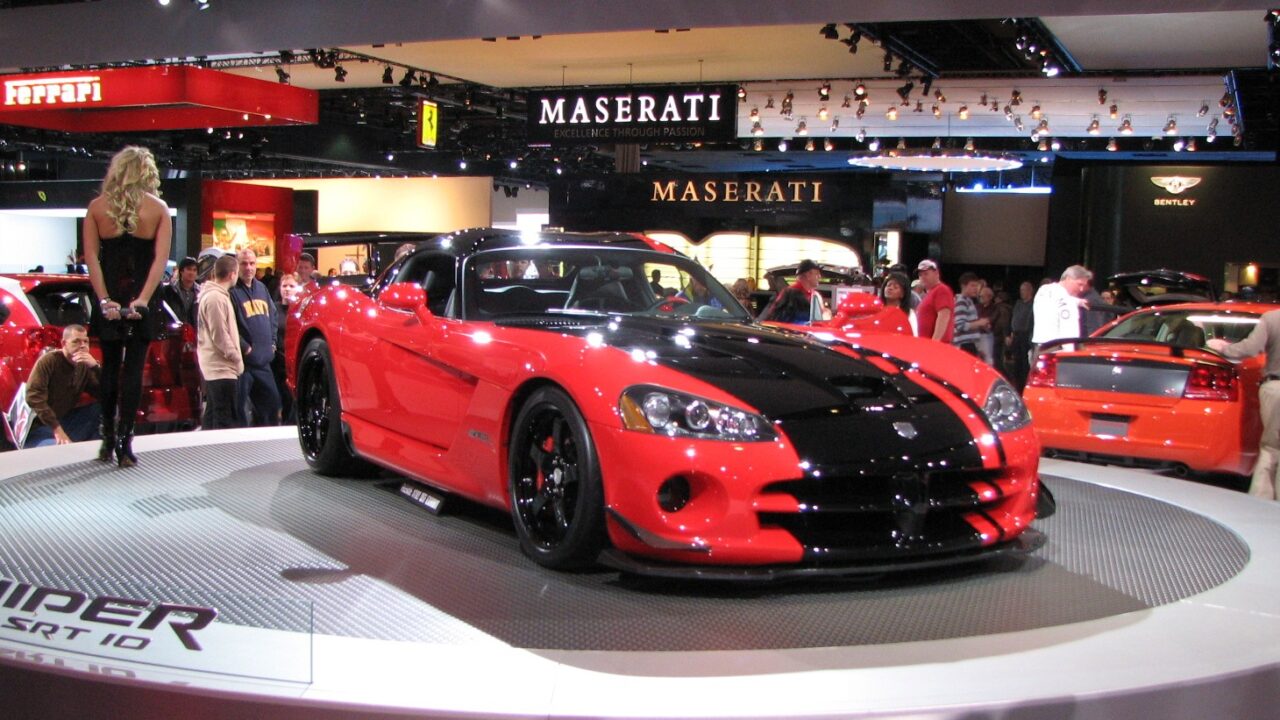
The Dodge Viper began as a bold concept that nearly remained a show car. Strong public enthusiasm convinced Chrysler to move forward with production, resulting in one of the rawest American sports cars ever built. The Viper quickly became an icon of unapologetic performance.
BMW M5

The original BMW M5 was created in relatively small numbers for enthusiasts seeking both luxury and high performance. It exceeded expectations and established the high-performance sports sedan segment. Every modern super sedan owes something to the success of the pioneering M5.
Toyota Supra A80
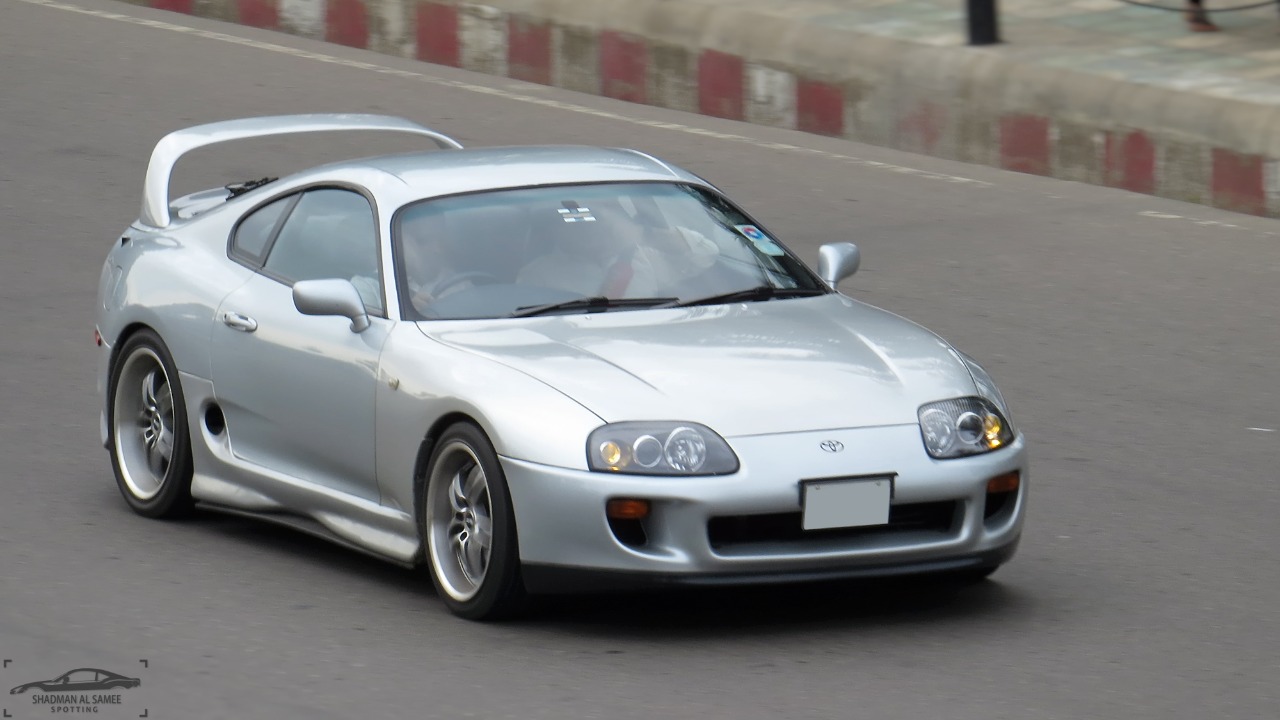
The fourth-generation Toyota Supra entered production during a challenging period for high-performance sports cars. Limited sales initially suggested its time was short, yet its exceptional engineering later earned worldwide recognition. Today, it stands among the most collectible Japanese performance cars ever produced.
Audi Quattro
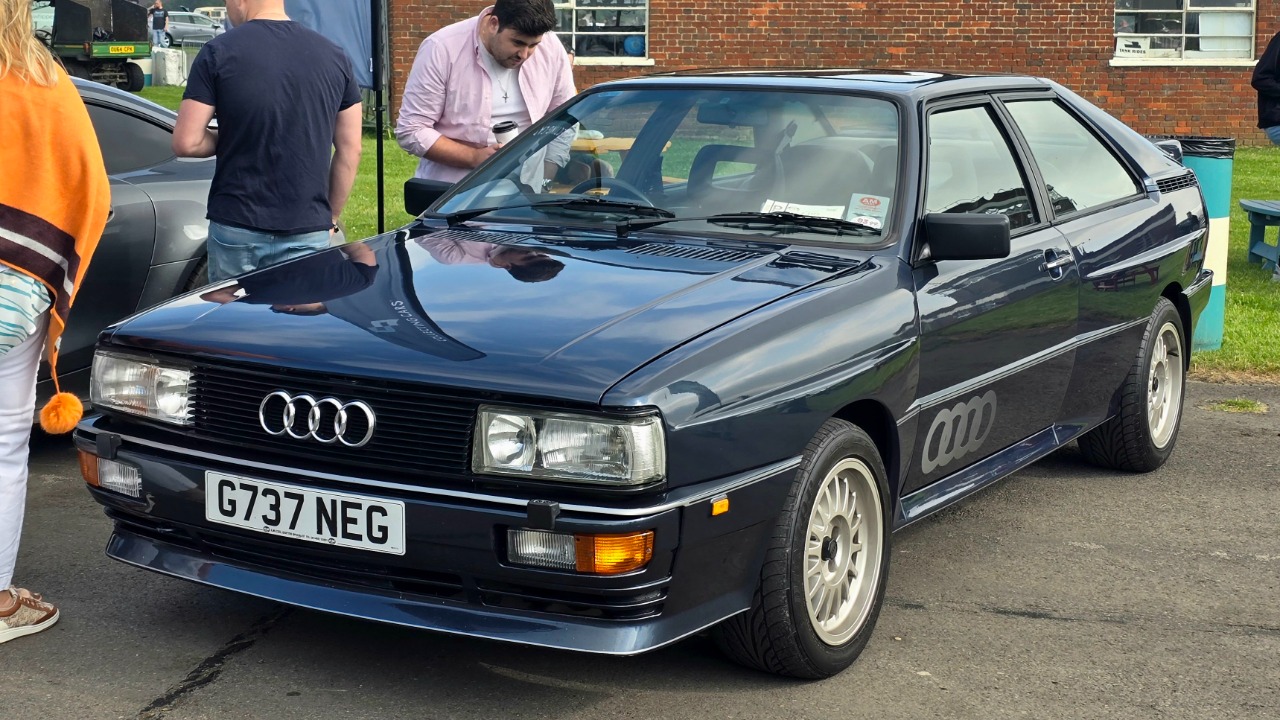
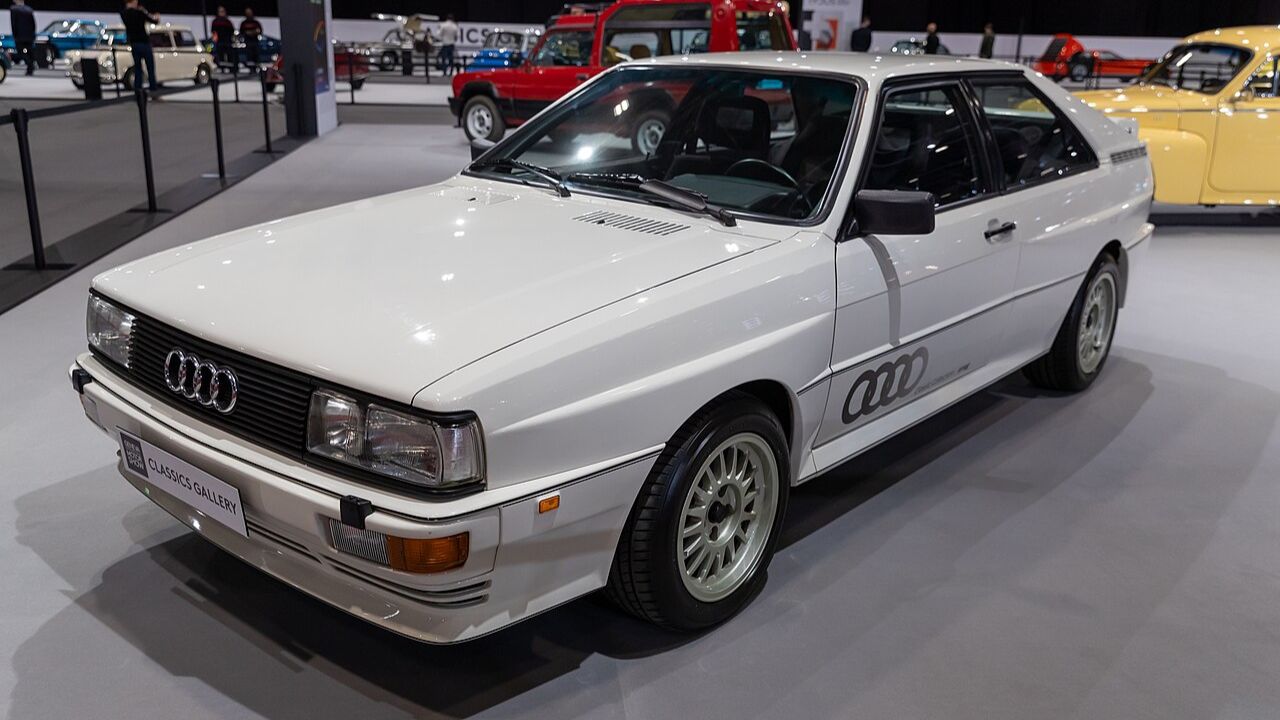
The Audi Quattro introduced permanent all-wheel drive to high-performance road cars despite widespread skepticism. Its immediate success in international rally competition transformed opinions about drivetrain technology. The Quattro permanently changed both motorsport and production car engineering.
Saturn S-Series
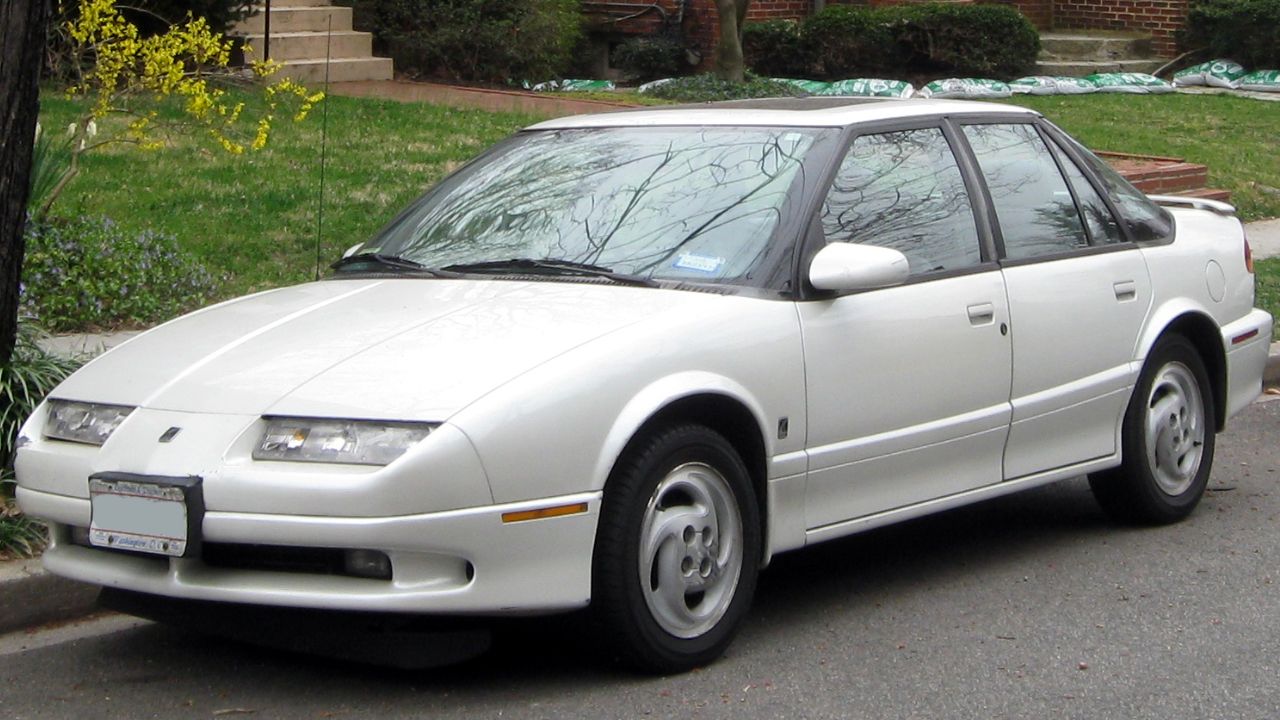
The Saturn S-Series represented General Motors’ ambitious attempt to compete with imported compact cars through innovative manufacturing and customer-focused sales practices. Although the Saturn brand eventually disappeared, the S-Series proved highly successful and earned a loyal owner base that still appreciates its reliability.
Tesla Roadster
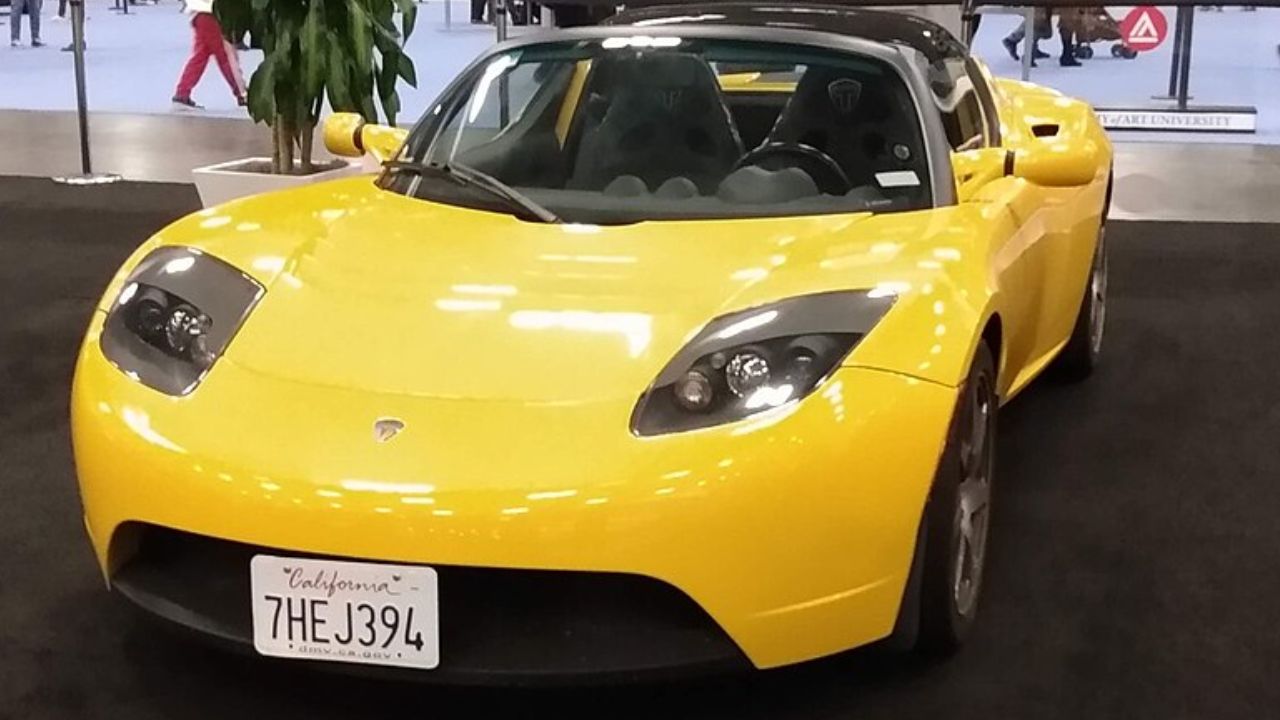
The Tesla Roadster faced enormous technical and financial challenges before reaching production. Its successful launch demonstrated that electric cars could be fast, desirable, and practical for everyday driving. The Roadster fundamentally changed public perception of battery-powered vehicles.
Ford GT
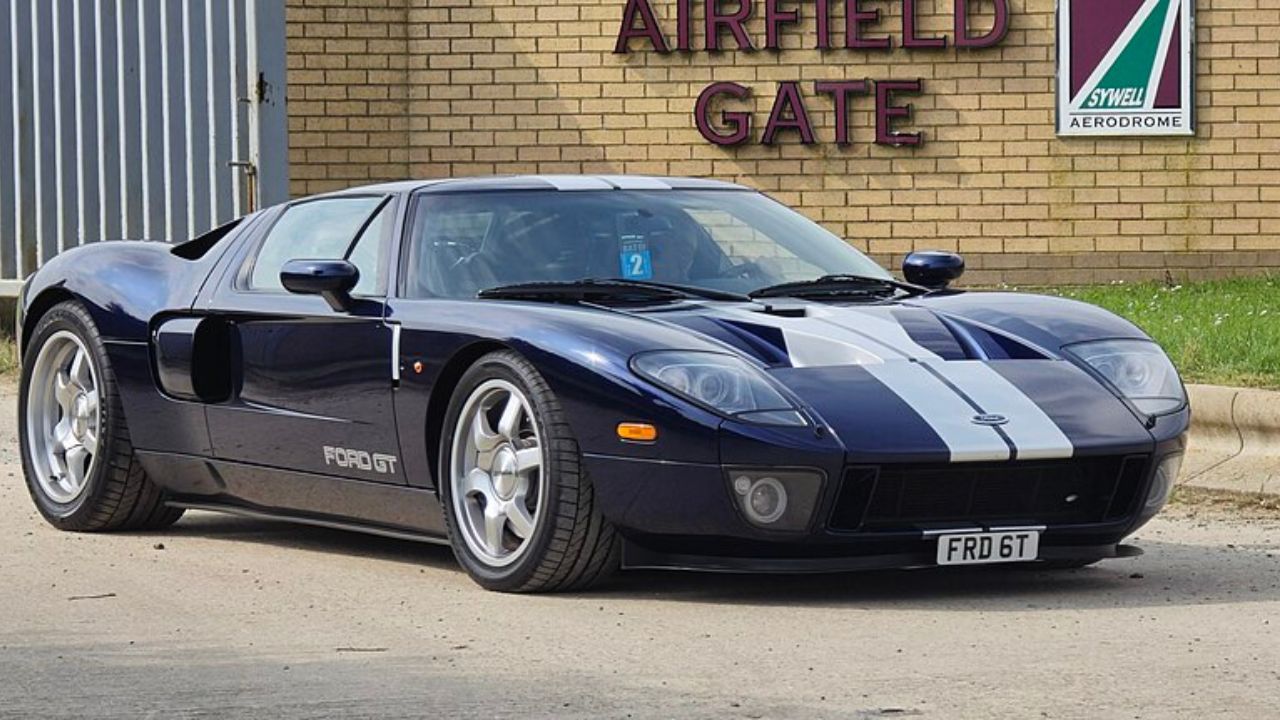
The modern Ford GT began as a concept celebrating Ford’s centennial, with no guarantee of production. Enthusiastic public response convinced the company to build it, creating a supercar that honored the legendary GT40. Its success reinforced Ford’s performance heritage and inspired a new generation of enthusiasts.
More from Fast Lane Only
- Unboxing the WWII Jeep in a Crate
- 15 rare Chevys collectors are quietly buying
- 10 underrated V8s still worth hunting down
- Police notice this before you even roll window down
*Research for this article included AI assistance, with all final content reviewed by human editors