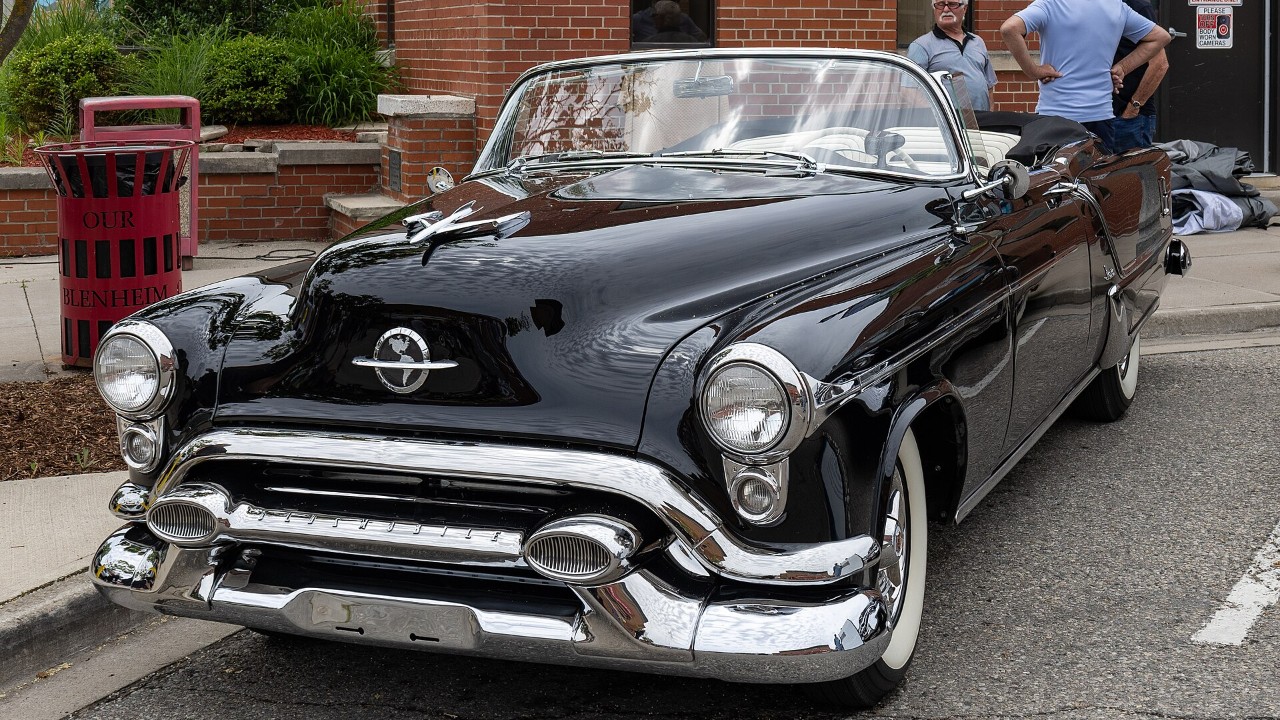
Many cars that are now considered highly collectible started their journeys as disappointments, failing to meet sales expectations or receiving negative reviews. This paradox raises intriguing questions about the factors that transform a lackluster vehicle into a coveted classic.
Historical Context of Disappointing Cars
The automotive industry underwent significant transformation during the mid-20th century, a period marked by rapid technological advancements and fierce competition among manufacturers. Companies were under immense pressure to innovate, often resulting in ambitious designs that didn’t resonate with consumers. For example, the Ford Mustang, introduced in 1964, was initially a gamble for Ford. Although it eventually became an icon of American muscle, it was initially criticized for its build quality and lack of performance compared to its rivals. Similarly, the Porsche 911, launched in 1964, faced skepticism regarding its unconventional style and rear-engine layout. Critics questioned whether it could truly compete with established sports cars of the era.
The market dynamics of the time played a crucial role in shaping consumer expectations. With the rise of youth culture and a burgeoning middle class, automakers were eager to tap into the desire for speed and style. However, many models that were marketed as the next big thing failed to deliver on their promises, leading to disappointing sales figures. The disconnect between consumer expectations and reality often led to poor initial receptions for cars that today command high prices at auctions.
Factors Leading to Initial Disappointment
Several factors contributed to the early disappointments of once-promising models. Design flaws and technical issues were prevalent, often undermining the reputation of new cars before they even had a chance to prove themselves. For instance, the early Ford Mustang suffered from engine problems that led to reliability issues, while the Porsche 911 encountered concerns regarding its handling and safety features. These technical shortcomings were frequently highlighted in reviews and media coverage, which played a significant role in shaping public perception.
Market miscalculations also contributed to these disappointments. In many cases, automakers failed to fully understand consumer desires or the economic conditions influencing car purchases. The oil crisis of the 1970s, for instance, shifted consumer priorities towards fuel efficiency, leaving many gas-guzzling muscle cars in the dust. Such drastic changes in the market landscape often left manufacturers scrambling to adapt, leading to models that were out of step with what buyers wanted. The critical reviews from automotive journalists, who wielded substantial influence over public opinion, further compounded these issues. A negative review could spell disaster for a car model, cementing its status as a disappointment in the eyes of potential buyers.
Transformative Features that Enhanced Collectibility
Despite their rocky starts, some cars have experienced a renaissance of interest thanks to unique features and qualities that became appreciated over time. For example, the design elements of the Porsche 911, once deemed unconventional, are now celebrated as iconic. The car’s distinctive silhouette and engineering innovations have contributed to its status as a beloved classic. Likewise, the Ford Mustang’s design, which initially faced criticism for being overly simplistic, has become a symbol of American automotive culture, celebrated for its muscular stance and aggressive styling.
Nostalgia also plays a significant role in shifting perceptions of these vehicles. As time passes, the emotional connections that enthusiasts form with certain cars often grow stronger. What was once viewed as a disappointment can become a cherished memory, leading to a resurgence in desirability. Limited production runs or special editions, such as the Mustang Boss 302 or the Porsche 911 Turbo, also contribute to the collectibility of these models. The rarity of these cars enhances their appeal, making them highly sought after by collectors who appreciate their historical significance and unique attributes.
The Role of Enthusiast Communities and Restorations
Enthusiast communities have played a vital role in reviving interest in previously disregarded models. Car clubs and online forums provide platforms for fans to share their passion, knowledge, and experiences. These communities often celebrate the quirks and characteristics of cars that may not have initially found favor with the broader public. For example, the DeLorean DMC-12, which struggled commercially during its production in the early 1980s, has gained a dedicated following thanks in part to its role in popular culture, notably in the “Back to the Future” films. This resurgence highlights how passionate fans can change the narrative surrounding a car.
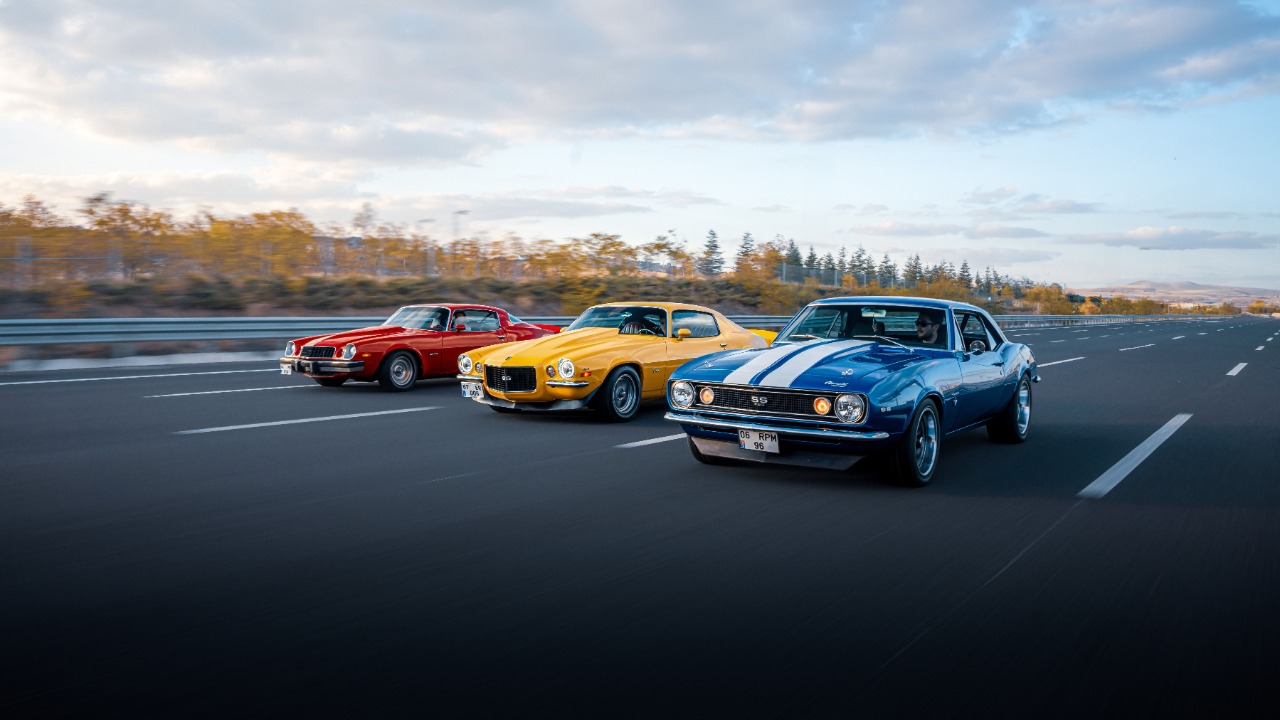
The impact of restoration culture cannot be overstated. Skilled restorers have the ability to breathe new life into cars that were once considered less desirable. A well-executed restoration can elevate a car’s status, transforming it from a disappointment into a prized collectible. The restoration of a 1969 Chevrolet Camaro, for instance, can significantly increase its value, especially if it features original parts and meticulous attention to detail. These transformations often catch the eye of collectors, who may be willing to pay a premium for a car with a compelling backstory and a stunning makeover.
Market Trends and Investment Potential
The landscape of car collecting is ever-changing, influenced by shifting trends and consumer preferences. Cars that were once overlooked may suddenly find themselves in demand due to evolving tastes or new market dynamics. For instance, the increasing popularity of electric vehicles has prompted collectors to reassess the value of certain hybrids and electrics from the past, such as the Toyota Prius. An early model of the Prius, which was initially met with skepticism, is now recognized for its groundbreaking role in the hybrid movement.
Understanding the financial implications of collecting cars that were once seen as failures is crucial. As certain models appreciate in value, savvy collectors may find themselves with a profitable investment. The value of cars can fluctuate dramatically based on trends, making it essential for collectors to stay informed about the market. Predictions suggest that current underperformers, like the Nissan 300ZX or the Ford Thunderbird, may see a resurgence in interest as nostalgia and vintage aesthetics drive demand in the coming years. The key is to recognize potential before it becomes widely acknowledged.
Lessons from the Collectible Car Phenomenon
The journey of cars from disappointment to desirability offers valuable insights into consumer behavior and the unpredictable nature of collectibility. It serves as a reminder that initial impressions can be misleading, and the true value of a vehicle may take years to emerge. Patience is crucial in the world of collecting; trends can shift, and cars that once seemed unworthy of attention may become highly coveted. This dynamic reflects broader trends in the automotive industry, where innovation and changing consumer preferences continuously reshape the market landscape.
Ultimately, the phenomenon of collectible cars that started as disappointments illustrates the importance of perspective. As collectors and enthusiasts, we must remain open-minded and recognize that a car’s worth may not be immediately apparent. Just as the Ford Mustang and Porsche 911 evolved into symbols of automotive excellence, so too can the cars that currently languish in the shadows find their place in the spotlight. The stories behind these vehicles remind us that every disappointment can hold the potential for greatness, waiting for the right moment to shine.
More from Fast Lane Only
- Unboxing the WWII Jeep in a Crate
- 15 rare Chevys collectors are quietly buying
- 10 underrated V8s still worth hunting down
- Police notice this before you even roll window down
*Research for this article included AI assistance, with all final content reviewed by human editors.