Factory sleeper cars, often overlooked in the automotive world, have a fascinating history rooted in performance and stealth. These unassuming vehicles have surprised many with their hidden power and engineering prowess, making them a beloved niche among car enthusiasts.
THE ORIGINS OF SLEEPER CARS
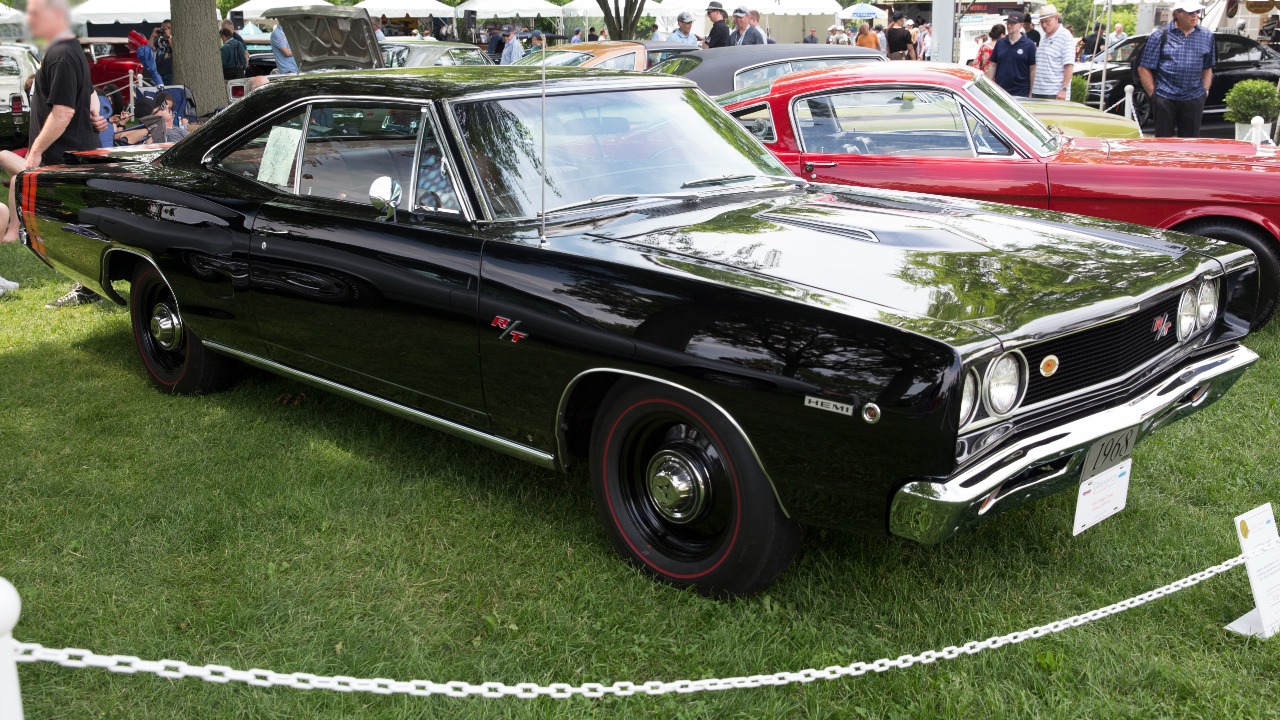
The concept of the sleeper car refers to vehicles that appear to be standard or even mundane but are equipped with powerful engines and high-performance features. The term gained traction during the muscle car era of the 1960s and 1970s, a time when manufacturers like Ford and Chevrolet were pushing the boundaries of automotive design and performance. Early examples of sleeper cars include the Dodge Coronet with its HEMI engine, which could easily blend into suburban settings while delivering impressive speed on the drag strip.
This period marked a significant cultural shift in car ownership, as drivers sought not just transportation but thrilling experiences. The thrill of surprising a rival at a stoplight or overtaking a sports car in the fast lane transformed these vehicles into symbols of rebellion and performance. As the automotive landscape evolved, the sleeper car concept remained appealing, appealing to those who appreciated the thrill of performance hidden behind an unassuming exterior.
ICONIC FACTORY SLEEPERS THROUGH THE DECADES
Among the most iconic factory sleepers is the Dodge Coronet, particularly the 1968 model equipped with a 426 HEMI engine. This four-door sedan, which typically blended into everyday traffic, became a formidable competitor on the drag strip, showcasing the power of Chrysler’s engineering. The Coronet’s success helped solidify its place in automotive history as a quintessential sleeper car.
Another notable example is the Ford Thunderbird SVE, produced in the early 1990s. This rare model featured a supercharged V8 engine that belied its elegant exterior, allowing it to compete with more prominent performance vehicles of its time. Only a limited number were made, making it a sought-after collector’s item among enthusiasts today. Additionally, cars like the Pontiac G8 and the Chevrolet SS further exemplify the sleeper car trend, offering impressive power while maintaining a subdued appearance.
TECHNOLOGY AND ENGINEERING BEHIND SLEEPER CARS
The engineering innovations that contribute to the performance of sleeper cars are often hidden beneath their unassuming exteriors. Features such as turbocharged engines, advanced suspension systems, and high-performance brakes enable these vehicles to deliver exhilarating speed and handling. Manufacturers invest significant resources into research and development to ensure that these cars can compete with more overtly sporty models.
Design choices play a critical role in the sleeper car concept. The goal is to create a vehicle that looks ordinary but houses extraordinary capabilities. For instance, the subtle body lines and understated paint options of many sleeper cars allow them to remain under the radar. This aesthetic choice is intentional, as it enhances the element of surprise when their true performance is revealed. Moreover, advancements in aerodynamics and lightweight materials have further enhanced the capabilities of these vehicles, allowing them to achieve remarkable performance without drawing much attention.
THE CULTURE OF SLEEPER CAR ENTHUSIASTS
The sleeper car community is vibrant and diverse, with enthusiasts connecting through online forums, car shows, and local racing events. These gatherings often serve as a platform for sharing knowledge, experiences, and modifications. Enthusiasts take pride in their vehicles, often customizing them to reflect personal tastes while retaining the sleeper essence. Popular modifications include upgraded exhaust systems, performance chips, and enhanced suspension setups, which can significantly improve the driving experience without compromising the car’s stealthy appearance.
The racing scene, particularly street racing and organized events, has embraced sleeper cars due to their unique combination of stealth and performance. Many drivers find joy in competing against more recognizable performance cars, relishing the element of surprise when their sleeper outpaces the competition. This culture fosters a sense of camaraderie among enthusiasts as they share tips and tricks to optimize their vehicles for performance and reliability.
THE FUTURE OF FACTORY SLEEPERS
The future of factory sleepers is poised for change as the automotive industry evolves. Emerging trends in electric and hybrid technology could significantly influence the next generation of sleeper cars. Manufacturers are beginning to explore electric powertrains that offer instant torque and impressive acceleration, traits that align well with the sleeper car philosophy. The potential for high-performance electric sleepers could redefine expectations for stealthy performance vehicles.
However, the impact of environmental regulations cannot be overlooked. Stricter emissions standards and performance regulations may challenge manufacturers to balance power and environmental responsibility. As a result, we may witness a shift towards more efficient powertrains while still delivering the thrilling performance that defines sleeper cars. Predictions suggest that brands like Ford and Chevrolet, known for their muscle car heritage, may explore reviving sleeper car concepts in their future lineups, potentially combining classic elements with modern technology.
More from Fast Lane Only
- Unboxing the WWII Jeep in a Crate
- 15 rare Chevys collectors are quietly buying
- 10 underrated V8s still worth hunting down
- Police notice this before you even roll window down
*Research for this article included AI assistance, with all final content reviewed by human editors.