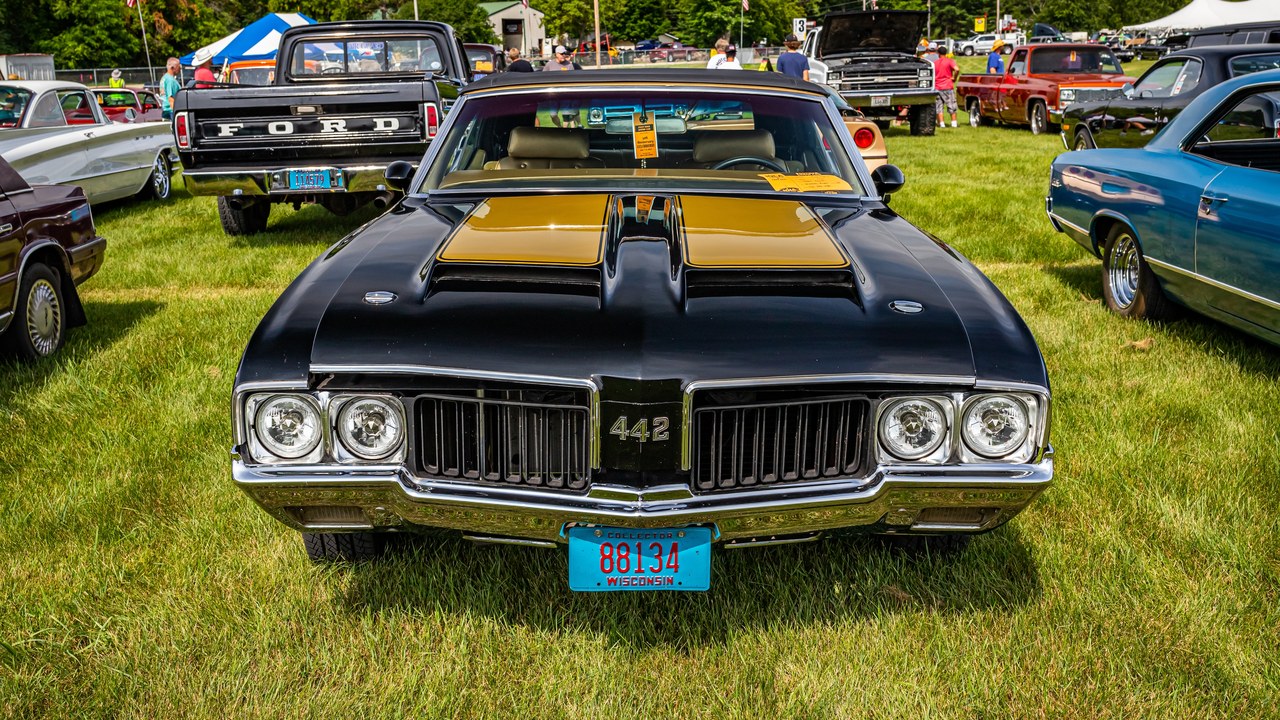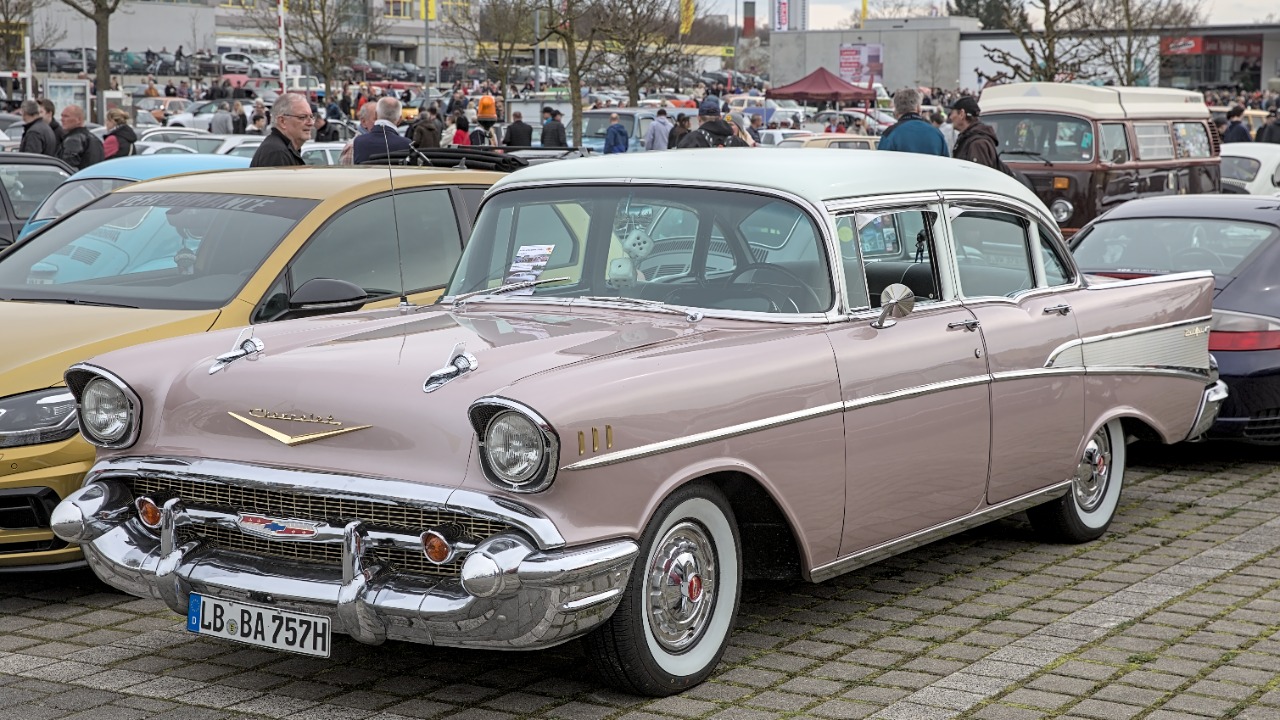
The Chevrolet Bel Air became one of the clearest symbols of 1950s America, reflecting a period of growing prosperity, bold design, and renewed confidence. Across several generations, Chevrolet transformed the Bel Air with larger engines, dramatic chrome, stylish interiors, and unforgettable body shapes. These ten versions capture why the nameplate became such an enduring cultural icon.
Chevrolet Bel Air 1950
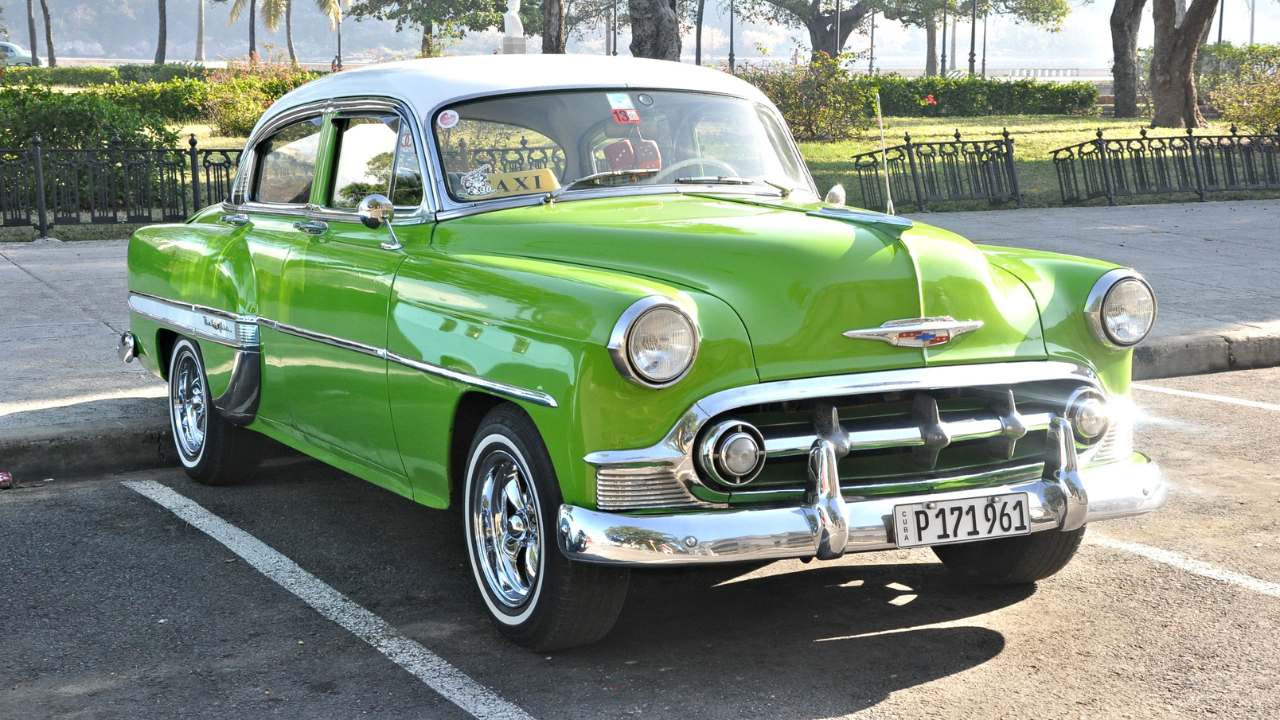
The Chevrolet Bel Air first appeared as a new two-door hardtop body style for 1950, giving buyers the appearance of a convertible without the inconvenience of a fabric roof. Its clean proportions and pillarless design reflected Chevrolet’s effort to make everyday transportation feel more stylish. The early Bel Air established the foundation for a nameplate that would soon become closely associated with American optimism, affordability, and rapidly changing automotive fashion.
Chevrolet Bel Air 1953
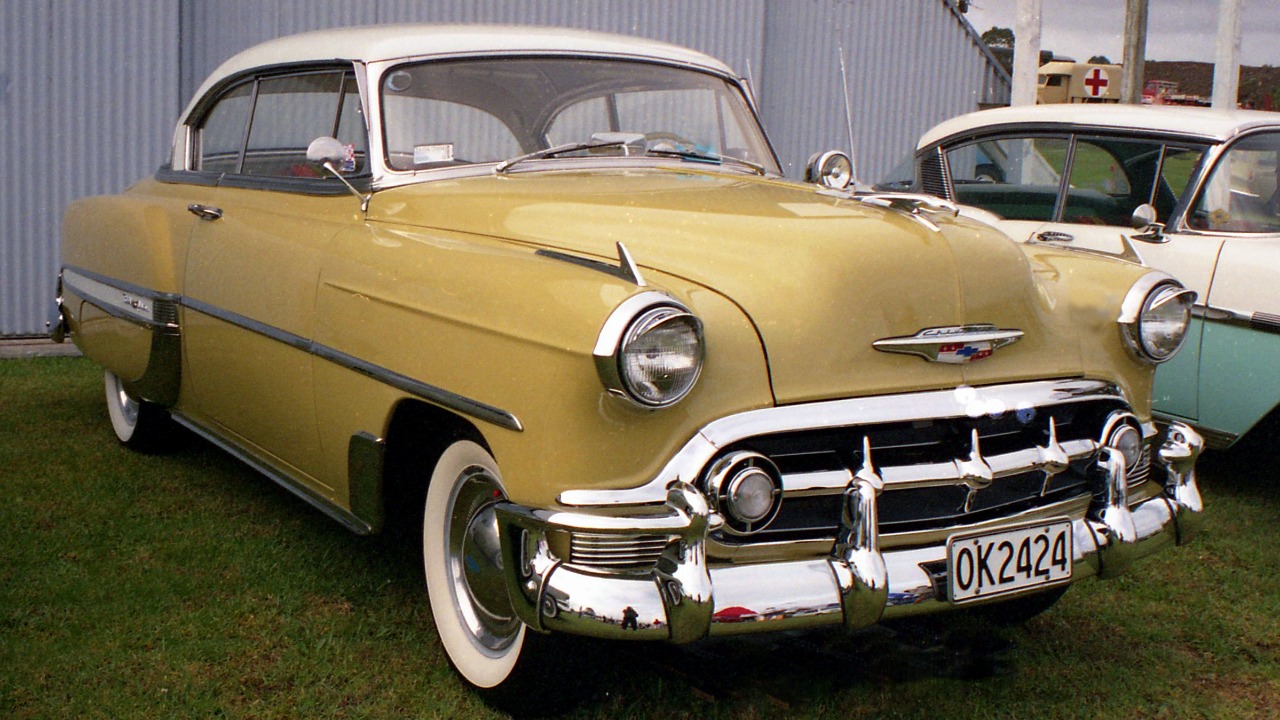
The 1953 Chevrolet Bel Air introduced a smoother and more modern appearance as Chevrolet moved further away from its immediate postwar styling. Rounded bodywork, a wider grille, and improved interior appointments gave the car a more sophisticated personality. The Bel Air was becoming more than simply an attractive Chevrolet body style; it was developing into a recognizable symbol of middle-class prosperity and the growing desire for automobiles that expressed personal taste.
Chevrolet Bel Air 1955
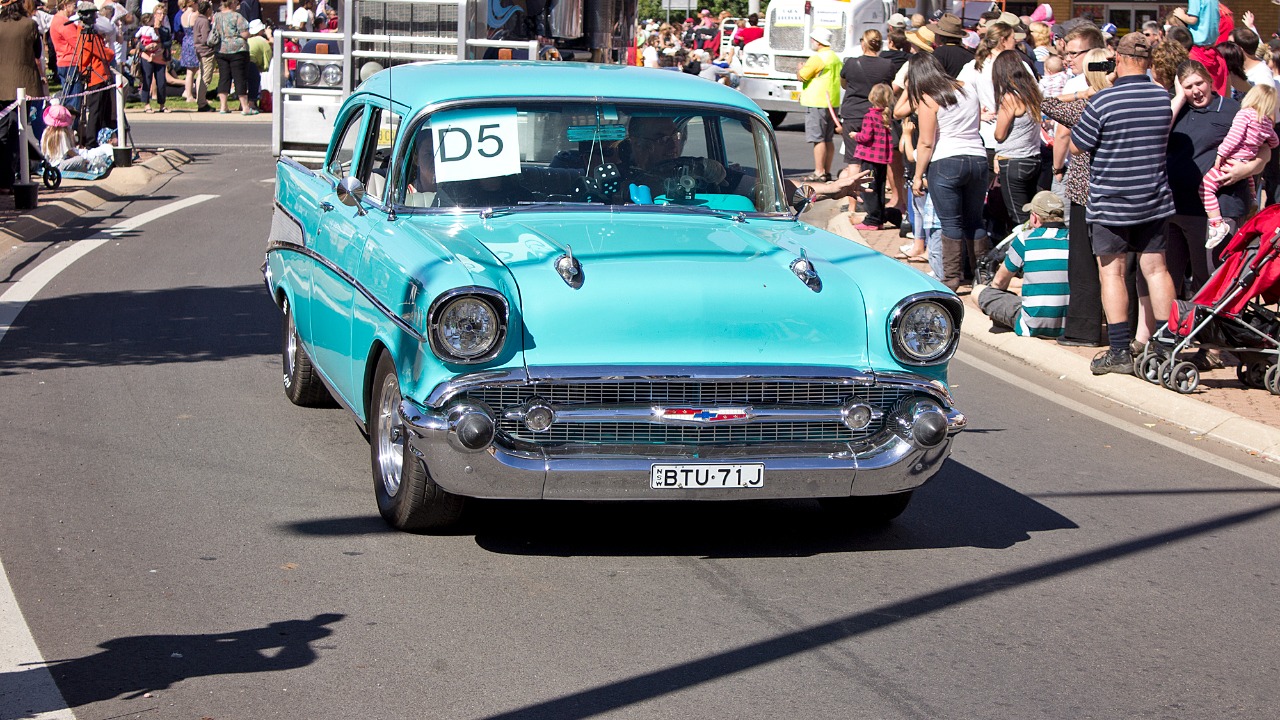
The 1955 Chevrolet Bel Air represented a major turning point for the model. Its cleaner styling, redesigned body, and available small-block V8 created a combination that was both attractive and genuinely lively. The new 265-cubic-inch V8 helped change perceptions of Chevrolet performance, while the car’s balanced proportions made it one of the decade’s most admired designs. The 1955 model captured the optimism of an America embracing speed, style, and modern technology.
Chevrolet Bel Air 1956
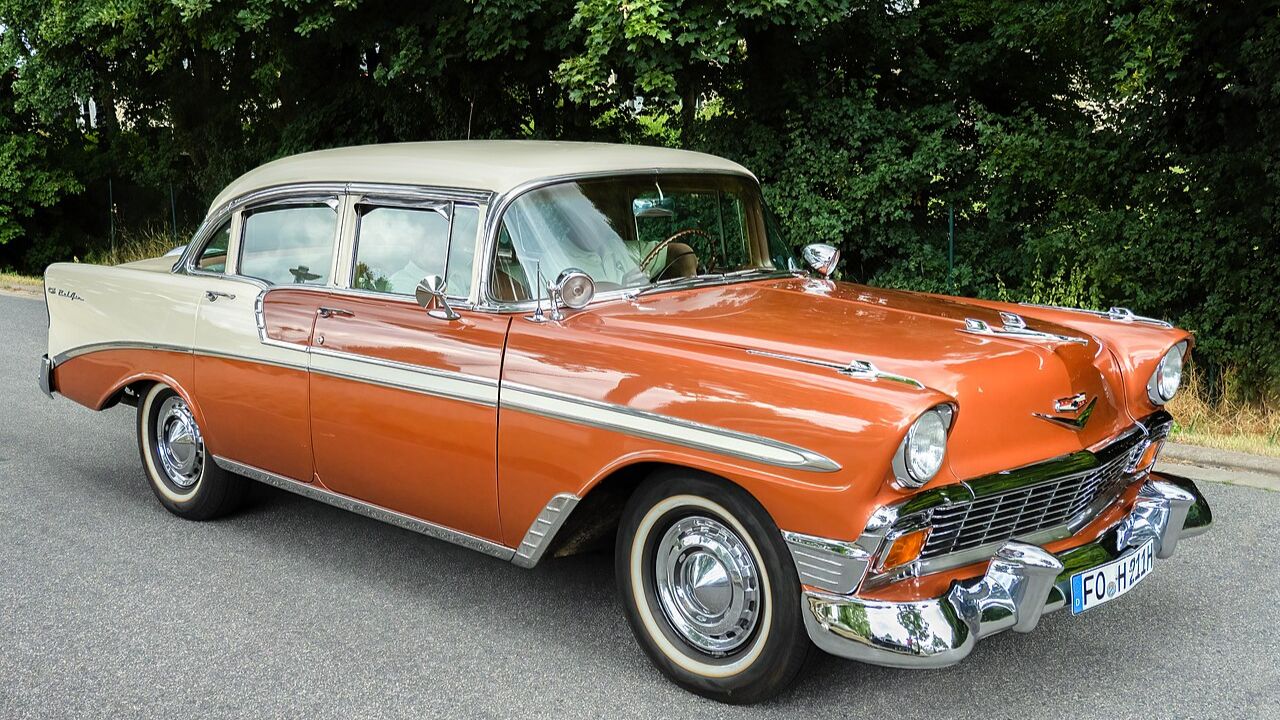
The 1956 Chevrolet Bel Air refined the successful formula introduced the previous year. Its revised grille, sculpted side treatment, and broader range of V8 choices gave buyers more ways to personalize their cars. Chevrolet continued emphasizing bright trim and distinctive two-tone combinations, reflecting the era’s fascination with expressive styling. The 1956 Bel Air remains especially memorable because it combined increasingly strong performance with the polished appearance expected from a popular American automobile.
Chevrolet Bel Air 1957
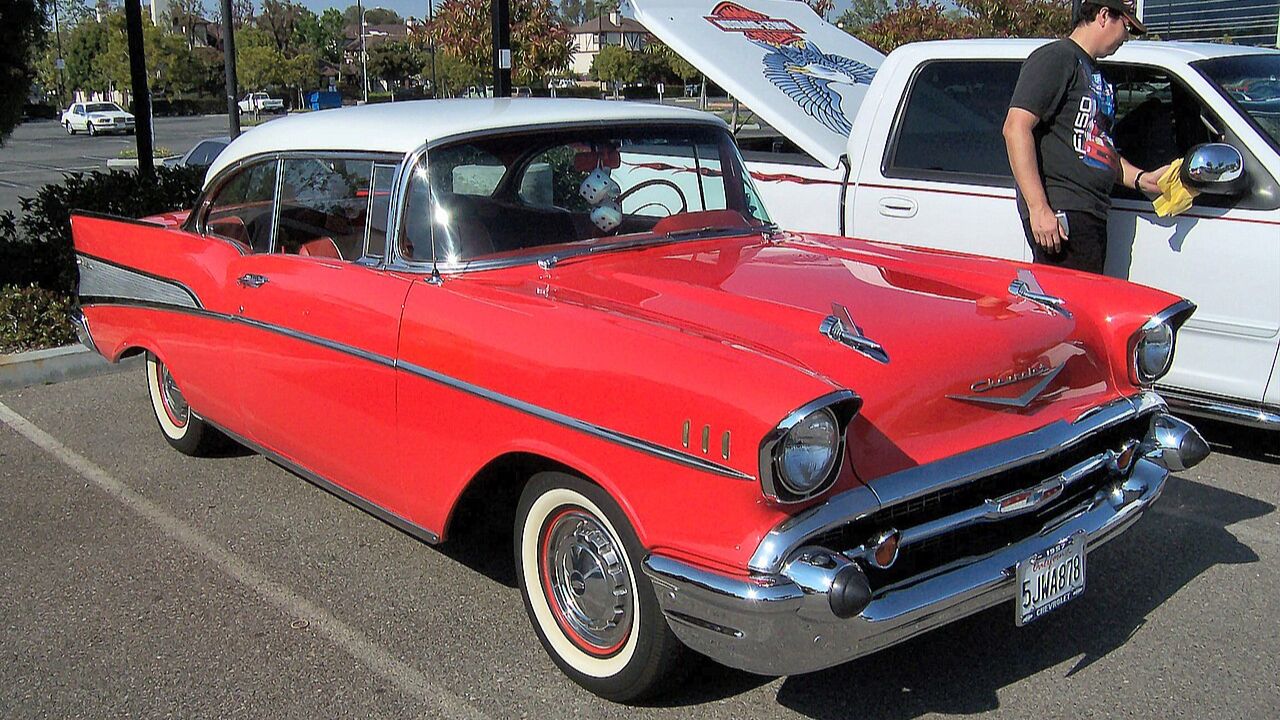
The 1957 Chevrolet Bel Air became one of the most recognizable American cars ever produced. Its prominent tailfins, chrome grille, sweeping side trim, and available fuel-injected V8 created an unforgettable combination of style and engineering. The 1957 model represented the height of Chevrolet’s 1950s design language. Today, restored examples remain major attractions because few cars communicate the optimism, confidence, and visual extravagance of postwar America quite as effectively.
Chevrolet Bel Air 1958
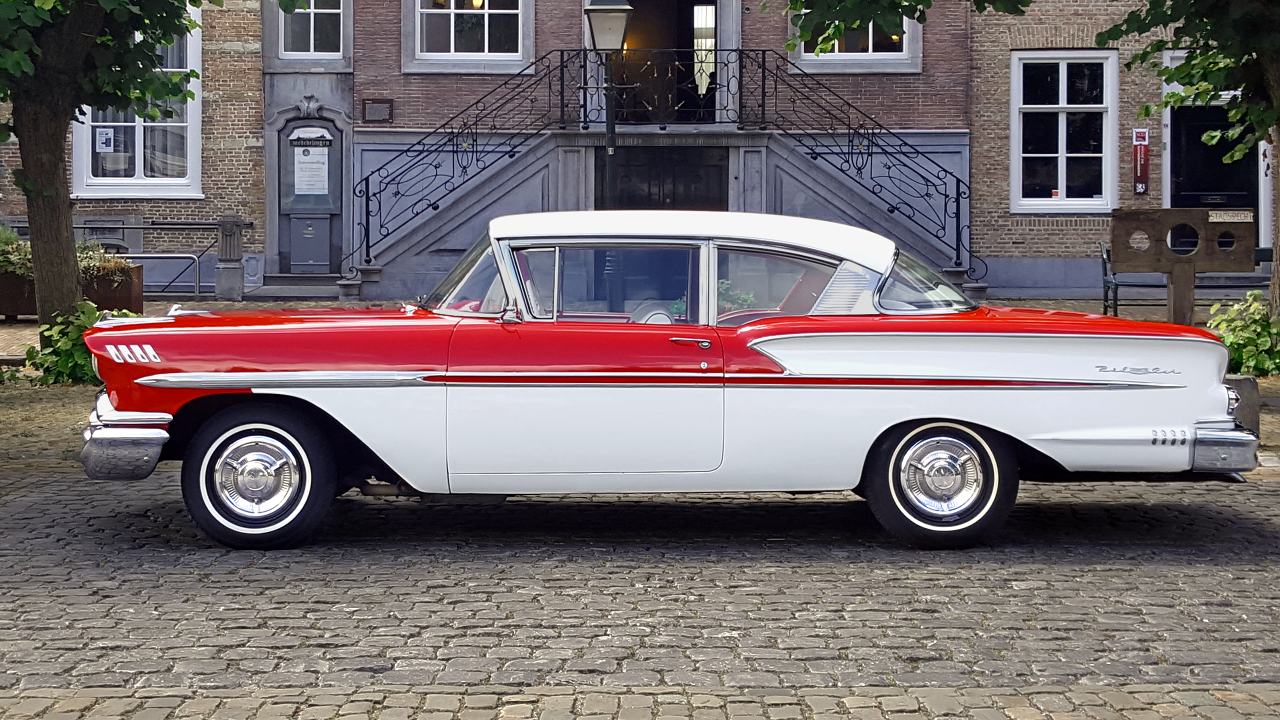
The 1958 Chevrolet Bel Air marked another major styling change, replacing the lighter appearance of earlier models with a broader and more substantial body. Its quad headlights, extensive chrome, and revised grille gave it a distinctly upscale presence. Chevrolet’s expanding V8 lineup also provided strong performance for the period. The 1958 Bel Air demonstrated how quickly American cars were growing in size, power, and visual ambition as consumer expectations continued to rise.
Chevrolet Bel Air 1959
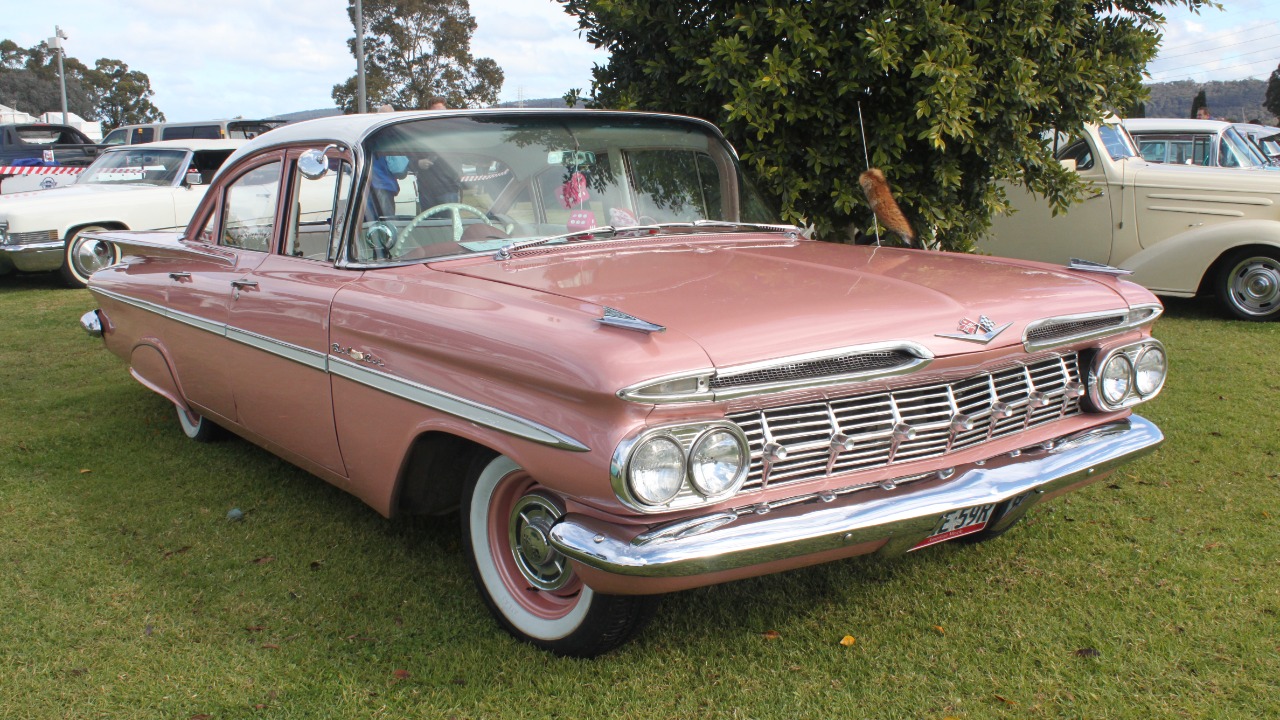
The 1959 Chevrolet Bel Air represented one of the boldest styling moments in Chevrolet history. Its enormous horizontal tailfins and wide rear body created a dramatic silhouette unlike almost anything else on American roads. Although the design was controversial even when new, it perfectly reflected the decade’s fascination with space-age styling. Today, the 1959 Bel Air remains an unmistakable symbol of an era when American manufacturers were willing to make cars visually extravagant.
Chevrolet Bel Air 1960
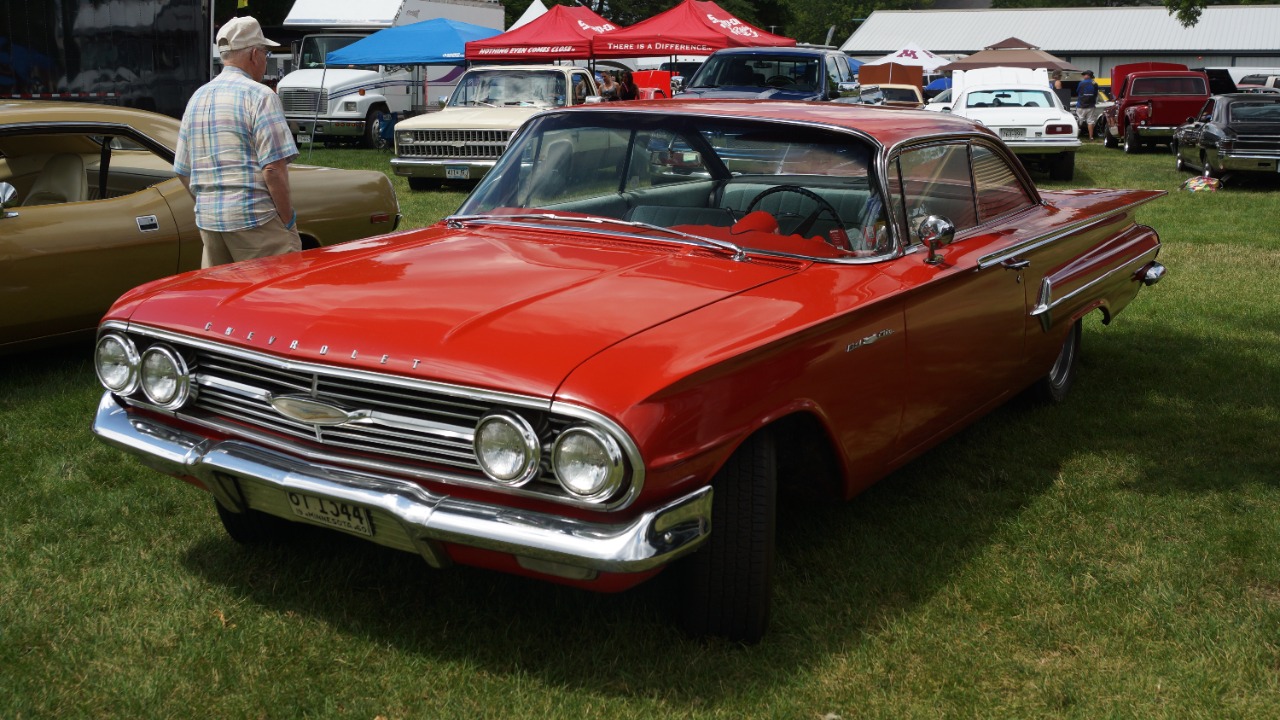
The 1960 Chevrolet Bel Air brought the model into a more restrained design era while retaining the spacious proportions and V8 performance associated with the nameplate. Chevrolet abandoned the extreme tailfin treatment of 1959 for smoother bodywork and a cleaner appearance. The result showed how quickly American styling preferences were changing. The 1960 Bel Air represented a bridge between the flamboyant 1950s and the more streamlined automotive designs of the 1960s.
Chevrolet Bel Air 1961
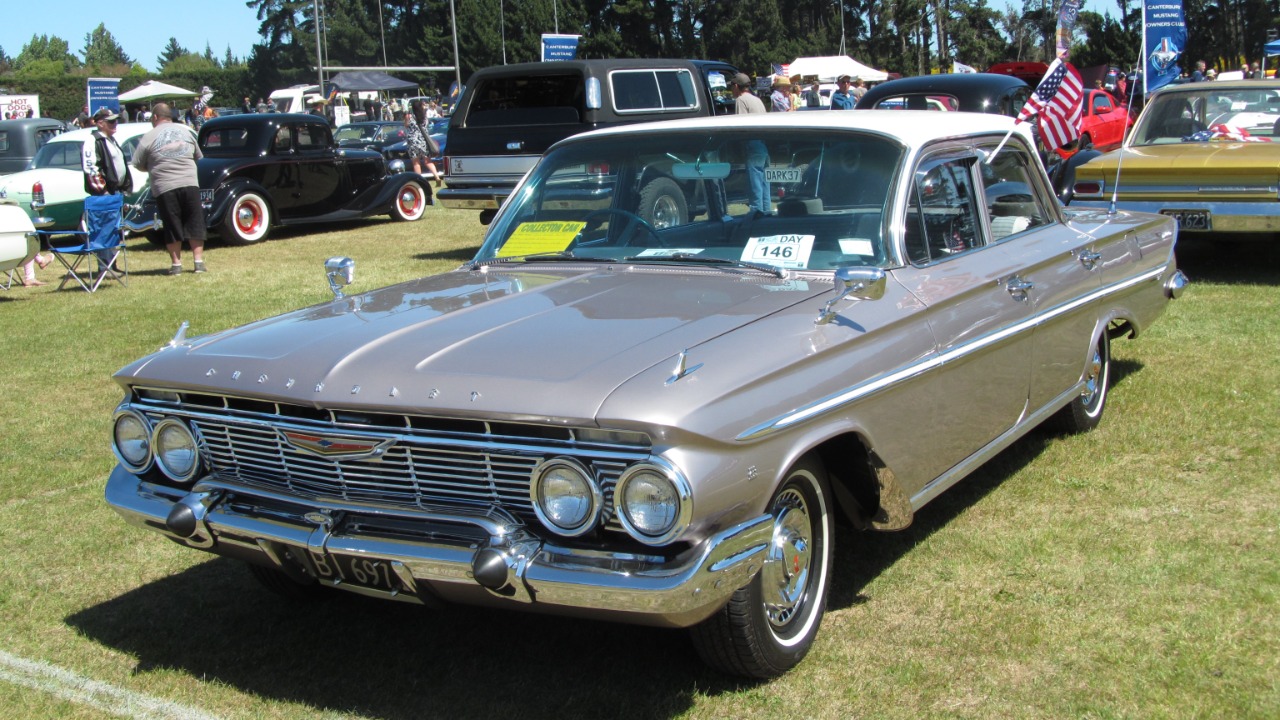
The 1961 Chevrolet Bel Air introduced a more squared-off and purposeful design that reflected Chevrolet’s transition toward the modern 1960s. Its sharper lines and revised proportions replaced much of the decorative excess associated with the previous decade. Available V8 engines ensured that performance remained part of the formula. The model demonstrated that the Bel Air could evolve with changing tastes while retaining the spaciousness and practicality that made it popular.
Chevrolet Bel Air 1962
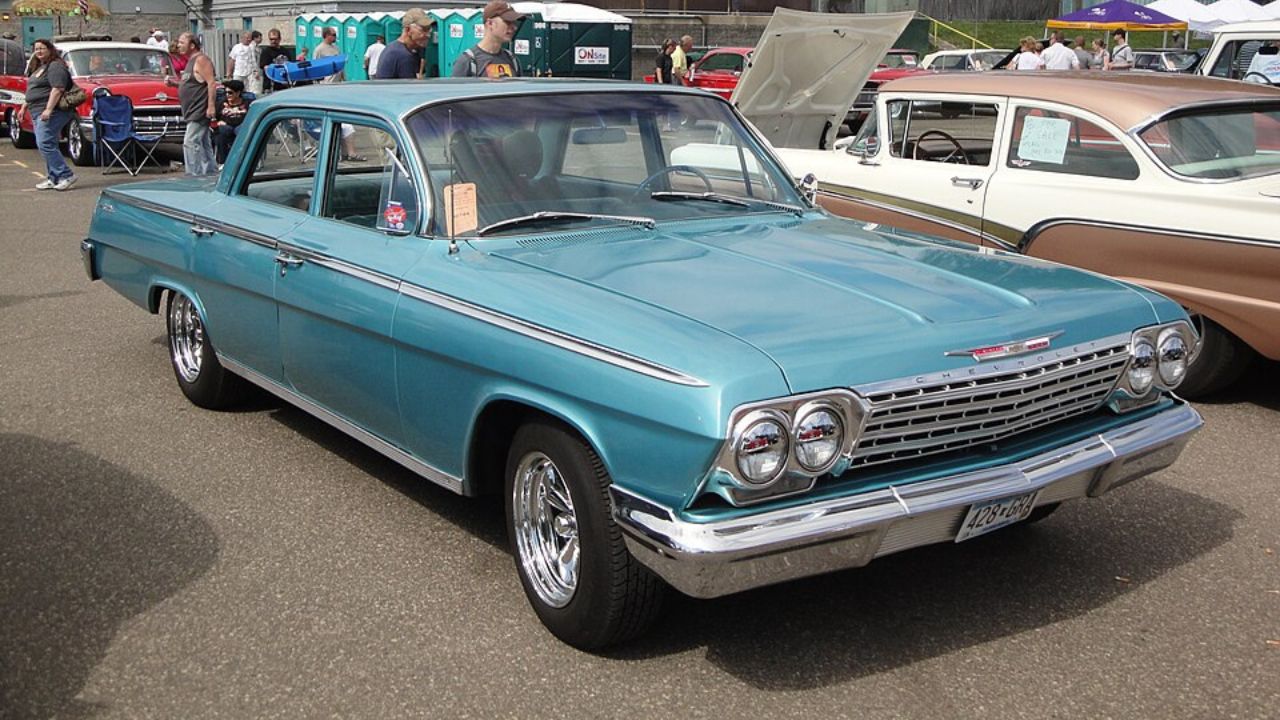
The 1962 Chevrolet Bel Air showed how the nameplate could remain relevant as American automotive design became increasingly restrained. Its clean body lines, revised grille, and less extravagant detailing gave it a more mature appearance than earlier models. The available V8 engines maintained the model’s performance appeal, while the full-size platform provided family-friendly practicality. It represented the final stage of the Bel Air’s transformation from 1950s icon into a more conventional 1960s full-size Chevrolet.
More from Fast Lane Only
- Unboxing the WWII Jeep in a Crate
- 15 rare Chevys collectors are quietly buying
- 10 underrated V8s still worth hunting down
- Police notice this before you even roll window down
*Research for this article included AI assistance, with all final content reviewed by human editors