Not every classic car became famous when it was new. Some were overshadowed by better-known rivals, while others came from manufacturers whose performance efforts received little attention. As collectors look beyond the obvious choices, these overlooked machines are becoming increasingly appreciated for their styling, engineering, rarity, and unique personalities.
AMC Javelin
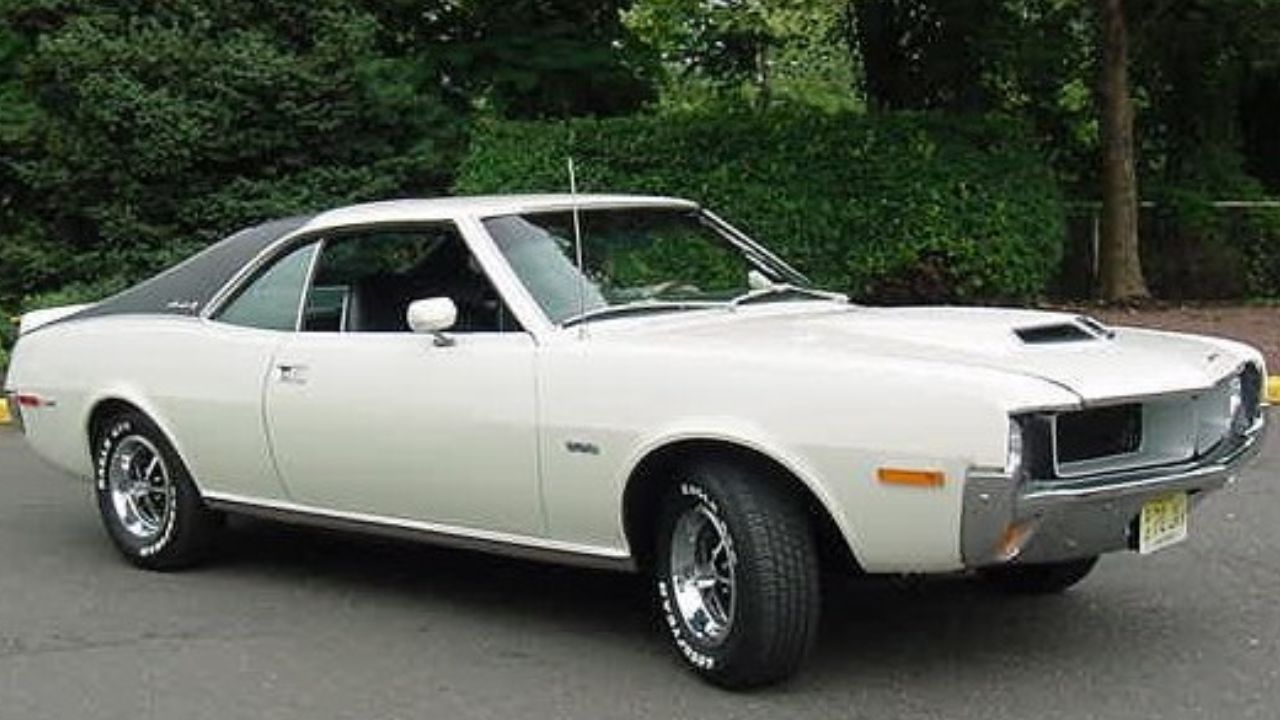
The AMC Javelin offered a distinctive alternative to the better-known pony cars of the 1960s and 1970s. Its long hood, fastback roofline, and available V8 engines gave it legitimate performance credentials, while its styling remained unmistakably different from Ford, Chevrolet, and Chrysler products. Because AMC produced far fewer cars than Detroit’s largest manufacturers, surviving Javelins are less common. Today, enthusiasts increasingly appreciate the model for its originality and independent character.
Mercury Cougar
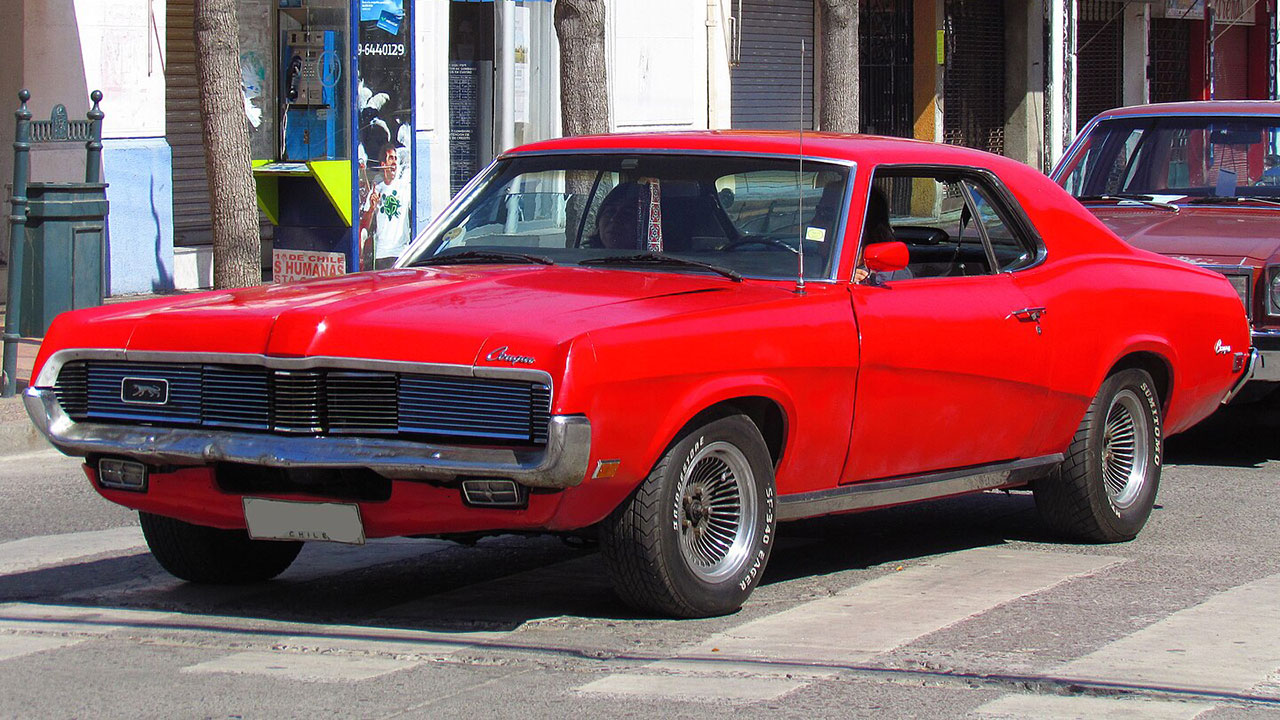
The Mercury Cougar provided a more refined interpretation of the pony-car formula while sharing important mechanical foundations with Ford products. Its hidden headlights, elegant grille, and upscale interior gave it a distinct personality, while available V8 engines supplied strong performance. The Cougar was often overshadowed by the Mustang, despite offering a compelling combination of style and power. Modern collectors are increasingly recognizing early Cougars as sophisticated and desirable representatives of the era.
Buick Riviera
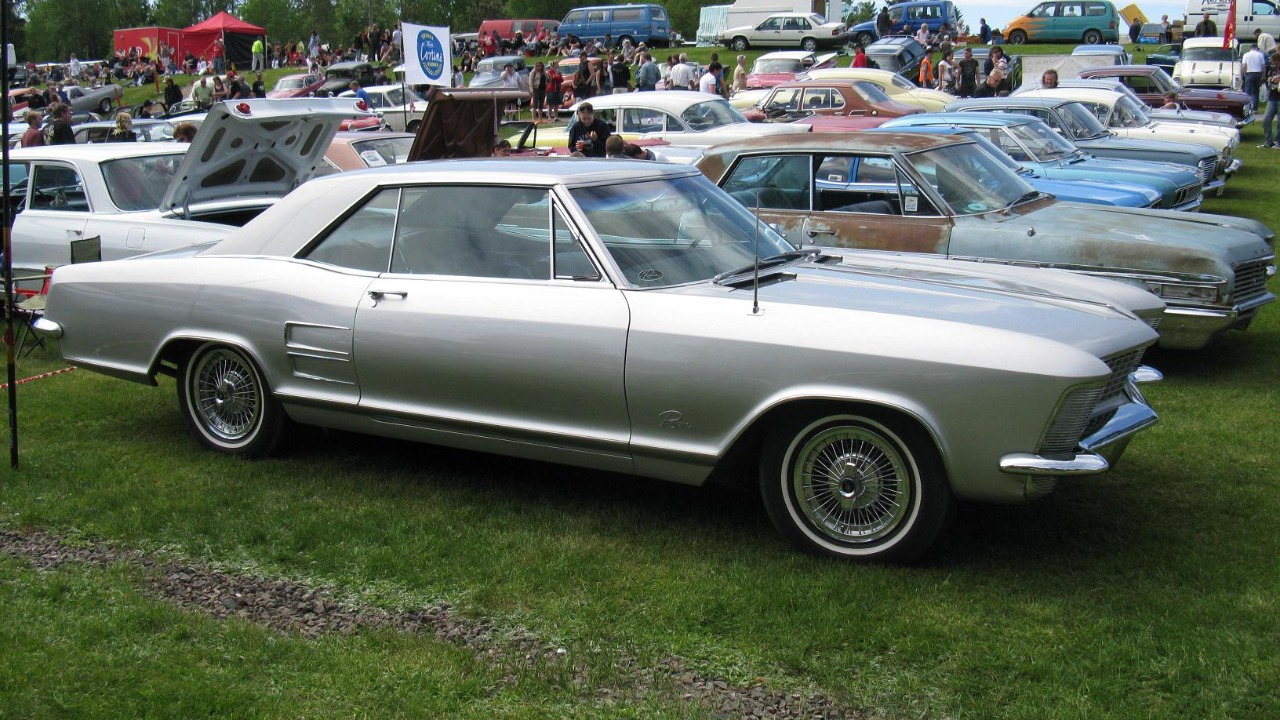
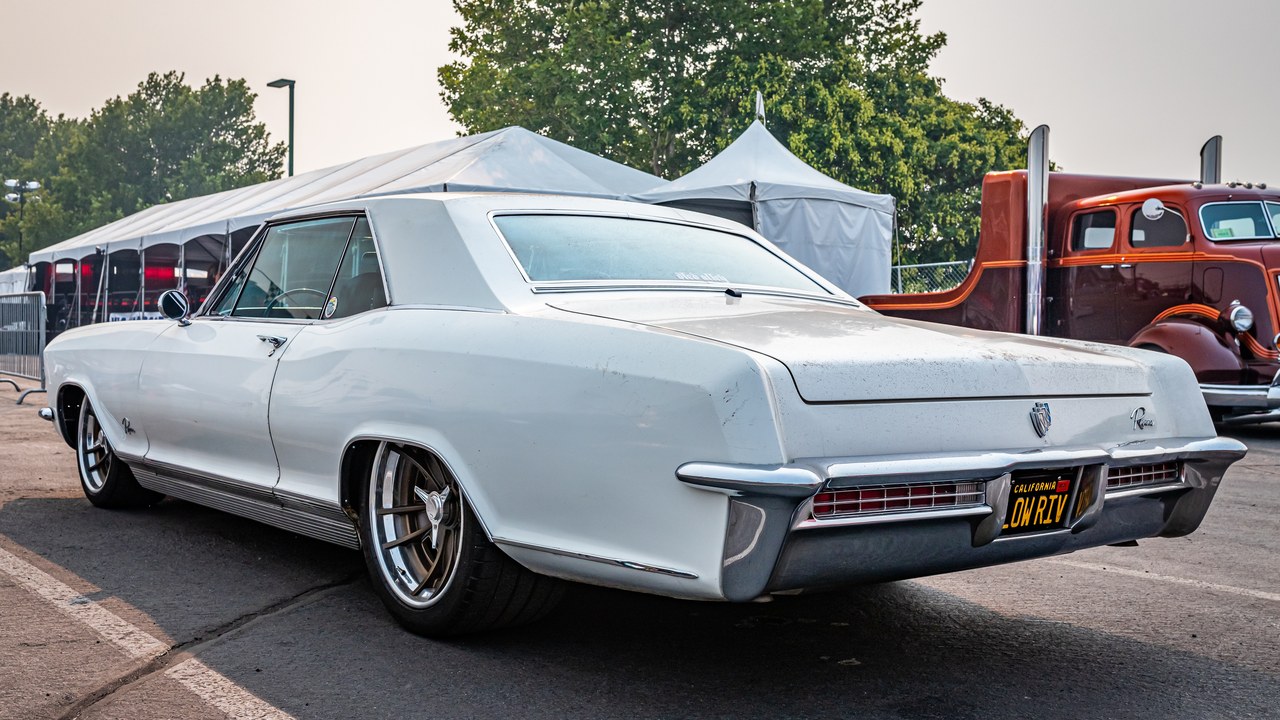
The Buick Riviera demonstrated that American personal-luxury cars could combine dramatic styling with serious road performance. Its clean bodywork, powerful V8 engines, and upscale interior gave it a distinct identity within Buick’s lineup. Early Riviera designs in particular remain admired for their restrained elegance compared with some later American styling excesses. As appreciation for mid-century design grows, the Riviera is receiving renewed attention from collectors seeking something different from conventional muscle cars.
Oldsmobile Toronado

The Oldsmobile Toronado became one of America’s most important front-wheel-drive performance experiments. Its unusual drivetrain arrangement allowed designers to create a dramatic, spacious coupe without relying on a traditional rear-wheel-drive layout. Powerful V8 engines provided strong performance, while the futuristic styling made it instantly recognizable. Although overshadowed by conventional muscle cars, the Toronado deserves renewed appreciation for demonstrating how radically an American manufacturer could rethink the performance coupe.
Pontiac Grand Prix
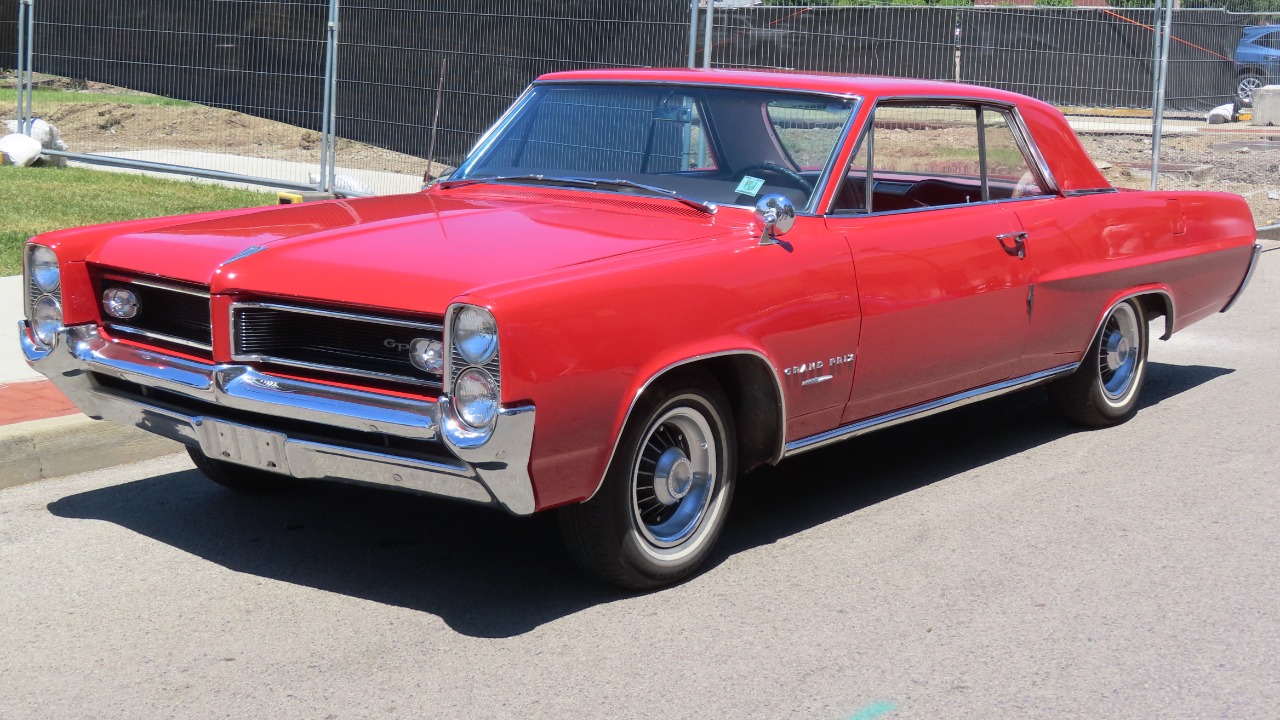
The Pontiac Grand Prix developed into an important personal-luxury coupe that combined long, elegant proportions with the performance-oriented personality associated with Pontiac. Large V8 engines gave many versions substantial acceleration, while increasingly comfortable interiors attracted buyers who wanted more refinement. The Grand Prix is often overlooked beside the GTO and Firebird, but its importance lies in showing how Pontiac expanded performance beyond traditional muscle cars into stylish long-distance cruisers.
Plymouth Barracuda

The Plymouth Barracuda arrived before many of its competitors and helped establish the compact sporty coupe market. Its unusual rear-window design made early examples instantly recognizable, while later generations developed into serious muscle cars with powerful V8 options. Although the Mustang eventually dominated the segment, the Barracuda became an important part of Chrysler’s performance history. Today, early and high-performance examples are receiving more appreciation as collectors revisit the origins of the pony-car era.
Mercury Cyclone
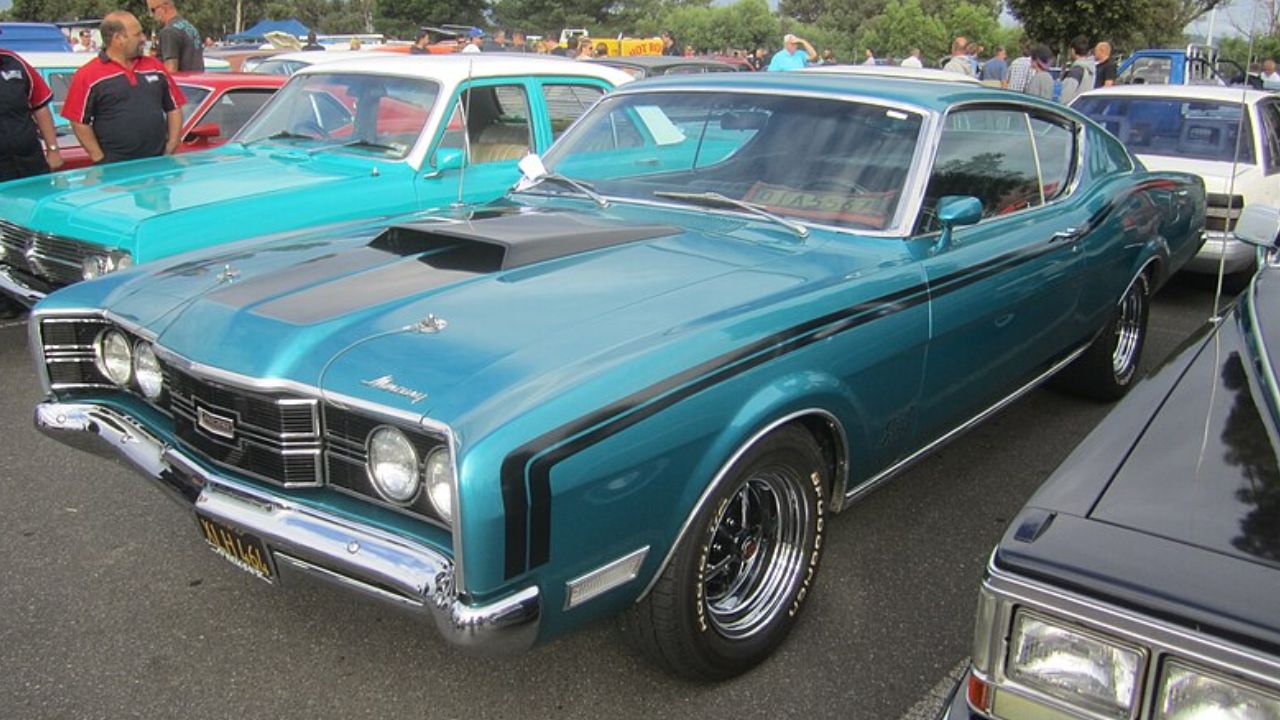
The Mercury Cyclone combined sleek fastback styling with the increasingly powerful engines available throughout Ford’s performance lineup. Its less common Mercury identity kept it out of the spotlight compared with the Mustang and Torino, but that relative rarity has become part of its appeal. Performance versions offered substantial V8 power and distinctive styling. Collectors looking beyond the usual muscle-car choices are beginning to recognize the Cyclone as an unusually interesting piece of Ford’s performance history.
AMC AMX
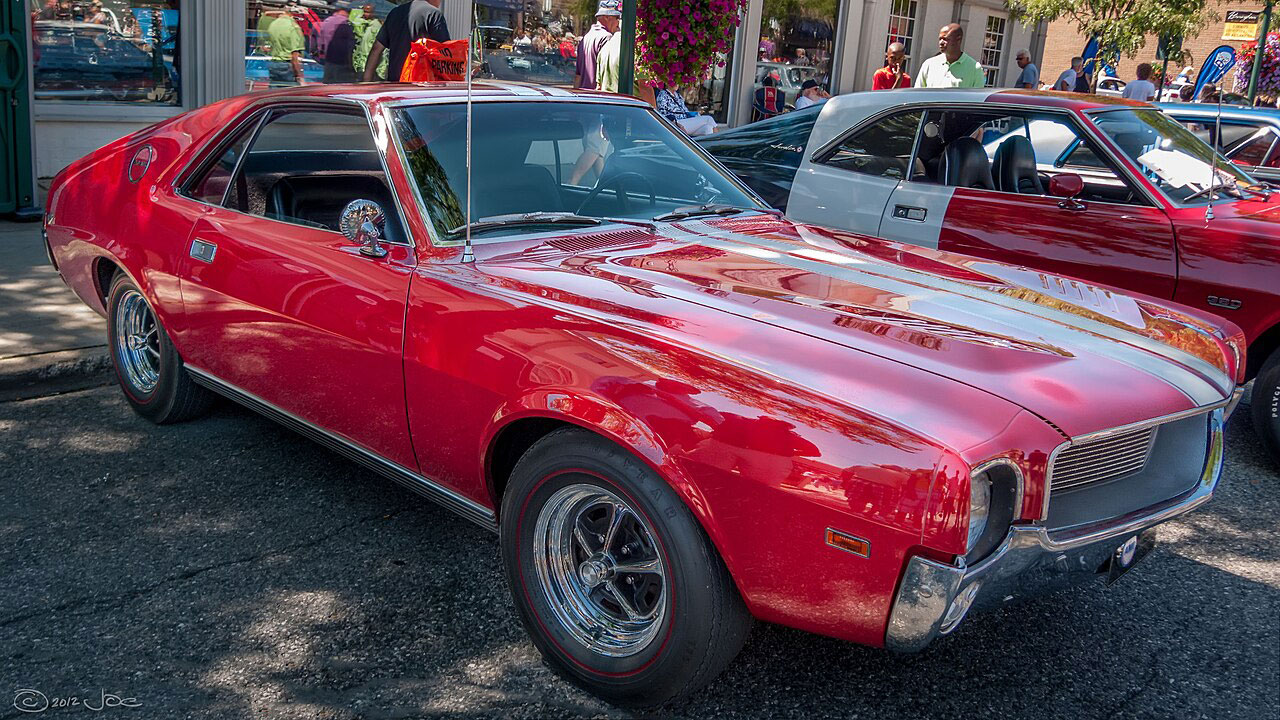
The AMC AMX offered something remarkably different from most American performance cars of its time: a compact two-seat body with serious V8 power. Its short wheelbase, aggressive styling, and available high-output engines gave it a unique place in the muscle-car market. Because production numbers were much lower than those of Chevrolet, Ford, or Dodge competitors, surviving examples are uncommon. That rarity has helped the AMX gain renewed respect among knowledgeable collectors.
Chevrolet Corvair Monza
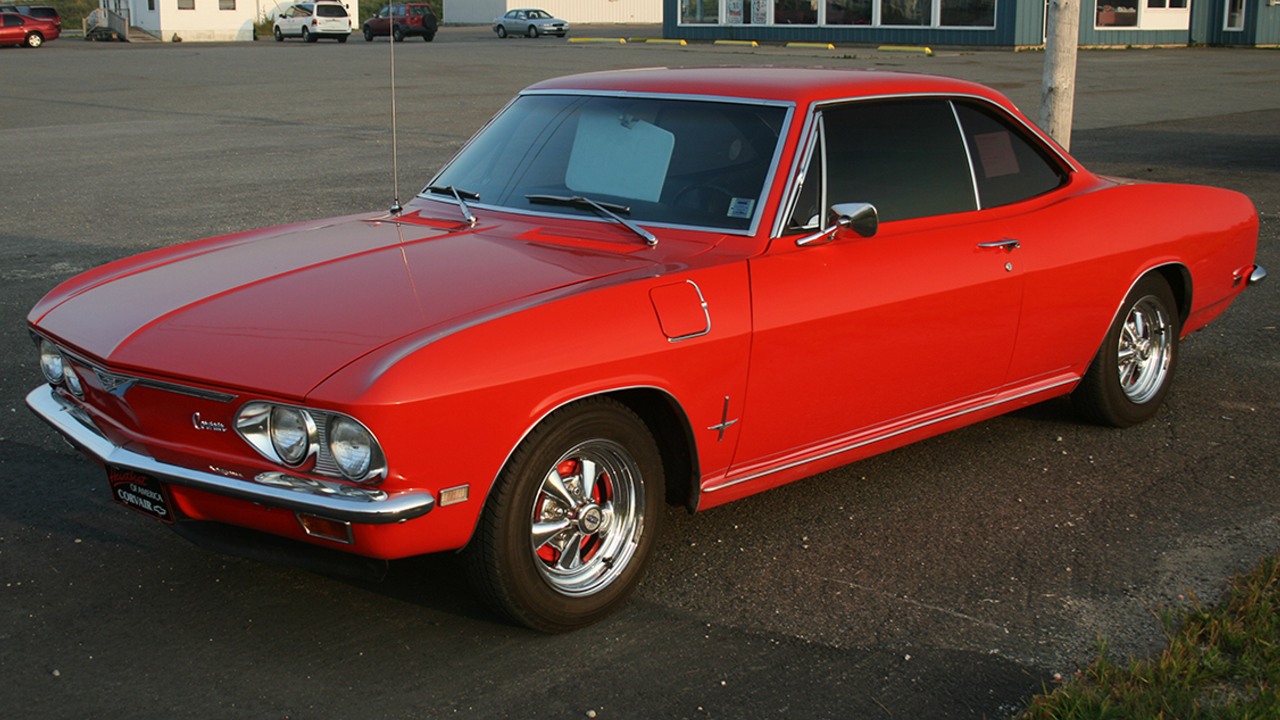
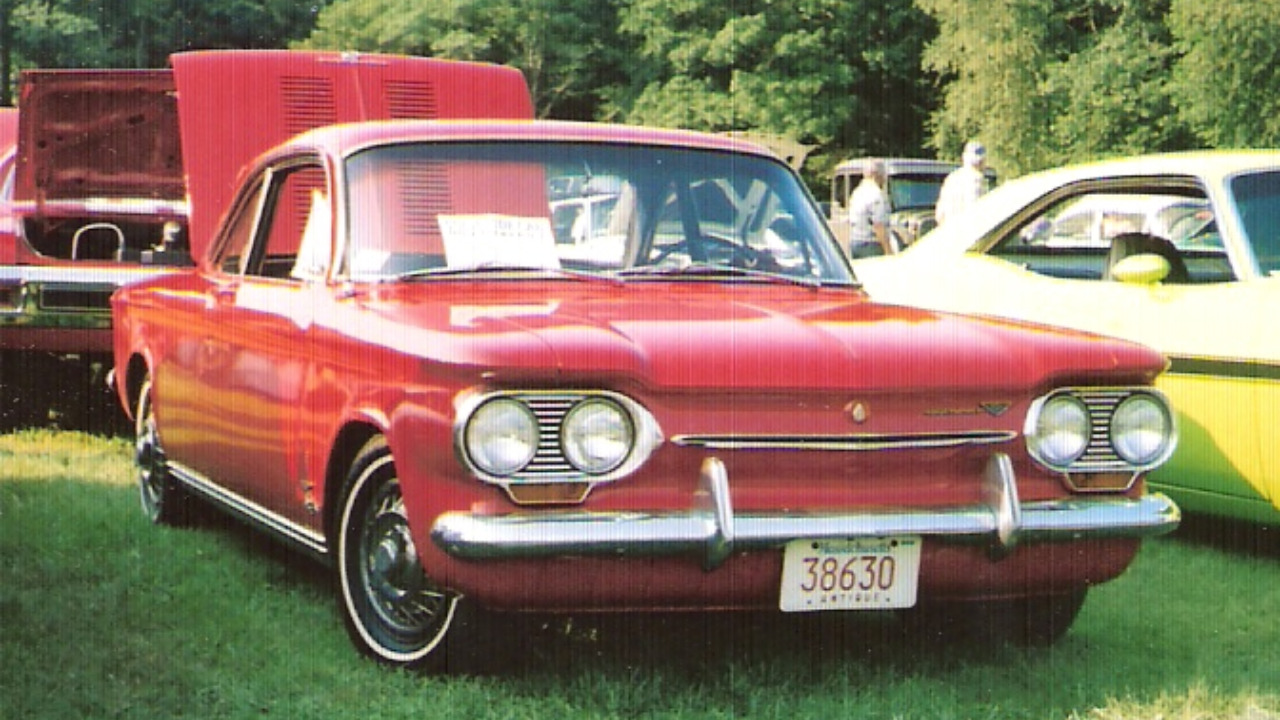
The Chevrolet Corvair Monza represented one of General Motors’ boldest departures from conventional American automotive engineering. Its rear-mounted air-cooled flat-six and compact proportions gave it a driving character unlike typical Detroit cars. The sporty Monza versions added style and performance appeal without abandoning the Corvair’s unusual layout. Once overshadowed by controversy and more conventional Chevrolet models, the Corvair is now increasingly appreciated for its originality and engineering ambition.
Studebaker Avanti
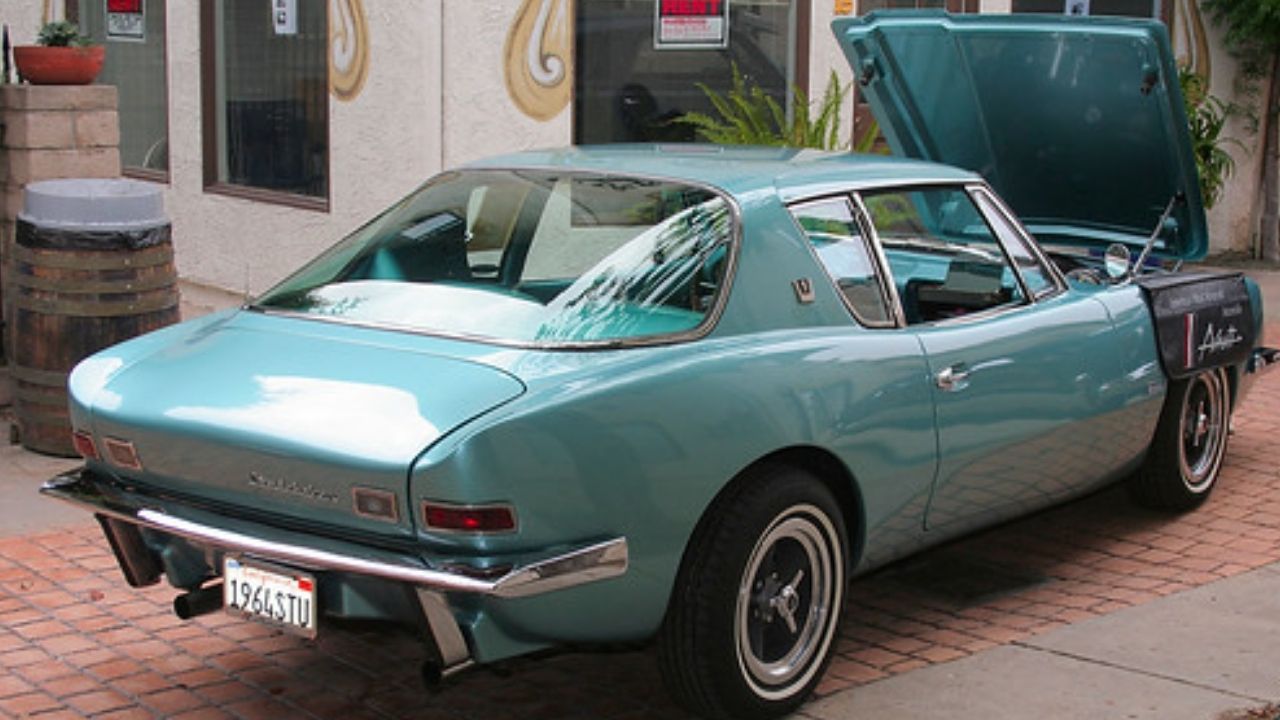
The Studebaker Avanti became a striking final statement from an independent American manufacturer trying to compete with Detroit’s giants. Its fiberglass body, unusual styling, and powerful Studebaker V8 created a car that looked unlike almost anything else from the period. Production was limited, making surviving examples particularly interesting. Modern collectors increasingly value the Avanti because it represents bold design, independent thinking, and one of the most distinctive chapters in American automotive history.
More from Fast Lane Only
- Unboxing the WWII Jeep in a Crate
- 15 rare Chevys collectors are quietly buying
- 10 underrated V8s still worth hunting down
- Police notice this before you even roll window down
*Research for this article included AI assistance, with all final content reviewed by human editors