The 1970s were a difficult decade for the automotive industry, with fuel shortages, emissions regulations, and changing consumer expectations reshaping the market. Yet several vehicles from the era developed remarkable reputations for durability. These eight classics continue to impress because their sturdy construction and straightforward engineering helped them survive decades of use.
Toyota Land Cruiser FJ40
CC BY 2.0 / wikimedia
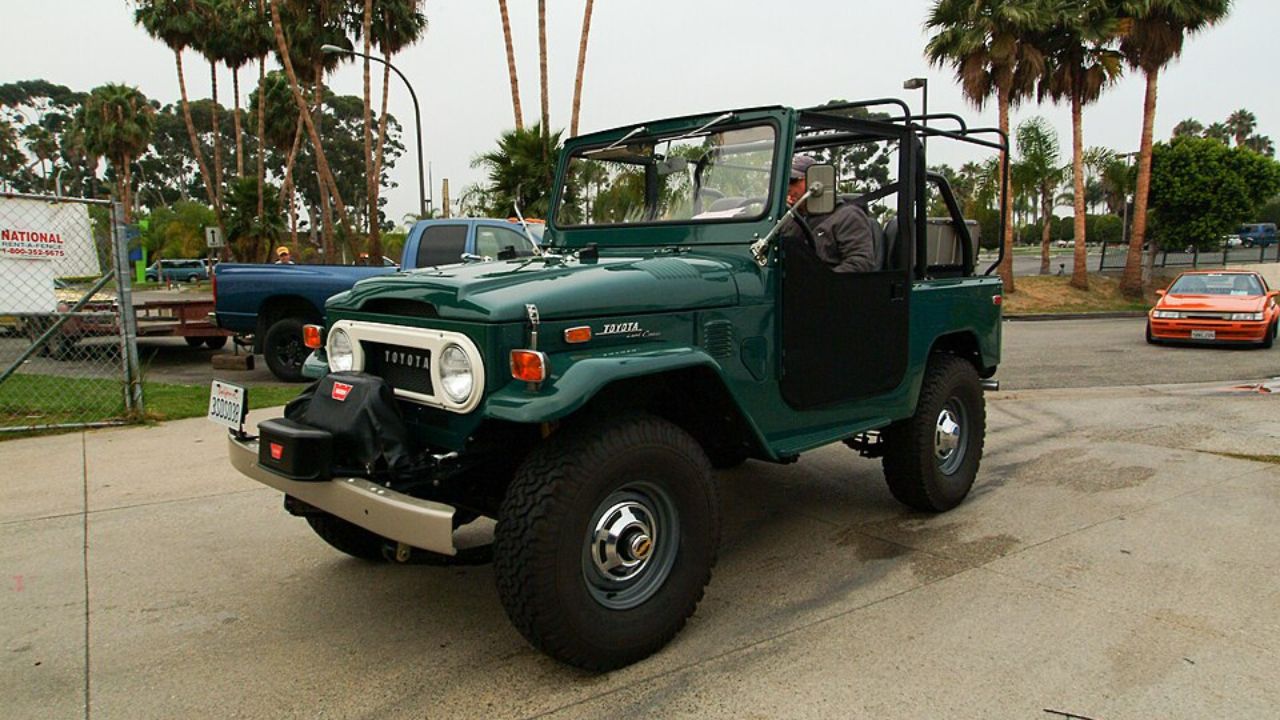
The Toyota Land Cruiser FJ40 became one of the decade’s most respected off-road vehicles because of its rugged construction and mechanical simplicity. Its strong chassis, four-wheel-drive system, and durable inline-six engines allowed it to handle difficult terrain and demanding workloads. Many examples spent their lives far from paved roads, yet surviving FJ40s remain active today. Its reputation for toughness has made it one of the most enduring Japanese utility vehicles ever built.
Mercedes-Benz W123

The Mercedes-Benz W123 combined solid construction with mechanical systems designed for long-term service. Diesel versions became particularly famous for accumulating extraordinary mileage, while the car’s sturdy suspension and durable body helped it survive years of everyday use. Owners often kept these cars running through multiple decades rather than replacing them. Today, the W123 remains a benchmark for old-school Mercedes durability and continues attracting enthusiasts who value engineering built around longevity.
Volvo 240

The Volvo 240 became a symbol of Scandinavian durability through its boxy construction, practical engineering, and dependable powertrains. Its sturdy body structure helped it survive years of family use, while relatively straightforward mechanical systems made long-term maintenance manageable. Many examples served as daily transportation for decades. The 240’s ability to remain useful long after newer cars had disappeared from the road helped establish its reputation as one of the era’s most durable family automobiles.
Toyota Hilux

The Toyota Hilux developed its legendary reputation by handling work that would be demanding for almost any compact pickup. Its straightforward engines, durable chassis, and practical four-wheel-drive systems made it useful for farms, construction, and rough-road transportation. Many 1970s examples were subjected to hard service yet continued operating for years. The Hilux demonstrated that a relatively compact truck could deliver extraordinary longevity without relying on complicated technology.
Ford F-150
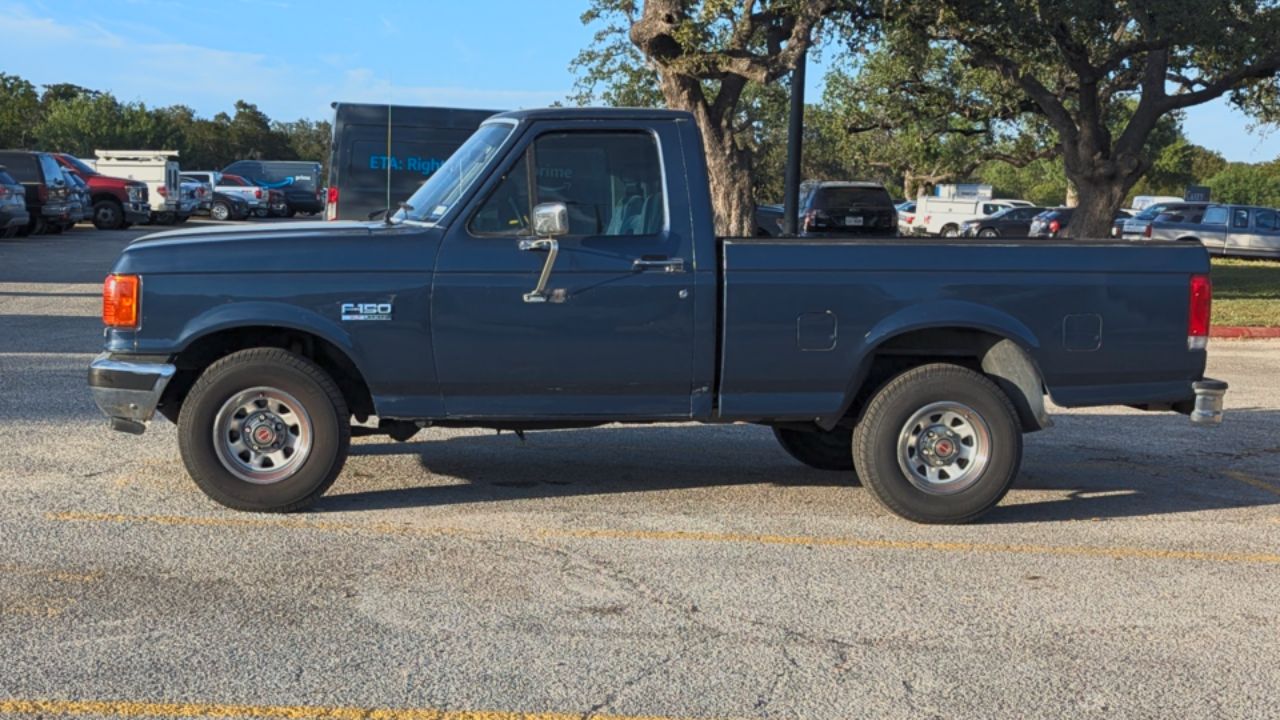
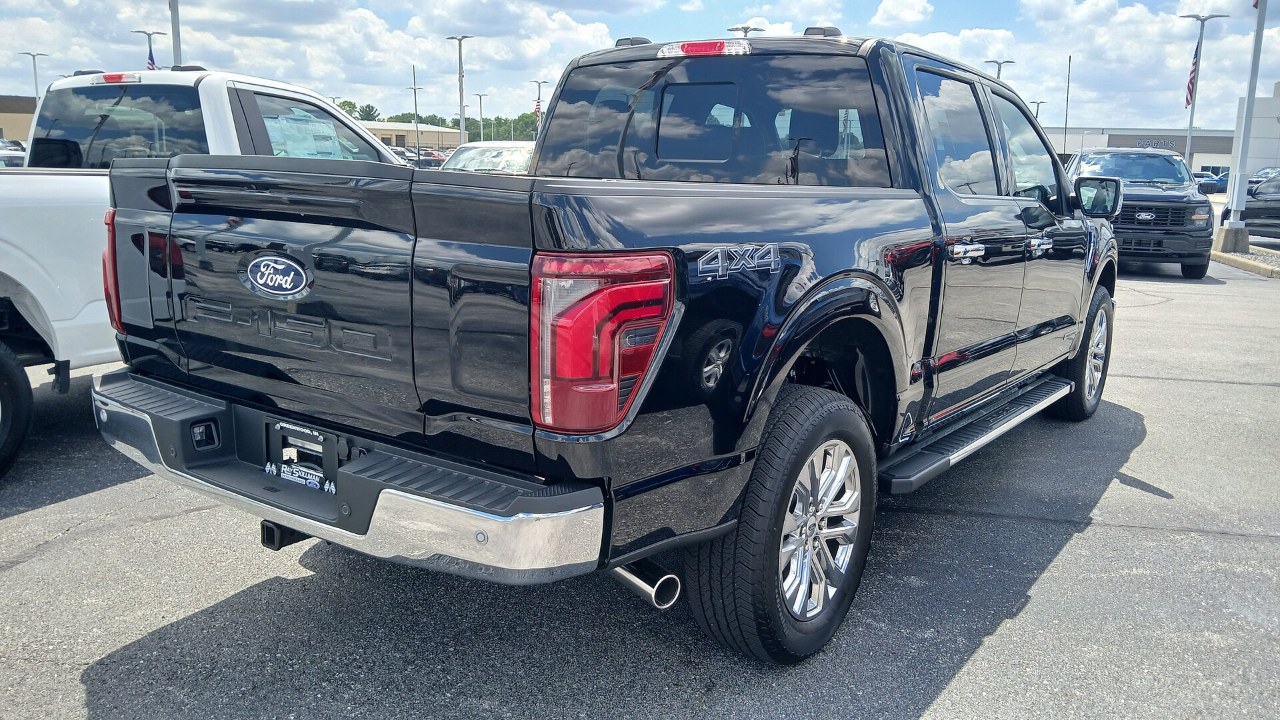
The Ford F-150 entered the 1970s as part of a truck family built around practical utility and durable construction. Its body-on-frame architecture, rear-wheel-drive layout, and range of proven engines made it suitable for demanding work. Many examples were used on farms, construction sites, and commercial operations where durability mattered more than refinement. Surviving trucks remain appealing today because their simple mechanical character makes them relatively straightforward to maintain and restore.
Datsun 510
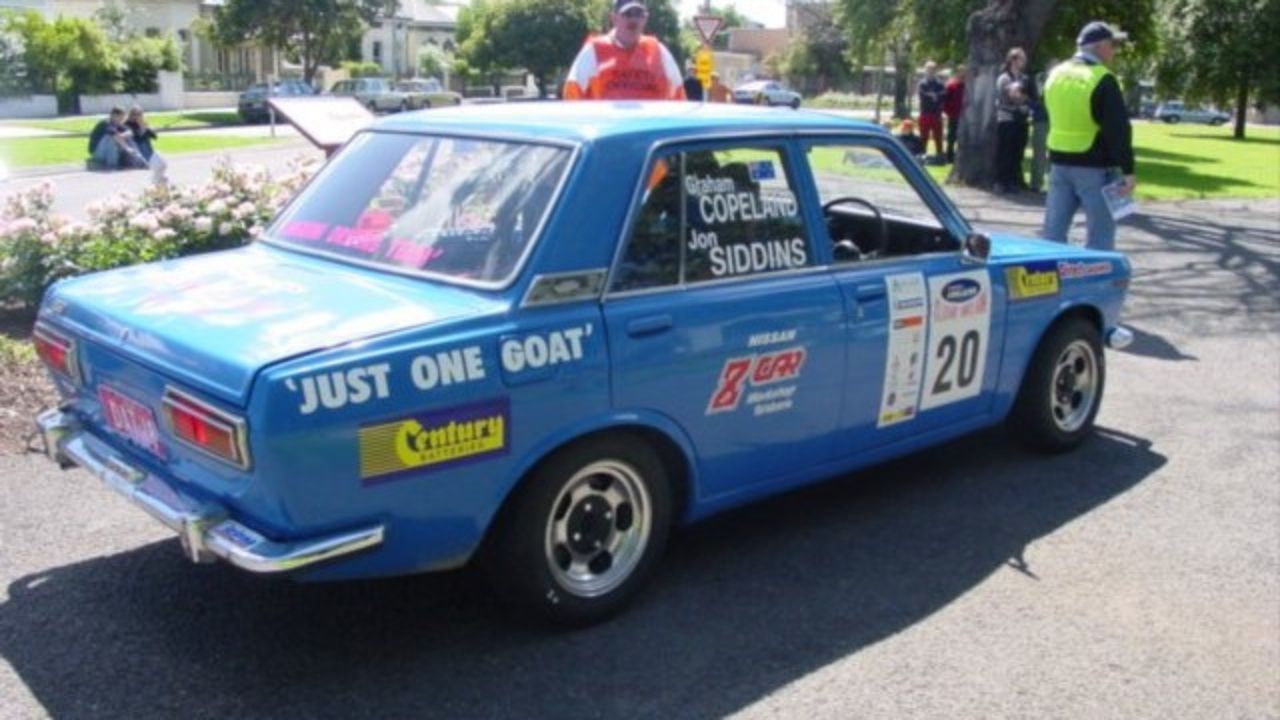
The Datsun 510 became famous for combining compact dimensions with dependable mechanical engineering and surprisingly capable road manners. Its four-cylinder engine, simple rear-wheel-drive layout, and relatively lightweight construction made it popular with both ordinary drivers and enthusiasts. Many examples accumulated substantial mileage because their mechanical systems were straightforward to service. The 510 demonstrated that a small Japanese car could survive long-term use while offering a driving experience that remained enjoyable.
Jeep CJ-5
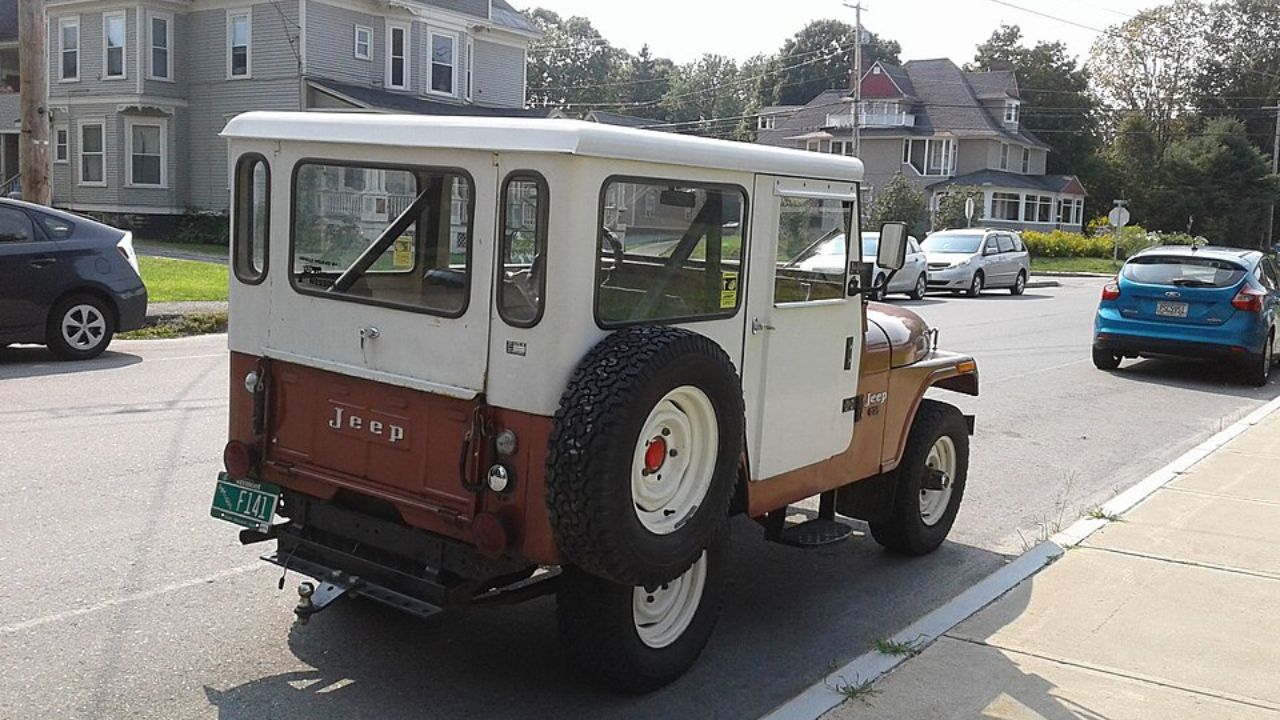
The Jeep CJ-5 became a familiar sight on farms, trails, and work sites because of its compact size and rugged four-wheel-drive design. Its simple construction made it relatively easy to repair, while its short wheelbase provided excellent maneuverability off-road. Many examples were used hard rather than carefully preserved, yet surviving CJ-5s continue to find new owners. Its durability and mechanical simplicity helped make it one of the most enduring utility vehicles of its era.
Chevrolet C10
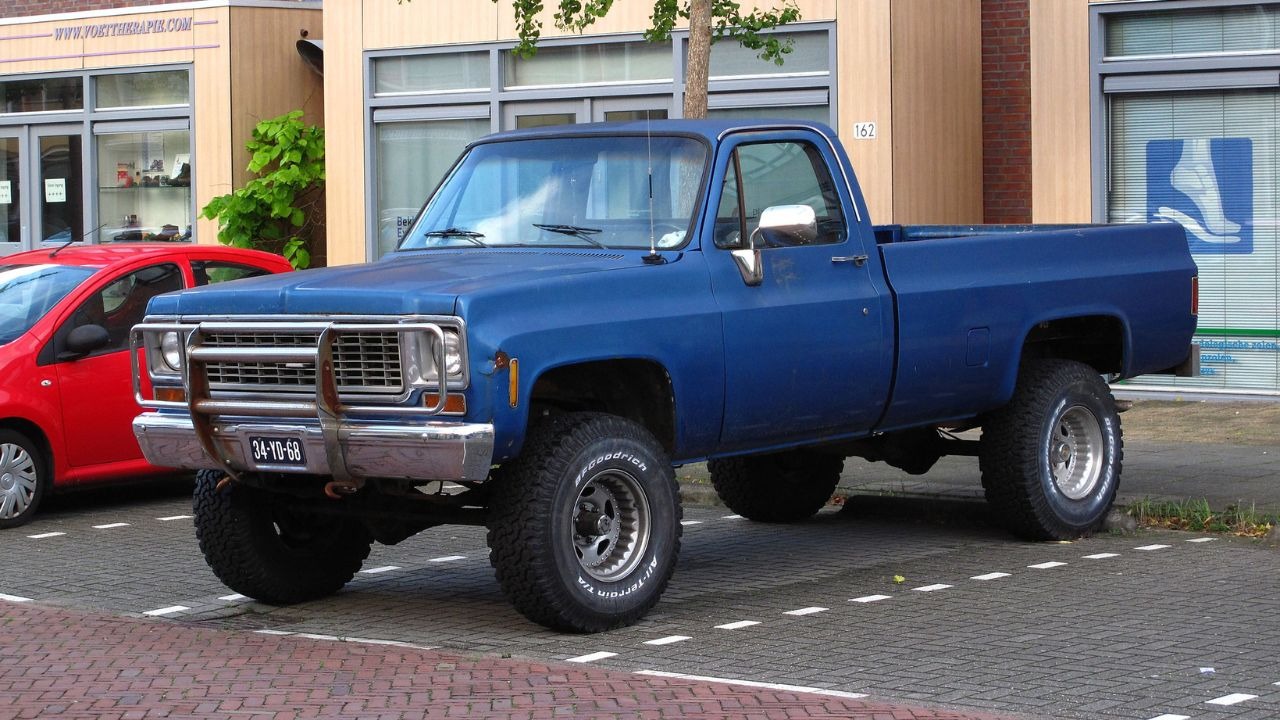
The Chevrolet C10 represented the straightforward American pickup formula that made trucks useful for generations of owners. Its body-on-frame construction, rear-wheel-drive layout, and broad selection of engines gave buyers plenty of options for work and everyday transportation. Many 1970s C10s accumulated years of hauling, towing, and farm duty before becoming classics. Their continued popularity comes partly from their simple mechanical architecture and the ease with which enthusiasts can keep them operating.
More from Fast Lane Only
- Unboxing the WWII Jeep in a Crate
- 15 rare Chevys collectors are quietly buying
- 10 underrated V8s still worth hunting down
- Police notice this before you even roll window down
*Research for this article included AI assistance, with all final content reviewed by human editors