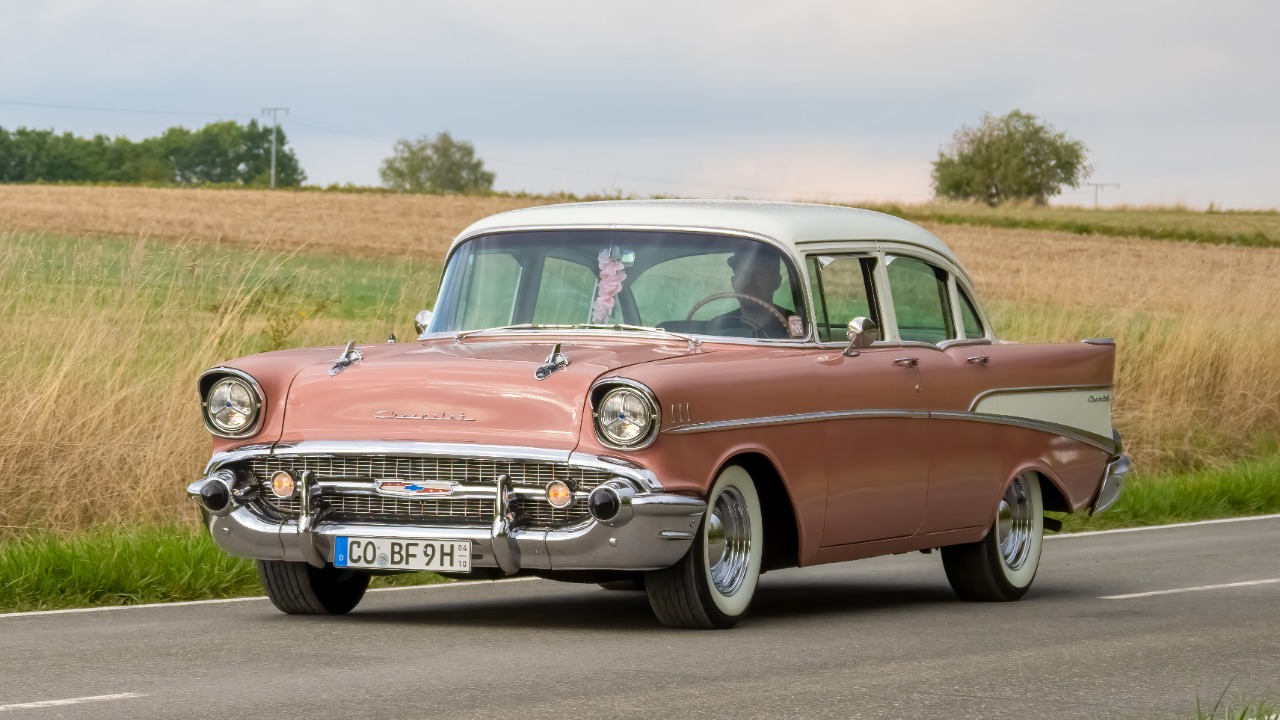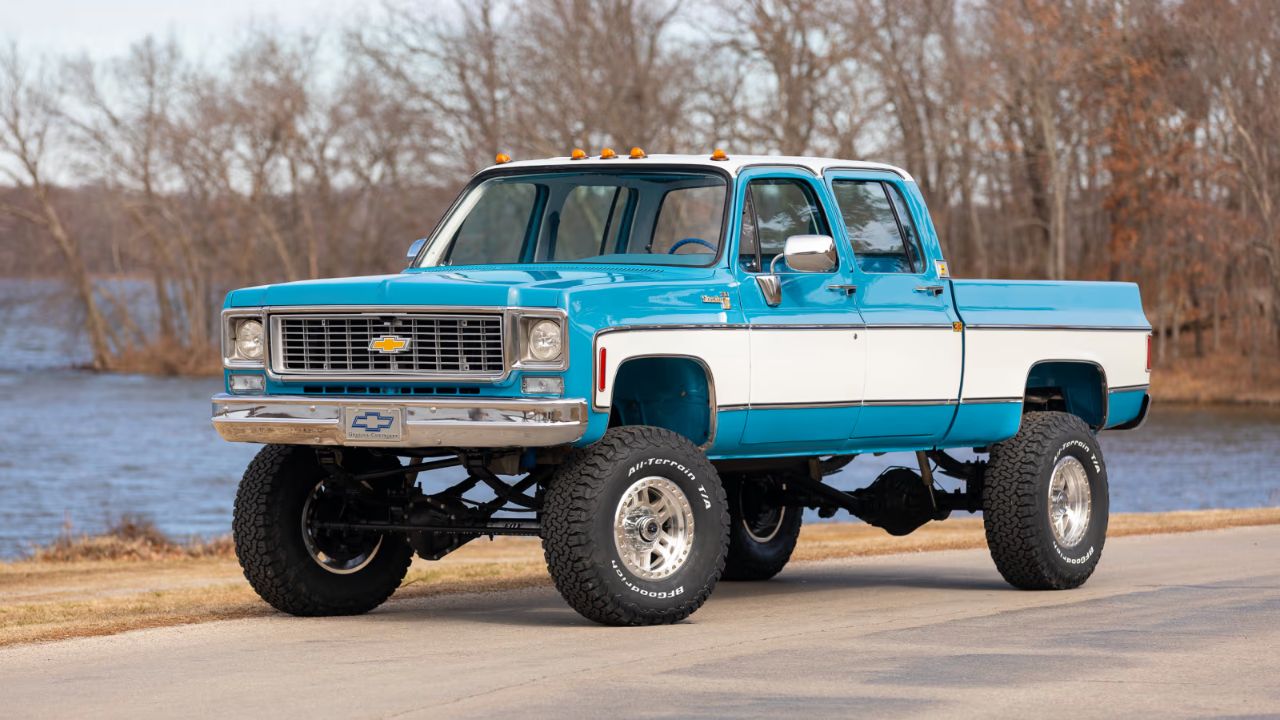
When the world goes sideways, you don’t want to be behind the wheel of something dainty. You want a machine that can take a hit, climb a hill, cross a river, and keep rolling without asking questions. These 10 cars—some legends, some sleepers—have the bones and grit to keep moving when everything else breaks down.
1. Mercedes-Benz W123 (1976–1985)
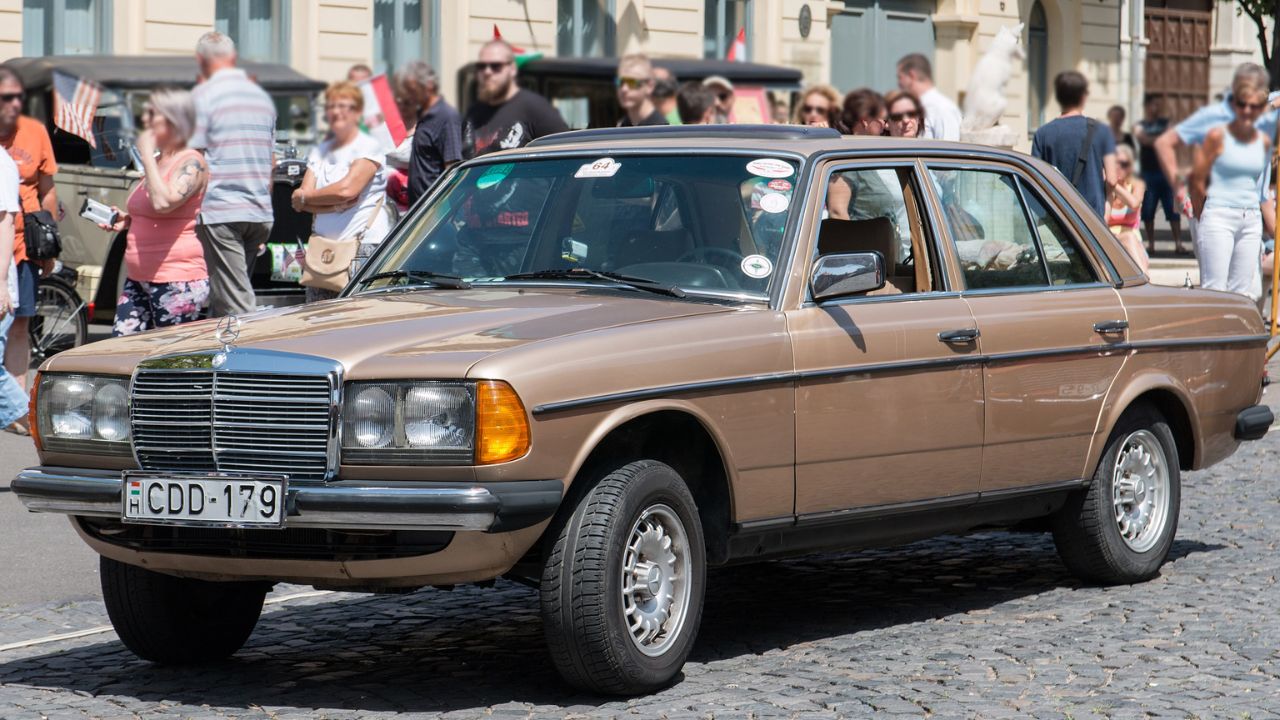
The W123 earned its stripes across deserts, war zones, and undeveloped roads. This mid-size sedan came with options like a 3.0L diesel five-cylinder, known to run for half a million miles without a rebuild. It wasn’t fast, but it was stubbornly reliable.
Its independent suspension soaked up rough terrain surprisingly well, and the build quality was famously over-engineered. Inside, the layout was clean and utilitarian—easy to fix, hard to break. It’s no off-roader, but if you need to get across a continent with zero parts support, this is your ride.
2. Toyota Land Cruiser 70 Series (1984–Present)
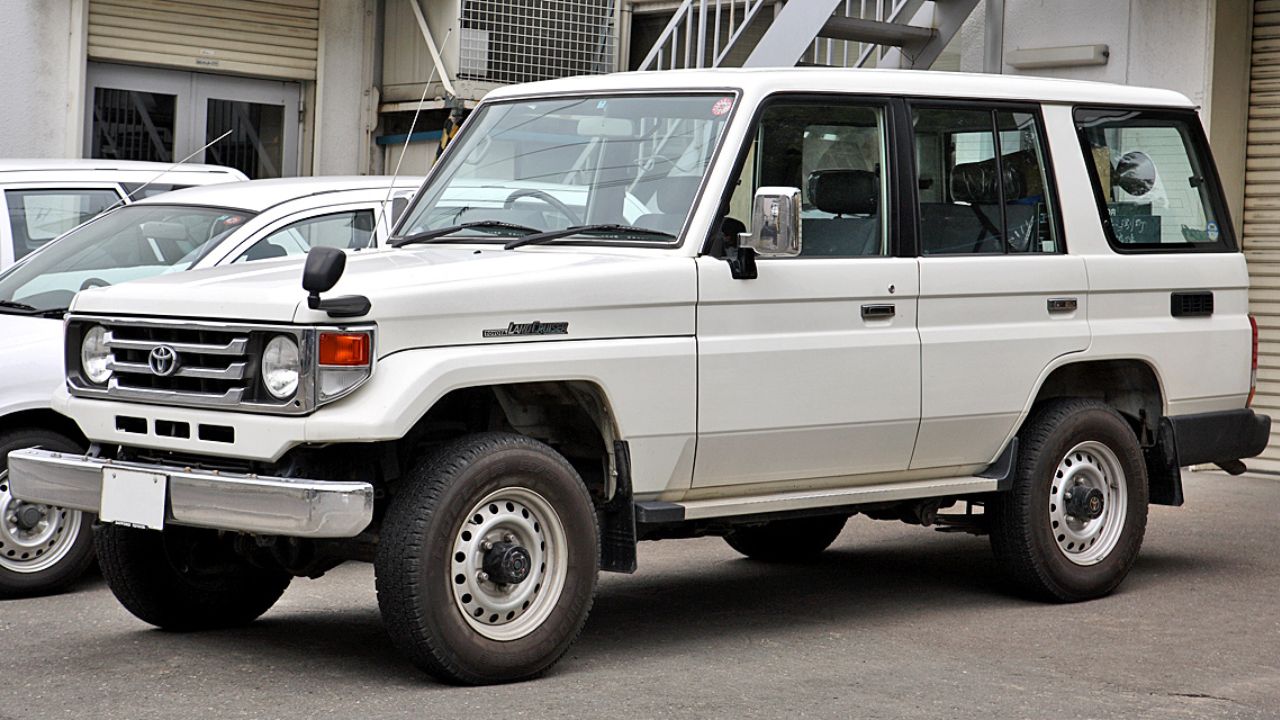
The 70 Series Land Cruiser has been in service since the ’80s and is still being built today for a reason. With solid axles, coil or leaf suspension depending on the variant, and engines like the 4.2L inline-six diesel, it’s all about durability.
It’s been the go-to for remote explorers, military forces, and aid organizations. The cabin is simple—vinyl seats, manual everything, nothing to fry in an EMP. It’s still used in some of the most unforgiving environments on Earth.
3. Volvo 240 (1974–1993)
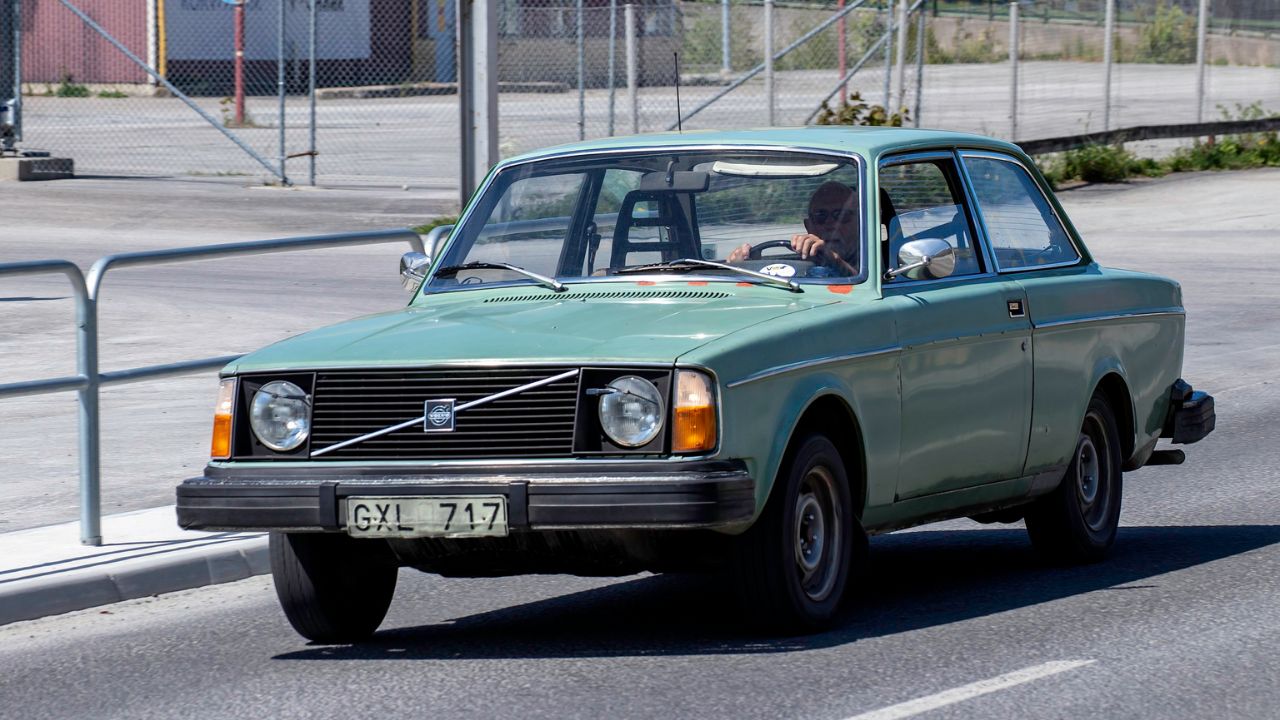
Built like a tank but disguised as a boxy family hauler, the Volvo 240 can shrug off abuse like few others. It came with bulletproof inline-four engines like the 2.3L B230, paired with simple RWD layouts and MacPherson struts up front.
The 240’s real strength was its minimalist approach—manual windows, thick steel construction, and overbuilt suspension. Interiors were bare but functional, and mechanics around the world know how to keep these going with basic tools.
4. Toyota Hilux (Any Year)

If there’s one truck with an apocalypse-ready reputation, it’s the Hilux. It’s been dropped from towers, set on fire, flooded, and still found a way to run. Diesel options like the 2.4L and 2.8L engines paired with solid axles and leaf springs kept things indestructible.
The interior was always no-frills, designed for work—not comfort. From rural farms to Middle Eastern battlefields, the Hilux has proven it can survive anything short of a direct meteor hit.
5. Subaru Outback (2000–2009)

You might not expect a Subaru to make this list, but the early 2000s Outback had the right stuff. With symmetrical all-wheel drive, generous ground clearance, and boxer engines like the 2.5L flat-four, it could go further than most soft-roaders.
It wasn’t overbuilt, but it was incredibly versatile. With the seats folded flat, you’ve got room for gear or a place to sleep. In an emergency, that combo of all-weather traction and cargo space could be all you need.
6. Mercedes-Benz G-Class (1979–1991, W460)
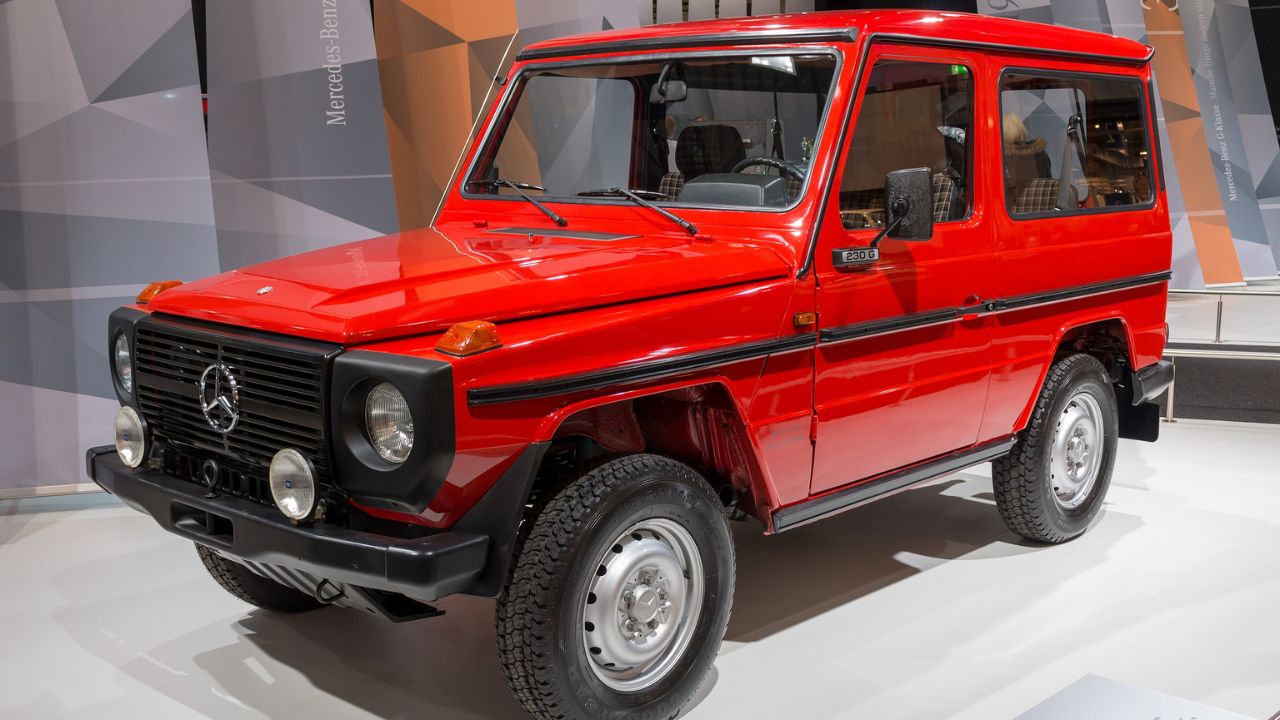
Long before it became a luxury icon, the original G-Wagen was built for the military. The W460 generation came with ladder frames, locking diffs, and engines like the diesel 240GD—slow, yes, but almost impossible to kill.
The early Gs were boxy, cramped, and noisy—but also nearly unstoppable. They had leaf or coil spring suspension (depending on trim) and bodies built to take a beating. These rigs were built for the field, not the valet stand.
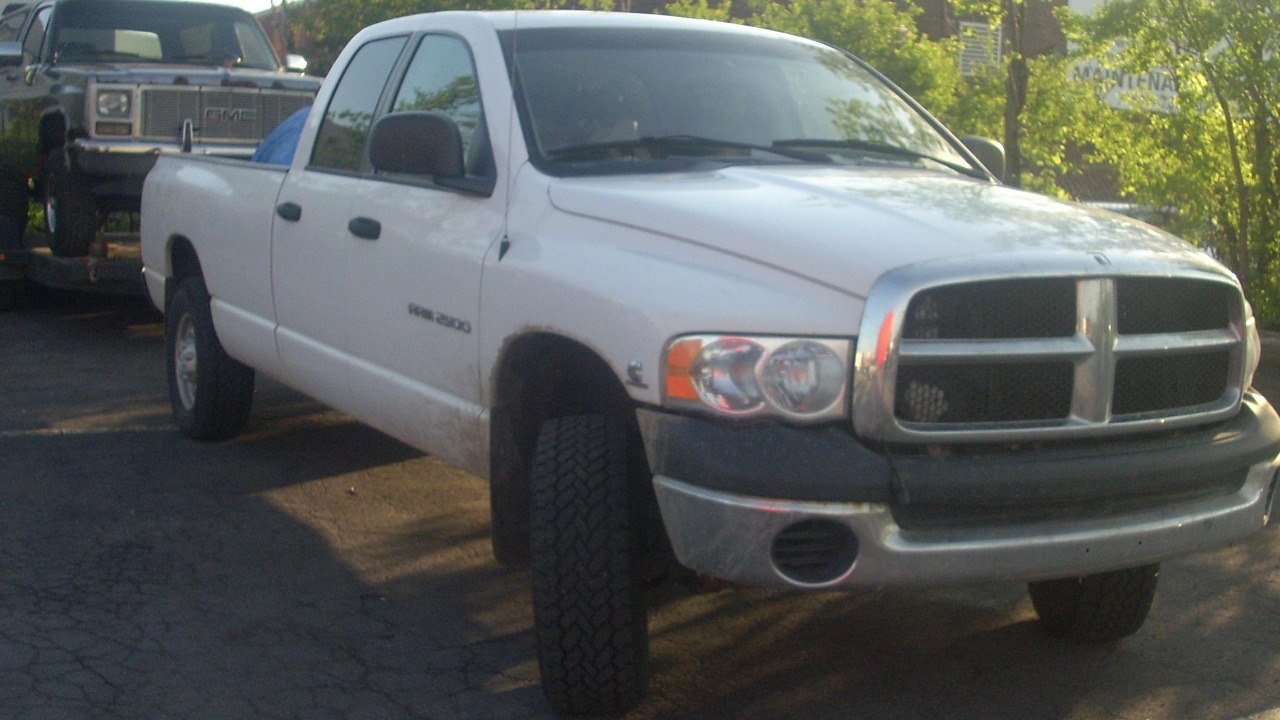
7. Dodge Ramcharger (1974–1993)
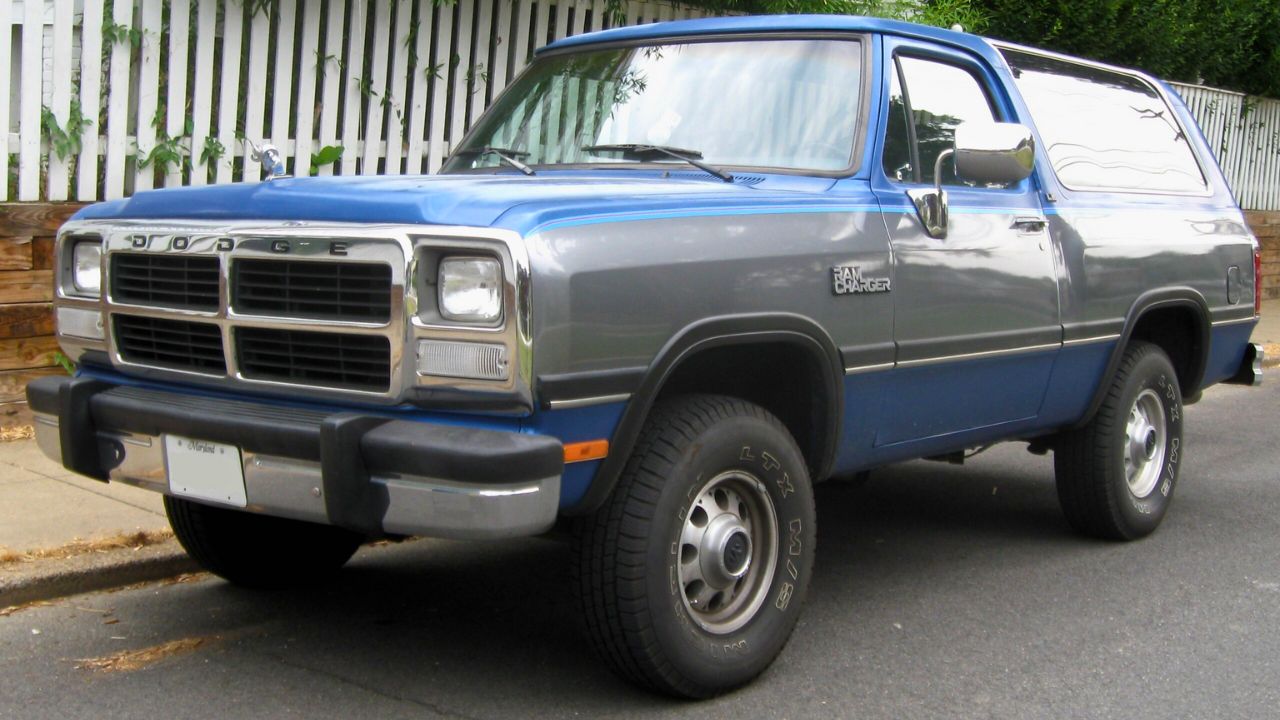
The Ramcharger was Dodge’s answer to the Blazer and Bronco, and it didn’t mess around. Most were powered by 318 or 360 V8s, with plenty of low-end torque for towing or trail work. Dana axles and leaf springs kept it all rugged.
Inside, it was all vinyl and steel—tough, easy to clean, and made for hard use. Ramchargers are still roaming the Southwest, and if you need something full-size that can bash through brush or haul a bug-out trailer, this one fits the bill.
8. Peugeot 504 (1968–2005 in global markets)
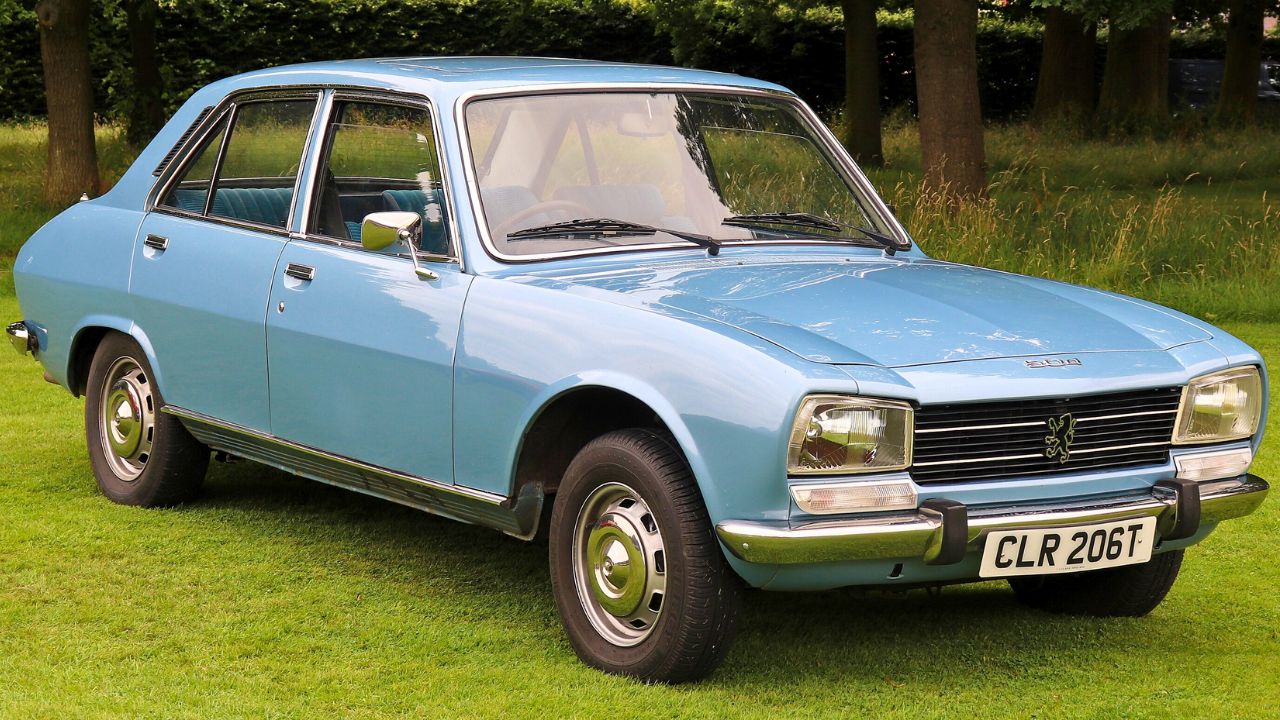
The Peugeot 504 might seem like an oddball, but this sedan and wagon earned its apocalypse cred in Africa and the Middle East. With rear-wheel drive (or 4×4 versions built under license), torsion bar suspension, and an indestructible diesel engine, it was the definition of endurance.
These cars could carry people, goods, and gear across terrain that would shut down modern SUVs. The interior was basic, the electronics were minimal, and parts could be scavenged or rebuilt on the fly.
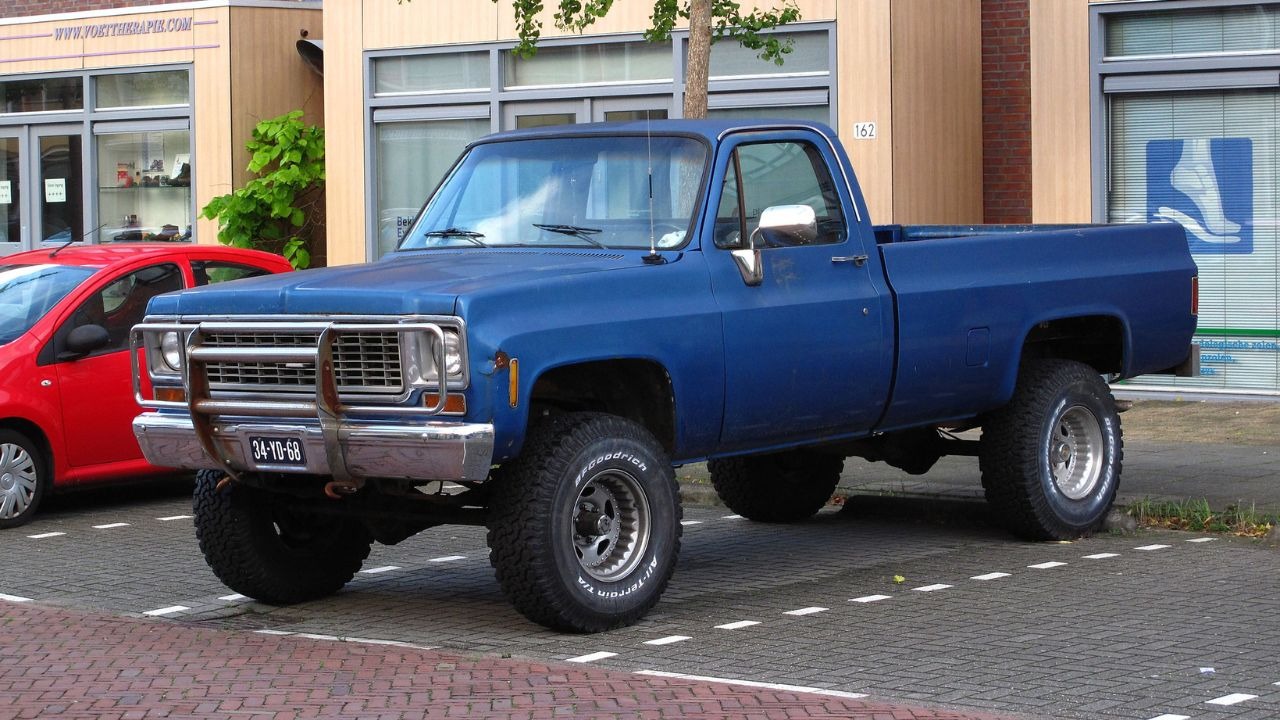
9. Chevrolet K30 (1983–1987)
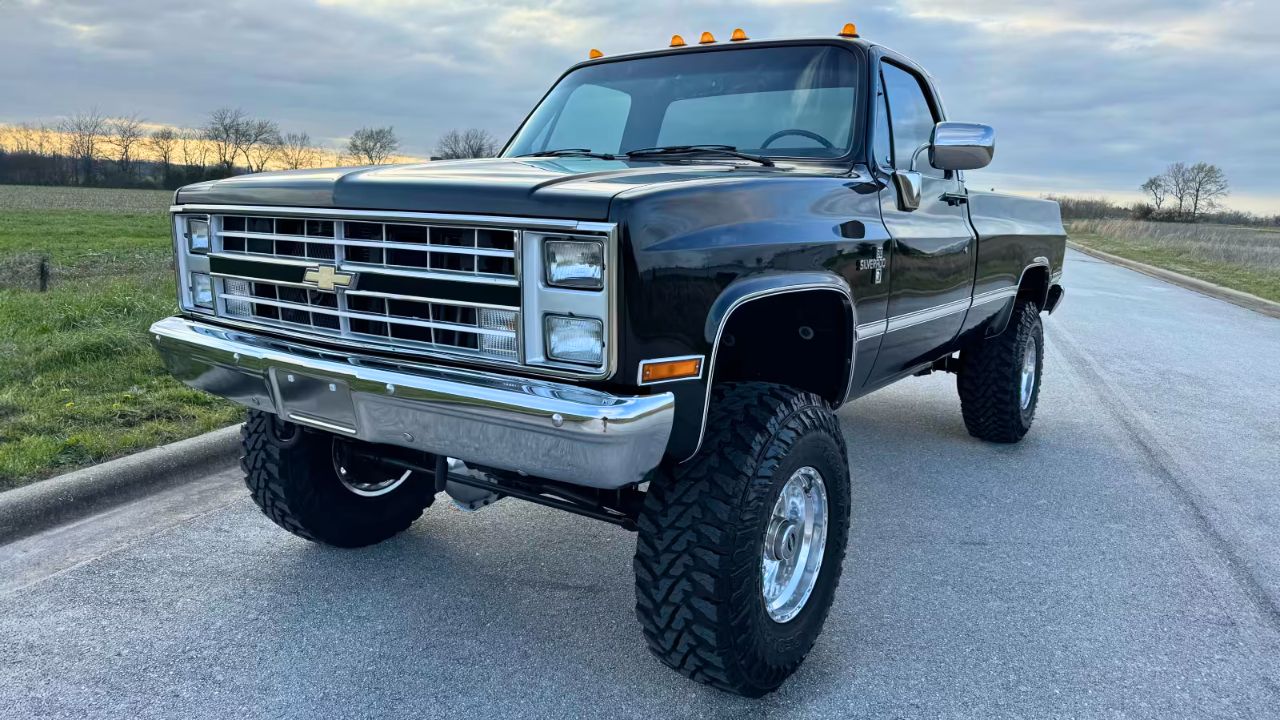
The K30 was a one-ton 4×4 beast, often spec’d with a 454 big-block or a 6.2L Detroit Diesel. With Dana 60 front and 14-bolt rear axles, solid leaf springs, and a reputation for brute strength, it’s more military-grade than civilian.
Interiors were straight out of a work truck catalog—hard plastic, bench seats, manual everything. It’s the kind of rig you’d trust to pull a tank or tow a bunker on wheels. Plus, its sheer size makes it great for intimidating traffic in a post-collapse world.
10. UAZ-469 (1971–Present in some forms)
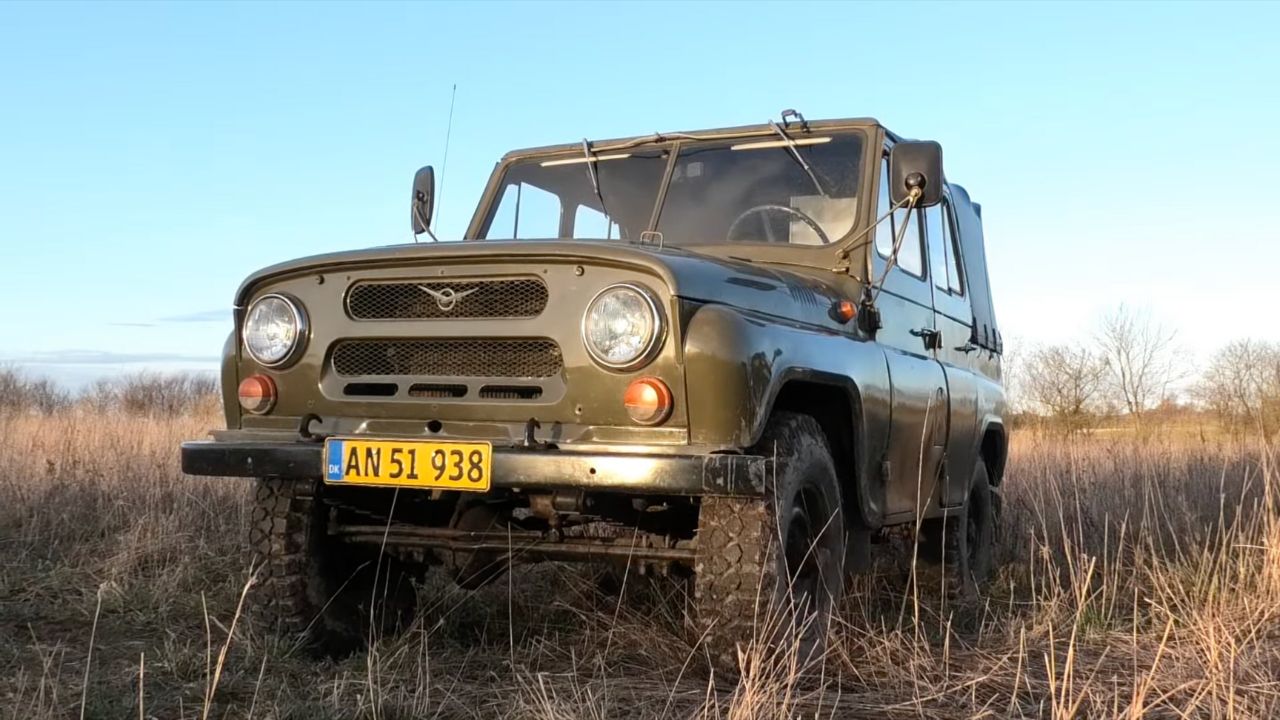
The Russian-built UAZ-469 was never pretty, but it was built for the end of days. With leaf-sprung solid axles front and rear, a carbureted 2.4L inline-four, and absolutely zero electronics, it was designed to be repaired with a hammer and wire.
Originally built for the Soviet military, the 469 went everywhere from Afghanistan to Arctic expeditions. No frills, no problem—it’ll keep crawling long after flashier rigs give up.