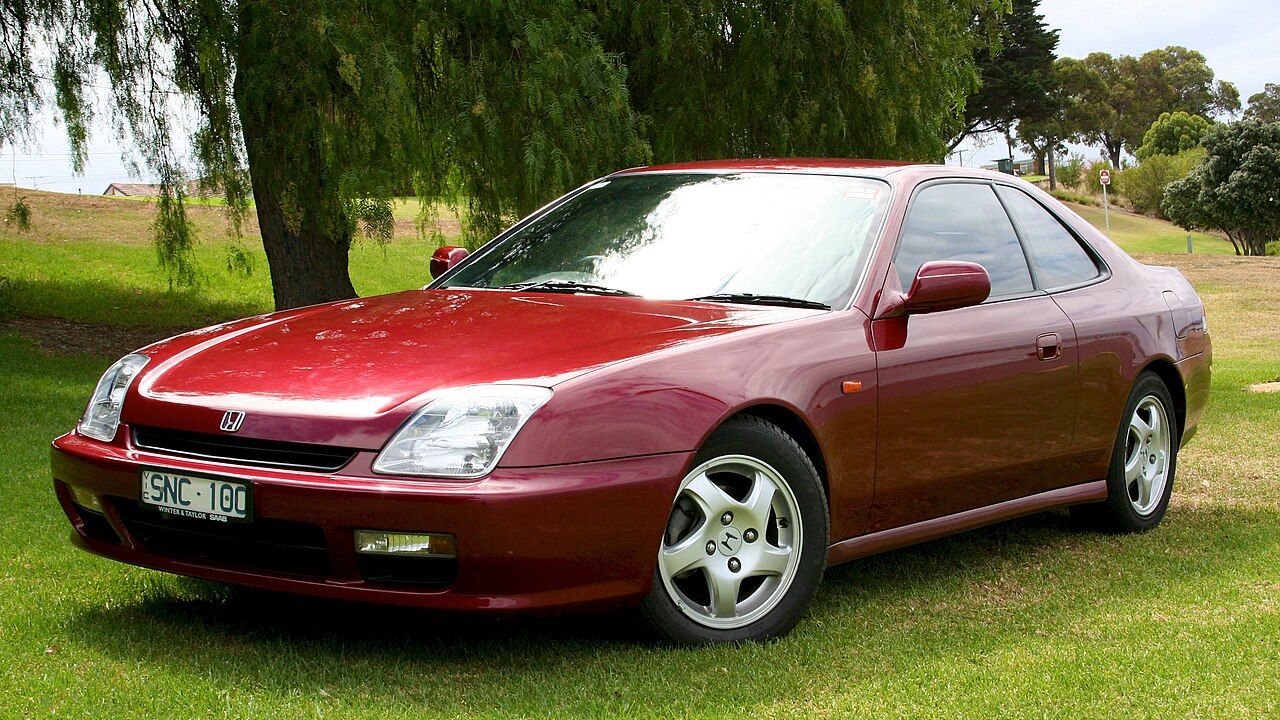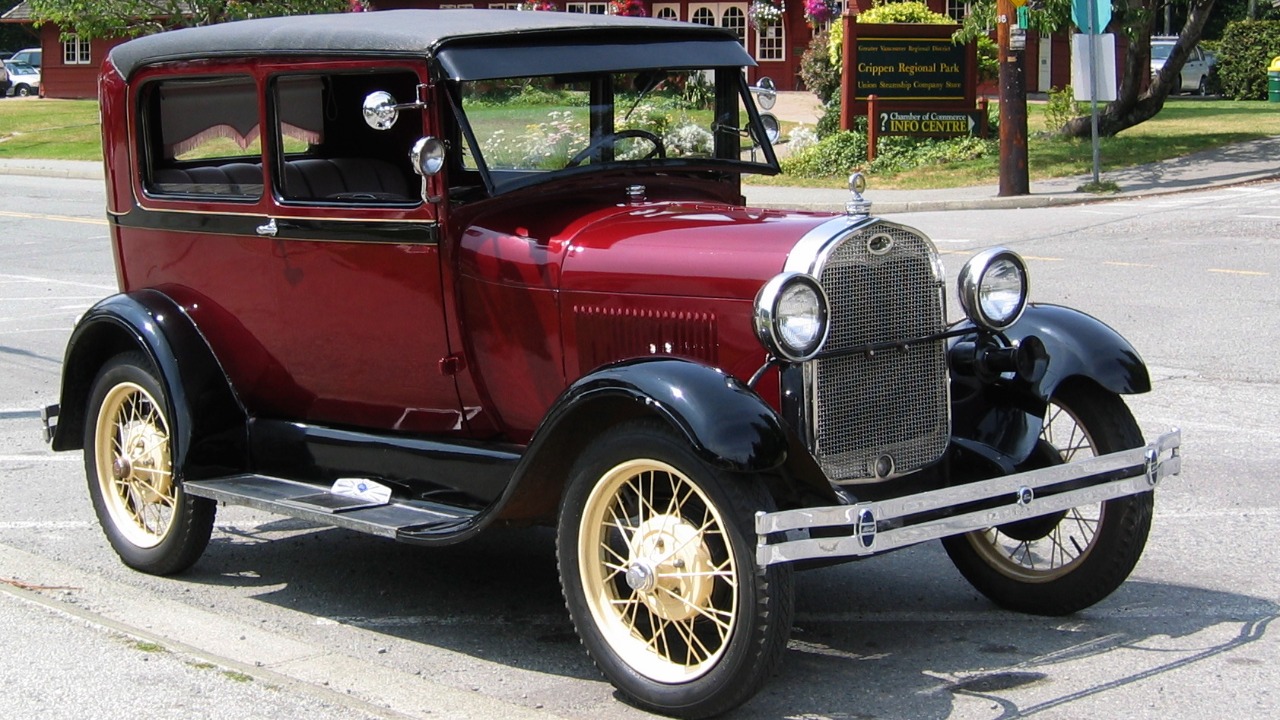
The Roaring Twenties transformed the automobile from a luxury into an everyday necessity. Manufacturers introduced better engineering, improved safety, and greater affordability, making personal transportation available to millions. These ten cars helped redefine how people traveled, influenced future automotive development, and left lasting marks on transportation history through their groundbreaking designs and widespread impact.
Ford Model A
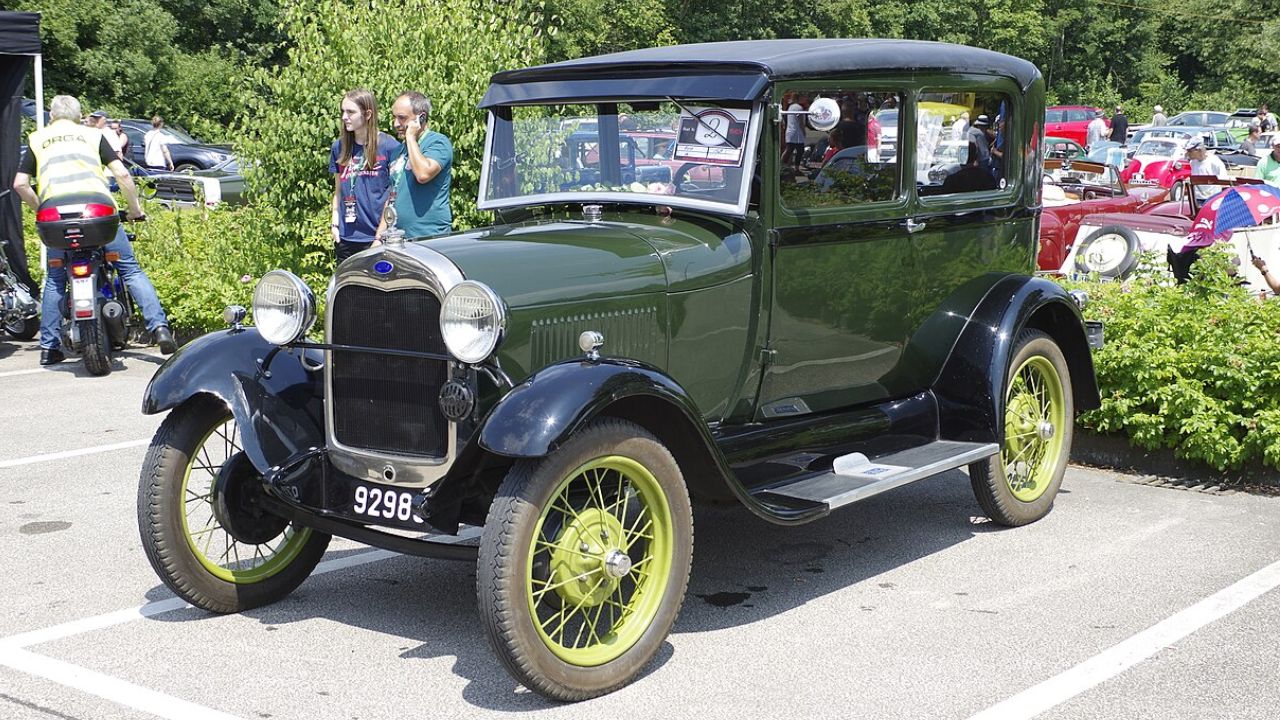
The Ford Model A marked a major evolution from the legendary Model T by offering improved performance, modern styling, and a wider selection of body styles. Its smooth-running engine, better brakes, and driver-friendly controls appealed to motorists seeking a more refined experience. Selling millions of units worldwide, the Model A demonstrated that practical transportation could continue evolving while remaining affordable for ordinary families.
Chrysler Model 72
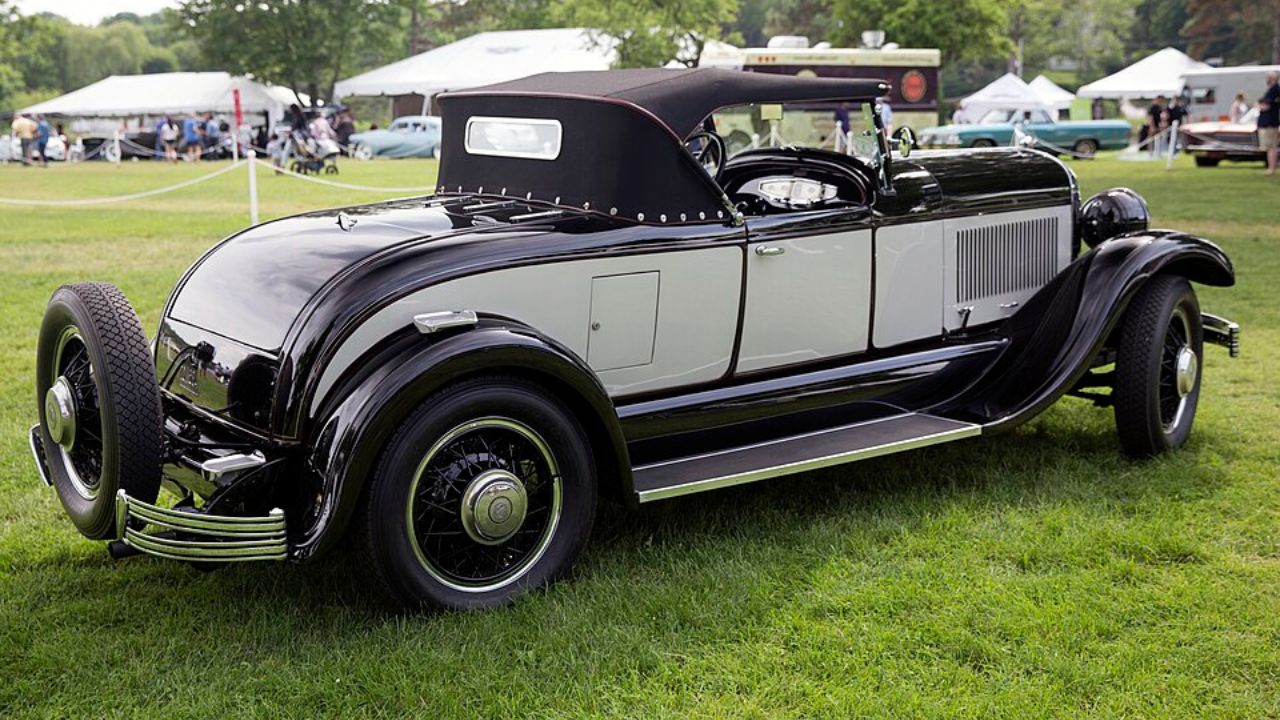
The Chrysler Model 72 reflected the company’s engineering-first philosophy by combining strong performance with advanced features. Its high-compression engine provided lively acceleration, while four-wheel hydraulic brakes delivered superior stopping power compared with many competitors. The Model 72 helped raise consumer expectations for safety and reliability, encouraging manufacturers throughout the industry to adopt more sophisticated technologies in their future automobiles.
Essex Super Six
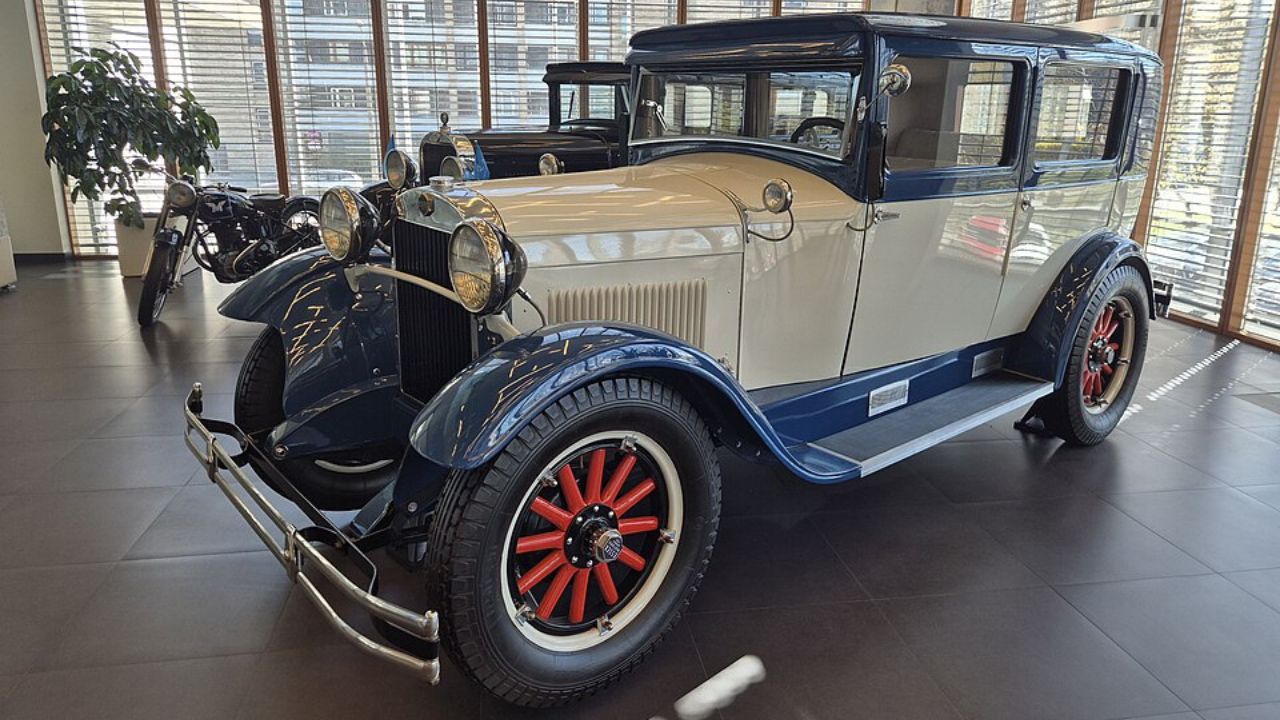
The Essex Super Six proved that dependable, affordable cars could also be comfortable and durable enough for long-distance travel. Its robust six-cylinder engine and accessible pricing attracted buyers who wanted more performance than many entry-level vehicles offered. The car gained a reputation for reliability in demanding conditions, helping expand automobile ownership and making regional travel increasingly practical for middle-class families.
Dodge Brothers Victory Six
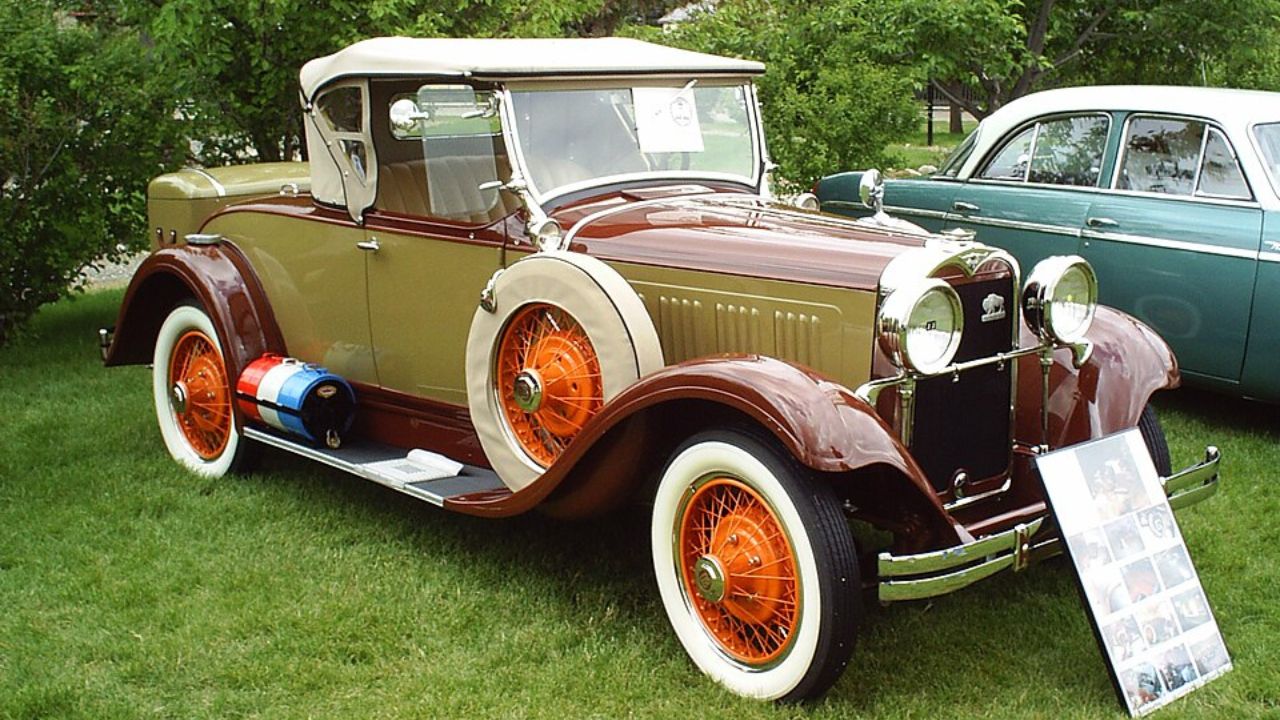
The Dodge Brothers Victory Six introduced smooth six-cylinder power to buyers seeking dependable everyday transportation. Built with durability in mind, it offered confident performance, sturdy construction, and comfortable touring capabilities. Its combination of reliability and refinement appealed to both families and business owners. The Victory Six helped popularize six-cylinder automobiles, influencing market demand as consumers increasingly expected stronger, smoother engines.
Oakland All-American Six
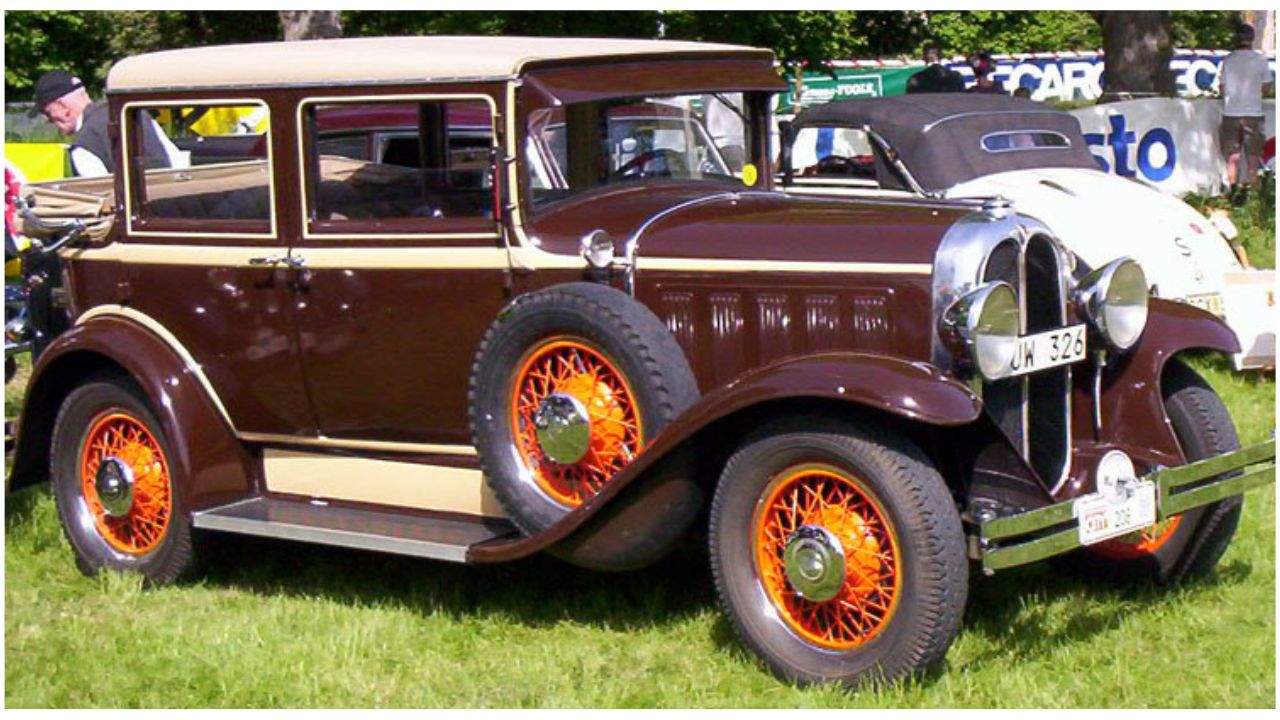
The Oakland All-American Six showcased General Motors’ growing emphasis on combining engineering quality with stylish design. Its capable six-cylinder engine delivered balanced performance, while attractive bodywork appealed to buyers looking beyond simple utility. The model represented a shift toward automobiles that blended reliability, appearance, and value, helping shape expectations for mainstream passenger cars during the closing years of the decade.
Nash Advanced Six
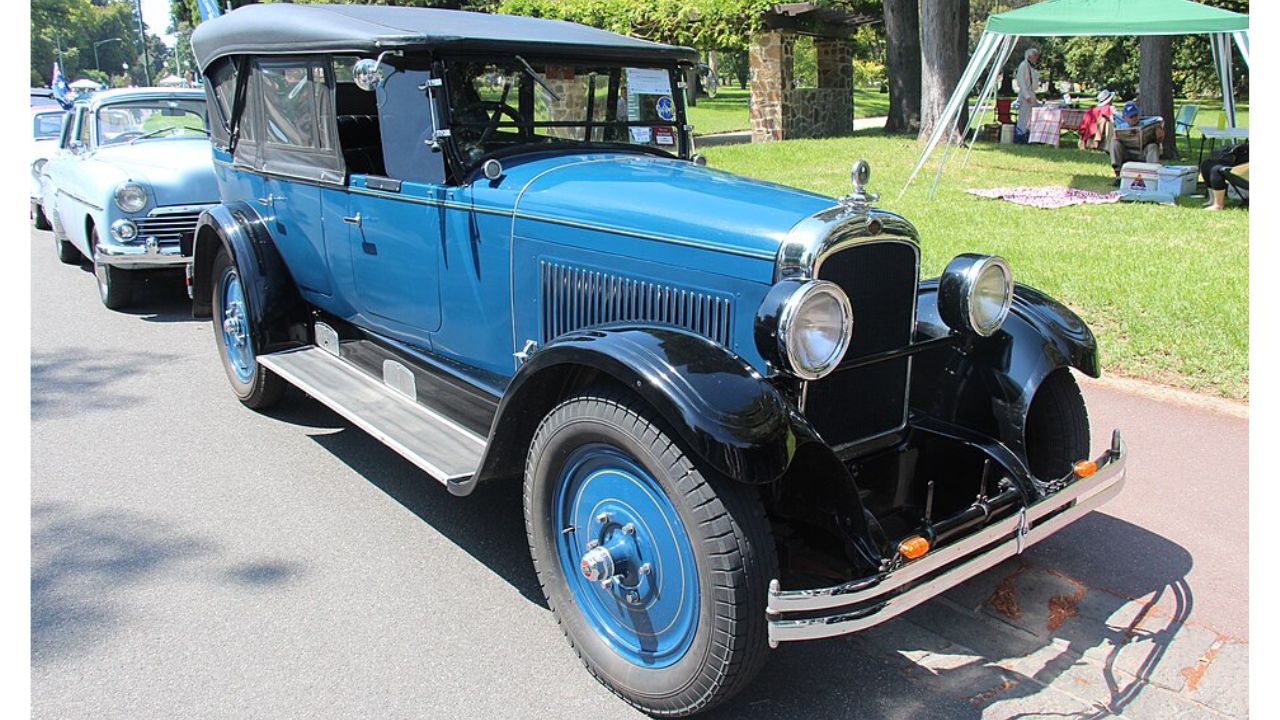
The Nash Advanced Six emphasized passenger comfort alongside dependable engineering. A spacious cabin, smooth six-cylinder performance, and solid construction made it an appealing choice for families traveling greater distances. Nash also incorporated thoughtful design improvements that enhanced everyday usability. The Advanced Six demonstrated how comfort and practicality could become essential selling points, influencing the direction of family automobiles for years afterward.
Hupmobile Century Six
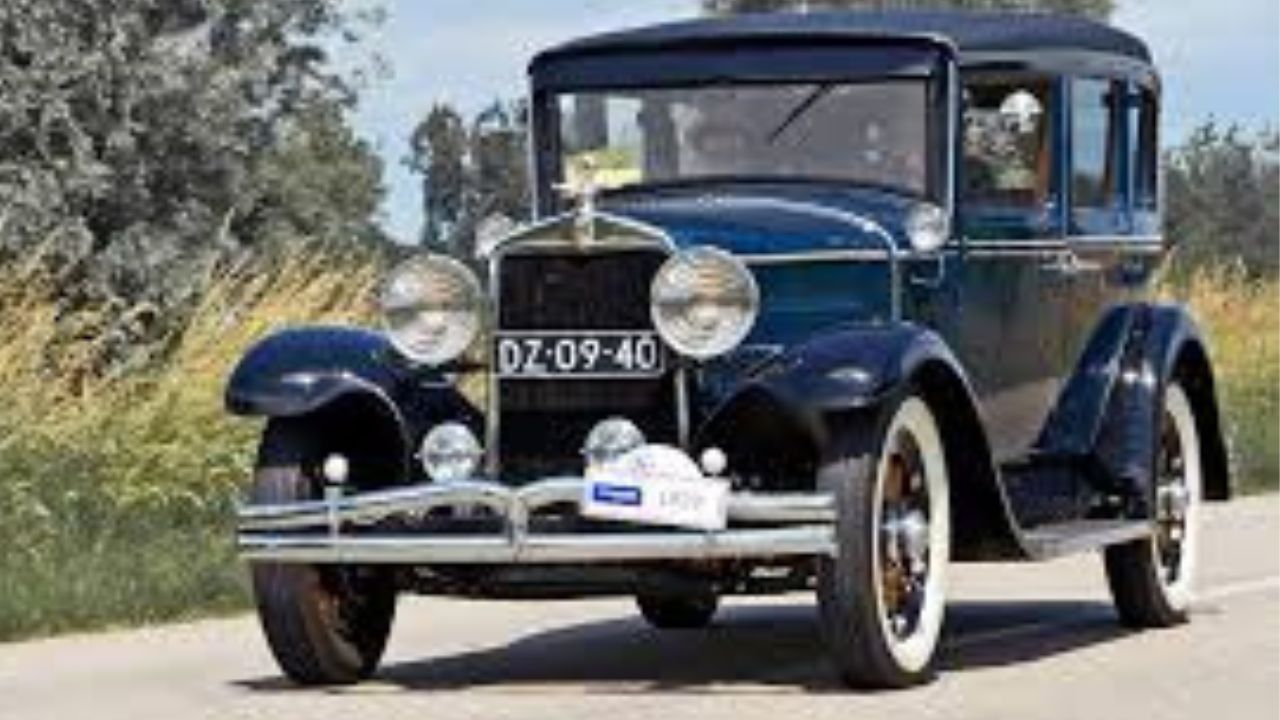
The Hupmobile Century Six earned recognition by delivering impressive engineering at a competitive price. Its dependable six-cylinder engine, quality construction, and refined ride attracted buyers who wanted premium characteristics without luxury-car costs. The model reinforced the idea that innovation did not have to remain exclusive to expensive automobiles, encouraging greater competition across the rapidly expanding American automotive market.
Durant Model 60
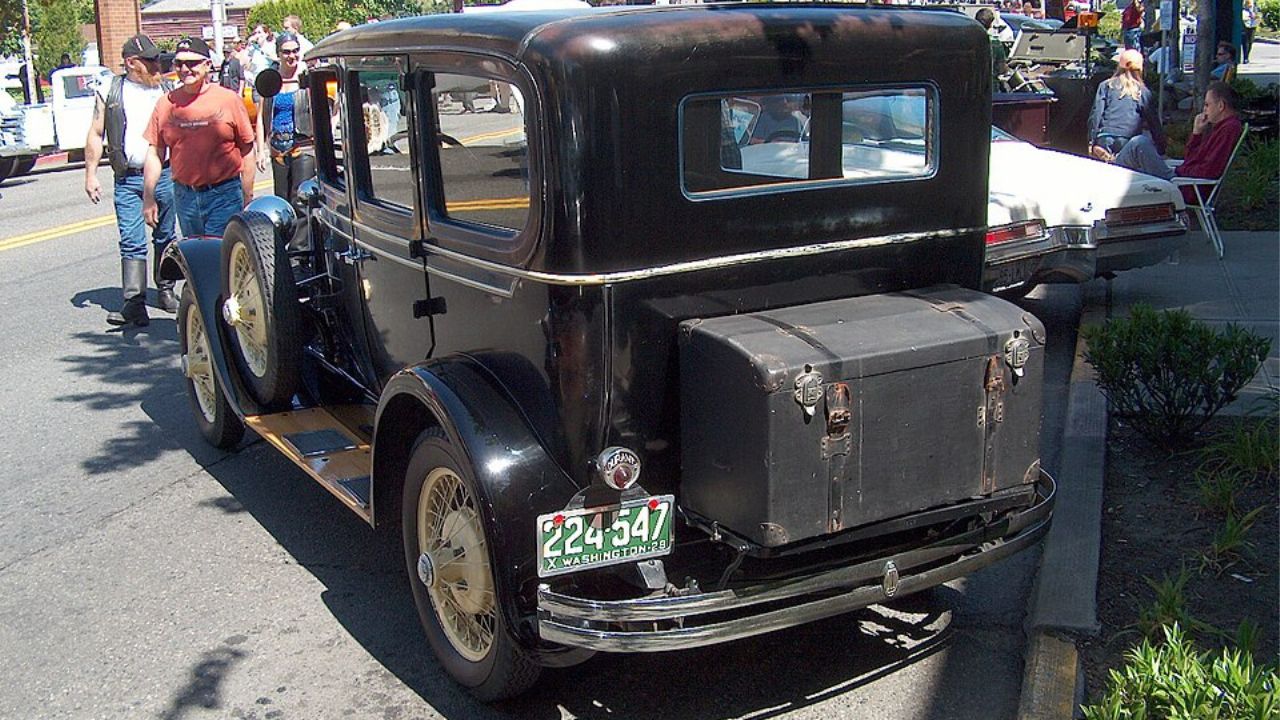
The Durant Model 60 represented the ambition of a growing manufacturer determined to compete with established industry leaders. It combined attractive styling with reliable mechanical components and practical affordability, making automobile ownership attainable for more households. Although the Durant company eventually disappeared, the Model 60 reflected the competitive energy that accelerated technological progress and expanded transportation choices throughout the Roaring Twenties.
Peerless Six-81
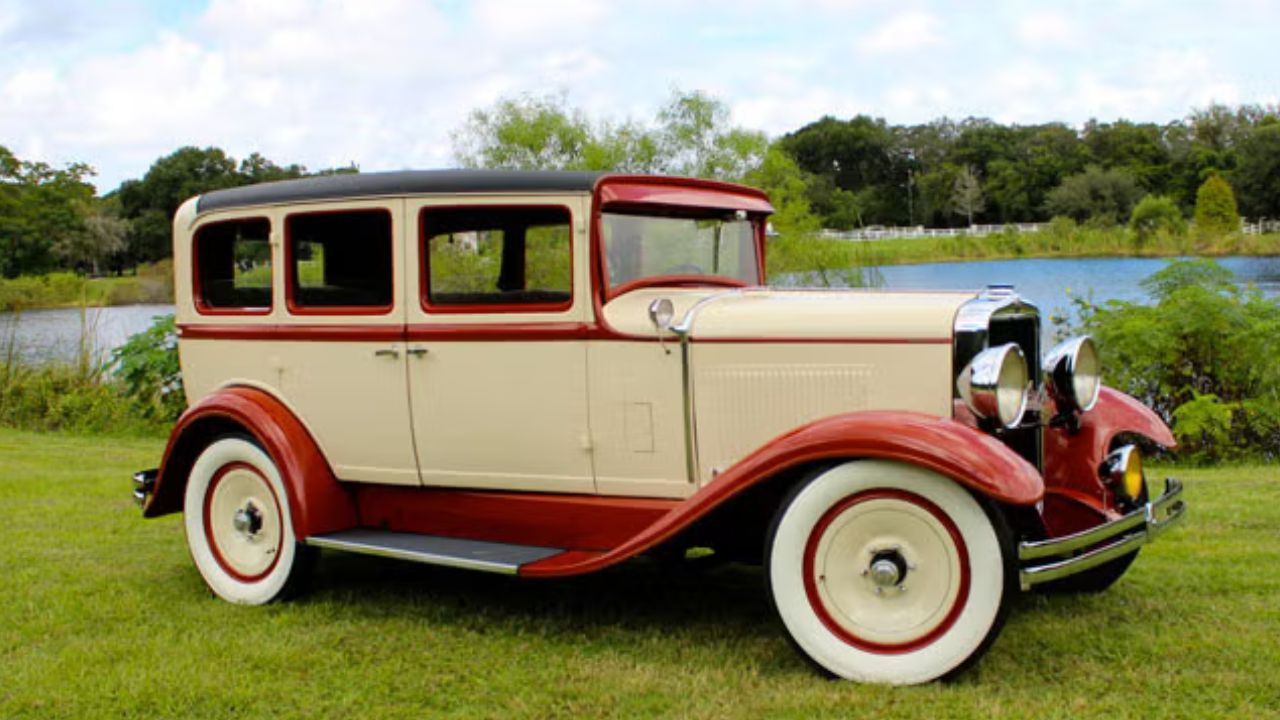
The Peerless Six-81 demonstrated that luxury automobiles could advance engineering as much as comfort. Its powerful six-cylinder engine, refined craftsmanship, and smooth ride made it a favorite among affluent motorists seeking dependable long-distance transportation. The vehicle highlighted how premium manufacturers often pioneered features and quality standards that gradually filtered into more affordable automobiles across the broader marketplace.
Marmon Roosevelt
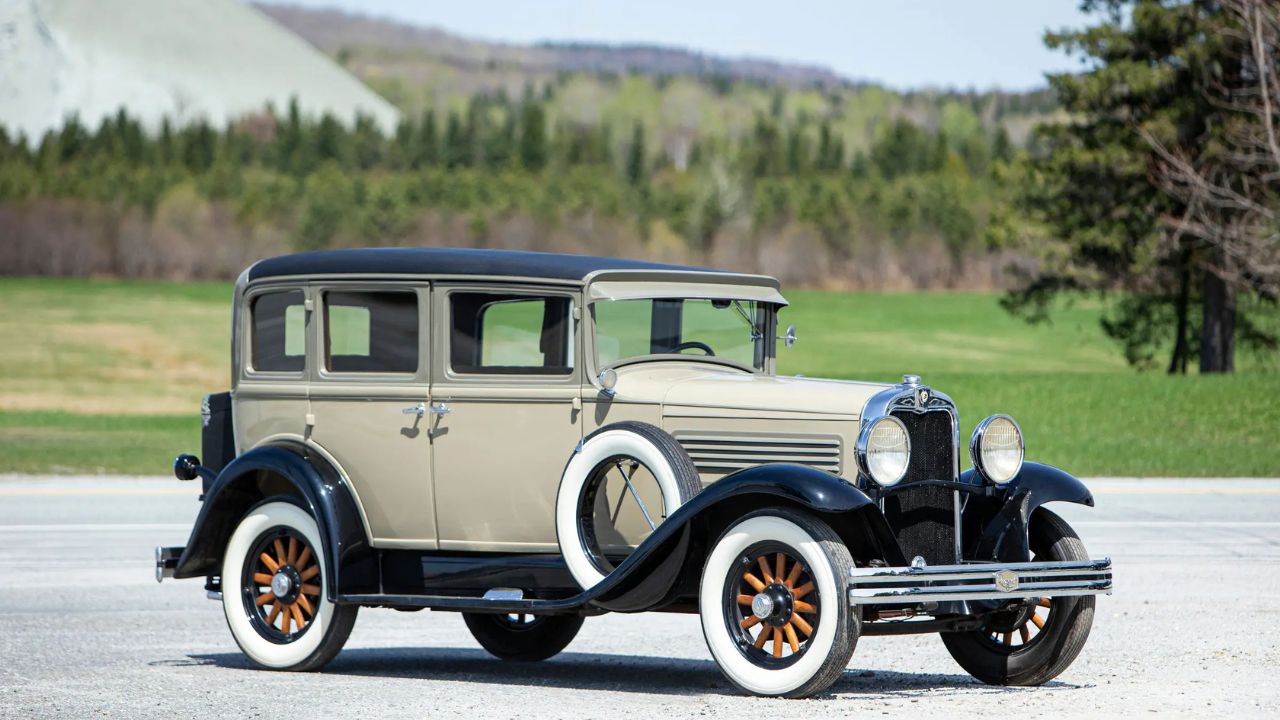
The Marmon Roosevelt sought to bring advanced engineering to a wider audience through efficient production and competitive pricing. Despite its relatively modest cost, it maintained high manufacturing standards and dependable performance. The model reflected Marmon’s innovative spirit and belief that quality engineering should not remain limited to luxury vehicles. Its approach helped influence later efforts to make sophisticated automobiles accessible to everyday buyers.
More from Fast Lane Only
- Unboxing the WWII Jeep in a Crate
- 15 rare Chevys collectors are quietly buying
- 10 underrated V8s still worth hunting down
- Police notice this before you even roll window down
*Research for this article included AI assistance, with all final content reviewed by human editors