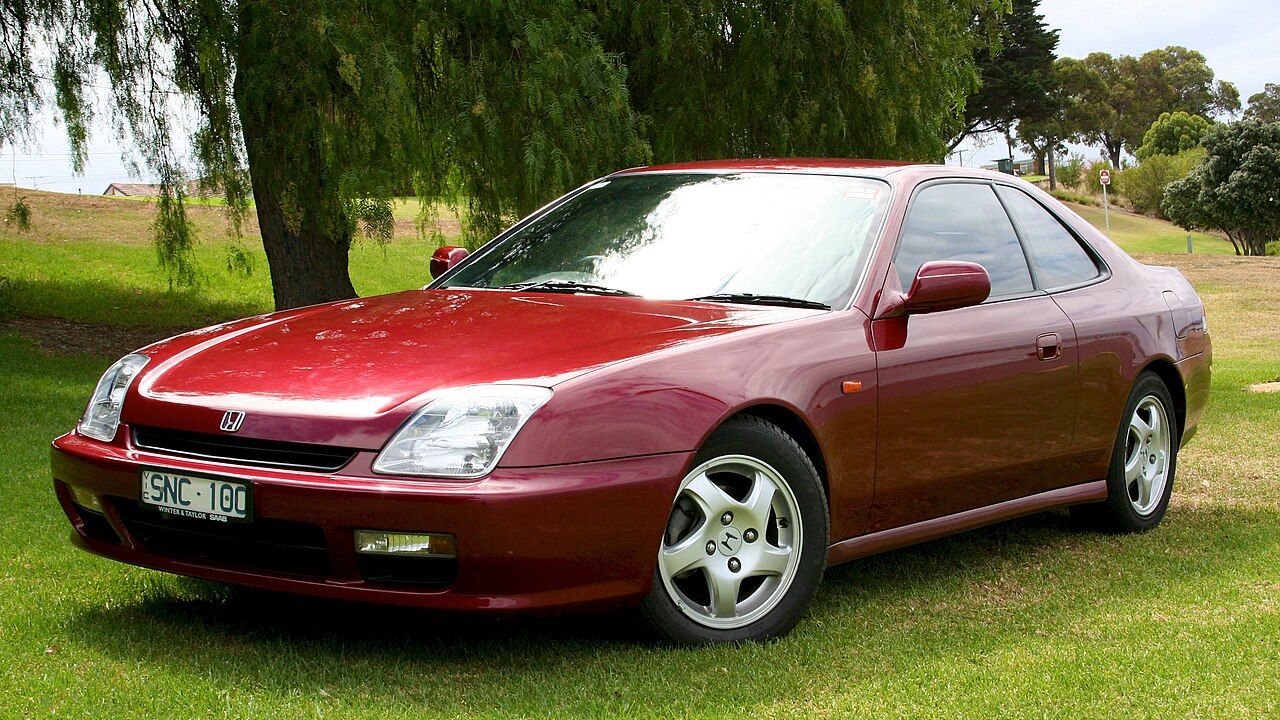
The 1920s brought remarkable innovation as automakers experimented with better engineering, improved comfort, and bold styling. While many vehicles remained rooted in tradition, others introduced ideas that hinted at what driving would become in the decades ahead. These twelve vehicles reflected an industry eager to embrace progress and redefine the future of transportation.
Cord L-29
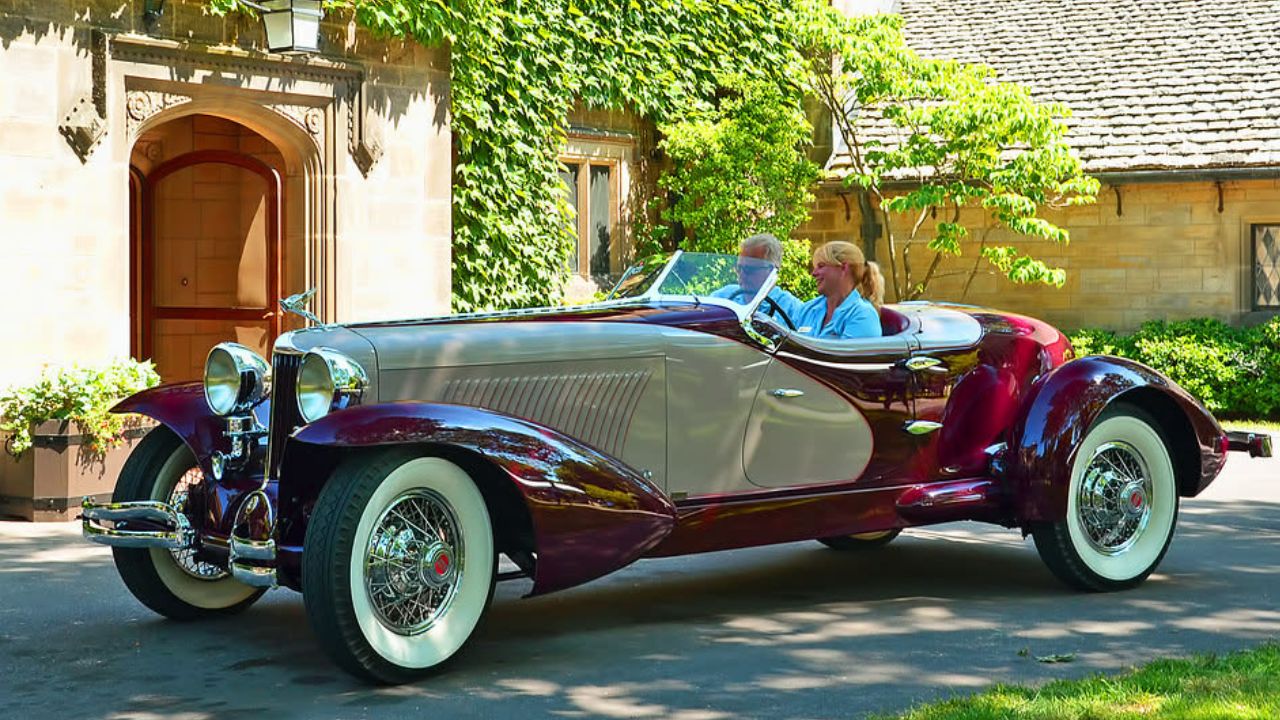
The Cord L-29 challenged conventional automotive engineering by becoming America’s first front-wheel-drive production car. This advanced layout improved interior space while giving the vehicle a lower, sleeker appearance than many competitors. Its elegant proportions and refined handling made it feel remarkably modern for its era. Although expensive and produced in limited numbers, the L-29 demonstrated that innovative engineering could completely reshape both vehicle design and driving experience.
Chrysler Model 70
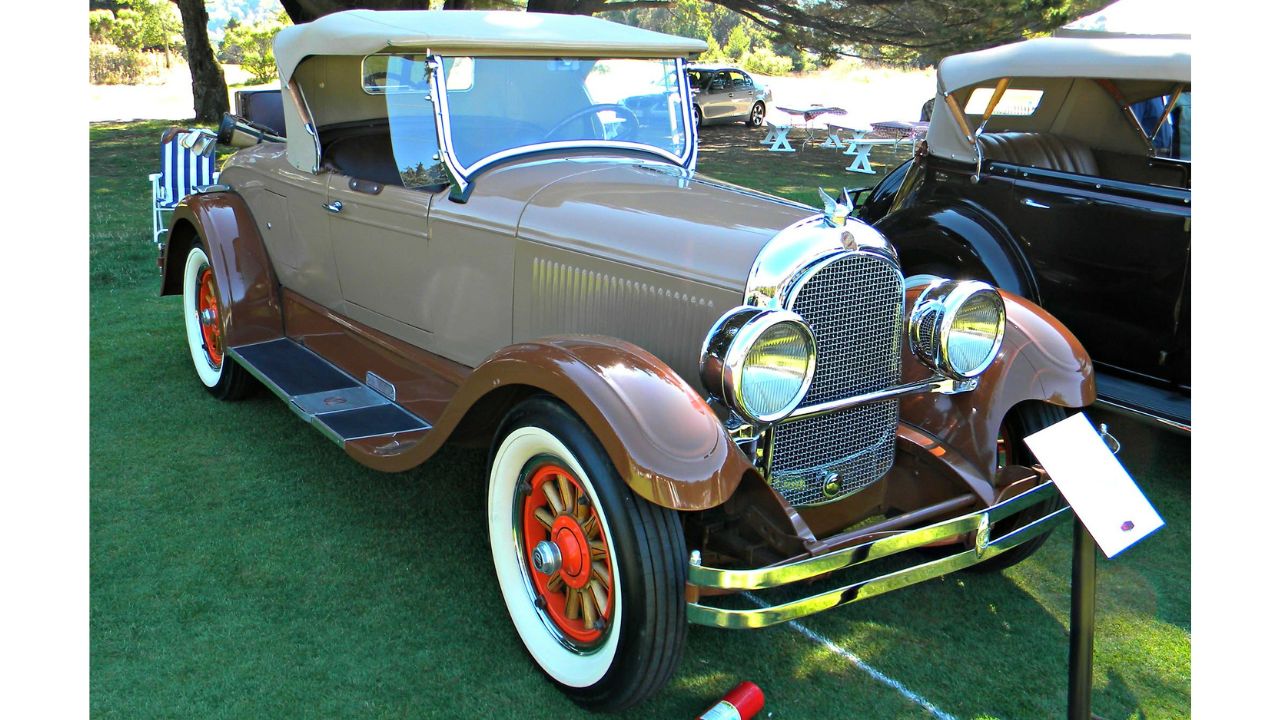
The Chrysler Model 70 showcased the company’s commitment to engineering over tradition. Equipped with a high-compression engine and four-wheel hydraulic brakes, it delivered stronger performance and safer stopping than many rivals. Buyers appreciated its balance of speed, durability, and comfort during a period when technology was rapidly improving. The Model 70 helped establish Chrysler’s reputation as a manufacturer willing to introduce advanced features before they became industry standards.
Austin Seven
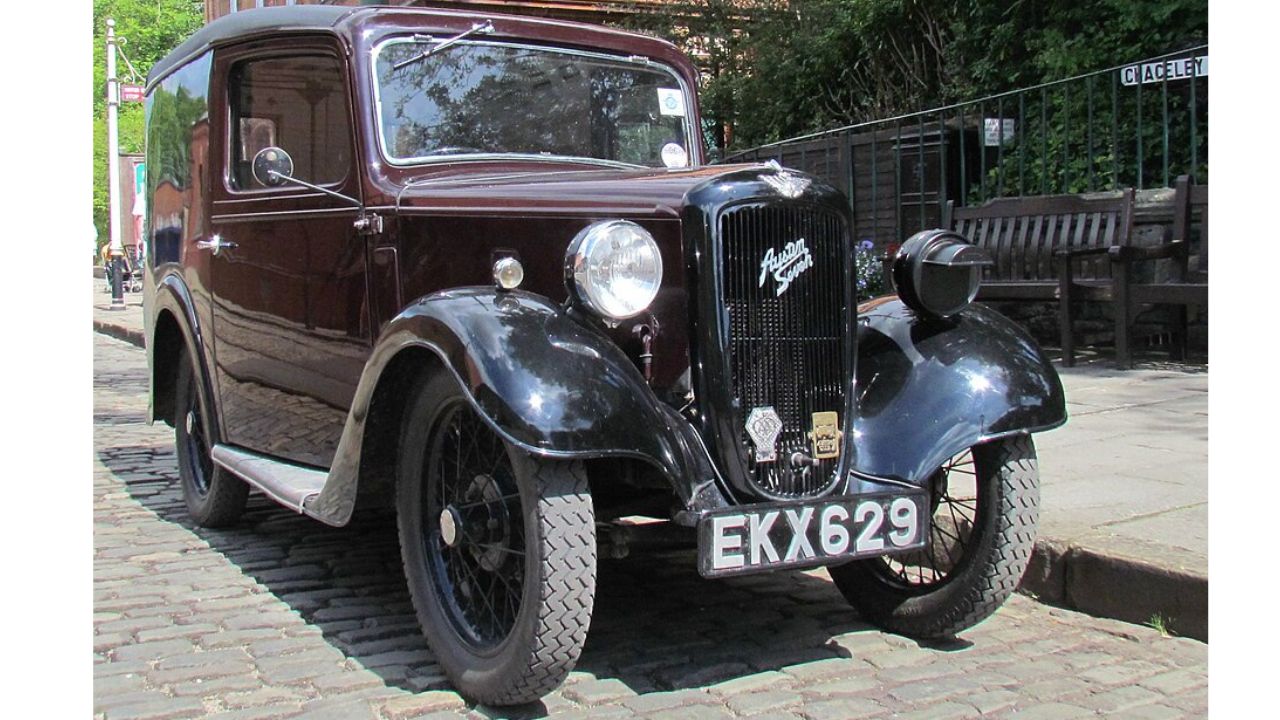
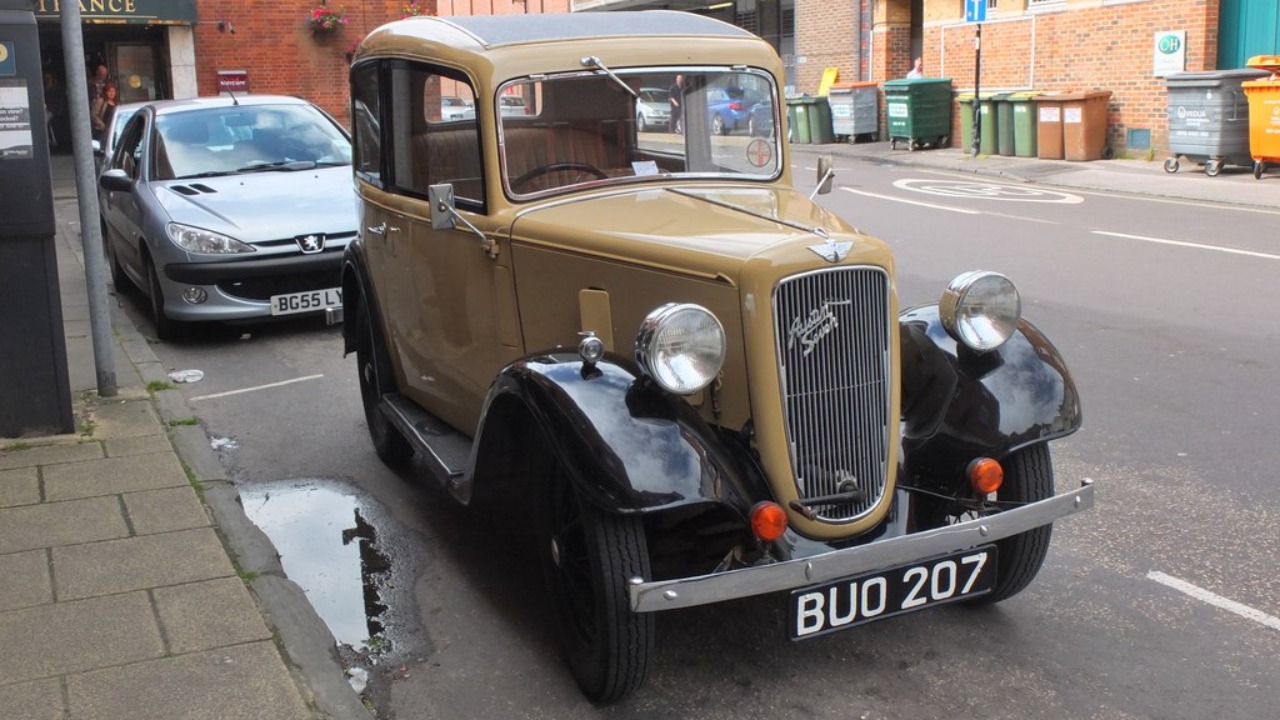
The Austin Seven proved that affordable transportation did not have to sacrifice clever engineering. Compact dimensions, light weight, and economical operation made it practical for thousands of first-time motorists. Despite its modest size, it offered dependable performance and inspired numerous international adaptations. Its straightforward yet efficient design influenced future small cars, showing that intelligent packaging could make personal transportation accessible to a much wider audience.
Citroën B14
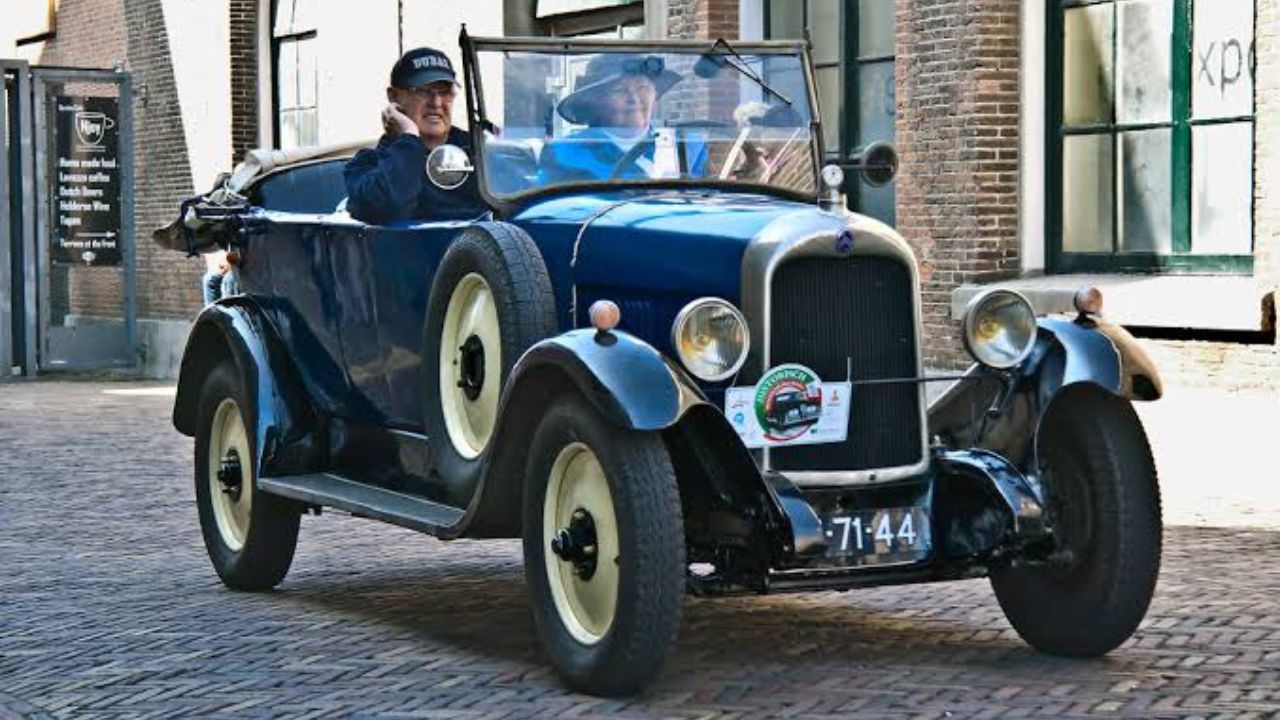
The Citroën B14 reflected France’s growing emphasis on efficient manufacturing and technical improvement. Built using advanced production techniques, it combined all-steel body construction with dependable mechanical components. The result was a durable and comfortable automobile that appealed to families and professionals alike. Its focus on quality, reliability, and production efficiency anticipated manufacturing methods that would later become common throughout the global automotive industry.
Fiat 509
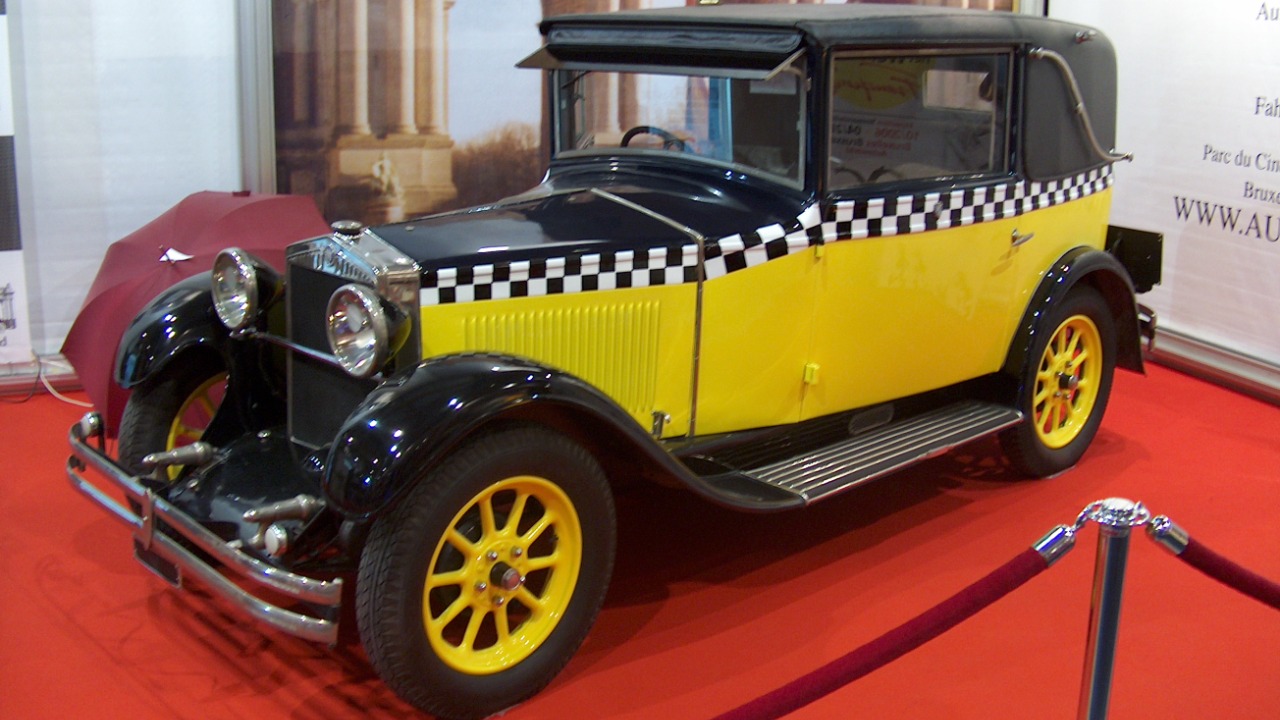
The Fiat 509 demonstrated how smaller automobiles could satisfy everyday transportation needs without unnecessary complexity. Its efficient four-cylinder engine, practical dimensions, and economical ownership made it especially attractive in crowded European cities. Buyers appreciated its approachable driving characteristics and dependable construction. The 509 helped popularize compact personal transportation, encouraging manufacturers to consider practicality and efficiency alongside performance when designing future automobiles.
Lancia Lambda
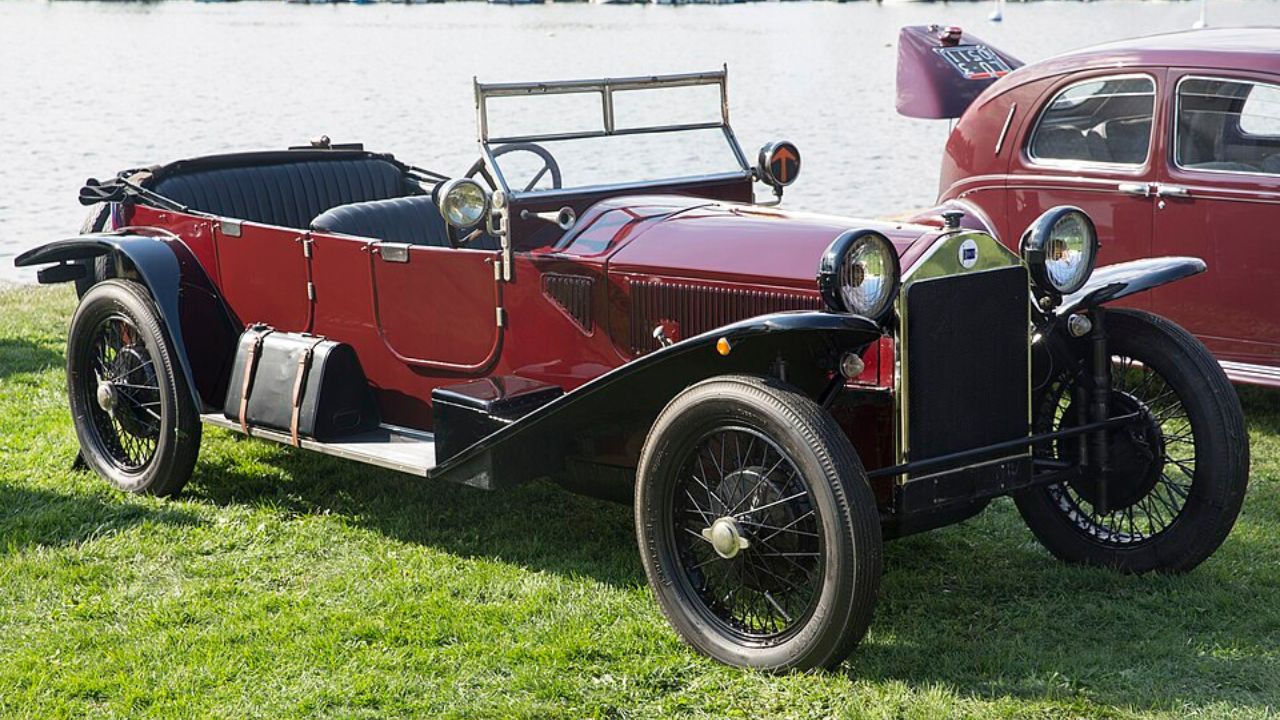
The Lancia Lambda introduced engineering concepts that seemed decades ahead of many competitors. Its unitized body construction reduced weight while increasing structural rigidity, and its independent front suspension greatly improved ride quality. These innovations delivered handling and comfort rarely experienced during the 1920s. The Lambda became one of the most technically influential automobiles of its generation, inspiring future developments that eventually spread across the automotive industry.
Chevrolet International Series AC
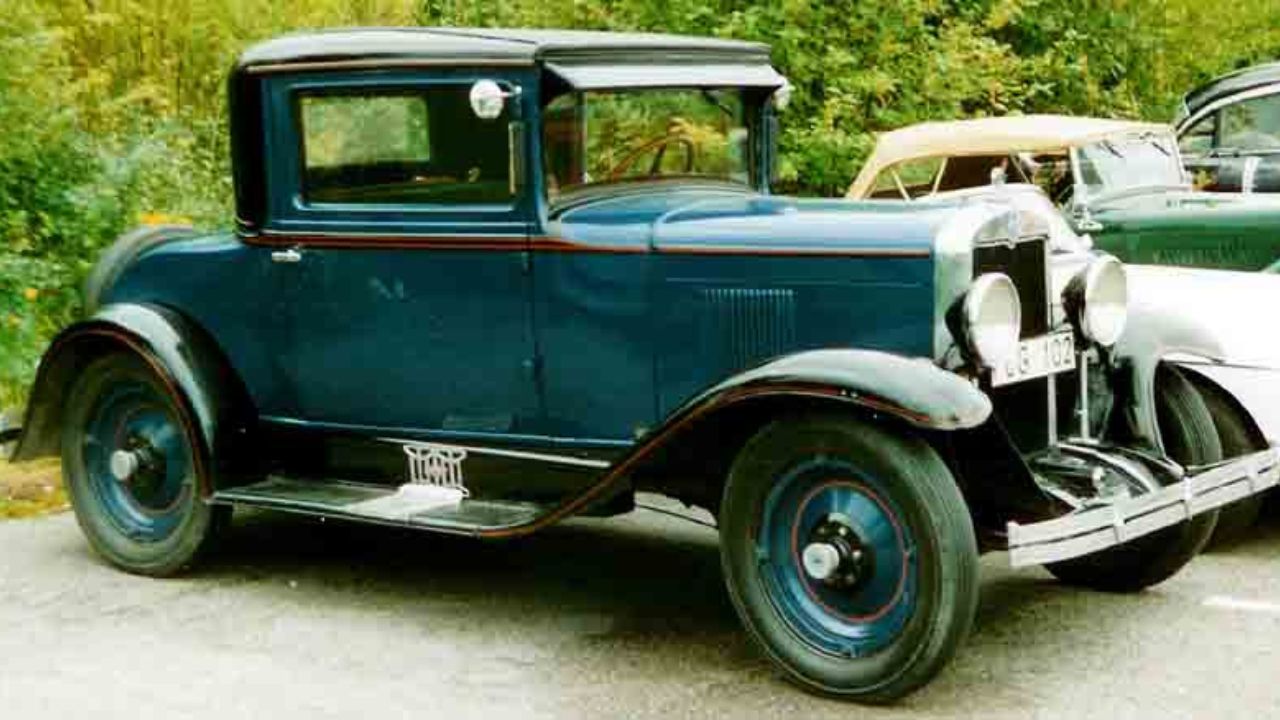
The Chevrolet International Series AC represented the growing refinement of mass-market automobiles. Improvements in engine performance, smoother operation, and driver comfort made it more appealing to families seeking dependable transportation. Chevrolet also emphasized attractive styling without dramatically increasing cost. The vehicle reflected how mainstream manufacturers were beginning to combine affordability with continuous technical improvements, creating cars designed to satisfy increasingly sophisticated customers.
Rolls-Royce Phantom I
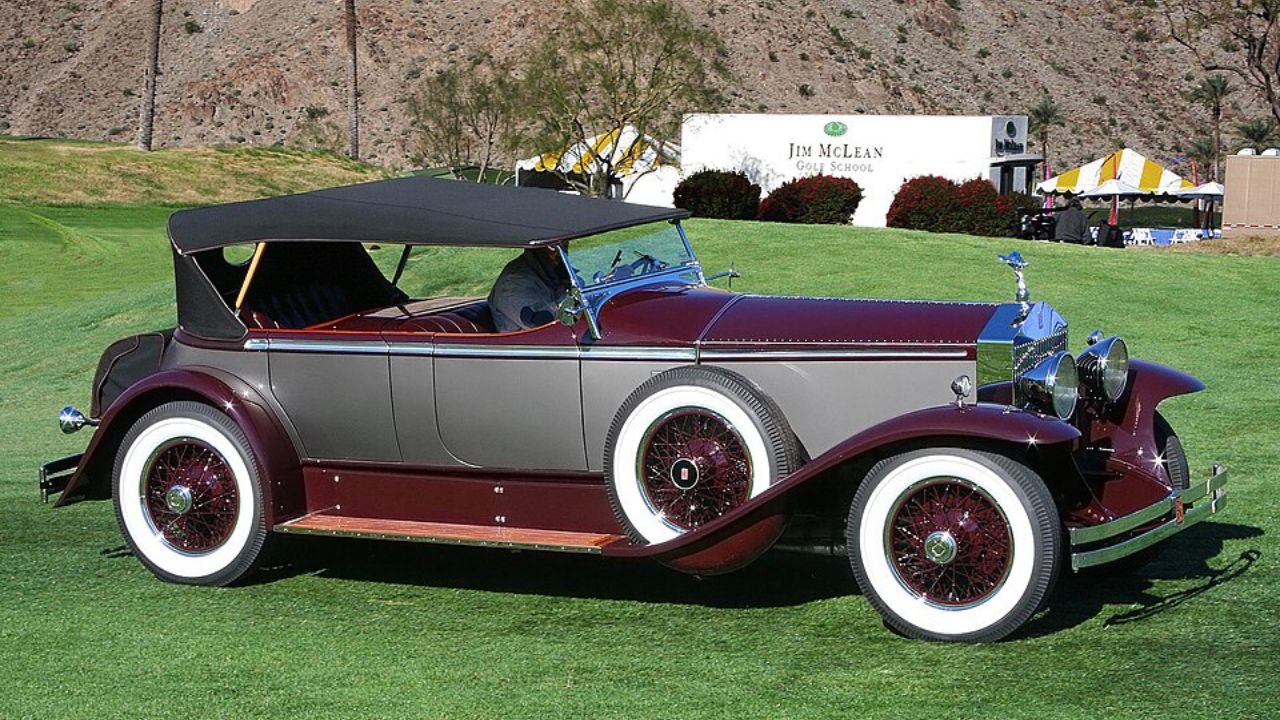
The Rolls-Royce Phantom I illustrated that luxury could evolve alongside engineering excellence. Its refined engine, quiet operation, and exceptional craftsmanship created an experience few competitors could match. Beneath its traditional appearance lay mechanical sophistication that emphasized long-distance comfort and reliability. The Phantom I demonstrated that future luxury automobiles would be judged not only by elegance but also by advanced engineering and effortless performance.
Renault Monasix
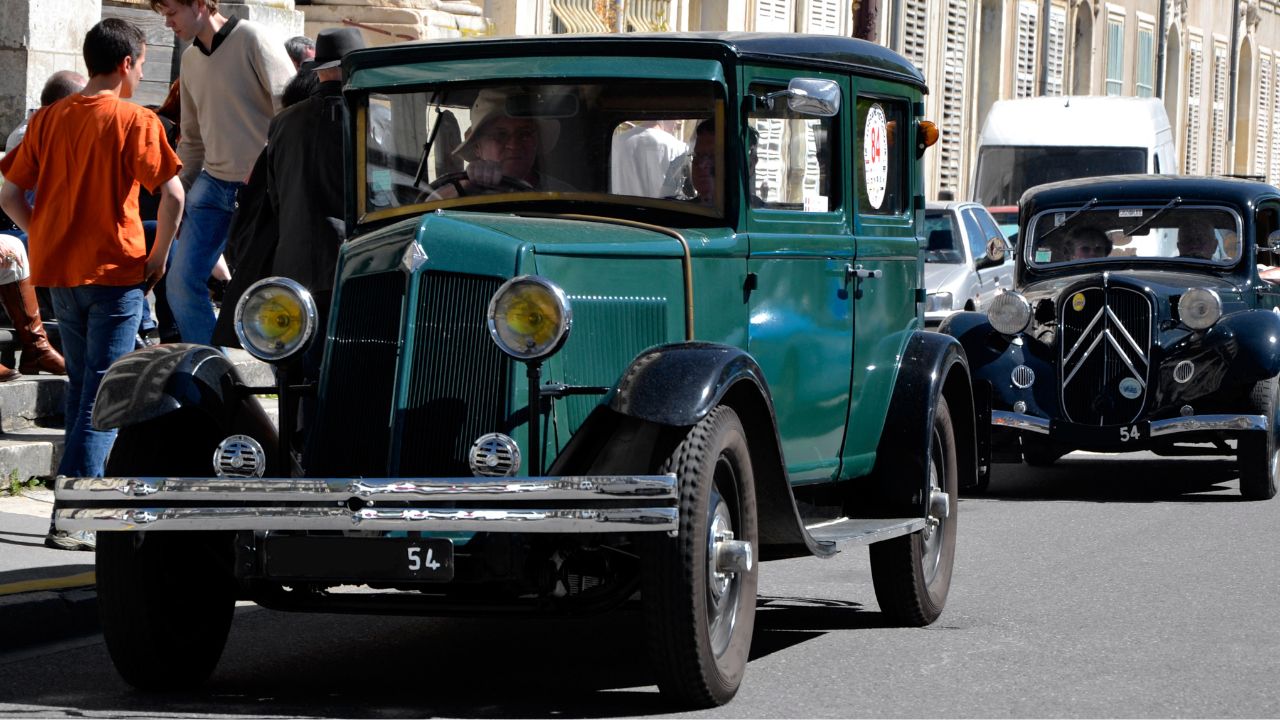
The Renault Monasix embraced practical innovation by offering smooth six-cylinder performance in a relatively compact package. It provided comfortable touring while remaining manageable for everyday use, appealing to buyers who wanted refinement without excessive size. Renault’s thoughtful engineering emphasized reliability and ease of ownership. The Monasix reflected an emerging philosophy that sophisticated mechanical features could become available to a broader segment of motorists.
Graham-Paige Model 610
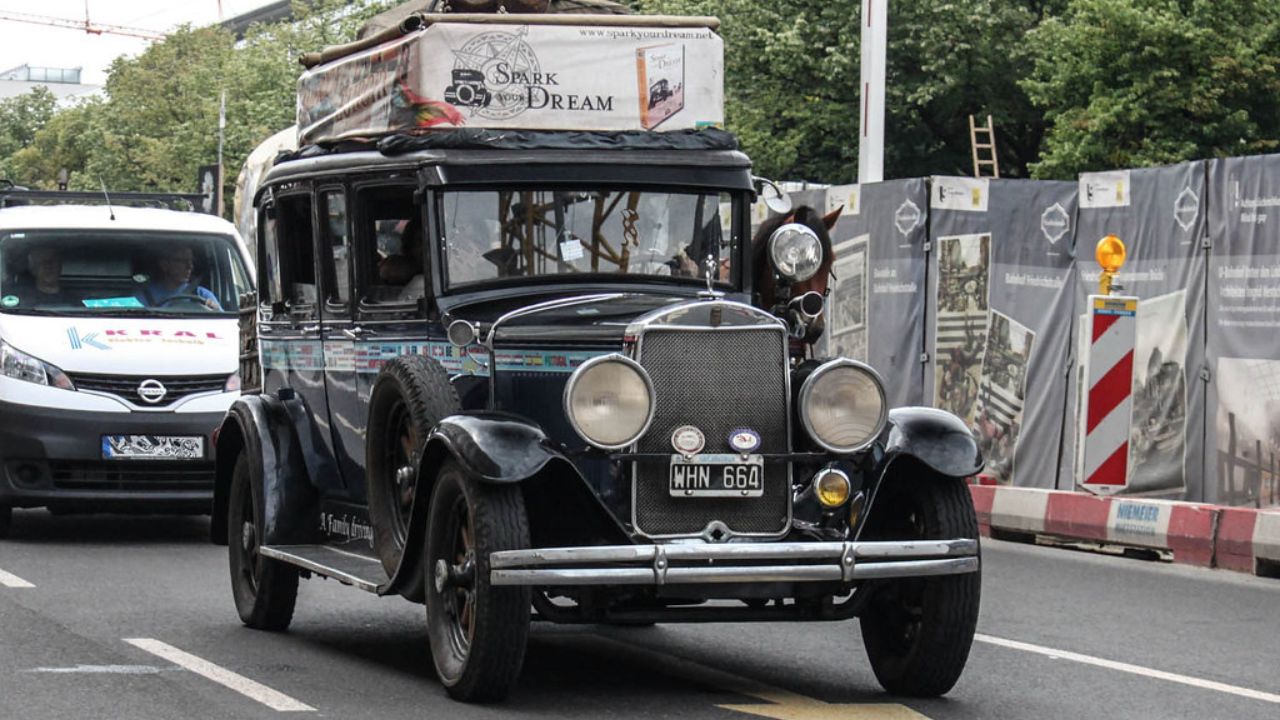
The Graham-Paige Model 610 entered the market with fresh ideas about quality and customer value. Strong engineering, dependable mechanical components, and attractive styling helped distinguish it from established competitors. Buyers appreciated its comfortable ride and solid construction during an increasingly competitive era. The Model 610 illustrated how ambitious new manufacturers could challenge industry leaders through innovation rather than relying solely on brand recognition.
Erskine Model 50
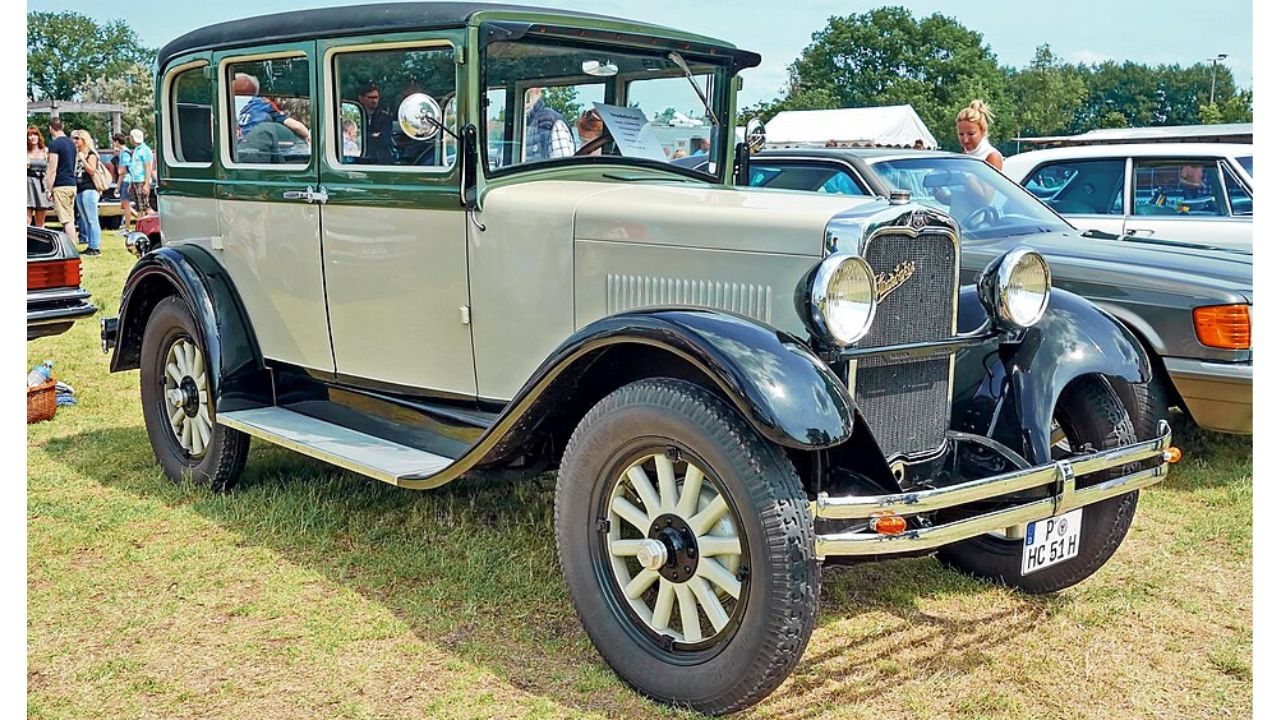
The Erskine Model 50 attempted to redefine what an affordable automobile could offer. Smaller exterior dimensions improved maneuverability, while thoughtful engineering maintained comfort and usability. It appealed to urban drivers seeking efficiency without giving up modern features. Although its production run was relatively brief, the Model 50 anticipated later trends favoring compact cars designed specifically for practical daily transportation.
Steyr Type XII
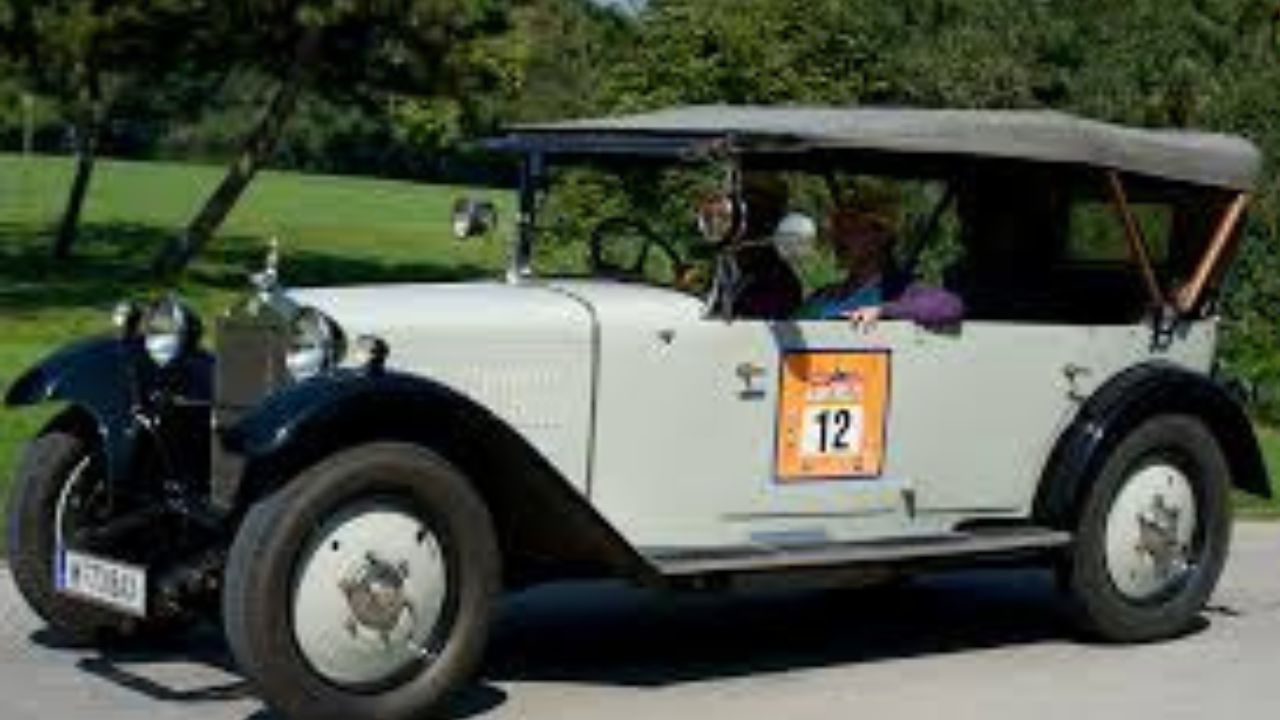
The Steyr Type XII combined Austrian engineering precision with progressive design ideas that emphasized efficiency and refinement. Its lightweight construction and carefully developed mechanical systems delivered respectable performance while maintaining excellent reliability. Buyers appreciated its smooth driving characteristics and high manufacturing standards. The Type XII demonstrated that careful engineering could produce vehicles that balanced innovation, practicality, and durability long before such qualities became universal expectations.
More from Fast Lane Only
- Unboxing the WWII Jeep in a Crate
- 15 rare Chevys collectors are quietly buying
- 10 underrated V8s still worth hunting down
- Police notice this before you even roll window down
*Research for this article included AI assistance, with all final content reviewed by human editors